TL;DR
Seven small shade trees have been identified for their ability to create cooling canopies and add vibrant summer color. Experts highlight their multi-season beauty and suitability for small yards, making them popular choices for landscaping.
Seven small shade trees have been highlighted for their ability to create cooling canopies and add vibrant summer color to residential landscapes. These trees are especially suited for small yards and urban spaces, providing both aesthetic appeal and practical benefits. Experts emphasize their role in reducing outdoor temperatures and enhancing outdoor living areas.
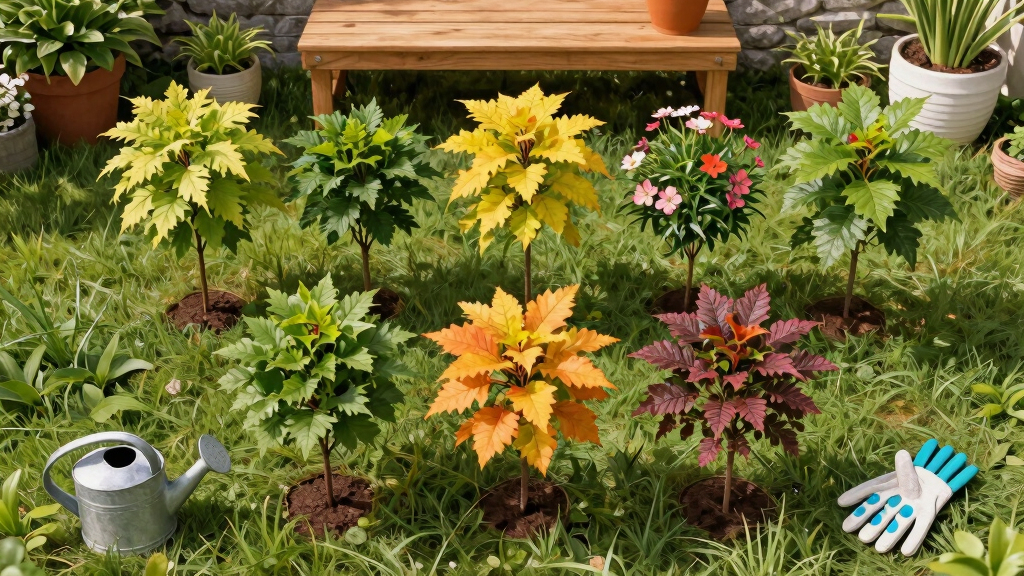
The seven trees include the Japanese Maple, Redbud, Serviceberry, Flowering Dogwood, Crabapple, Crape Myrtle, and Littleleaf Linden. Each is noted for its compact size, seasonal beauty, and ability to provide shade during the hottest months. According to horticultural specialists, these trees typically grow to heights of 10 to 20 feet, making them ideal for small gardens and urban settings.
Research indicates that shade trees can lower surrounding temperatures by several degrees, helping reduce cooling costs and improve outdoor comfort. The trees also offer vibrant blooms and colorful foliage in summer, with some providing multi-season interest through flowers, fruit, and fall color. Local nurseries report increased demand for these varieties as homeowners seek sustainable and attractive landscaping options.
Impact on Home Cooling and Landscape Design
These trees matter because they provide natural cooling, reducing reliance on air conditioning and lowering energy bills. Their aesthetic appeal enhances property value and encourages environmentally friendly landscaping. As urban areas face rising temperatures, such small shade trees offer practical solutions for climate resilience and improved outdoor living environments.

Shumard Oak, Shade Tree, Ample Size, Drought Resistant, Acorn Bearing, Deciduous, 2-3 ft Tree Height, 1 gal. Nursery Pot (Due to Agricultural Laws, we Cannot Ship to CA, AZ, AK, or HI)
- Shipping Restrictions: Cannot ship to CA, AZ, AK, HI
- Planting Requirements: Well-drained soil and adequate watering
- Maintenance Tips: Prune for shape and remove deadwood
As an affiliate, we earn on qualifying purchases.
As an affiliate, we earn on qualifying purchases.
Growing Interest in Small, Climate-Resilient Trees
In recent years, there has been a surge in demand for small, easy-to-maintain shade trees suitable for limited spaces. Experts note that urban heat islands and climate change have increased awareness of the importance of planting shade trees to mitigate temperature rises. The selected seven trees are among the most recommended for their adaptability, beauty, and environmental benefits. This development follows broader trends toward sustainable landscaping and urban greening initiatives.
“These small trees are perfect for urban yards—they offer shade, color, and multi-season interest without overwhelming limited space.”
— Laura Smith, horticulturist at GreenScape Gardens
Remaining Questions About Tree Selection and Maintenance
It is not yet clear how these trees perform across different climates or soil conditions, or how their growth rates may vary. Long-term maintenance requirements and their resistance to pests and disease are still being studied, and regional suitability may differ.
Guidelines for Planting and Care of Small Shade Trees
Experts suggest that homeowners consult local nurseries or arborists to select the best varieties for their specific climate and soil. Future research may focus on optimizing planting techniques, maintenance practices, and assessing long-term benefits. Increased public awareness and education campaigns are expected to promote wider adoption of these trees in urban and suburban landscapes.
Key Questions
Which small shade trees are best for hot, urban environments?
Experts recommend trees like the Japanese Maple, Redbud, and Crape Myrtle for their adaptability and vibrant summer color, especially in urban settings.
How much space do these trees typically need?
Most of these trees grow to about 10 to 20 feet tall and wide, making them suitable for small yards, patios, or urban gardens.
Do these trees require special care or maintenance?
While generally low-maintenance, proper watering, mulching, and pruning are recommended. Local conditions may influence specific care needs.
Can these trees help reduce cooling costs in summer?
Yes, shade from these small trees can lower outdoor and indoor temperatures, potentially reducing air conditioning use and energy bills.
Are these trees resistant to pests and diseases?
Most of these varieties are hardy, but regional pest and disease resistance varies. Consulting local nurseries can help identify the best options for specific areas.
Source: rss