
TL;DR
Prime for Young Adults — start your free trial
Fast free delivery, streaming and member deals for eligible 18–24 year olds.
Try it freeAs an affiliate, we earn on qualifying purchases.
A homeowner replaced their barren yard with a native wildflower meadow, resulting in increased wildlife and community engagement. The process involved overcoming drought and invasive species, with ongoing lessons learned.
Ecological and Community Impact of Replacing Lawns with Wildflower Meadows
This story illustrates how native wildflower plantings can foster local biodiversity, support pollinators, and improve community perception of natural landscapes. It highlights a sustainable alternative to traditional lawns in drought-prone areas, encouraging others to consider native planting for ecological resilience and aesthetic value.native wildflower seed mix for drought-prone areas
As an affiliate, we earn on qualifying purchases.
As an affiliate, we earn on qualifying purchases.
Native Planting and Ecological Benefits in Drought-Prone Areas
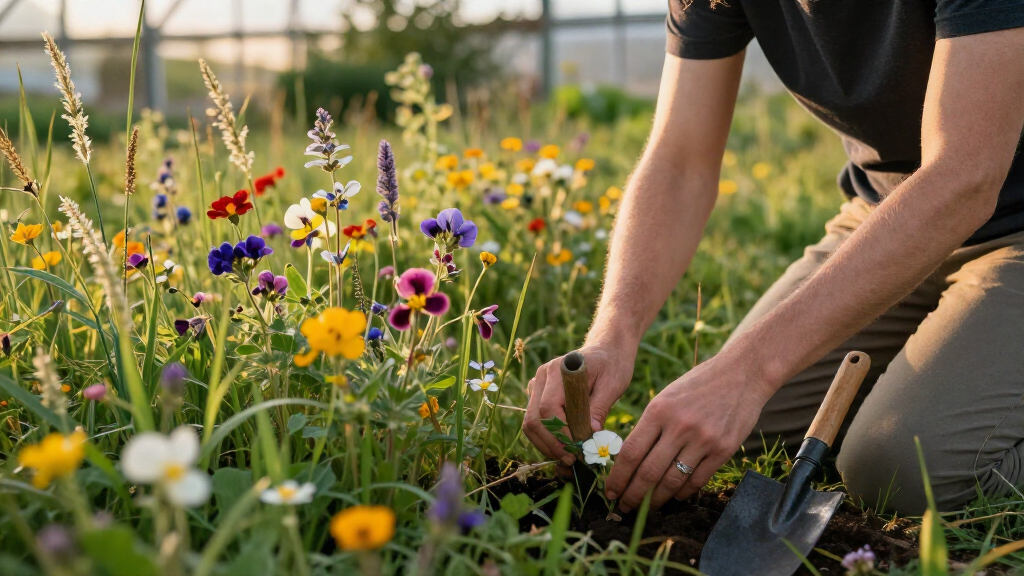
The practice of replacing lawns with native wildflowers has gained attention for its ecological advantages, including water conservation and habitat creation. In high-altitude, drought-prone regions like Colorado, native plants are better suited to survive harsh conditions without supplemental watering. This story follows a homeowner’s three-year journey of establishing a wildflower meadow, overcoming invasive species, and attracting wildlife, exemplifying a growing trend toward sustainable landscaping that benefits local ecosystems.Unanswered Questions About Long-Term Sustainability and Maintenance
It is still unclear how the meadow will fare in future droughts or extreme weather events. Long-term maintenance needs, especially regarding invasive species control and plant succession, remain uncertain as the ecosystem continues to evolve.Next Steps for Maintaining and Expanding the Wildflower Meadow
The homeowner plans to monitor the meadow’s health, experiment with additional native species, and share lessons learned with the community. Further observation will determine if the meadow can sustain itself long-term without significant intervention, and if it can inspire similar projects in other drought-prone areas.Key Questions
How difficult is it to establish a native wildflower meadow?
It requires careful planning, initial watering, and ongoing weed management, especially during the first year. Native plants tend to be resilient once established, but patience and persistence are essential.
Will a wildflower meadow require ongoing maintenance?
While native plants are generally low-maintenance, some invasive species may need removal, and occasional watering may be necessary during drought periods. Over time, the ecosystem should become more self-sustaining.
Can this approach work in other climates?
Yes, but plant selection must be tailored to local conditions. Consulting local native plant experts can improve success rates in different regions.
What are the ecological benefits of replacing a lawn with native wildflowers?
Such plantings support pollinators, provide habitat for birds and small mammals, and reduce water use, contributing to overall ecosystem health.
What challenges might I face with a native wildflower meadow?
Invasive species, unpredictable weather, and initial establishment difficulties are common challenges. Planning and ongoing management are key to success.
Source: rss
NFL season / tailgating Picks
team gear
As an affiliate, we earn on qualifying purchases.