TL;DR

Get garden gear delivered free with Prime
- Fast, free delivery on millions of items
- Prime Video, Amazon Music and more included
- Member-only deals all year
A houseplant shedding leaves after indoor heating begins may be responding to cold glass, direct hot airflow or reduced light, but timing alone does not identify the cause. Check the plant’s location and soil moisture, change one clear problem at a time, and watch for pests or signs of root damage.
A Planet Natural report advises checking a cold window, a heating supply vent and a formerly bright corner when houseplants start dropping leaves after the furnace comes on. The timing can point gardeners toward changing indoor conditions, but it is a clue, not a diagnosis: light, temperature and watering patterns may all shift around the same time.
At night, foliage beside a window may encounter colder conditions than a thermostat elsewhere in the room suggests. The report recommends checking where leaves sit, including whether they touch the glass or are caught behind a closed curtain. Move foliage away from cold panes and obvious drafts while keeping it in suitable light, then check the spot again on a cold evening.
For a heating vent, observe the plant while the system is running. If warm air blows directly across its leaves, move the pot out of that airflow, but do not block the vent or relocate the plant to a dark or cold spot. Repeated hot air can contribute to drying; it does not, by itself, establish that a plant needs more water.
The third location is a corner that may have become dimmer as winter light changed or curtains, an overhang or nearby buildings blocked daylight. The report cites University of Minnesota indoor-light guidance, which lists older-leaf loss, pale foliage and stretched growth as possible responses to insufficient light. These are potential signs, not proof that light is the only cause.
Three Indoor Conditions to Check
The practical point is to inspect conditions at the plant itself before moving every pot, repotting a collection or changing a watering routine. A room can feel comfortable while a leaf sits beside cold glass or in a stream of hot air. Meanwhile, a dimmer location can slow water use even as a nearby vent dries foliage. Several effects can overlap.
That matters because a response aimed at the wrong cause may add stress. More watering is not a safe default when leaves fall, especially if the growing medium is already wet. The report advises checking below the surface and looking inside decorative outer pots for standing water. Match watering to the individual plant and medium, rather than following a fixed weekly schedule.
Make one clear adjustment at a time and note the original location and moisture condition. Existing yellow or damaged leaves may continue to fall after conditions improve, so track the condition of remaining growth and whether new growth appears. A trend over days and weeks is more informative than expecting damaged leaves to recover immediately.
Products Worth Considering
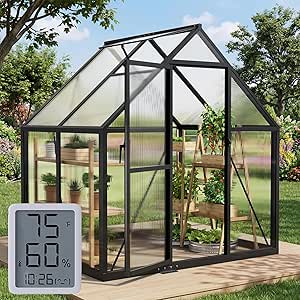
Sylviera 6 x 4 ft Polycarbonate Greenhouse with Hygrometer

Traeger Woodridge Pro Wood Pellet Grill and Smoker, 970 sq. in.

EGO POWER+ HT2600 26-Inch Cordless Hedge Trimmer (Battery and Charger Not Included)
As an affiliate, we earn on qualifying purchases.
Why Heating Season Changes Conditions
The source describes several changes that can coincide when indoor heating begins: moving warm air, colder window glass after sunset, shorter daylight and a watering routine that no longer fits the plant’s conditions. The report does not identify one cause common to all houseplants; its guidance is to inspect the particular plant’s surroundings before making broad changes.
Plant types and symptoms can help guide an inspection, but they do not settle the diagnosis. The report notes that weeping figs commonly shed leaves when brought indoors, citing Maryland Extension. It also says ferns near vents may develop crisp edges or lose delicate leaflets, and that pothos can tolerate lower light than many flowering plants while still needing usable light. A plant’s individual needs remain relevant.
Humidity and soil moisture are separate considerations, according to the report. A humidifier may help a genuinely dry room if maintained properly, but brief misting is not a reliable fix for repeated hot airflow. Dry room air alone is not a reason to water more often.
What Leaf Drop Cannot Confirm
The report does not establish that heating is the cause whenever a plant sheds leaves, or specify a single remedy for every species. Leaf loss alone is not diagnostic: water conditions, roots, light, pests and environmental changes can overlap. It also gives no measured temperature, humidity or light thresholds for the three locations.
Check leaf undersides, stems and new growth for possible pests, including fine mite webbing, scale or cottony mealybug deposits. A single yellow leaf or dust does not confirm an infestation. The report says to separate a suspect plant while identifying the cause. If the plant wilts while its mix stays wet, has a sour smell or develops a soft stem base, inspect drainage and roots promptly; those signs warrant attention rather than assuming routine seasonal leaf drop.
It is also unclear from the source how quickly any individual plant should recover. Existing damaged leaves may still fall after a location is corrected. The useful evidence is whether decline continues, whether remaining foliage looks healthier and whether new growth develops.
Monitor One Change at a Time
Start by recording the plant’s location and the condition of its growing medium. Check the window after sunset, observe airflow while the furnace runs, and assess light at plant level at different times of day. If one problem is clear, correct that condition while preserving suitable light and temperature. Avoid blocking heating equipment or suddenly moving a plant from deep shade into intense direct sun.
Recheck the plant over the following days and weeks, watching remaining leaves and new growth. Check soil below the surface and any outer container for trapped water, and inspect for pests or signs of root trouble. If the decline accelerates, or wet soil accompanies wilting, sour odor or a soft base, investigate the plant and its drainage sooner rather than waiting for the season to change.
Key Questions
Does leaf drop after turning on the heat prove the furnace is harming my plant?
No. The timing is a clue, not proof. Cold glass, direct warm airflow, lower light, watering changes, pests or root problems may also be involved.
What are the three locations to inspect?
Check foliage beside a cold window, a plant in the direct path of a heating supply vent, and a corner that may have become too dim for the plant.
Should I water more when the heat comes on?
Not automatically. Feel the growing medium below its surface and check for standing water in an outer container. Water according to the plant’s needs and soil condition, not a fixed schedule or dry room air alone.
When should I check for root problems or pests?
Inspect for pests on leaf undersides, stems and new growth. If a plant wilts while the mix stays wet, smells sour or has a soft stem base, check drainage and roots promptly.
Source: planetnatural.com