Searching for effective mental health programs can feel overwhelming, given the wide range of options available. The best programs balance proven techniques like CBT, DBT, and mindfulness with accessibility and ease of implementation. Overall, the Handbook of Evidence-Based Inpatient Mental Health Programs for Children and Adolescents stands out for its comprehensive, research-backed approach, making it ideal for professionals and caregivers. Meanwhile, the CBT, DBT & ACT – The Complete 3-in-1 Workbook offers a flexible, self-guided solution for managing anxiety and depression at home. A key tradeoff in this category is between highly structured, clinician-led programs and more flexible, self-help options—both have their place depending on your needs. Continue reading for a detailed breakdown of each program’s strengths and limitations.

Get garden gear delivered free — and shop member deals
- Fast, free delivery on millions of items
- Access to Prime Big Deal Days deals on October 6–7
- Prime Video, Amazon Music and more included
Complete the kit


Key Takeaways
- Evidence-based programs with clear frameworks like CBT and DBT tend to deliver more consistent results.
- Self-guided workbooks are accessible and cost-effective but may lack the personalized support of clinician-led options.
- Specialized programs, such as those for schools or inmates, highlight the importance of context-specific approaches.
- The most comprehensive programs combine multiple therapeutic techniques for broader applicability.
- Price and accessibility often influence choice; more intensive programs tend to require professional involvement.
| Handbook of Evidence-Based Inpatient Mental Health Programs for Children and Adolescents |  | Best Overall Reference for Youth Inpatient Programs | Target Audience: Clinicians, program developers | Focus Area: Inpatient youth mental health | Approach: Evidence-based | VIEW ON AMAZON | See Our Full Breakdown |
| CBT, DBT & ACT – The Complete 3-in-1 Workbook: 12 Weeks Program in Cognitive, Behavioral, and Acceptance Therapy to Overcome Anxiety, Defeat Depression and Reclaim Confidence |  | Best for Structured, Multi-Approach Self-Help Programs | Duration: 12 weeks | Approaches Included: CBT, DBT, ACT | Target Users: Adults with mental health challenges | VIEW ON AMAZON | See Our Full Breakdown |
| The Better Boundaries Workbook: A CBT-Based Program to Help You Set Limits, Express Your Needs, and Create Healthy Relationships |  | Best for Boundary Setting and Relationship Improvement | Focus Area: Boundaries and relationships | Approach: CBT-based | Format: Workbook | VIEW ON AMAZON | See Our Full Breakdown |
| A Mental Health Treatment Program for Inmates in Restrictive Housing: Stepping Up, Stepping Out |  | Best for Inmate Mental Health Support in Restrictive Environments | Target Population: Inmates in restrictive housing | Focus: Mental health support and reintegration | Setting: Correctional facilities | VIEW ON AMAZON | See Our Full Breakdown |
| Breathe: The Simple, Revolutionary 14-Day Program to Improve Your Mental and Physical Health |  | Best for Quick, Breathing-Based Mental Clarity Boosts | Duration: 14 days | Focus: Breathing techniques | Approach: Simple, practical steps | VIEW ON AMAZON | See Our Full Breakdown |
| A Clinician’s Guide to Teaching Mindfulness: The Comprehensive Session-by-Session Program for Mental Health Professionals and Health Care Providers | 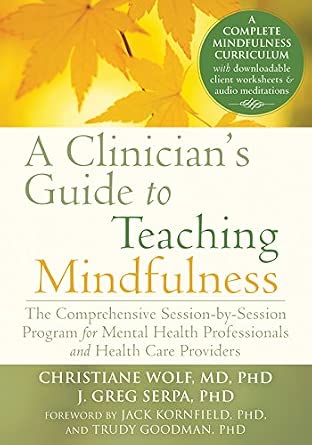 | Best for Professional Training and Structured Mindfulness Instruction | Target Audience: Mental health professionals and healthcare providers | Focus Area: Mindfulness teaching | Format: Book | VIEW ON AMAZON | See Our Full Breakdown |
| Ten Great Therapy Groups: Substance Abuse and Mental Health Therapy Group Curriculum Workbook | 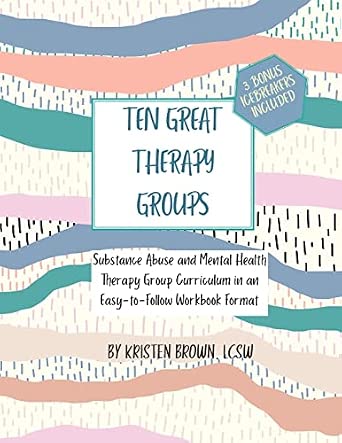 | Best for Facilitators Running Therapy Groups | Target Audience: Group therapists and facilitators | Focus Area: Substance abuse and mental health groups | Format: Workbook | VIEW ON AMAZON | See Our Full Breakdown |
| Ten Days to Self-Esteem: A Clinically Proven CBT Program to Overcome Depression, Anxiety, and Build Unconditional Self-Worth |  | Best for Self-Help and Personal Development | Target Audience: Self-motivated adults seeking self-esteem improvement | Focus Area: Depression, anxiety, self-worth | Format: Book | VIEW ON AMAZON | See Our Full Breakdown |
| Developing Comprehensive School Safety and Mental Health Programs |  | Best for Educational Institutions Developing Systemic Approaches | Target Audience: School administrators and educators | Focus Area: School safety and mental health programs | Format: Book | VIEW ON AMAZON | See Our Full Breakdown |
| mental health program | Approach | Target Audience | Focus Area | Format |
|---|---|---|---|---|
| Handbook of Evidence-Based Inp | Evidence-based | Clinicians, program developers | Inpatient youth mental health | — |
| CBT | — | — | — | Self-guided workbook |
| The Better Boundaries Workbook | CBT-based | Individuals seeking relationship skills | Boundaries and relationships | Workbook |
| A Mental Health Treatment Prog | Structured interventions | — | — | — |
| Breathe: The Simple | Simple, practical steps | — | — | — |
| A Clinician’s Guide to Teachin | Session-by-session program | Mental health professionals and healthcare providers | Mindfulness teaching | Book |
| Ten Great Therapy Groups: Subs | — | Group therapists and facilitators | Substance abuse and mental health groups | Workbook |
| Ten Days to Self-Esteem: A Cli | 10-day CBT program | Self-motivated adults seeking self-esteem improvement | Depression, anxiety, self-worth | Book |
| Developing Comprehensive Schoo | Practical strategies for systemic development | School administrators and educators | School safety and mental health programs | Book |
More Details on Our Top Picks
Handbook of Evidence-Based Inpatient Mental Health Programs for Children and Adolescents
This comprehensive handbook stands out for its detailed coverage of evidence-based inpatient mental health strategies specifically tailored for children and adolescents. Unlike more general guides, it provides a thorough overview of clinical practices and program development, making it ideal for clinicians and program designers. Its strength lies in its focus on proven approaches, though it lacks specific user reviews or pricing details, which could limit immediate practical use. Compared to the other items in this roundup, this resource offers the most in-depth, targeted guidance for youth inpatient settings, but it may not suit those seeking quick, practical exercises or programs to implement directly. This book is best suited for mental health professionals developing or refining inpatient treatment programs for youth.
Pros:- Comprehensive coverage of inpatient mental health strategies for youth
- Focus on evidence-based practices ensures reliability
- Useful for clinicians and program planners designing treatment frameworks
Cons:- No detailed specifications or user feedback available
- Lacks pricing or rating information for quick assessment
Best for: Clinicians and program developers working with inpatient youth populations
Not ideal for: Individuals seeking self-help tools or quick, easy-to-apply mental health exercises
- Target Audience:Clinicians, program developers
- Focus Area:Inpatient youth mental health
- Approach:Evidence-based
- Coverage:Clinical practices, program development
Our verdict“This handbook is ideal for professionals building or improving inpatient mental health programs for children and adolescents who need detailed, research-backed guidance.”
CBT, DBT & ACT – The Complete 3-in-1 Workbook: 12 Weeks Program in Cognitive, Behavioral, and Acceptance Therapy to Overcome Anxiety, Defeat Depression and Reclaim Confidence
This workbook combines three powerful therapeutic approaches—CBT, DBT, and ACT—into a single 12-week program, providing a well-rounded path for those tackling anxiety, depression, and confidence issues. Its structured format makes it stand out from standalone therapy guides like The Better Boundaries Workbook, which focuses specifically on boundaries rather than broader mental health challenges. While its comprehensive nature offers versatility, it also demands consistent effort over three months, which might be challenging for individuals with limited time or motivation. Unlike the more general breathing-focused program Breathe, this workbook emphasizes psychological skills with practical exercises aimed at resilience and emotional regulation. This makes it most suitable for motivated adults seeking an in-depth, multi-approach self-guided program.
Pros:- Integrates three proven therapeutic approaches for comprehensive support
- Structured 12-week plan promotes steady progress
- Includes practical exercises to build resilience and mental strength
Cons:- Requires ongoing commitment over 12 weeks, which might deter some users
- No specific guidance on target age or initial difficulty level
Best for: Adults committed to a structured, multi-modal mental health improvement plan
Not ideal for: Beginners or those who prefer quick fixes without a lengthy commitment
- Duration:12 weeks
- Approaches Included:CBT, DBT, ACT
- Target Users:Adults with mental health challenges
- Format:Self-guided workbook
Our verdict“This workbook is best for motivated adults seeking a detailed, multi-therapy approach to overcoming anxiety and depression through consistent effort.”
The Better Boundaries Workbook: A CBT-Based Program to Help You Set Limits, Express Your Needs, and Create Healthy Relationships
This workbook offers practical, CBT-based exercises designed to help individuals establish boundaries, communicate their needs, and foster healthier relationships. Compared to the more comprehensive mental health programs like the 12-week workbook, it zeroes in on boundary-setting as a key emotional health skill. Its focus on personal growth through realistic exercises makes it appealing for those looking to improve their emotional resilience and relationship dynamics. However, the lack of detailed descriptions or reviews might leave some users uncertain about its depth or applicability. It requires a commitment to completing exercises, which could be a barrier for those needing quick solutions or less structured guidance. This pick is ideal for people seeking specific tools to improve boundaries and emotional health in personal relationships.
Pros:- Practical exercises for boundary setting and emotional expression
- Focus on relationship health and personal growth
- CBT-based approach lends structure and evidence support
Cons:- Limited scope focused mainly on boundaries, not broader mental health issues
- No detailed reviews or user feedback available
Best for: Individuals wanting to improve boundaries and communication in personal relationships
Not ideal for: People seeking comprehensive mental health treatment programs or quick fixes
- Focus Area:Boundaries and relationships
- Approach:CBT-based
- Format:Workbook
- Target Audience:Individuals seeking relationship skills
Our verdict“This workbook is best suited for those who want practical, CBT-based tools to strengthen boundaries and improve relationship health.”
A Mental Health Treatment Program for Inmates in Restrictive Housing: Stepping Up, Stepping Out
This program specializes in providing mental health interventions tailored for inmates in restrictive housing, a niche yet critical area. It shares some focus with the inpatient youth handbook but is designed specifically for the correctional setting, addressing unique challenges faced by incarcerated individuals. Its targeted approach supports mental well-being and aims to ease reintegration, though limited publicly available specifics and lack of reviews make it difficult to gauge its real-world effectiveness. Compared to general self-help programs like Breathe, this initiative emphasizes structured correctional interventions rather than broad health improvements. This program makes the most sense for correctional facilities or mental health professionals working with inmates in restrictive conditions.
Pros:- Provides targeted mental health support in restrictive housing
- Aims to facilitate mental well-being and reintegration
- Addresses a specialized, underserved population
Cons:- Limited information on specific program components
- No reviews or ratings available to validate effectiveness
Best for: Correctional staff and mental health providers working with incarcerated populations
Not ideal for: General public or individuals seeking self-guided mental health tools
- Target Population:Inmates in restrictive housing
- Focus:Mental health support and reintegration
- Setting:Correctional facilities
- Approach:Structured interventions
Our verdict“This program is best suited for correctional facilities and mental health practitioners working directly with incarcerated individuals in restrictive environments.”
Breathe: The Simple, Revolutionary 14-Day Program to Improve Your Mental and Physical Health
This 14-day breathing program emphasizes simple, easy-to-follow techniques aimed at enhancing mental clarity and physical health. It stands out from more comprehensive programs like the 12-week workbook or the youth inpatient handbook by offering quick, accessible steps for immediate relief and health benefits. Its focus on breathing exercises makes it ideal for those seeking a straightforward approach to reducing stress and improving overall well-being, though it provides limited detail on the specific techniques or scientific basis. Unlike the broader therapeutic approaches seen in the other products, this program prioritizes a quick, practical change in daily habits. This pick is perfect for anyone wanting a brief, manageable intervention to boost mental and physical health quickly.
Pros:- Easy-to-follow 14-day program
- Enhances mental clarity and physical health through breathing
- Accessible and quick to implement
Cons:- Limited details on specific breathing techniques or scientific foundation
- No reviews or ratings available to gauge effectiveness
Best for: Individuals seeking simple, fast techniques to improve mental clarity and reduce stress
Not ideal for: People looking for comprehensive therapy or long-term mental health strategies
- Duration:14 days
- Focus:Breathing techniques
- Approach:Simple, practical steps
- Target Users:Individuals seeking quick health improvements
Our verdict“This program is ideal for individuals needing a quick, straightforward method to improve mental and physical well-being through breathing exercises.”
A Clinician’s Guide to Teaching Mindfulness: The Comprehensive Session-by-Session Program for Mental Health Professionals and Health Care Providers
This book stands out for its detailed, session-by-session approach, making it ideal for mental health professionals seeking a structured way to incorporate mindfulness into therapy. Compared with the more general focus of ‘Developing Comprehensive School Safety and Mental Health Programs,’ this guide offers practical, step-by-step plans that can be directly applied in clinical settings. However, it requires some prior knowledge of mindfulness techniques, which may challenge newcomers. Its focus on professionals means it’s less suitable for laypersons or those seeking self-help content. The comprehensive nature and clear session plans make it an essential resource for clinicians aiming to deepen their mindfulness teaching skills. Still, the technical depth might be overwhelming for those new to mindfulness or without a clinical background.Pros:- Structured, session-by-session curriculum for teaching mindfulness
- Practical guidance tailored for mental health professionals
- Helps integrate mindfulness seamlessly into clinical practice
Cons:- Requires foundational knowledge of mindfulness techniques
- Less accessible for non-professional audiences
Best for: Licensed mental health professionals and healthcare providers looking to enhance their mindfulness teaching repertoire
Not ideal for: Beginners with no prior mindfulness experience or individuals seeking self-guided programs
- Target Audience:Mental health professionals and healthcare providers
- Focus Area:Mindfulness teaching
- Format:Book
- Approach:Session-by-session program
Our verdict“This guide is ideal for clinicians who want a detailed, practical framework for teaching mindfulness, but not for beginners or laypersons.”
Ten Great Therapy Groups: Substance Abuse and Mental Health Therapy Group Curriculum Workbook
This workbook offers a clear, easy-to-follow curriculum designed specifically for group facilitators working with substance abuse and mental health populations. Compared to the more individualized focus of ‘Ten Days to Self-Esteem,’ this resource emphasizes group dynamics and practical activities, making it suitable for structured group sessions. Its straightforward exercises help streamline therapy planning but lack detailed content descriptions, which may leave facilitators wanting more guidance. Additionally, with no available user reviews or ratings, its effectiveness remains somewhat uncertain. This pick makes the most sense for therapists and facilitators seeking a ready-made curriculum for group therapy, especially in substance abuse settings, though it may require supplementing with additional content for specific client needs.Pros:- Structured, easy-to-follow group curriculum
- Focuses on substance abuse and general mental health topics
- Facilitates efficient session planning with ready-made activities
Cons:- Limited details about specific session content
- No user reviews or ratings available
Best for: Therapists and group facilitators managing substance abuse or mental health therapy groups
Not ideal for: Individual therapy practitioners or those seeking in-depth content on specific mental health issues
- Target Audience:Group therapists and facilitators
- Focus Area:Substance abuse and mental health groups
- Format:Workbook
- Content Style:Structured activities and exercises
Our verdict“This workbook is best for facilitators needing a straightforward, structured group therapy curriculum but may fall short for those seeking detailed content or proven reviews.”
Ten Days to Self-Esteem: A Clinically Proven CBT Program to Overcome Depression, Anxiety, and Build Unconditional Self-Worth
This book makes the list for its focused, ten-day cognitive-behavioral approach aimed at individuals seeking to improve self-esteem and reduce depression and anxiety. Unlike ‘Developing Comprehensive School Safety and Mental Health Programs,’ which targets systemic change, this program offers a personal, structured intervention that can be followed independently. Its step-by-step exercises promote tangible progress, but the lack of specific customer reviews or ratings raises questions about its real-world effectiveness. The ten-day commitment may also be a hurdle for those with busy schedules or chronic mental health issues requiring ongoing support. This pick suits motivated individuals ready to engage with a guided, proven CBT program for self-improvement, although it may not be suitable for those with severe or complex conditions.Pros:- Structured, step-by-step CBT program over ten days
- Focuses on building unconditional self-worth
- Clinically supported methods for depression and anxiety
Cons:- No specific user reviews or success ratings available
- Requires commitment over ten consecutive days
Best for: Individuals motivated for self-guided mental health improvement and self-esteem building
Not ideal for: People with severe mental health disorders or those needing ongoing professional support
- Target Audience:Self-motivated adults seeking self-esteem improvement
- Focus Area:Depression, anxiety, self-worth
- Format:Book
- Approach:10-day CBT program
Our verdict“This program works best for self-motivated individuals seeking a concise, proven method to boost self-esteem and reduce mental health symptoms, but may not suit those with complex needs.”
Developing Comprehensive School Safety and Mental Health Programs
This book provides practical strategies for creating school-wide safety and mental health initiatives, making it useful for educators and administrators aiming to foster student well-being. Compared to individual-focused programs like ‘Ten Days to Self-Esteem,’ this resource emphasizes systemic change and policy development. However, it offers limited detailed examples of implementation, which could challenge those seeking step-by-step guidance. Its broad focus on school safety and mental health makes it less suitable for clinicians or individuals looking for direct therapeutic interventions. Nonetheless, for schools aiming to develop comprehensive programs that integrate safety with mental health support, this guide offers valuable foundational strategies, though it requires additional planning and customization.Pros:- Provides practical strategies for school-wide programs
- Focuses on integrating safety with mental health initiatives
- Useful for educators and administrators implementing systemic change
Cons:- Lacks detailed, step-by-step implementation examples
- Broad focus may require additional resources for execution
Best for: School administrators and educators developing systemic mental health and safety initiatives
Not ideal for: Mental health practitioners seeking individual therapy frameworks or direct intervention plans
- Target Audience:School administrators and educators
- Focus Area:School safety and mental health programs
- Format:Book
- Approach:Practical strategies for systemic development
Our verdict“Ideal for educational leaders designing broad, systemic mental health and safety strategies, but not for those needing detailed implementation steps.”

How We Picked
These mental health programs were evaluated based on their evidence base, usability, target audience, and overall value. Priority was given to programs with demonstrated effectiveness in clinical studies or widespread adoption by mental health professionals. We also considered ease of implementation—whether the programs are self-guided or require professional support—and their adaptability to different settings. Cost was a factor, but quality and comprehensiveness took precedence in the rankings. This approach ensures that each program selected offers a meaningful benefit aligned with specific user needs and real-world application.| mental health program | Target Audience | Focus Area | Format |
|---|---|---|---|
| Handbook of Evidence-Based Inp | Clinicians, program developers | Inpatient youth mental health | — |
| CBT | — | — | Self-guided workbook |
| The Better Boundaries Workbook | Individuals seeking relationship skills | Boundaries and relationships | Workbook |
| A Mental Health Treatment Prog | — | — | — |
| Breathe: The Simple | — | — | — |
| A Clinician’s Guide to Teachin | Mental health professionals and healthcare providers | Mindfulness teaching | Book |
| Ten Great Therapy Groups: Subs | Group therapists and facilitators | Substance abuse and mental health groups | Workbook |
| Ten Days to Self-Esteem: A Cli | Self-motivated adults seeking self-esteem improvement | Depression, anxiety, self-worth | Book |
| Developing Comprehensive Schoo | School administrators and educators | School safety and mental health programs | Book |
Factors to Consider When Choosing Mental Health Programs
When choosing a mental health program, it’s important to consider several factors that align with your goals, resources, and setting. The right program should fit your level of expertise, target issues, and preferred format. Avoid programs that are overly generic or lack proper backing, as they may not provide the results you seek. Balancing cost, ease of use, and evidence of effectiveness will help you find the best match for your unique situation.Target Audience and Specific Needs
Identify whether the program is designed for children, adolescents, adults, or institutional settings. Programs tailored to specific populations tend to be more effective because they address unique challenges and contexts. For example, school-based programs focus on safety and social skills, while inpatient programs address severe mental health conditions. Choosing a program that aligns with your particular needs ensures better engagement and outcomes.
Evidence and Theoretical Foundations
Look for programs backed by scientific research or clinical validation. Techniques like CBT, DBT, and mindfulness have a proven track record, but not all programs incorporate these methods effectively. A program with a clear theoretical basis is more likely to produce measurable improvements. Beware of offerings that lack transparency about their evidence base or rely solely on anecdotal success stories.
Format and Delivery Method
Decide whether a self-guided workbook, clinician-led program, or group-based approach best fits your situation. Self-guided options offer flexibility and affordability but may lack the personalized feedback necessary for complex issues. Conversely, clinician-led programs provide tailored support but can be more costly and less accessible. Matching the format to your comfort level, support system, and urgency is key.
Cost and Accessibility
Consider your budget and the program’s availability—some may require ongoing professional sessions, while others are downloadable resources. While investing in comprehensive programs can yield better results, they often come with higher costs. Free or low-cost options can be helpful for initial steps but may not suffice for severe or persistent issues. Balance affordability with the level of support you need.
Ease of Implementation and Support
Evaluate how easy it is to incorporate the program into your daily routine or organizational structure. Programs requiring minimal setup are ideal for busy individuals or institutions with limited resources. Look for options that offer supplementary support, such as coaching or community forums, to enhance engagement. Complex or rigid programs might hinder consistent use, reducing their effectiveness.
Frequently Asked Questions
Can I rely on self-guided workbooks for serious mental health issues?
Self-guided workbooks can be a helpful starting point for managing mild to moderate symptoms, offering flexibility and privacy. However, for severe or persistent mental health conditions, professional support is usually necessary to ensure safety and tailored treatment. Combining workbooks with therapy or clinical guidance often yields better results, especially when dealing with complex issues like trauma or suicidal ideation.
How do I choose a program suitable for children or adolescents?
Programs designed for younger populations typically incorporate age-appropriate language, activities, and engagement strategies. Look for evidence-based options that are validated for youth and include family or school components if possible. Avoid generic adult programs, as they may not address the developmental needs or environmental factors relevant to children and teens.
Are multi-technique programs more effective than single-method options?
Programs that combine methods like CBT, DBT, and mindfulness tend to be more versatile and address a broader range of issues. They offer multiple tools to cope with different situations, which can enhance overall resilience. However, they can also be more complex to implement, requiring more training or expertise. For those new to mental health programs, starting with a single, evidence-based approach might be more manageable.
What should I consider if I want a program for a workplace or school setting?
In organizational contexts, programs should focus on safety, stress reduction, and social-emotional learning. They need to be scalable, easy to administer, and culturally appropriate. Programs that involve training staff and integrating mental health practices into daily routines tend to be more sustainable. Also, consider whether the program includes metrics for evaluating its impact on the community or environment.
Is investing in a premium program worth the extra cost?
Premium programs often provide more comprehensive content, personalized support, and longer-term follow-up, which can significantly improve outcomes. If your goal is serious improvement or you’re managing complex issues, the investment can be justified. However, for general wellness or mild symptoms, more affordable options or self-guided resources may be sufficient, saving money without sacrificing effectiveness.
Conclusion
For individuals seeking a comprehensive, evidence-backed solution, the Handbook of Evidence-Based Inpatient Mental Health Programs for Children and Adolescents offers extensive support, especially for professionals and caregivers. Those looking for flexible, self-guided options to address anxiety, depression, or self-esteem will find Ten Days to Self-Esteem and Breathe appealing for their ease of use and proven techniques. If you need targeted programs for specific environments, such as schools or correctional facilities, the specialized offerings provide tailored approaches. Ultimately, your choice should reflect your specific needs, budget, and support system, whether you prioritize comprehensive coverage, affordability, or ease of implementation.
Fall yard work Picks
leaf blowers
As an affiliate, we earn on qualifying purchases.