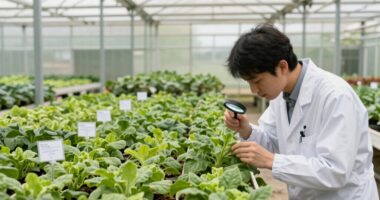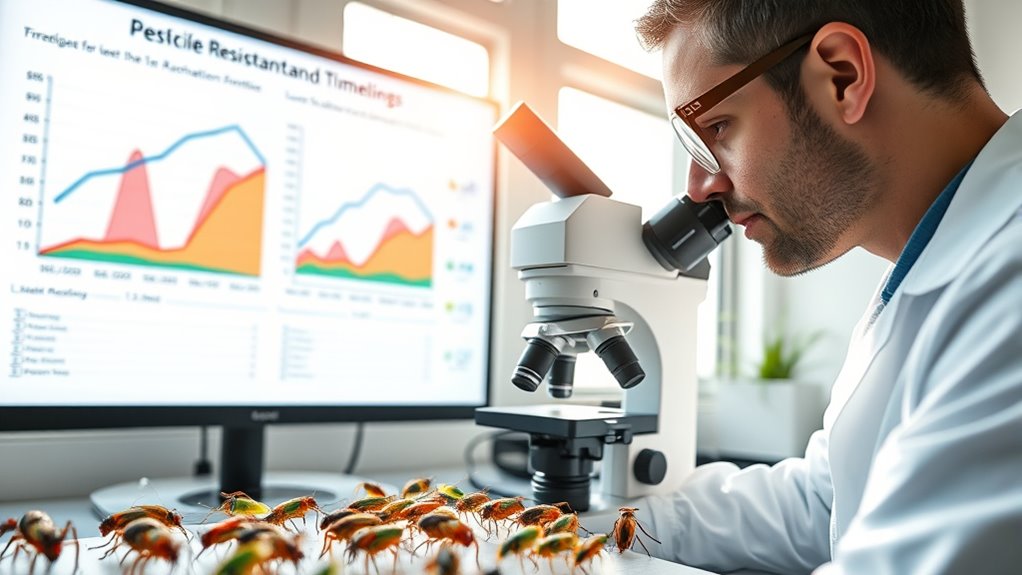

To evaluate pesticide resistance and rotation strategies effectively, you should monitor pest populations regularly using both bioassays and molecular testing for resistance genes. Track genetic markers to identify early signs of resistance development and gather data across regions and time. Rotate pesticides with different modes of action based on this information to prevent resistance buildup. Implement integrated pest management practices for sustainable control. Keep exploring to discover how ongoing monitoring can further enhance your resistance management plans.

Get garden gear delivered free with Prime
- Fast, free delivery on millions of items
- Prime Video, Amazon Music and more included
- Member-only deals all year
Key Takeaways
- Regular resistance monitoring using molecular techniques detects early signs of resistance development.
- Rotating pesticides with different modes of action prevents selection pressure and prolongs efficacy.
- Integrating chemical controls with non-chemical methods reduces reliance on pesticides and delays resistance.
- Utilizing genetic markers helps tailor rotation strategies based on resistance trends in specific regions.
- Continuous assessment of pesticide effectiveness guides timely adjustments in management practices.
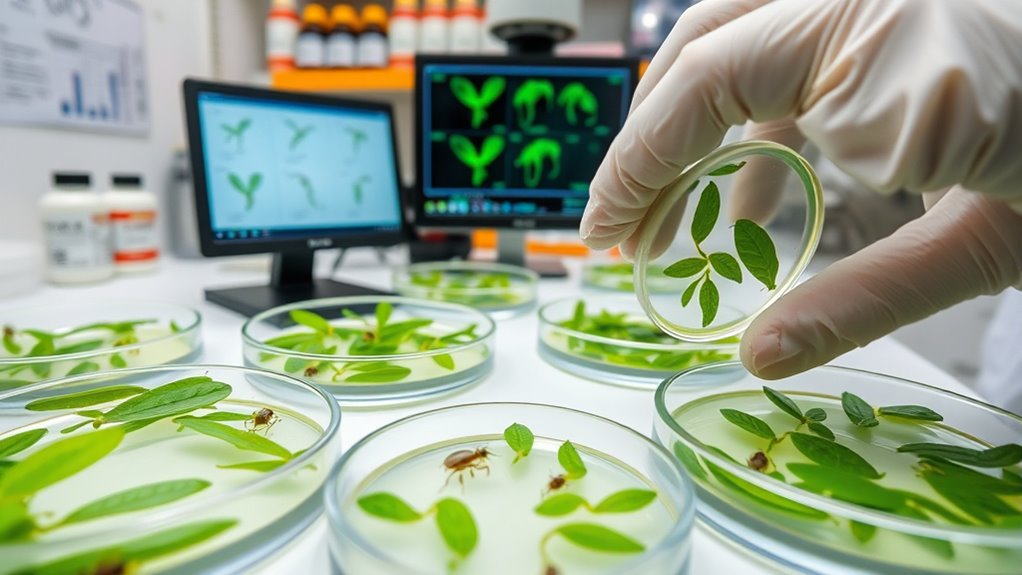
Have you ever wondered how scientists determine if pests are becoming resistant to pesticides? It’s a critical question for effective pest control, and understanding the genetic mechanisms behind resistance is key. When pests develop resistance, it often involves changes in their genetic makeup that make them less affected by chemicals designed to control them. Scientists analyze these genetic mechanisms to identify specific mutations or gene expressions that confer resistance. They might collect pest samples from the field and perform laboratory tests, such as bioassays, to see how well the pests survive exposure to pesticides. Advances in molecular biology now allow researchers to detect resistance genes directly, providing faster and more accurate insights. Recognizing these genetic changes helps scientists track resistance trends over time and across different regions. This information is crucial for implementing resistance management strategies, which aim to slow or prevent resistance development. Resistance management involves rotating pesticides with different modes of action, reducing the selection pressure on pest populations. By switching chemicals before pests develop full resistance, you can prolong the effectiveness of existing pesticides. Monitoring genetic markers of resistance enables you to identify early signs that pests are adapting, so you can adjust your control methods proactively. For example, if genetic testing shows an increase in resistance-associated mutations, it’s a clear signal to rotate to a different pesticide class or integrate non-chemical controls. Resistance doesn’t develop overnight; it’s a gradual process driven by repeated exposure to the same pesticide. That’s why ongoing monitoring of pest populations for genetic resistance factors is so important. It allows you to implement resistance management practices that minimize the risk of resistance becoming widespread. Understanding the genetic mechanisms involved also helps in developing targeted strategies, such as using synergists that inhibit resistance genes or deploying genetically resistant crop varieties. The goal is to maintain a sustainable balance, ensuring pests remain manageable without relying solely on chemical control. Essentially, understanding the genetic mechanisms behind resistance equips you with the knowledge to make smarter decisions, prolong the usefulness of pesticides, and protect your crops effectively. Continuous resistance monitoring and strategic pesticide rotation are your best tools for avoiding resistance buildup and maintaining effective pest control over the long term. By staying informed about the genetic basis of resistance, you can implement resistance management practices that keep pest populations in check and sustain your agricultural productivity.
Products Worth Considering

Husqvarna 455 Rancher Gas Chainsaw, 20 inch, 55-cc 3.5-HP

Orbit B-hyve XR Smart Indoor/Outdoor Sprinkler Controller, 16 Zones

EGO POWER+ 21 Cordless Electric Lawn Mower Kit, Self-Propelled
As an affiliate, we earn on qualifying purchases.
Frequently Asked Questions
How Do Resistant Pests Impact Crop Yields Long-Term?
Resistant pests can markedly reduce your crop yields over time by undergoing genetic adaptation, making them harder to control. As these pests survive treatments, they multiply and spread through pest migration, creating larger infestations. This ongoing cycle weakens your crops, leading to decreased productivity and increased costs for alternative control methods. If you don’t manage resistance effectively, your long-term yields will suffer, jeopardizing your farm’s profitability and sustainability.
What Are the Economic Costs of Pesticide Resistance?
Imagine the Trojan Horse sneaking into your fields, symbolizing resistant pests that inflate pesticide costs and threaten your harvest. You face rising economic impacts, with more frequent chemical applications and lost yields. This relentless battle increases pesticide expenses and reduces profits, forcing you to invest heavily in alternative strategies. The cost of resistance isn’t just financial; it jeopardizes your crop’s future, making pest management more complex and costly over time.
Can Natural Predators Help Manage Resistant Pest Populations?
Yes, natural predators can help manage resistant pest populations through biological control. By introducing or encouraging predator effectiveness, you can reduce pest numbers naturally, lessening reliance on chemical pesticides. This strategy helps slow resistance development, as pests face additional biological pressures. To maximize success, guarantee the predators are specific to the pests and maintain their habitat, fostering a balanced ecosystem that keeps pest populations in check effectively.
How Does Pesticide Resistance Evolve Over Multiple Growing Seasons?
Think of pesticide resistance as a game of genetic adaptation, where pests evolve over time. Over multiple growing seasons, mutation frequency increases, giving some pests natural defenses against chemicals. This process allows resistant pests to survive treatments, reproduce, and pass on their traits. As a result, resistance gradually builds, making pesticides less effective unless you rotate strategies or introduce integrated pest management to keep the pests in check.
Are There Legal Restrictions on Rotating Certain Pesticides?
Yes, there are legal restrictions on pesticide rotation. Regulations often limit certain pesticide uses to prevent environmental harm and resistance buildup, requiring you to follow specific rotation schedules. You should check local, national, or international laws that govern pesticide application, as they specify which chemicals can be rotated and how often. Staying compliant helps protect ecosystems, human health, and guarantees your farming practices remain legal and sustainable.
Conclusion
As you rotate pesticides like turning pages in a book, remember each choice shapes the story of resistance. Resistance is a shadow lurking behind each failed spray, but your strategic rotation acts as a shield of light, preventing it from taking hold. By staying vigilant and adaptable, you keep the garden’s harmony alive, like a delicate dance between sun and rain. Your choices write the future—one where pests are kept at bay, and balance endures.