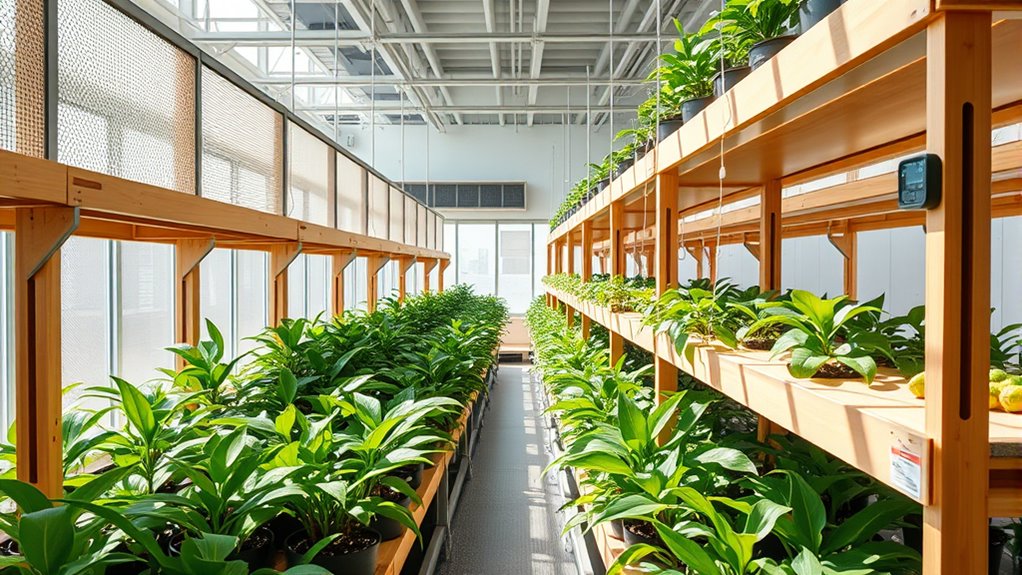

When adding new plants, you should isolate them in a separate area away from your existing collection. Inspect closely for pests, webs, eggs, or disease signs, and treat any issues promptly with gentle solutions like neem oil. Keep tools clean and avoid sharing watering cans. Monitor the plant regularly, extending quarantine until you’re confident it’s pest- and disease-free. To learn how to optimize your quarantine process effectively, consider exploring further tips and techniques.
Key Takeaways
- Isolate new plants in a separate area away from existing collections.
- Conduct thorough inspections for pests, eggs, mold, or disease symptoms.
- Use gentle treatments like insecticidal soap or neem oil if issues are detected.
- Maintain sanitation by cleaning tools and hands before handling the plant.
- Continue monitoring and keep the plant quarantined for several weeks to ensure safety.

Have you ever brought home a new plant only to worry about pests or diseases hitching a ride? It’s a common concern for plant enthusiasts who want to keep their collections healthy and thriving. That’s why quarantine practices are essential. When you introduce a new plant into your space, you must take proactive steps to prevent the spread of potential problems. Proper quarantine not only safeguards your existing plants but also helps you spot issues early, making plant disease prevention and pest identification much easier.
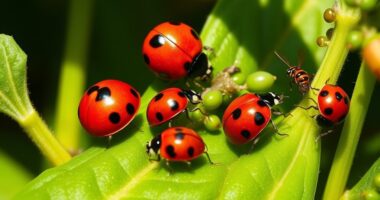
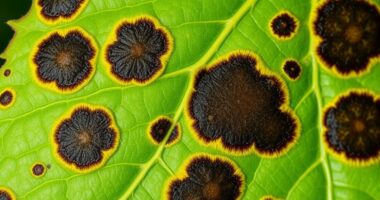
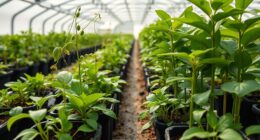
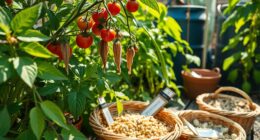
Start by isolating your new plant in a separate area away from your main collection. This gives you a chance to observe it closely without risking contamination. During this period, check the plant thoroughly for any signs of pests, such as webs, eggs, or visible insects, and look for symptoms of diseases like spots, mold, or discoloration. Pest identification is critical here because catching a pest early can prevent a full-blown infestation. Use a magnifying glass if necessary, and don’t forget to inspect the soil and undersides of leaves, which are common hiding spots.
Isolate your new plant, inspect thoroughly for pests and diseases, and check soil and undersides of leaves.
While quarantining, keep the new plant separate from others, and avoid sharing tools or watering cans between plants. If you notice pests or disease signs, act swiftly. Quarantine allows you to treat issues before they spread. For pests, you might use gentle insecticidal soap or neem oil, but always follow product instructions carefully. For diseases, removing affected foliage and improving air circulation can help. If the problem persists, consider consulting a local nursery or plant expert to identify the pest or disease accurately and determine the best treatment.
Monitoring your new plant during quarantine is essential. Regularly inspect for new pests or symptoms and maintain good sanitation. Clean your hands and tools before moving between plants, and avoid placing the new plant near your established collection until you’re confident it’s pest- and disease-free. This process might take a few weeks, but it’s worth the effort. It’s better to be cautious now than to deal with a widespread outbreak later.
Frequently Asked Questions
How Long Should New Plants Remain in Quarantine?
You should keep new plants in quarantine for at least two to four weeks. During this time, perform regular plant inspections, focusing on pest identification, to catch any issues early. This period helps guarantee no pests or diseases spread to your existing plants. Keep a close eye on symptoms like discolored leaves or sticky residues, and isolate any problematic plants until you’re confident they’re pest-free.
What Signs Indicate a Plant Is Unhealthy During Quarantine?
Think of your plant as a patient in a health check-up. If you notice pest detection, like tiny insects or webs, it’s a red flag. Watch for disease symptoms such as discolored leaves, spots, or wilting. These signs indicate your plant isn’t thriving and needs attention. Stay vigilant, as early detection helps you prevent the spread of issues and ensures your plant stays healthy and strong.
Can Quarantine Practices Prevent All Plant Pests and Diseases?
Quarantine practices considerably reduce the risk of spreading plant pests and diseases, but they can’t prevent all issues. By practicing pest identification and disease prevention measures, you catch problems early and reduce their impact. Regular inspections, proper sanitation, and gradual acclimation help detect pests or symptoms quickly. While quarantine is essential, combining it with ongoing vigilance and proper care offers the best defense against the spread of pests and diseases in your plants.
Are There Specific Quarantine Protocols for Certain Plant Species?
Yes, there are species-specific measures you should follow. For example, when quarantining citrus plants, you need to implement pathogen monitoring for citrus greening bacteria. These protocols make certain you address unique vulnerabilities of each plant. By tailoring quarantine procedures to the species, such as using specific disinfection methods or inspection routines, you reduce the risk of introducing pests and diseases effectively.
How Do Quarantine Requirements Differ Globally?
You find that quarantine requirements vary globally due to differing international regulations and plant health standards. In some countries, strict protocols mandate quarantine facilities for new plants, while others have more lenient rules. You must check specific regulations before importing plants, as compliance guarantees disease prevention and safe trade. Always stay updated on international standards to avoid penalties and protect local ecosystems.
Conclusion
So, by following these quarantine practices, you’re practically becoming a superhero for your plants. You’ll stop invasive pests and deadly diseases in their tracks, saving your entire garden from disaster. Think of yourself as the ultimate plant protector—more powerful than any superhero cape! With just a little extra effort, you’ll turn your plant collection into a fortress so impenetrable, even the sneakiest bugs will be left scratching their heads. Your plants will thank you with lush, thriving growth!