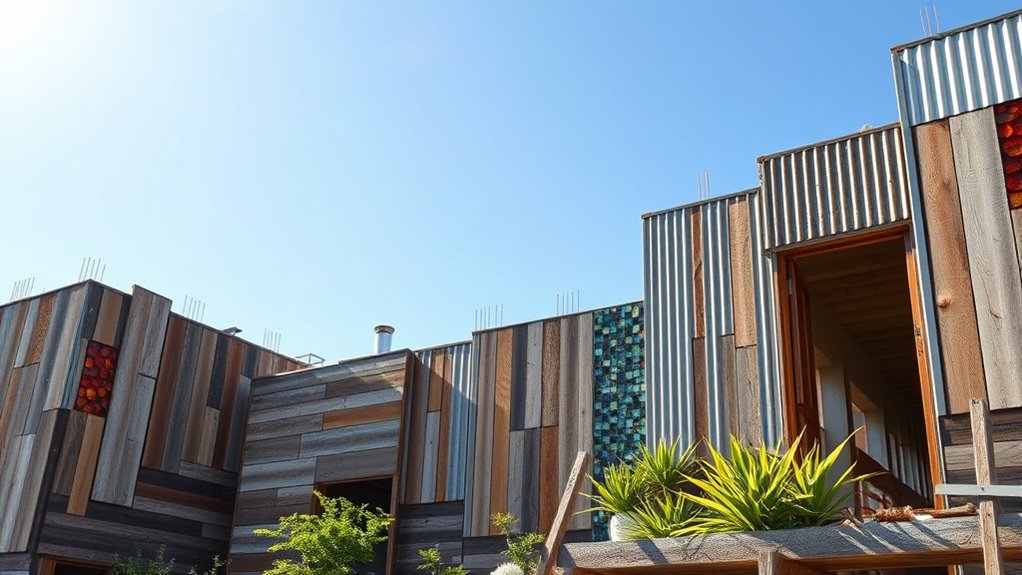

Using reclaimed materials for sustainable construction allows you to decrease environmental impact by conserving resources and preventing waste in landfills. While sourcing can be challenging due to inconsistencies and availability, carefully inspecting each piece guarantees safety and quality. Incorporating these materials adds character and uniqueness to your project. With patience and proper planning, you can create eco-friendly structures that stand out. Keep exploring to discover more strategies for integrating reclaimed elements effectively.

Get garden gear delivered free with Prime
- Fast, free delivery on millions of items
- Prime Video, Amazon Music and more included
- Member-only deals all year
Key Takeaways
- Reclaimed materials reduce environmental impact by conserving resources and minimizing waste in landfills.
- Proper sourcing and inspection ensure reclaimed materials meet safety and durability standards for construction.
- Incorporating reclaimed elements adds character and uniqueness to sustainable building designs.
- Planning and research are essential to navigate sourcing challenges and select suitable reclaimed materials.
- Using reclaimed materials supports eco-friendly construction with a smaller carbon footprint and preserved natural resources.
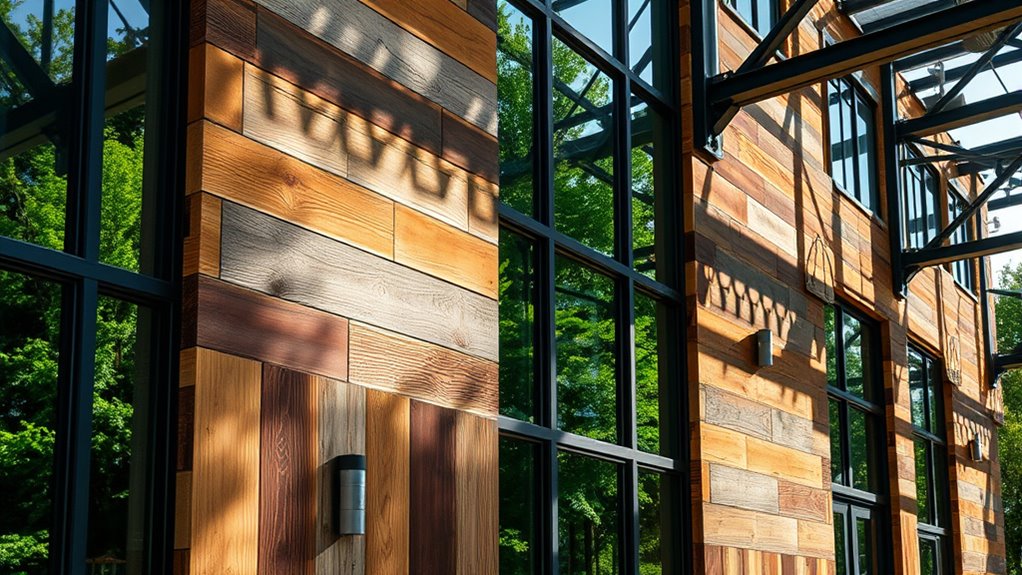
Reclaimed materials are transforming sustainable construction by offering an eco-friendly alternative to traditional building supplies. When you choose to incorporate reclaimed materials into your projects, you’re taking a step toward reducing environmental impact. However, steering through the recycling challenges associated with reclaimed materials can be complex. Unlike new materials, reclaimed options often come with inconsistencies in quality and availability, which can make sourcing them more demanding. You might face difficulties in ensuring the materials meet safety standards or match the specific needs of your project. Additionally, tracking down authentic, high-quality reclaimed materials requires time and effort, as you need to sift through various sources such as salvage yards, demolition sites, or online marketplaces.
Material sourcing is a critical aspect of using reclaimed materials. You need to think about where to find suitable sources and how to verify the integrity of the materials you’re acquiring. Unlike new supplies, which are manufactured to meet standardized specifications, reclaimed materials vary significantly due to their previous use and age. This variability means you must be diligent in inspecting each piece for structural soundness, durability, and safety. Furthermore, sourcing reclaimed materials often involves building relationships with suppliers who specialize in salvage and repurposing. These sources may have limited inventories, leading to constraints on quantities or styles available for your project.
Despite these challenges, the benefits of using reclaimed materials often outweigh the obstacles. They help preserve resources, reduce waste in landfills, and cut down on the environmental footprint associated with manufacturing new products. By carefully sourcing your materials, you can incorporate unique, character-rich elements into your construction that wouldn’t be possible with conventional supplies. It’s essential to plan ahead and allocate extra time for research and procurement. You might need to be flexible with your project timelines or design choices to accommodate the availability of reclaimed materials.
Ultimately, addressing recycling challenges and material sourcing is about balancing sustainability with practicality. Recognize that sourcing reclaimed materials requires effort but offers significant environmental and aesthetic rewards. When you approach this process with patience and thoroughness, you not only contribute to a greener future but also create structures imbued with history and character. By understanding the intricacies of recycling challenges and sourcing strategies, you become better equipped to integrate reclaimed materials seamlessly into your construction projects, making them more sustainable and uniquely yours.
Products Worth Considering

Solo Stove Bonfire 2.0 Smokeless Wood-Burning Fire Pit with Stand, Silver

Traeger Woodridge Pro Wood Pellet Grill and Smoker, 970 sq. in., WiFIRE

AMERLIFE 10 × 44 ft Walk-In Tunnel Greenhouse with Watering System
As an affiliate, we earn on qualifying purchases.
Frequently Asked Questions
How Do Reclaimed Materials Impact Building Insulation?
Reclaimed materials can positively impact building insulation by enhancing thermal resistance, helping keep your space warm in winter and cool in summer. They often have natural insulating properties and can improve moisture control, reducing the risk of mold and dampness. When you incorporate these materials, you’re making your building more energy-efficient and sustainable, all while utilizing resources responsibly and giving new life to what might have been discarded.
Are There Safety Standards for Using Reclaimed Construction Materials?
Did you know that over 80% of reclaimed materials are tested for safety before use? Yes, safety regulations do exist for using reclaimed construction materials. You must guarantee proper material testing and adhere to local building codes to prevent hazards. These standards protect you and future occupants, making sure reclaimed materials are safe, durable, and reliable for your project. Always check with local authorities for specific safety requirements.
Can Reclaimed Materials Be Customized for Modern Architectural Designs?
Yes, you can customize reclaimed materials for modern architectural designs, enhancing design flexibility while maintaining material durability. You can adapt reclaimed wood, metal, or bricks to fit sleek, contemporary styles, adding unique character to your project. By working with skilled craftsmen or using modern treatment techniques, you guarantee these materials meet your aesthetic and structural needs, making your design sustainable without compromising durability or innovation.
What Is the Lifespan Comparison Between Reclaimed and New Materials?
Reclaimed materials generally have a comparable lifespan to new materials, but their durability depends on their type and previous use. You’ll find that with proper maintenance, reclaimed wood and bricks can last for decades, sometimes even longer. However, you might need to invest more in ongoing maintenance to guarantee their durability. Overall, reclaimed materials can be a sustainable choice if you prioritize quality and regular upkeep.
How Do Costs of Reclaimed Materials Compare to Traditional Options?
You’ll find reclaimed materials often offer subtle yet significant cost savings compared to traditional options. Their material pricing tends to be more budget-friendly, especially when considering long-term benefits. While initial costs might seem comparable, the durability and reduced need for new resources can lower overall expenses. Embracing reclaimed materials not only supports sustainability but also helps you manage your project budget more effectively, making it a smart, environmentally conscious choice.
Conclusion
You might think reclaimed materials won’t last or meet modern standards, but they often do just as well—if not better—when properly processed. Embracing these resources reduces waste and minimizes environmental impact without sacrificing quality. By choosing reclaimed, you’re not only building sustainably but also supporting a circular economy. So, don’t let doubts hold you back; your commitment to eco-friendly construction can create lasting, meaningful change for future generations.