
Shoulder-season gear choices matter more than peak-season ones because you face unpredictable weather, demanding versatile clothing that can adapt quickly. Layering helps you stay comfortable whether it’s sunny, rainy, or chilly, preventing overheating or freezing. Waterproof outer layers keep you dry during sudden rainstorms, while lightweight gear avoids unnecessary bulk. By selecting adaptable gear, you stay safe and comfortable no matter what the weather throws your way—continue to discover how to master this vital aspect of outdoor prep.

Get garden gear delivered free — and shop member deals
- Fast, free delivery on millions of items
- Access to Prime Big Deal Days deals on October 6–7
- Prime Video, Amazon Music and more included
Key Takeaways
- Shoulder seasons feature unpredictable weather, requiring adaptable gear to respond to sudden temperature and condition changes.
- Versatile layers prevent overheating or freezing, ensuring comfort during fluctuating temperatures.
- Waterproof, breathable outer layers protect against unexpected rain or wind, crucial in unpredictable shoulder-season weather.
- Multi-purpose, lightweight gear enhances mobility and convenience for varied activities and conditions.
- Proper shoulder-season gear improves safety, reduces discomfort, and maximizes outdoor enjoyment amid weather variability.
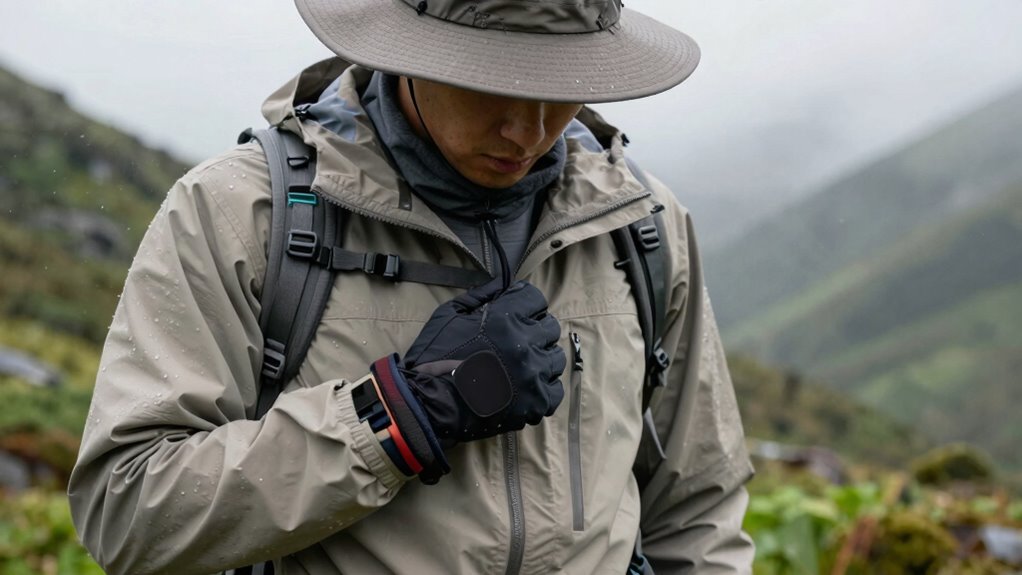
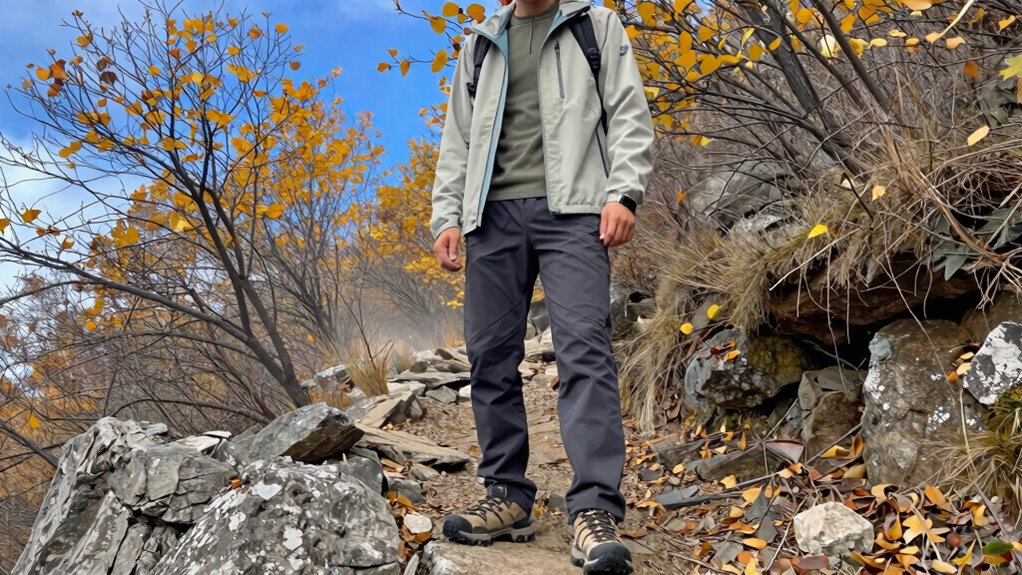
As the seasons change, choosing the right gear becomes essential to stay comfortable and prepared. This is especially true during the shoulder seasons—spring and fall—when weather can shift unexpectedly. Unlike peak season, when conditions tend to be predictable, shoulder seasons demand thoughtful gear choices that adapt quickly. You need versatile layers that can handle sudden temperature drops or warm spells, making winter layering a critical consideration. A good base layer, an insulating mid-layer, and a waterproof outer shell allow you to adjust your clothing easily. When rain starts falling, having rain protection that’s lightweight and easy to pack becomes a game changer. A waterproof jacket or poncho keeps you dry without adding bulk, so you can stay active regardless of the weather.
During shoulder seasons, weather swings are frequent. You might start your day with sunshine but end it under a drizzle or gusty wind. That’s why your gear needs to be flexible. Heavy-duty winter gear isn’t necessary—unless the forecast predicts snow or freezing temperatures—but you still want clothing that offers warmth when needed and breathability when it’s warmer. Layering lets you peel or add clothing as conditions change, preventing you from overheating or freezing. This approach is especially crucial for outdoor activities like hiking or cycling, where comfort can quickly deteriorate if your gear isn’t suited to fluctuating weather. Additionally, layering versatility** allows you to customize your outfit on the go, ensuring comfort and protection in unpredictable conditions. Proper ventilation is also essential to prevent overheating during active pursuits or in milder weather. Incorporating flexible clothing options** can further enhance your adaptability, ensuring you stay comfortable throughout the day.
Rain protection becomes particularly vital in shoulder seasons because rainstorms often come without warning. Investing in waterproof outer layers ensures you’re not caught unprepared. Breathable waterproof jackets allow moisture to escape while keeping rain out, which is essential when you’re exerting yourself. Packable rain gear is also invaluable—you can stow it in your backpack or pocket, ready to deploy when needed. When you combine rain protection with effective winter layering, you’re ready for a variety of conditions, making your outdoor experience more enjoyable and less stressful. Additionally, choosing gear with durable waterproof materials ensures long-lasting protection against the elements, even with frequent use.
In shoulder seasons, you can’t rely solely on gear designed for extreme winter or summer conditions. Instead, you need adaptable, multi-purpose gear that suits unpredictable weather. Your choices should prioritize versatility—layering for warmth, rain protection for sudden downpours, and lightweight packing for convenience. By selecting gear that addresses these needs, you stay comfortable, safe, and prepared no matter what Mother Nature throws your way. This smart approach makes shoulder-season adventures more accessible and enjoyable, proving that the right gear makes all the difference.
waterproof breathable jacket for hiking
As an affiliate, we earn on qualifying purchases.
As an affiliate, we earn on qualifying purchases.
Frequently Asked Questions
How Do Shoulder-Season Conditions Differ From Peak Season?
In shoulder-season conditions, weather variability is higher, so you need flexible layering strategies. Unlike peak season, temperatures can swing from warm to cold quickly, requiring you to adapt your gear. You should prioritize versatile, lightweight layers that can be added or removed easily. This way, you stay comfortable and prepared for sudden changes, making shoulder-season gear choices more important than those for peak season, when weather tends to be more predictable.
What Are the Key Factors Influencing Shoulder-Season Gear Selection?
You’re probably thinking, “It’s just a bit chilly; I’ll wing it,” but shoulder-season gear is no joke. Your key factors are smart layering strategies—think versatile, lightweight pieces—and gear durability, because unpredictable weather tests every seam and fabric. You need gear that adapts quickly and withstands surprises, so you stay comfortable and safe. Skip these essentials, and you’ll regret it when Mother Nature throws her curveballs.
Are There Specific Brands Better Suited for Shoulder-Season Gear?
You’ll find that brands like Patagonia, Arc’teryx, and Columbia are better suited for shoulder-season gear because of their strong reputation for quality and durability. While their prices might be higher, you’re investing in reliable gear that performs well in variable conditions. Consider your budget and the brand’s reputation for weather resistance and versatility, ensuring you get gear that keeps you comfortable during those unpredictable shoulder-season adventures.
How Can I Prevent Gear From Being Over- or Under-Prepared for Shoulder Seasons?
To prevent gear from being over- or under-prepared for shoulder seasons, focus on layering strategies and packing versatility. Pack lightweight, moisture-wicking base layers, a versatile mid-layer, and a weather-resistant outer shell. Adjust your layers based on daily conditions, adding or removing items as needed. This approach guarantees you’re prepared for fluctuating temperatures and unpredictable weather, keeping you comfortable without excess gear. Flexibility is key in shoulder-season adventures.
What Are Common Mistakes to Avoid When Choosing Shoulder-Season Gear?
Avoid common mistakes by not neglecting layering strategies, moisture management, and versatility. Don’t overpack heavy gear that restricts movement, nor underprepare with insufficient insulation or waterproof options. Be mindful of temperature fluctuations and changing weather, choosing adaptable pieces that can be added or removed easily. Steer clear of relying solely on one type of clothing; instead, balance layers to stay comfortable and dry, regardless of unpredictable shoulder-season conditions.
Conclusion
So, next time you hit the trails during shoulder season, remember: your gear choice can make or break your adventure. Think like a seasoned explorer from the days of explorers and pirates—prepared for surprises at every turn. Don’t wait for peak season to realize your gear isn’t up to snuff. Embrace the art of smart packing, and you’ll conquer those shoulder seasons with the confidence of a seasoned adventurer, ready to face whatever comes your way.
Fall yard work Picks
leaf blowers
As an affiliate, we earn on qualifying purchases.