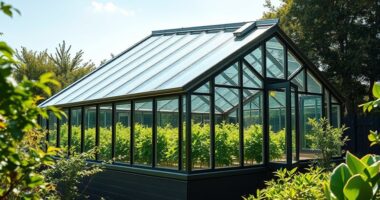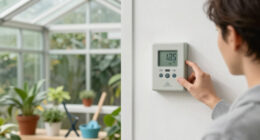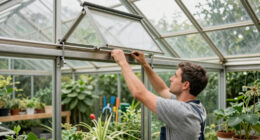
Starting with better priorities in a sustainable greenhouse helps you maximize energy efficiency, reduce costs, and protect the environment. When you focus on renewable materials and natural systems from the beginning, it leads to lower waste, better insulation, and smarter resource use. These choices support long-term productivity and eco-friendly operations. By setting strong priorities early on, you’ll create a greenhouse that’s efficient, sustainable, and easier to maintain—plus, you’ll discover even more benefits as you go along.

Get garden gear delivered free — and shop member deals
- Fast, free delivery on millions of items
- Access to Prime Big Deal Days deals on October 6–7
- Prime Video, Amazon Music and more included
Key Takeaways
- Establishing sustainability priorities guides material choices that enhance energy efficiency and reduce environmental impact.
- Prioritizing renewable resources and passive design elements maximizes natural energy use and minimizes operating costs.
- Early focus on sustainability ensures long-term benefits like cost savings and reduced greenhouse gas emissions.
- Better priorities foster integration of natural systems, supporting resource conservation and eco-friendly operations.
- Setting clear sustainability goals influences all subsequent design and operational decisions for optimal environmental performance.
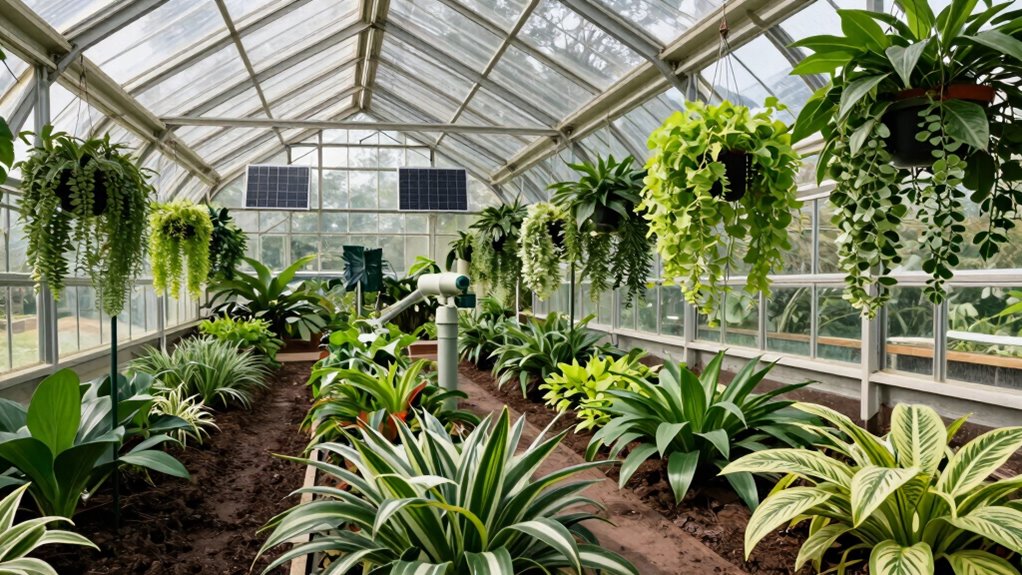
Have you ever wondered how greenhouses can be both productive and eco-friendly? It all begins with setting the right priorities from the start. When you focus on sustainable practices, you’re not just aiming for higher yields—you’re also committed to reducing environmental impact. This involves choosing renewable materials whenever possible. Instead of relying on synthetic materials, you can opt for bamboo, recycled plastics, or other eco-friendly options that regenerate or are reused. These materials help minimize waste and lessen the greenhouse’s carbon footprint, making your greenhouse more sustainable in the long run. Prioritizing environmental stewardship encourages thoughtful decision-making that benefits both your project and the planet.
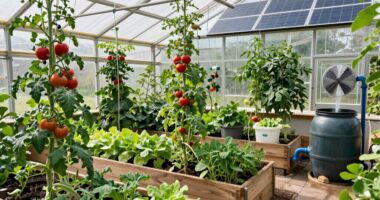
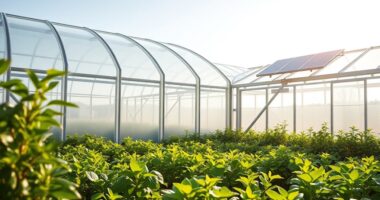
Energy efficiency is another critical priority. Greenhouses are designed to maximize natural light and heat, reducing the need for artificial lighting and heating. You should consider installing smart glazing systems, such as double or triple-pane glass, which trap heat better and prevent heat loss. Incorporating passive solar design elements allows you to harness the sun’s energy efficiently, lowering energy consumption. Renewable energy sources like solar panels or wind turbines can further power your operations without relying heavily on fossil fuels. When you prioritize energy efficiency, you cut costs and lower greenhouse gas emissions, aligning your project with eco-friendly goals. Additionally, integrating energy-saving technologies enhances your sustainability efforts and optimizes resource use. Exploring climate-responsive design strategies can further improve your greenhouse’s efficiency by adapting to local weather patterns.
Starting with these priorities influences every other decision you make during the design and operation of your greenhouse. For example, choosing renewable materials impacts insulation, framing, and even interior fixtures. It encourages you to think creatively about how to integrate natural systems into your design, such as rainwater harvesting or composting, which complement your sustainability efforts. Moreover, considering resource conservation can help you develop strategies to reduce water and energy use, making your greenhouse even more sustainable. Incorporating water management techniques like drip irrigation and greywater recycling can significantly reduce water waste. Meanwhile, focusing on energy efficiency means you’ll likely invest in better ventilation systems, automated shading, and temperature controls that optimize conditions with minimal energy input. These choices not only save money over time but also demonstrate a commitment to environmental stewardship.
sustainable greenhouse materials
As an affiliate, we earn on qualifying purchases.
As an affiliate, we earn on qualifying purchases.
Frequently Asked Questions
How Do Greenhouses Impact Local Ecosystems?
Greenhouses impact local ecosystems by supporting biodiversity preservation and maintaining ecosystem balance. When you implement sustainable practices, you reduce chemical runoff and habitat disruption, helping native species thrive. Greenhouses can also serve as controlled environments that minimize invasive species spread. By prioritizing eco-friendly methods, you guarantee that your greenhouse promotes a healthy, balanced ecosystem, benefiting both local flora and fauna while providing fresh produce efficiently.
What Initial Costs Are Involved in Building Sustainable Greenhouses?
Imagine laying a solid foundation for a thriving garden—initial costs and building expenses set the stage for success. When constructing sustainable greenhouses, your initial costs include purchasing eco-friendly materials, energy-efficient systems, and durable framing. These building expenses might seem steep upfront, but they pay off through long-term savings and environmental benefits. You invest now to guarantee a resilient, eco-conscious greenhouse that supports sustainable growth for years to come.
Are Sustainable Greenhouses Suitable for All Climates?
Sustainable greenhouses can be suitable for most climates, but climate adaptation is key. You’ll need to incorporate energy-efficient designs, like proper insulation or passive solar heating, to optimize performance in colder or hotter environments. In milder climates, less modification is necessary. By focusing on energy efficiency and climate adaptation, you guarantee your greenhouse operates sustainably year-round, making it a viable option regardless of local weather conditions.
How Long Does It Take to See a Return on Investment?
You can typically see a return on investment within 3 to 7 years, depending on your financial planning and the efficiency of your technology integration. Early cost savings from energy-efficient systems and sustainable practices accelerate this timeline. To maximize profits, focus on optimizing technology, reducing operational costs, and aligning your greenhouse goals with market demands. Regularly reassess your strategies to guarantee you’re on track for a worthwhile and sustainable return.
Can Sustainable Greenhouses Operate Off-Grid?
In a flash, yes—you can run a sustainable greenhouse off-grid. By integrating renewable energy sources like solar, wind, or biogas, you enable off-grid systems that power your operations sustainably. These greenhouses utilize energy-efficient technologies, rainwater harvesting, and composting, reducing reliance on external power. With careful planning, your greenhouse can operate independently, lowering costs and boosting eco-friendliness, all while maintaining ideal growing conditions without connection to the grid.
Conclusion
So, don’t let worries about initial costs hold you back. Starting with better priorities in your sustainable greenhouse isn’t just about saving the planet—it’s about creating a resilient, efficient space that saves you money in the long run. Yes, it takes effort upfront, but the long-term benefits, like healthier plants and lower energy bills, make it totally worth it. Your greener future begins with smart choices today—no fancy tricks needed.
Fall yard work Picks
leaf blowers
As an affiliate, we earn on qualifying purchases.