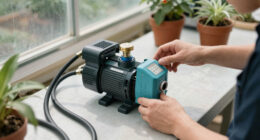
Setting up a reliable monitoring system helps make your small greenhouse more predictable by providing real-time data on temperature, humidity, and light levels. With sensors connected to an automated control system, you can adjust lighting, watering, and climate conditions automatically, reducing guesswork. This setup prevents environmental stresses and keeps conditions steady, leading to healthier plants and better yields. Keep exploring to discover how to optimize your greenhouse environment even further.
Listen free for 30 days with Audible
Thousands of audiobooks and originals — cancel anytime.
As an affiliate, we earn on qualifying purchases.
Key Takeaways
- Implement real-time environmental sensors to monitor temperature, humidity, and light levels continuously.
- Automate lighting and watering systems based on sensor data to maintain consistent conditions.
- Use centralized data management for quick adjustments and proactive environmental control.
- Integrate automated alerts for environmental fluctuations to prevent stress on plants.
- Regularly review collected data to optimize settings and enhance predictability in greenhouse conditions.

Managing a small greenhouse can feel unpredictable, especially when you’re unsure about temperature fluctuations or humidity levels. Without a clear view of your environment, it’s easy to feel overwhelmed by the constant adjustments needed to keep your plants healthy. That’s where setting up a dependable monitor system can make a real difference. With the right tools, you can gain real-time insights into your greenhouse’s conditions, making your management more precise and less stressful.
A reliable monitor system simplifies greenhouse management by providing real-time data and reducing guesswork.
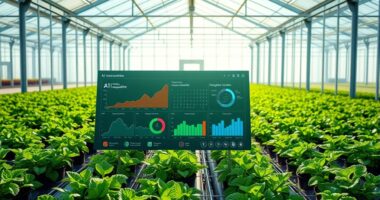
A good monitor setup begins with sensors that track key environmental factors like temperature, humidity, and light levels. These sensors feed data into a central system, giving you a clear picture of what’s happening inside your greenhouse at any given moment. By monitoring temperature fluctuations closely, you can adjust heating or cooling systems proactively, avoiding sudden shocks that can stress or damage your plants. Humidity sensors help you maintain ideal moisture levels, preventing issues like mold or dehydration. When you see real-time data, you can respond faster and more accurately, rather than relying on guesswork.
Lighting control is a vital component of maintaining a stable environment. With smart lighting systems connected to your monitor, you can automate adjustments based on the time of day or light levels outside. If natural sunlight is insufficient, your system can increase artificial lighting to make sure your plants get the right amount of light. Conversely, if it’s too bright, the system can dim or turn off lights to prevent overheating or stress. This automation minimizes manual intervention, ensuring your plants receive consistent, suitable lighting conditions, which directly impacts growth and health. Incorporating environmental data analysis can help you fine-tune your lighting setup more effectively. Additionally, understanding climate control principles allows you to better optimize your greenhouse environment for your specific plant needs.
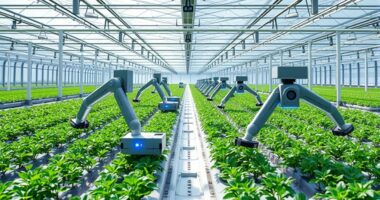
Watering schedules are equally important and can be precisely managed through your monitor setup. By integrating soil moisture sensors, you gain insight into when plants need watering, avoiding both overwatering and underwatering. Automated watering systems linked to these sensors can deliver water exactly when needed, saving you time and reducing waste. This targeted approach keeps your plants healthy and conserves resources, especially during dry spells or hot weather when watering needs fluctuate. Implementing remote monitoring allows you to oversee your greenhouse conditions from anywhere, providing even greater control and peace of mind. Additionally, understanding environmental conditions helps you optimize your greenhouse design and management practices for better plant health. Furthermore, staying informed about environmental data can help you anticipate changes and prepare accordingly, enhancing overall productivity.
All these elements—lighting control, watering schedules, and environmental monitoring—work together to create a more predictable and stable greenhouse environment. Instead of reacting to problems after they happen, you can anticipate and prevent issues, ensuring your plants thrive. A well-designed monitor setup doesn’t just provide data; it empowers you to make smarter decisions, ultimately transforming your small greenhouse into a more manageable and productive space.
small greenhouse environmental sensor kit
As an affiliate, we earn on qualifying purchases.
As an affiliate, we earn on qualifying purchases.
Frequently Asked Questions
How Much Does the Monitor Setup Cost?
The monitor setup typically costs between $200 and $500, depending on the features you choose. For effective budget planning, consider a cost analysis that includes sensors, display units, and any subscription fees. You can start with basic models for around $200 and upgrade over time. This investment helps you better manage your greenhouse environment, ensuring plants thrive and reducing costly errors.
Is This Setup Suitable for All Greenhouse Sizes?
This monitor setup is versatile enough for various greenhouse sizes, offering excellent scalability as your needs grow. Its monitoring flexibility allows you to customize settings and expand sensors, making it suitable for both small and larger greenhouses. You can easily adapt the system to fit your space, ensuring consistent environmental control. Whether you’re managing a tiny setup or a more extensive operation, this setup provides the scalability and flexibility you need.
What Skills Are Needed to Install the Monitor System?
Imagine the satisfaction of seeing your greenhouse thrive, knowing your monitor system is perfectly calibrated. You’ll need basic technical skills, like understanding monitor calibration and troubleshooting techniques. Comfort with electrical components and digital interfaces helps, but you don’t need to be an expert. With patience and a step-by-step approach, you can confidently install and maintain the setup, ensuring your plants stay healthy and your greenhouse feels more predictable each day.
How Often Should the System Be Maintained?
You should maintain your system once a month to guarantee accuracy. During maintenance, calibrate sensors to keep data reliable and perform regular data analysis to spot any inconsistencies or issues. Check connections and clean sensors to prevent dirt buildup. Consistent calibration and analysis help you catch problems early, keeping your greenhouse environment stable and predictable. Staying on top of these tasks ensures your monitor system continues to serve you effectively.
Can the System Be Integrated With Existing Greenhouse Tools?
Yes, your system can be integrated with existing greenhouse tools through automation integration. It’s designed for tool compatibility, allowing seamless connection with your current irrigation, climate control, and lighting systems. You’ll find it easy to set up and manage alongside your existing equipment. This integration enables you to automate tasks smoothly, improving efficiency and predictability without needing to replace your current tools entirely.
Conclusion
With this monitor setup, you’re like a lighthouse guiding your small greenhouse through unpredictable weather. As the beacon of stability, it keeps your environment steady and predictable, much like a steady hand on the wheel during a storm. By trusting this system, you create your own calm harbor amid nature’s chaos. Now, every plant thrives under your watchful eye, and your greenhouse becomes a haven of consistency, just like a lighthouse standing tall against the night.
Flea & tick season Picks
flea and tick prevention
As an affiliate, we earn on qualifying purchases.