TL;DR
Garden greenhouse kits have evolved with durable materials, modular designs, and smart features. Choosing the right kit depends on your space, budget, and gardening goals, ensuring year-round growth.
Imagine stepping into a lush, sunlit oasis right in your backyard, where vibrant vegetables, exotic herbs, and delicate flowers thrive. Greenhouse kits make this dream possible, offering an easy way to extend your growing season or start plants early. But with so many options out there, how do you pick the right one? This guide cuts through the confusion, highlighting what matters most when choosing a garden greenhouse kit. Whether you want a compact unit for your patio or a spacious walk-in structure, I’ll help you understand recent innovations and how to select a setup that fits your space, budget, and gardening ambitions.
Choose a greenhouse size and type based on your available space and gardening goals.
Recent innovations like impact-resistant polycarbonate panels and smart sensors boost durability and ease of use.
Budget wisely, considering long-term durability and maintenance costs to get the best value.
Prioritize features like ventilation, material quality, and ease of assembly when selecting a kit.
Regular maintenance keeps your greenhouse and plants healthy for years to come.
What Types of Garden Greenhouse Kits Suit Your Space and Goals?
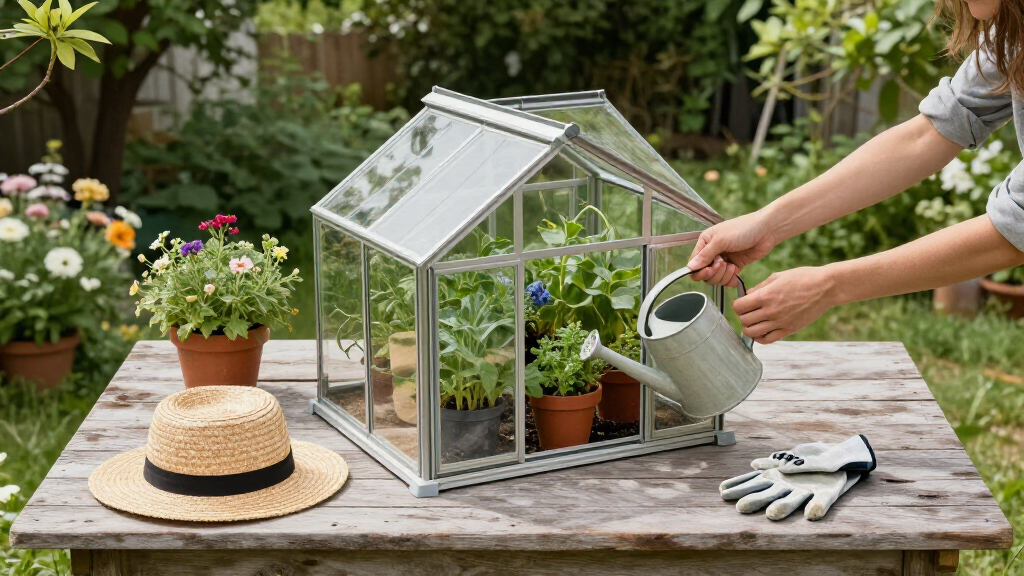
Greenhouse kits come in various shapes and sizes, each designed for different needs. If you’re short on space or want something portable, small, lightweight greenhouses are perfect. Think of a clear polycarbonate box that sits on your patio — easy to assemble and move around. For serious gardeners craving more room, walk-in greenhouses offer spacious interiors with room for trays, shelves, and even standing workbenches. The choice hinges on your goals: quick seedlings or year-round vegetable production.
Here’s a quick rundown:
| Type of Greenhouse | Best for | Features |
|---|---|---|
| Portable/Small | Patios, balconies, small gardens | Lightweight, easy setup, usually made of plastic or thin metal |
| Walk-In | Dedicated gardening spaces, serious growers | Spacious, sturdy frame, larger covering materials, ventilation options |
| Modular | Growers wanting to expand or customize | Expandable panels, flexible layouts, compatible with add-ons |
Understanding these differences is crucial because each type offers distinct tradeoffs. Portable greenhouses are quick to set up and affordable but often have limited space and durability. Walk-in structures provide ample room for diverse plants but require a larger initial investment and more space. Modular options offer flexibility for future expansion, making them ideal if you anticipate your gardening needs will grow. Matching your goals with the right type ensures you get a setup that’s not only functional but also sustainable and cost-effective over time.
For example, I saw a gardener in Brooklyn turn a compact polycarbonate kit into a mini oasis on her balcony, which gave her fresh herbs year-round without the need for a larger investment. Meanwhile, a local farm expanded their setup over five years, starting with a small modular kit that grew into a full-fledged production greenhouse, illustrating how choosing the right type can adapt to changing needs.
garden greenhouse kit polycarbonate panels
As an affiliate, we earn on qualifying purchases.
As an affiliate, we earn on qualifying purchases.
How Recent Innovations Make Greenhouse Kits Easier and Smarter to Use
Recent advancements in greenhouse technology are not just about durability—they fundamentally change how effectively you can grow and manage your plants. For example, impact-resistant advanced polycarbonate panels significantly reduce the risk of breakage, which is crucial if you live in an area with harsh weather or frequent storms. Their superior insulation helps maintain stable temperatures, reducing heating costs and creating a more controlled environment. This stability directly translates into healthier plants and higher yields, especially during unpredictable weather fluctuations.
Moreover, understanding these innovations helps gardeners make smarter choices. For instance, impact-resistant panels might cost a bit more upfront but can save money over time by reducing replacement expenses and energy bills. Similarly, smart technology features like automatic vents and sensors can be a game-changer, but they also add complexity and initial costs. Weighing these tradeoffs is essential to determine whether the convenience and efficiency justify the investment for your specific gardening situation.
By integrating these advanced features, your greenhouse becomes more resilient to weather extremes, reduces manual labor, and enhances plant health. This means fewer setbacks, less troubleshooting, and more consistent harvests. Recognizing the long-term benefits of these innovations helps you select a greenhouse kit that not only meets your immediate needs but also adapts to future challenges, ensuring your gardening success for years to come.
Frequently Asked Questions
How much space do I need for a greenhouse kit?
It depends on the size of the plants you want to grow and your available area. Small kits can fit on patios or balconies, while larger walk-in greenhouses require more room. Always measure carefully before buying.Are greenhouse kits easy to assemble myself?
Most kits are designed for DIY assembly, with features like snap-together frames and detailed instructions. Reading reviews and watching online tutorials can make setup even smoother.What materials are best for durability and insulation?
Polycarbonate panels are highly recommended for impact resistance and insulation. Aluminum frames are lightweight and rust-resistant, making them a popular choice for longevity.How much does a typical greenhouse kit cost?
Basic small kits start around $200, while larger, feature-rich greenhouses can exceed $5000. Your budget should match your space and desired features.Can I expand or customize my greenhouse later?
Yes, many modular kits allow for expansion and customization. You can add sections or upgrade components as your gardening needs grow.Conclusion
Your perfect greenhouse is out there — it just takes a little planning. Think about your space, budget, and what you want to grow, then pick a kit that matches those needs. With recent tech and smarter materials, greenhouse gardening is easier, safer, and more productive than ever.
Imagine your plants thriving under a clear polycarbonate canopy, protected from the elements, all while you relax knowing your setup is built to last. The right greenhouse kit transforms your outdoor space into a year-round garden. So, get started now — your green thumb will thank you.