To add a heater and fan in your small greenhouse effectively, choose energy-efficient units with adjustable settings that match your space. Position the heater near the center away from delicate plants and place fans higher up, aiming downward for good air circulation. Regularly maintain and inspect your equipment, ensuring safe electrical connections. Proper placement and consistent adjustments help distribute heat evenly and keep airflow balanced. Keep exploring to discover more tips on creating a safe, healthy environment.

Get garden gear delivered free with Prime
- Fast, free delivery on millions of items
- Prime Video, Amazon Music and more included
- Member-only deals all year
Key Takeaways
- Choose energy-efficient, adjustable heaters and appropriately rated fans compatible with your greenhouse’s size and power supply.
- Position heaters centrally away from delicate plants for even heat distribution, and place fans at higher points to promote effective airflow.
- Install electrical connections with proper insulation, grounding, and safety certifications to prevent hazards.
- Use thermostats and timers to control heater and fan operation, optimizing climate regulation and energy efficiency.
- Regularly inspect and maintain equipment, checking for damage, proper function, and balanced airflow for safe, consistent heating and ventilation.
energy-efficient greenhouse heater
As an affiliate, we earn on qualifying purchases.
As an affiliate, we earn on qualifying purchases.
How to Choose the Best Heater and Fan for Your Small Greenhouse
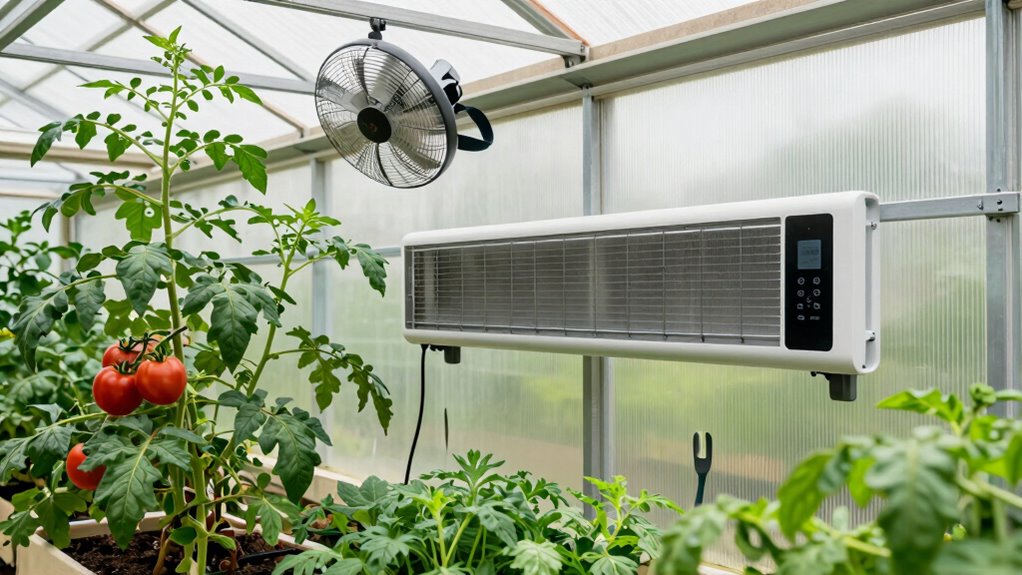
Choosing the right heater and fan is vital for maintaining ideal conditions in your small greenhouse. You want equipment that offers energy efficiency to keep operating costs low and reduce environmental impact. Look for heaters with adjustable thermostats to control temperature precisely, preventing overheating or cold spots. When selecting a fan, prioritize models with good airflow capacity suited for your greenhouse size. Equipment compatibility is essential—ensure your heater and fan can work together without overloading electrical circuits or causing safety issues. Check the wattage ratings and voltage requirements to match your power supply. Opting for energy-efficient, compatible equipment means you’ll maintain a stable environment for your plants while keeping energy consumption in check. Ensuring proper ventilation is also crucial for healthy plant growth and humidity control. This careful selection sets the foundation for a successful greenhouse setup, especially when considering the importance of electrical safety to prevent hazards.
Where Should You Place Your Greenhouse Heater and Fan?
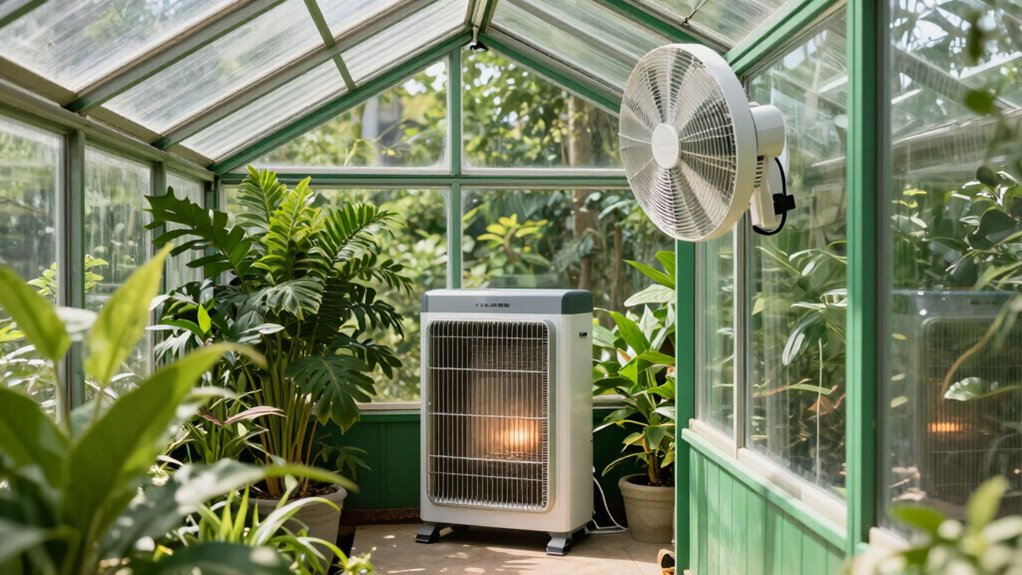
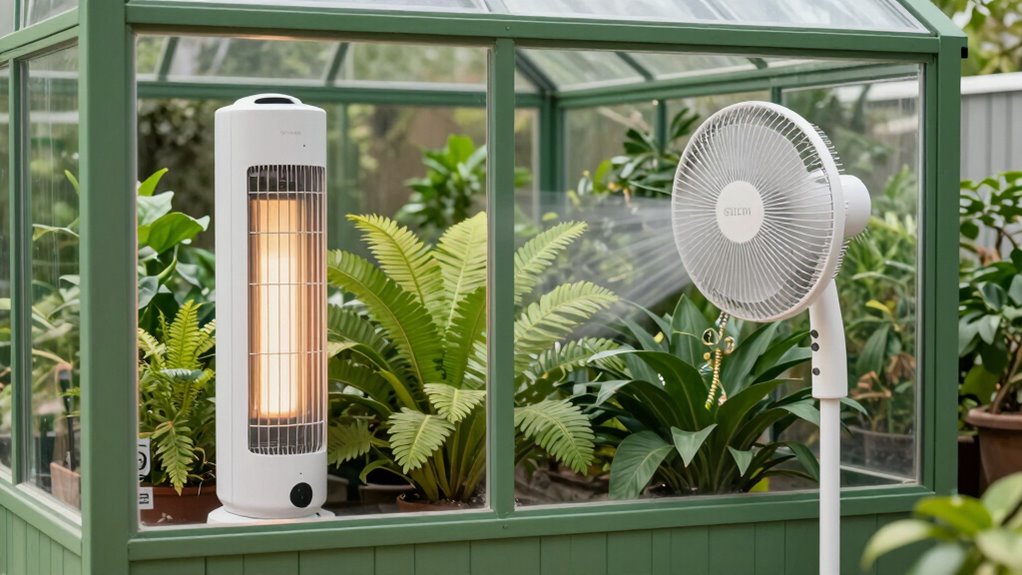
Proper placement of your heater and fan can make a significant difference in maintaining a stable environment inside your greenhouse. Position the heater near the center but away from delicate plants to guarantee even heat distribution without causing hot spots. Place the fan at a higher point, aiming downward to circulate air effectively across all plant placement zones. This helps prevent temperature stratification and promotes consistent airflow. Consider your watering schedules; avoid placing your heater near areas with frequent watering to prevent excess moisture buildup. Keep the fan where it won’t disrupt water-sensitive plants. Regularly monitor temperatures and adjust placement as needed to optimize comfort. Thoughtful positioning ensures your plants receive uniform warmth and airflow, supporting healthy growth. Additionally, understanding greenhouse environment control can help you fine-tune your setup for optimal plant health, especially by managing climate regulation effectively. Being aware of air circulation strategies can also improve overall climate stability within your greenhouse.
How Can You Ensure Even Heating and Proper Airflow?
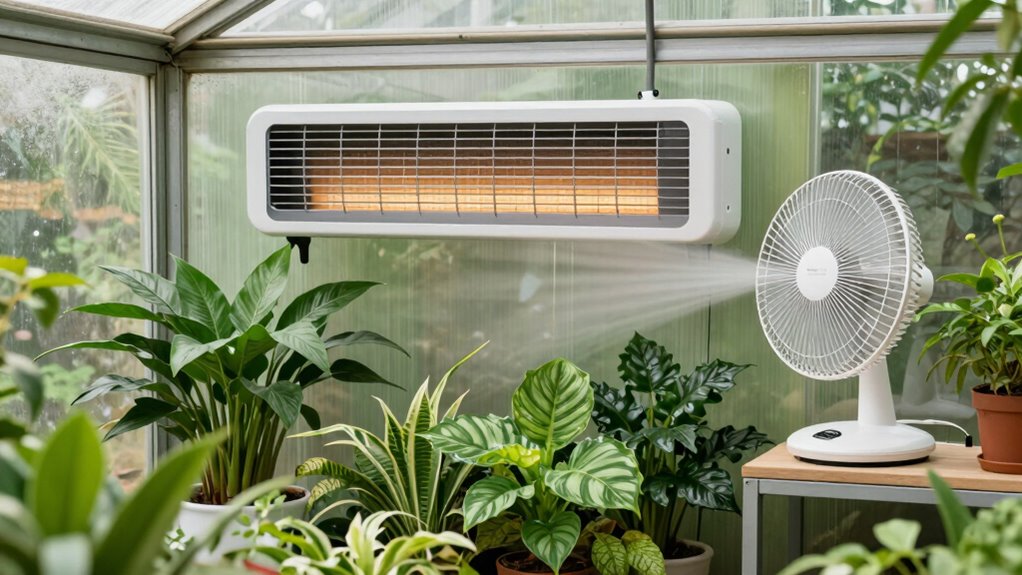
To guarantee even heating and proper airflow, you should position your heater and fan strategically around the greenhouse to avoid hot or cold spots. Using ventilation techniques like vents or exhaust fans helps circulate air efficiently and maintains consistent temperatures. Regularly adjusting these devices based on temperature readings will keep your plants healthy and thriving. Incorporating regional flavors and understanding their heat and airflow requirements can further optimize your greenhouse environment.
Strategically Position Heating Devices
Have you ever noticed uneven plant growth or cold spots in your greenhouse? Proper placement of your heating devices is key to achieving even heating. Position heaters to promote thermal zoning, ensuring warmth reaches all areas without creating hot spots. Place them near the center or along walls that face open space to help distribute heat evenly. Avoid placing heaters directly next to plants to prevent localized overheating. Additionally, strategic placement supports humidity control by reducing moisture buildup in certain zones. Consider using multiple smaller heaters rather than a single large one, spreading warmth more uniformly. This setup encourages consistent temperatures and airflow, reducing cold spots and promoting healthy plant growth throughout your greenhouse. Proper positioning is essential for a balanced, efficiently heated environment.
Use Ventilation Techniques
Ensuring even heating in your greenhouse requires effective ventilation techniques that promote consistent airflow. You should focus on creating proper airflow patterns to distribute heat evenly and prevent hot or cold spots. Use exhaust fans and passive vents to facilitate air exchange, reducing humidity levels that can cause mold or plant diseases. Proper airflow also helps control humidity, which is essential for healthy plant growth. Position vents and fans strategically to encourage air movement throughout the space, avoiding stagnation. Regularly monitor temperature and humidity levels to adjust your ventilation setup as needed. By maintaining balanced airflow patterns and humidity control, you’ll create a stable environment that supports your plants and maximizes heating efficiency.
How to Set Up Your Fan for Optimal Circulation and Ventilation
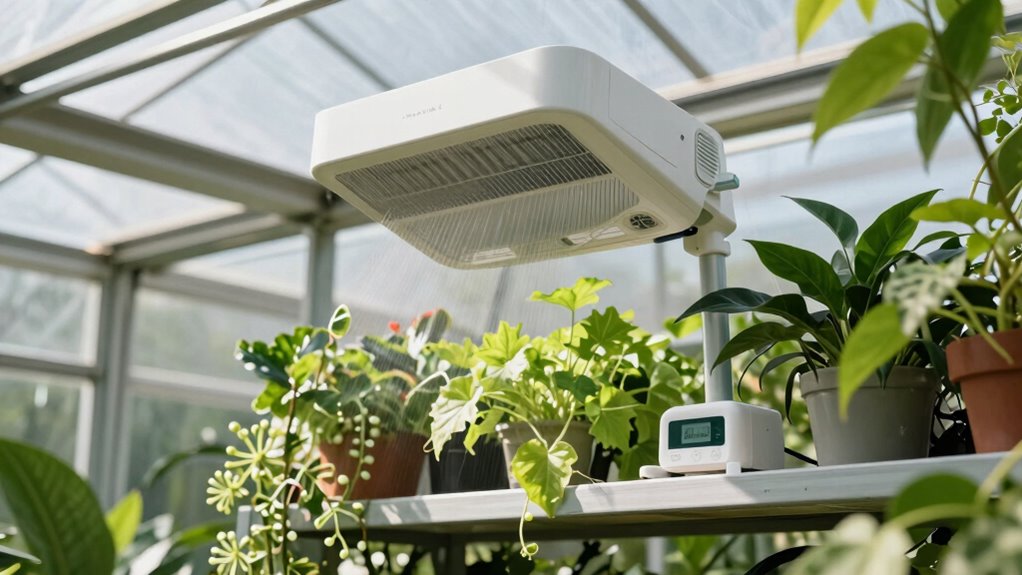
Setting up your fan correctly is essential for maintaining healthy airflow in your greenhouse. Proper circulation ensures consistent humidity control, preventing mold and plant stress. To optimize ventilation and energy efficiency, position your fan to promote even air movement without creating drafts. Use a thermostat or timer to control when the fan runs, saving energy and avoiding unnecessary wear. A well-designed setup can also help enhance airflow patterns, ensuring that all areas of your greenhouse receive adequate ventilation.
Additionally, incorporating proper airflow techniques can significantly improve overall climate regulation within your greenhouse, promoting healthier plant growth. Consider these tips:
- Place the fan at a height that maximizes airflow across your plants and minimizes stagnant spots
- Use oscillating fans to cover larger areas and improve circulation
- Regularly check and adjust settings to balance humidity and temperature levels
- Incorporate eco-friendly disposal methods for any replaced equipment to reduce environmental impact
Implementing these climate control strategies can lead to a more sustainable environment for your plants, ultimately boosting their health and productivity. This setup encourages a healthier environment, keeps plants thriving, and reduces energy waste, making your greenhouse more sustainable and productive.
What Safety Tips Should You Follow When Installing and Operating Your Equipment?

When installing and operating your greenhouse equipment, safety should always come first. Prioritize electrical safety by ensuring all connections are properly insulated and grounded. Avoid overloading circuits and use weatherproof outlets. Keep emergency preparedness in mind: have fire extinguishers nearby and know how to shut off power quickly. Use the following table to visualize key safety measures:
| Safety Tip | Description |
|---|---|
| Electrical safety | Verify wiring, avoid water contact, and use certified equipment |
| Emergency preparedness | Keep fire extinguishers accessible and have an emergency plan |
| Safe operation | Regularly inspect equipment for damage and follow manufacturer instructions |
Following these tips helps prevent accidents and keeps your greenhouse safe. Additionally, understanding proper electrical wiring practices can significantly reduce the risk of hazards during installation and operation. It’s also important to be aware of indoor air quality factors, such as dust and humidity, which can impact safety and equipment functioning. Maintaining good ventilation can help prevent issues related to poor air quality and ensure a safer environment inside your greenhouse. Recognizing the importance of safe handling of electrical components further reduces the risk of accidents during setup and maintenance. Incorporating essential oils with antimicrobial properties may also contribute to a healthier indoor environment by reducing microbial growth.
How to Maintain and Troubleshoot Your Greenhouse Heating System
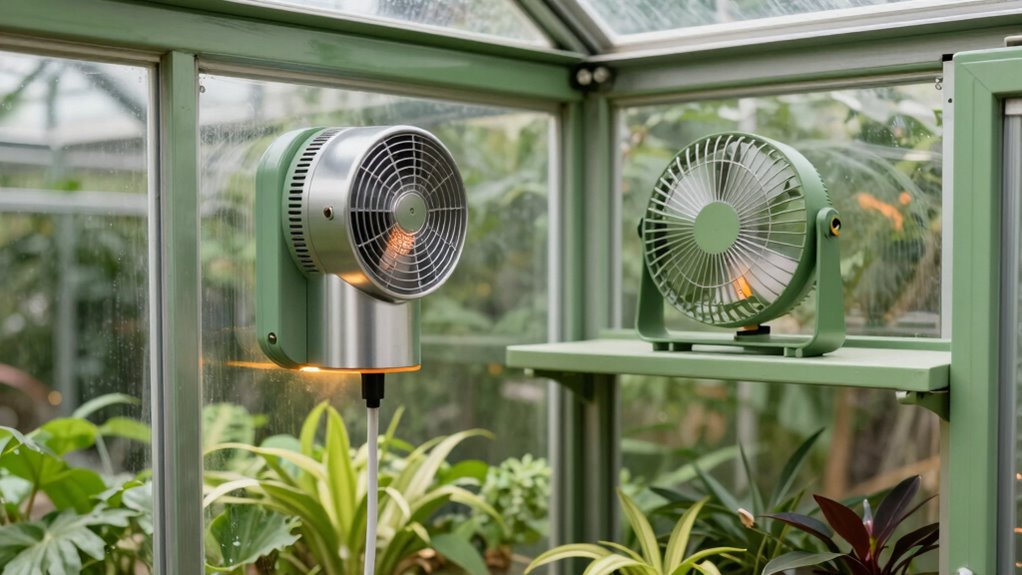
Regular maintenance and prompt troubleshooting are essential to keep your greenhouse heating system running efficiently and reliably. When your system functions properly, it promotes healthy plant growth and helps prevent pest infestations by maintaining ideal temperatures. To troubleshoot, regularly check thermostats, wiring, and vents for issues, and listen for unusual noises. Keep an eye on humidity levels, as improper settings can hinder plant growth or encourage pests. Incorporating sound vibrations can also support the health of your plants by promoting cellular regeneration and overall vitality. Additionally, choosing high-quality garden tools and equipment can make maintenance tasks easier and more effective. Regularly inspecting the engineering components of your heating system ensures that all parts are functioning correctly and reduces the risk of unexpected failures. Understanding system setup and mechanics involved can greatly improve the longevity and performance of your greenhouse heater. Proper knowledge of symbolic meanings can also inspire innovative design elements that enhance environmental control.
Common Problems and Solutions for Greenhouse Heaters and Fans
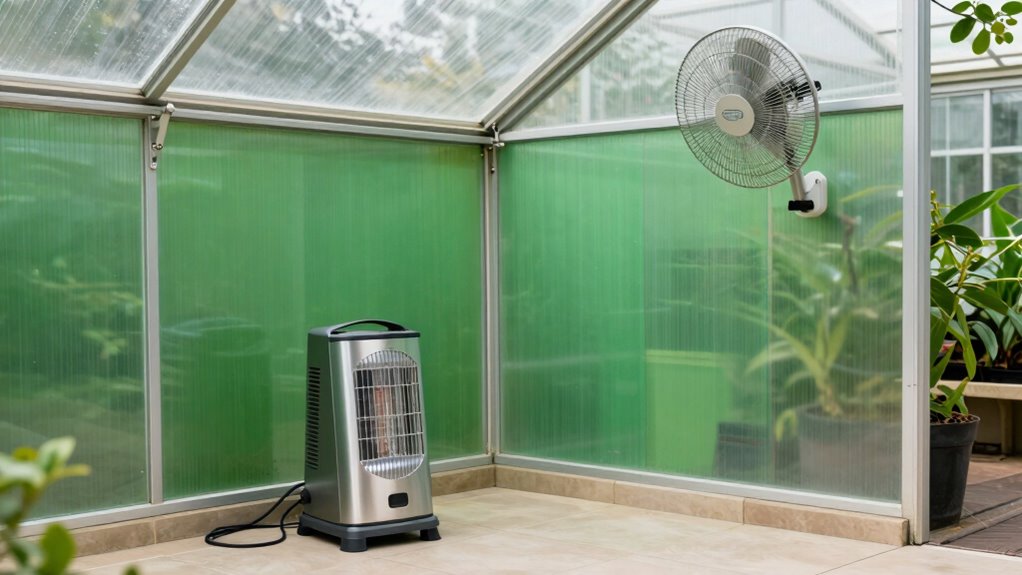
Even with proper maintenance, issues can still arise with your greenhouse heaters and fans that disrupt their performance. Common problems include inconsistent temperature regulation, where heaters fail to warm the space evenly, or fans don’t circulate air effectively. Humidity control can also suffer if fans aren’t working properly, leading to excess moisture or dry conditions that stress plants. To fix these issues, check thermostats and sensors for accuracy, ensuring they’re properly calibrated. Replace malfunctioning fans or heaters, and verify that vents and air pathways are unobstructed. Regularly monitor your system’s performance to catch problems early. Properly functioning heaters and fans are essential for maintaining a stable environment, preventing temperature swings, and keeping humidity levels balanced for healthy plant growth. Effective climate management is crucial for overall greenhouse health and productivity, and adopting a methodical approach to troubleshooting can help identify issues systematically. Additionally, ensuring your ventilation system is well-maintained can significantly improve air circulation and climate stability.
Frequently Asked Questions
How Do I Choose the Right Size Heater and Fan for My Greenhouse?
To choose the right size heater and fan, first calculate your greenhouse’s square footage and target temperature. Place the thermostat away from drafts and direct sunlight for accurate readings. Consider heater insulation; well-insulated greenhouses need smaller units. For fans, opt for ones that can circulate air efficiently across the space. Proper sizing guarantees effective temperature control, energy efficiency, and healthy plant growth.
Can I Use a Combined Heater and Fan Unit?
Yes, you can use a combined heater and fan unit in your greenhouse. Interestingly, proper plant humidity levels, which this combo helps regulate, can reduce pest problems by creating less favorable conditions for pests. A combined unit simplifies setup, saves space, and guarantees consistent temperature and humidity control. Just make sure it’s appropriately sized for your greenhouse, so you maintain ideal conditions for healthy plant growth and effective pest control.
What Power Sources Are Safest for Greenhouse Equipment?
You should prioritize safe power sources like solar panels combined with a battery backup, which provide reliable, eco-friendly energy for your greenhouse equipment. Avoid using extension cords or overloaded circuits to prevent fire hazards. Solar power systems reduce electrical risks, and a battery backup guarantees continuous operation during cloudy days or outages. Always follow manufacturer instructions and consult a professional to guarantee your setup is safe and efficient.
How Often Should I Inspect My Heating and Ventilation Systems?
Ask yourself: how often should I guarantee my greenhouse stays safe? You should conduct seasonal inspections of your heating and ventilation systems, ideally before each major growing season. Follow safety protocols diligently, checking for wear, damage, and proper operation. Regular inspections help prevent malfunctions, guarantee safety, and keep your plants thriving. Don’t wait for a problem—make it a routine to inspect your systems at least quarterly for peace of mind.
Are There Eco-Friendly Options for Greenhouse Heating and Cooling?
Yes, you can choose eco-friendly options like solar power for heating and cooling your greenhouse, reducing energy costs and environmental impact. Water-based systems, such as radiant floor heating or evaporative cooling, are also sustainable choices that use less energy and water efficiently. By integrating solar panels or water-based solutions, you guarantee a greener environment while maintaining ideal temperature control for your plants.
Conclusion
Just like a skilled conductor balances each instrument in an orchestra, properly installing your heater and fan guarantees your greenhouse harmonizes warmth and airflow. By choosing the right equipment, placing it thoughtfully, and maintaining safety, you’ll create an environment where your plants thrive. Remember, neglecting these details can turn your greenhouse into a symphony of chaos rather than harmony. With care and attention, you’ll master the art of greenhouse comfort, echoing the wisdom of a seasoned gardener’s timeless patience.
Halloween Picks
halloween
As an affiliate, we earn on qualifying purchases.