
This guide will help you install shelving organizers inside your greenhouse, making it easier to manage plants and maximize space. Suitable for gardeners with basic DIY skills, it covers selecting the right shelves, preparing the area, and securely mounting the units. Follow these steps carefully to achieve a sturdy, functional setup that lasts.

Ohuhu 4-Tier Greenhouse Shelves 2 Pack, Extra-Wide Stable Greenhouse Shelving for Outdoor, 35x12x42 Inches
- ✔ Number of Shelves: 4
- ✔ Dimensions: 35 x 12 x 42 inches
- ✔ Weight Capacity: 22 pounds per shelf
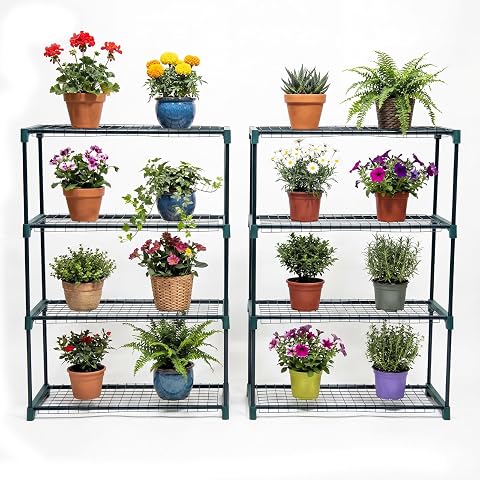
Panana 4-Tier Garden Greenhouse Steel Shelving Unit, 2 Pack
- ✔ Number of Packs: 2
- ✔ Number of Tiers: 4
- ✔ Color: Green
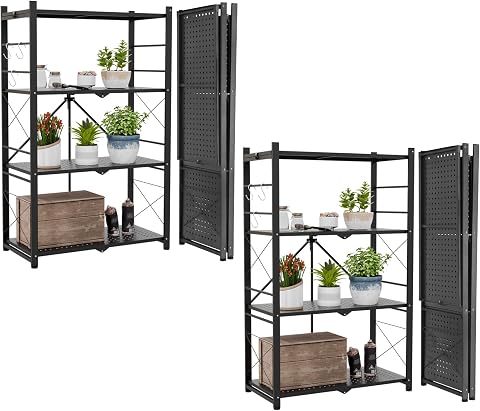
Eagle Peak 4-Tier Foldable Metal Greenhouse Shelf, Heavy Duty Steel Storage Rack, 28”x14.6”x44.7”, 520 lbs, 2 Pack
- ✔ Dimensions: 28”L x 14.6”W x 44.7”H
- ✔ Weight Capacity: 520 lbs total (130 lbs per shelf)
- ✔ Material: Steel
Difficulty: Intermediate | Time: 1-2 hours
What You’ll Need
Tools & Materials:
- Drill
- Screwdriver
- Measuring tape
- Level
- Pencil
- Ladder (if needed)
Knowledge:
- Basic understanding of DIY tools
- Ability to measure and mark placement
Ensure your greenhouse walls are suitable for mounting shelves—check for materials like wood, metal, or plastic. Have all tools ready before starting to avoid interruptions.
Ohuhu 4-Tier Greenhouse Shelves 2 Pack, Extra-Wide Stable Greenhouse Shelving for Outdoor, 35x12x42 Inches
<p>This set of two sturdy, rustproof metal shelves stands out for its <strong>ample size and stability</strong>, making it ideal for outdoor gardens, balconies, or large indoor spaces. Compared with the Eagle Peak model, it offers better stability and rust resistance, though it has a lower weight capacity per shelf (22 lbs). Its tool-free assembly makes it accessible for most users, but the <strong>metal mesh</strong> surface requires occasional maintenance to prevent rust. It’s a versatile choice that balances size, durability, and ease of use, but the limited weight capacity means it’s less suited for very heavy or dense storage needs.</p>
Pros:
- Sturdy and rustproof construction
- Easy to assemble without tools
- Large, stable surface for plants and tools
Cons:
- Limited weight capacity per shelf
- Size may be too large for small spaces
- Metal mesh surface may need rust maintenance
Best for: Gardeners needing a durable, rustproof, and versatile shelving system for outdoor or indoor use.
Not ideal for: Those seeking high weight capacity or very compact options for small spaces.
Bottom line: A top pick for outdoor versatility and rust resistance, suitable for most gardening needs but limited in heavy-duty capacity.
“A top pick for outdoor versatility and rust resistance, suitable for most gardening needs but limited in heavy-duty capacity.”
Panana 4-Tier Garden Greenhouse Steel Shelving Unit, 2 Pack
<p>Compared with the Ohuhu shelves, the <strong>Panana 4-tier units</strong> are more affordable and easier to move, thanks to their lightweight powder-coated steel design. While their <strong>8kg (about 17.6 lbs)</strong> weight limit per shelf is modest, this makes them ideal for lighter gardening tools, seed trays, or storage in small greenhouses, patios, or garages. However, the lack of detailed assembly instructions can be a hurdle for less experienced users. These shelves are better suited for users who prioritize affordability and simplicity over heavy-duty storage capacity.</p>
Pros:
- Affordable price point
- Easy to assemble without tools
- Suitable for both indoor and outdoor environments
Cons:
- Limited weight capacity per shelf
- Sparse assembly instructions
- Less durable than heavy-duty options
Best for: Beginners or budget-conscious gardeners needing versatile, lightweight shelves for indoor or outdoor use.
Not ideal for: Heavy gardening equipment or storage of dense materials requiring high weight support.
Bottom line: An economical choice for light gardening storage, best for beginners or those with modest needs.
“An economical choice for light gardening storage, best for beginners or those with modest needs.”
Eagle Peak 4-Tier Foldable Metal Greenhouse Shelf, Heavy Duty Steel Storage Rack, 28”x14.6”x44.7”, 520 lbs, 2 Pack
<p>This fully assembled, <strong>foldable steel shelf</strong> stands out for its impressive <strong>high weight capacity of 520 lbs total</strong>, making it perfect for heavy gardening tools, plant pots, or workshop supplies. Its <strong>compact size</strong> and foldable design suit tight spaces like greenhouses or garages, and the rust-resistant steel ensures longevity in humid environments. Compared with the larger Ohuhu shelves, it’s more portable and easier to store when not in use, but its smaller size limits it for larger-scale storage needs. It’s ideal for users who need a durable, space-saving, heavy-duty solution for indoor or covered environments.</p>
Pros:
- Fully assembled and tool-free setup
- Heavy-duty steel with high weight capacity
- Rust-resistant and compact for tight spaces
Cons:
- Limited to indoor or covered use
- Smaller surface area for larger plants or tools
- Higher price point due to heavy-duty build
Best for: Gardeners or hobbyists needing a heavy-duty, space-efficient shelving solution for indoor or covered outdoor use.
Not ideal for: Open outdoor spaces exposed to weather or those requiring large, expansive shelving units.
Bottom line: A superb choice for heavy-duty, space-efficient storage where portability and durability are priorities, but not suited for open outdoor environments.
“A superb choice for heavy-duty, space-efficient storage where portability and durability are priorities, but not suited for open outdoor environments.”
As an Amazon Associate we earn from qualifying purchases.
Before You Start
Clear the area where you plan to install the shelves. Wear safety glasses and gloves during drilling and mounting. Confirm the wall material to choose appropriate fasteners. Measure the intended shelf height and width carefully to match your storage needs.
Step-by-Step Instructions
Step 1: Select and measure shelf placement
Decide on the locations for your shelves based on plant sizes and accessibility. Use a measuring tape to mark the desired height and width on the greenhouse wall with a pencil. Use a level to ensure your markings are straight.
Tip: Choose shelf heights that accommodate the tallest plants you expect to store and leave space for watering and maintenance.
Check: Marks are evenly spaced, level, and clearly indicate where the shelves will be installed.
Step 2: Prepare mounting points
Using your drill and appropriate drill bits, make holes at the marked points for the mounting brackets or supports. If mounting on brick or concrete, use masonry bits and wall anchors.
Tip: Double-check measurements before drilling to avoid misalignment. Use a pencil to mark drill points precisely.
Check: Holes are clean and accurately placed for secure bracket attachment.
Step 3: Install mounting brackets or supports
Insert wall anchors if needed, then screw the brackets or supports into the drilled holes using a screwdriver. Confirm they are firmly attached and level.
Tip: Use a level during mounting to prevent shelves from tilting or uneven placement.
Check: Supports are securely mounted, level, and capable of bearing the intended load.
Step 4: Place and secure shelves
Set the shelves onto the mounted supports, ensuring they fit snugly. If using adjustable brackets, tighten screws to fix the shelves in place.
Tip: Check that shelves sit flat and are stable before loading plants onto them.
Check: Shelves are stable, level, and securely resting on supports without wobbling.
Step 5: Load shelves with plants and organize
Arrange your plants on the shelves, spacing them to allow airflow and growth. Use additional organizers or trays if needed for small or loose items.
Tip: Place heavier plants on lower shelves for stability and lighter ones higher up.
Check: Plants are organized, accessible, and shelves support the weight without shifting.
Common Mistakes to Avoid
- Mounting shelves too high or too low — Measure plant heights and typical access height before marking shelf positions.
- Using incorrect fasteners for wall material — Identify wall material beforehand and select appropriate anchors and screws.
- Not leveling shelves during installation — Use a level during mounting and placement to ensure even shelves.
- Overloading shelves beyond their weight capacity — Check the weight limits of shelves and supports, and distribute weight evenly.
Troubleshooting
Problem: Shelves wobble or feel unstable
Solution: Check all mounting screws and supports; tighten or replace loose fasteners. Confirm wall anchors are secure.
Problem: Shelves are not level after installation
Solution: Use a level tool to adjust supports or reposition brackets; re-tighten all fasteners.
Problem: Shelf material cracks or breaks under weight
Solution: Reduce load immediately; replace with stronger shelves or supports rated for heavier weight.
What Success Looks Like
The shelves are firmly mounted, level, and capable of supporting your plants and supplies without wobbling or shifting. All supports are secure, and the setup is organized, accessible, and safe for daily use.
Next Steps
Regularly check the integrity of the shelves and fasteners. Clean and organize your greenhouse to maintain accessibility. Consider adding labels or plant tags for better organization. When upgrading or changing plant setups, repeat the installation process as needed.
Frequently Asked Questions
What type of shelves are best for a greenhouse?
Sturdy, water-resistant shelves made of plastic, metal, or treated wood work well. Choose adjustable supports for flexibility and ease of reconfiguration.
How much weight can typical greenhouse shelves hold?
This depends on the material and supports used. Check manufacturer specifications, and generally, metal or thick plastic shelves support more weight than thin wood or wire racks.
Can I install shelves on greenhouse plastic panels?
Yes, but use plastic anchors and screws suitable for plastic. Be cautious not to crack panels; avoid over-tightening fasteners.
How do I maintain the shelves to prevent mold or rot?
Clean shelves regularly with mild soap and water. Use water-resistant materials and ensure good ventilation to reduce humidity buildup.