TL;DR

Get garden gear delivered free with Prime
- Fast, free delivery on millions of items
- Prime Video, Amazon Music and more included
- Member-only deals all year
A Homes & Gardens gardening report advises against major October pruning of seven spring-flowering shrubs and trees that set buds on older growth. The report names forsythia, azaleas and rhododendrons, lilac, deutzia, weigela, and two additional plants whose names are not included in the supplied source text. Dead or broken growth can still be removed, but timing varies by plant.
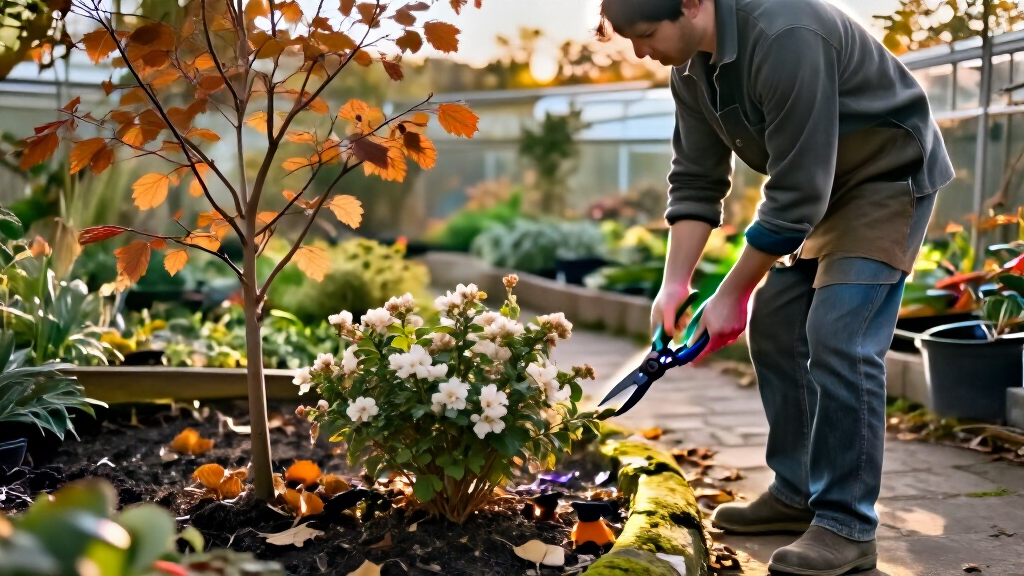
Homes & Gardens advises gardeners not to carry out major October pruning on spring-flowering shrubs and trees that bloom on old wood, warning that cutting their stems can remove buds already forming for next season. The report says the result may be fewer flowers in spring, while dead or broken branches can still be removed when necessary.
The source report names forsythia, azaleas and rhododendrons, lilac, deutzia, and weigela among plants to leave untrimmed in fall. It says these plants form flower buds on growth from the previous season, so an October cut may remove the buds before they open. The supplied source text refers to seven plants in its headline but provides details for only five entries; it does not identify the other two.
The recommended pruning window depends on the plant. Forsythia and lilac should be pruned soon after flowering, according to the report, as part of seasonal pruning care. Azaleas and rhododendrons are best pruned two or three weeks after their flowers finish, while deutzia and weigela should be trimmed within a few weeks of flowering, often in early summer. These timings give plants more time to form growth and buds for the following year, and can help guide the timing of shrub planting too.
The advice is against major shaping or size-reduction pruning in October, not every cut. The report allows removal of dead, diseased, or broken stems that need attention. It also notes that substantial pruning during dormancy can reduce or eliminate the next flowering season, so gardeners may need to weigh plant size against blooms.
How Fall Cuts Affect Spring Flowers
The practical consequence is a missed or reduced flower display the following spring. Because the buds may already be present on older stems, an autumn trim can remove next year’s flowers before gardeners have a chance to see them. For flowering shrubs that bloom for only a few weeks, losing that display can also mean losing an important seasonal source of color.
For weigela, the timing can matter beyond appearance: the report describes its nectar-rich flowers as attractive to bees, butterflies, and hummingbirds. The advice is not a guarantee that every October cut will prevent flowering; results depend on the plant, the extent of pruning, and local growing conditions. It does explain why postponing routine pruning is a lower-risk choice for these old-wood bloomers.
spring-flowering shrub pruning shears
As an affiliate, we earn on qualifying purchases.
As an affiliate, we earn on qualifying purchases.
The Right Time to Prune
The report’s central distinction is between plants that flower on old wood and those that produce flowers on newer growth. For the named shrubs, it recommends pruning just after bloom rather than waiting until fall. That timing removes spent stems while leaving much of the growing season for the plant to develop next year’s flowering growth.
Some plant-specific advice also appears in the report. Fall care for azaleas and rhododendrons can include mulching with pine bark or ericaceous compost, which the article says helps keep soil more acidic. For an overgrown lilac, it describes gradual renewal by removing about one-third of older stems each year over three years; cutting stems hard back is another option, but the report warns that doing so means giving up flowers the following year.
““One key group not to prune this month is spring-flowering shrubs and trees that flower on old wood.””
— Homes & Gardens report
Two Plants Are Not Named
The supplied source material does not include the names or descriptions of two of the seven plants promised in the headline. It also does not provide the report’s publication date, gardening-zone guidance, or a named horticultural expert’s comments. The advice is presented as general guidance, but the best timing can vary with species, variety, climate, and local conditions; readers should check plant-specific guidance before making major cuts.
The report warns of reduced flowering rather than establishing that every October pruning will eliminate blooms. The extent of any effect depends on which stems are cut and whether buds have formed. It does not quantify how many flowers a gardener might lose.
Prune After Flowers Fade
Gardeners following the report’s advice can leave major pruning until the appropriate post-bloom window for each shrub, then remove spent or unwanted growth. In October, they can inspect plants and limit cuts to dead, diseased, or broken branches that need attention. For major size reductions, the report advises recognizing that flowering may be sacrificed, particularly when cutting old wood.
The two unnamed plants cannot be checked against the supplied article text. Before pruning any plant not listed here, gardeners should identify it and confirm whether it flowers on old or new growth. The report provides no additional schedule or follow-up date.
Key Questions
Which plants does the supplied report name?
It names forsythia, azaleas and rhododendrons, lilac, deutzia, and weigela. Although the headline says seven, the supplied text does not identify two of them.
Can I remove dead branches in October?
Yes. The report says dead or broken branches can be removed when necessary. Its warning is against major pruning that may cut away buds on older stems.
When should these shrubs usually be pruned?
The report recommends pruning soon after flowering: within a few weeks for deutzia and weigela, and two or three weeks after bloom for azaleas and rhododendrons. It says to prune forsythia and lilac promptly after their flowers fade.
Will October pruning definitely stop next spring’s flowers?
No. The report warns that pruning can remove buds and lead to fewer flowers, but does not say every October cut will eliminate flowering. The effect depends on the plant and how much growth is removed.
Source: rss
Halloween Picks
halloween
As an affiliate, we earn on qualifying purchases.