TL;DR

Get garden gear delivered free — and shop member deals
- Fast, free delivery on millions of items
- Access to Prime Big Deal Days deals on October 6–7
- Prime Video, Amazon Music and more included
A Gardening Know How report identifies eight popular plants—including hydrangeas, hostas, blueberries and parsley—that struggle in unglazed terracotta pots because the porous clay wicks away moisture and raises soil pH. The report recommends moving these plants to glazed ceramic, fiberstone, resin or plastic containers.
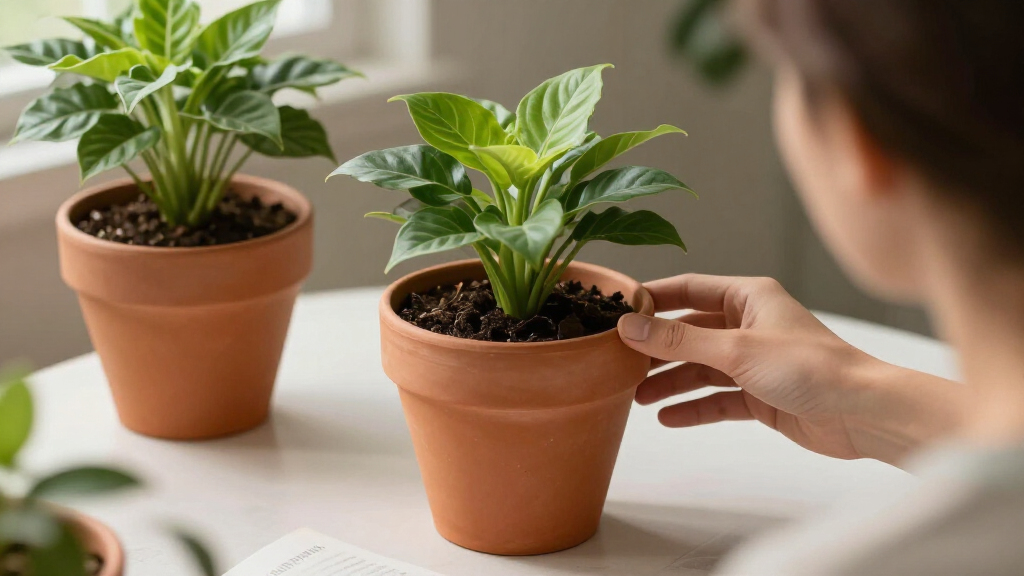
A new report from Gardening Know How identifies eight popular garden plants — including hydrangeas, hostas, azaleas and blueberries — that are far more likely to decline or die in unglazed terracotta pots than in other container types. The report attributes the problem to terracotta’s porous clay walls, which continuously wick moisture out of the soil and gradually shift it toward alkaline conditions. For container gardeners, the practical takeaway is that a simple pot swap can rescue struggling plants and reduce watering chores.
The eight plants named in the report are: hydrangeas, hostas, soft-leaved ferns (including maidenhair, ostrich and Boston ferns), azaleas, blueberries, parsley, cardinal flowers (Lobelia cardinalis) and cannas. According to the report, all share a preference for consistently moist soil — the opposite of what unglazed terracotta provides, since the clay draws water away from the root zone in all directions, particularly in dry weather.
Two mechanisms drive the problem. First, the report describes terracotta’s porosity as providing “360° drainage,” an advantage for drought-loving plants but harmful to moisture-dependent species. Second, natural clay creates slightly alkaline conditions over time, which affects acid-loving plants such as azaleas, rhododendrons and blueberries. For blueberries, the report notes an added complication: frequent watering with typically alkaline tap water raises soil pH further, resulting in poor fruiting and potentially plant death.
The report also flags heat retention as a risk. Because terracotta absorbs and holds heat from the sun, shallow-rooted plants such as hydrangeas can suffer scorched roots in peak summer heat. Specific symptoms attributed to terracotta cultivation include crispy brown leaf margins on hostas, tougher and bitter-tasting parsley stems, and stunted cardinal flower spikes with buds that brown and drop before opening.
Why Pot Material Changes Plant Survival
The report matters because it targets some of the most commonly container-grown plants. Hydrangeas and hostas are staples of patio gardening, and parsley is a standard kitchen herb — yet all three, according to the report, are mismatched with one of the most popular pot materials on the market. Gardeners who have struggled with browning leaves or failed blooms despite regular watering may find the container itself is the cause.
There is also a maintenance angle: the report states that moving thirsty plants into glazed ceramic, fiberstone, resin or plastic planters locks moisture into the soil, supporting lusher foliage and longer-lasting flowers while cutting watering time. The report notes exceptions within plant groups — for example, bird’s nest fern and Hart’s tongue fern actually benefit from terracotta’s airflow and sharp drainage — so the guidance depends on each plant’s native habitat rather than a blanket rule.
How Terracotta Behaves Differently
Unglazed terracotta is a traditional container material made from porous clay. Its breathability makes it well suited to plants that prefer dry conditions and sharp drainage, including most Mediterranean herbs — with parsley cited as a notable exception because it prefers damp, cool soil. The report describes the material as simultaneously wicking moisture from soil and slowly releasing minerals that nudge soil pH upward. This makes terracotta a strong choice for some species and a poor one for bog plants such as cardinal flowers, which naturally grow along streambeds, and rainforest-floor ferns adapted to constant dampness.
“Traditional unglazed terracotta pots are made from porous clay, which constantly wicks moisture from the soil in dry weather. This 360° drainage is a distinct advantage for some plants that love dry conditions, but it can sound a death knell for others.”
— Gardening Know How report
Claims Based on Gardening Experience
The findings come from a single gardening publication and reflect its editorial experience rather than controlled trials. The report does not provide experimental data, survival rates or comparative studies quantifying how much more likely these plants are to die in terracotta versus other containers. Outcomes will also vary with climate, pot size, watering frequency and whether the terracotta is sealed or glazed. The source text for the eighth entry, cannas, is incomplete, so the specific reasoning for that plant is not fully detailed in the available material.
Practical Steps for Gardeners
Gardeners who recognize the listed symptoms — crispy leaf edges, faded blooms, bitter parsley or stunted flower spikes — can check whether affected plants sit in unglazed terracotta. The report suggests repotting moisture-loving species into glazed ceramic, fiberstone, resin or plastic containers, ideally before peak summer heat when root scorching and rapid drying become most severe. When repotting acid-loving plants such as blueberries and azaleas, using ericaceous (acidic) compost and rainwater rather than tap water may further help, though readers should verify specific care requirements for their climate.
Key Questions
Why do hydrangeas do poorly in terracotta pots?
According to the report, hydrangeas need consistently moist soil, while terracotta wicks moisture away. Their large leaves lose water quickly, their shallow roots can be scorched by heat retained in the clay, and repeated drying during bud formation can prevent blooming entirely.
Can any ferns grow well in terracotta?
Yes. The report distinguishes between fern types: soft, thin or lacy-leaved ferns like maidenhair, ostrich and Boston ferns need damp soil, but thick-leaved species such as bird’s nest fern and Hart’s tongue fern tolerate — or even benefit from — terracotta’s airflow and drainage.
Why is terracotta bad for blueberries and azaleas?
Clay gradually creates slightly alkaline soil conditions, while blueberries and azaleas are acid-loving plants. For blueberries, the report adds that increased watering with alkaline tap water compounds the pH problem, leading to poor fruiting and possibly plant death.
What containers should these plants be moved to instead?
The report recommends glazed ceramic, fiberstone, resin or plastic planters, which hold moisture in the soil more consistently than unglazed clay.
Is parsley the exception among herbs?
Yes, according to the report. Although most herbs do well in clay containers, parsley prefers consistently damp, cool soil, and terracotta-grown parsley develops tougher, yellowing stems with a bitter taste.
Source: rss
Halloween Picks
halloween
As an affiliate, we earn on qualifying purchases.