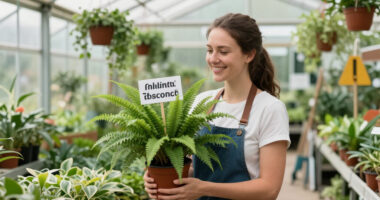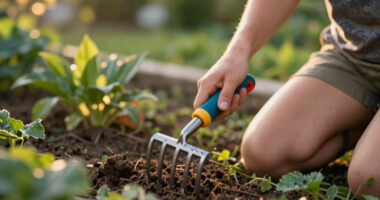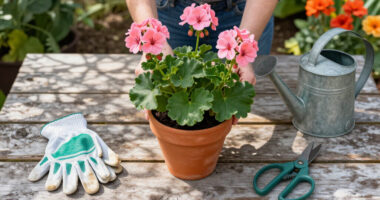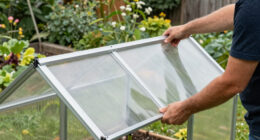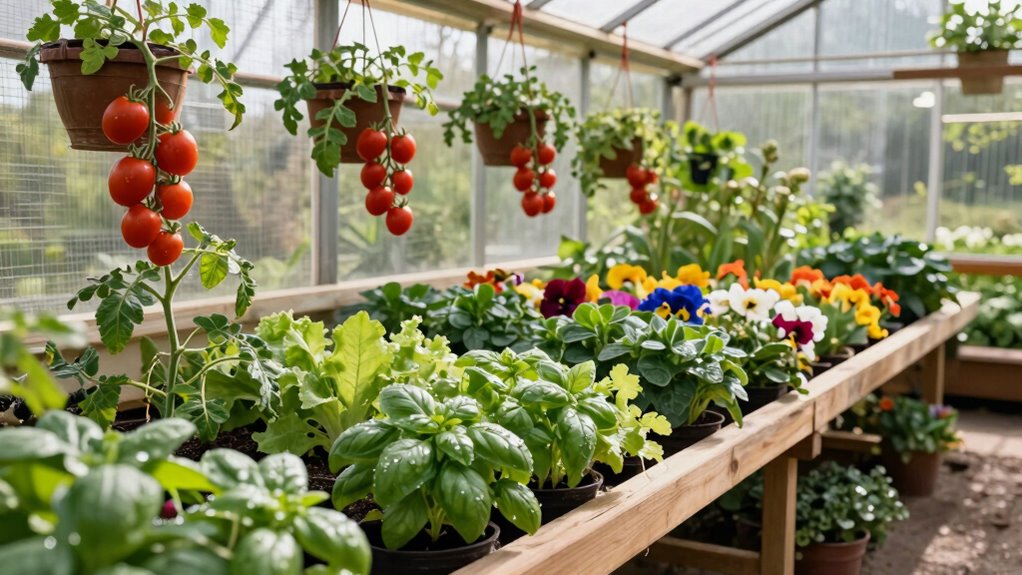

To get more from spring without overfilling your greenhouse, plan your planting schedule carefully by combining fast-growing vegetables like lettuce and radishes with herbs such as basil and cilantro, which can be harvested early and often. Keep your greenhouse organized for easy access and regularly assess plant spacing to avoid overcrowding. Use natural pest prevention methods and maintain good environmental control to promote healthy growth, ensuring continuous yields. For even more tips, keep exploring how to optimize your greenhouse management.

Get garden gear delivered free — and shop member deals
- Fast, free delivery on millions of items
- Access to Prime Big Deal Days deals on October 6–7
- Prime Video, Amazon Music and more included
Key Takeaways
- Plan a diverse planting schedule to maximize space and harvests throughout spring.
- Combine fast-growing vegetables with herbs for continuous yields without overcrowding.
- Use vertical gardening techniques to increase planting capacity efficiently.
- Regularly assess and adjust plant placement to prevent overfilling and competition.
- Incorporate companion planting to naturally deter pests and improve plant health.
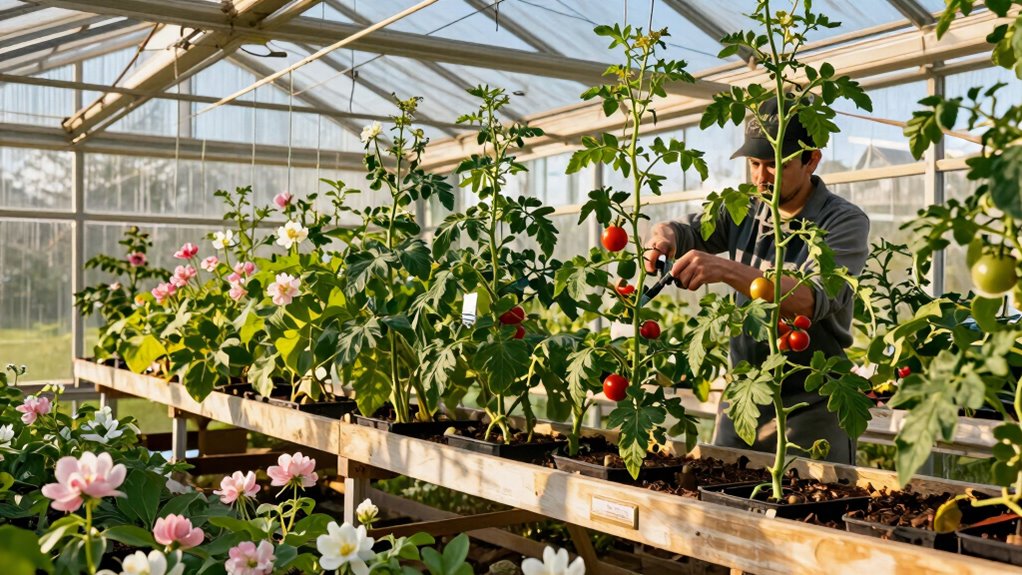
Are you ready to make the most of spring? It’s the perfect time to refresh your garden and enjoy vibrant growth, but you don’t need to overfill your greenhouse to do it. Instead, focus on strategic seasonal planting that maximizes space and productivity. Start by planning your planting schedule carefully, choosing plants that thrive in spring’s mild weather. Mix fast-growing vegetables like lettuce or radishes with herbs such as basil and cilantro, which can be harvested early and often. This way, you get a variety of yields without crowding your space. Remember, overplanting can lead to competition for nutrients and sunlight, which hampers growth. Keep your greenhouse organized so you can easily access all your plants and prevent overcrowding from the start.
Pest prevention is another vital aspect of spring gardening. As temperatures rise, pests become more active and can quickly destroy your plants if you’re not vigilant. Use natural pest prevention methods, such as introducing beneficial insects like ladybugs or using companion planting strategies. For example, planting marigolds alongside vegetables can deter aphids and nematodes. Keep your greenhouse clean and remove any dead or diseased foliage to prevent pests from taking hold. Regularly inspecting your plants helps catch problems early, before they spread. Avoid overwatering, which can create a damp environment inviting pests and diseases. Instead, focus on providing consistent, appropriate moisture levels to keep plants healthy and less vulnerable to infestations. Additionally, understanding growing environment conditions can help you tailor your care routines for better resilience against pests and diseases. Incorporating biodiversity into your gardening practices can naturally enhance plant health and pest resistance. Proper ventilation is also crucial during spring to help maintain a healthy environment and prevent issues related to excess humidity. Being aware of the soil quality and its impact on plant health can further improve your pest management strategies. Enhancing soil health through organic amendments can also make plants more resilient against pests and diseases.
As an affiliate, we earn on qualifying purchases.
Frequently Asked Questions
How Can I Prevent Pests Naturally During Spring?
To prevent pests naturally during spring, you should encourage beneficial insects like ladybugs and lacewings that prey on pests. Practice companion planting by pairing plants that repel pests with those that attract beneficial insects, such as marigolds near tomatoes. Keep your greenhouse clean and remove any diseased plants promptly. These methods create a balanced environment, reducing pest populations without chemicals, and promoting healthier, thriving plants all season long.
What Are the Best Soil Amendments for Spring Planting?
You should start with soil testing to identify nutrient gaps and pH levels. Then, incorporate compost enrichment to boost soil fertility naturally. Adding organic amendments like well-rotted manure or composted plant material improves soil structure and provides essential nutrients. These steps guarantee your spring planting gets the right foundation, promoting healthy growth without overloading your garden with synthetic fertilizers. Regular testing helps maintain ideal soil conditions throughout the season.
How Do I Control Weeds Without Harming Plants?
You can control weeds effectively by using mulching techniques, which block weed growth while conserving soil moisture. Incorporate organic mulches like straw or wood chips around your plants. Additionally, try companion planting; certain plants naturally deter weeds and pests. This combined approach keeps weeds at bay without harming your plants, promotes healthy growth, and creates a balanced, thriving garden environment.
When Is the Optimal Time to Prune Spring Plants?
You should prune spring plants during their active growth phase, ideally in early to mid-spring, when the weather is cool and before new growth accelerates. Proper pruning timing, or spring trimming, encourages healthy development and flowering. Avoid heavy pruning late in spring, as it can stress plants. Focus on removing dead or damaged branches first, then shape your plants for best growth and airflow.
How Can I Extend the Growing Season in Spring?
You can stretch your spring growing season by using clever techniques like companion planting and crop rotation. These methods help protect delicate plants from late frosts and maximize space. Start early with cold frames or row covers to keep the chill off, and rotate crops to prevent soil depletion. By staying one step ahead, you’ll keep your garden thriving longer—making the most of spring’s fleeting window of opportunity.
Conclusion
As spring unfolds like a promise waiting to be fulfilled, remember that patience and planning are your greatest allies. By maximizing your greenhouse’s potential without overfilling it, you’re not just growing plants—you’re nurturing a sanctuary of growth and renewal. Think of your greenhouse as a symphony conductor, where each element plays its part in harmony. When you strike this balance, spring becomes not just a season, but a vibrant chapter in your gardening story.
Fall yard work Picks
leaf blowers
As an affiliate, we earn on qualifying purchases.