
TL;DR

Get garden gear delivered free with Prime
- Fast, free delivery on millions of items
- Prime Video, Amazon Music and more included
- Member-only deals all year
Researchers and gardeners have confirmed that overripe watermelon can be used as a natural fertilizer. This discovery offers an eco-friendly way to recycle fruit waste and nourish plants.
Gardening experts have confirmed that overripe watermelon can be effectively used as a natural fertilizer, offering a sustainable way to recycle fruit waste and improve plant growth.
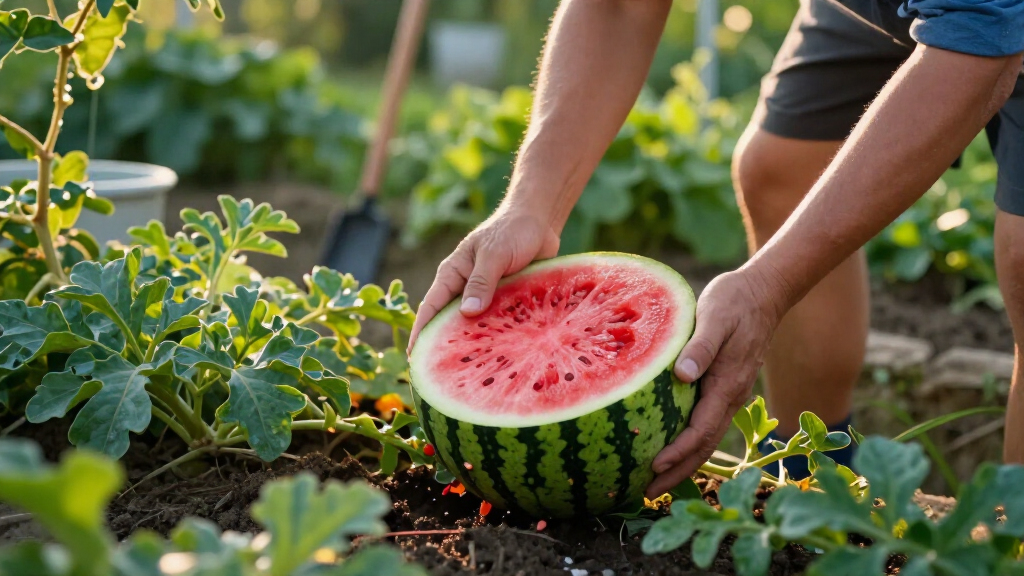
According to horticultural specialists, overripe watermelon contains high levels of organic nutrients such as potassium, nitrogen, and phosphorus, which are essential for plant health. Researchers note that composting or directly applying mashed watermelon to soil can enhance soil fertility without relying on chemical fertilizers.
Several gardening experts, including those from university extension services, recommend using overripe watermelon as part of compost piles or as a direct soil amendment. This practice not only reduces food waste but also supports eco-friendly gardening methods.
While the benefits of watermelon as a fertilizer are confirmed, experts advise that it should be used in moderation and mixed with other compost materials to prevent attracting pests or creating unpleasant odors.
Environmental and Practical Benefits of Using Overripe Watermelon
This discovery matters because it provides gardeners with an inexpensive, natural alternative to chemical fertilizers, reducing environmental impact. It also offers a practical solution for managing food waste, especially during peak watermelon season, by turning excess or overripe fruit into a valuable resource for plant health.
Adopting this method can help promote sustainable gardening practices and decrease reliance on synthetic chemicals, which can have harmful effects on soil and water quality over time.
As an affiliate, we earn on qualifying purchases.
Previous Waste Management and Natural Fertilizer Trends
Historically, gardeners and farmers have used composting and organic amendments to improve soil health. Recent trends emphasize reducing waste by repurposing kitchen scraps, including fruit peels and overripe produce.
Studies in recent years have explored various fruit-based composting methods, but the specific use of watermelon has gained attention only recently, with initial experiments indicating promising results for plant growth and soil enrichment.
This latest confirmation builds on prior research into organic waste recycling, aligning with broader environmental initiatives aimed at reducing landfill waste and promoting sustainable agriculture.
“Overripe watermelon is rich in nutrients that plants need, making it an excellent supplement when composted or applied directly to soil.”
— Dr. Emily Carter, horticultural scientist
Unanswered Questions About Long-Term Use and Safety
While initial studies and expert opinions support using overripe watermelon as fertilizer, long-term effects on soil health, potential pest attraction, and optimal application methods are still being researched. It is not yet clear how this practice compares to commercial fertilizers over multiple growing seasons, or if there are any unintended environmental impacts.
Further Research and Practical Guidelines for Gardeners
Researchers plan to conduct controlled experiments to determine the best application rates and methods for using watermelon in various soil types. Gardening organizations and extension services are expected to develop guidelines to help gardeners incorporate this practice safely and effectively.
In addition, ongoing studies aim to evaluate the long-term sustainability and environmental impacts of using fruit-based fertilizers, including watermelon, in diverse gardening contexts.
Key Questions
Can I use overripe watermelon directly on my garden plants?
Yes, but it is recommended to mash the watermelon and mix it with compost or soil to prevent pests and odors. Use in moderation and avoid over-application.
Will using watermelon attract pests or animals to my garden?
There is some risk of attracting pests if watermelon is left in large quantities or exposed on the surface. Proper composting or mixing with soil can mitigate this issue.
How often should I apply watermelon as a fertilizer?
There are no established guidelines yet, but initial advice suggests using it as a supplement during active growing seasons, about once a month, in conjunction with other compost materials.
Is this method suitable for all types of plants?
Most garden plants can benefit from the nutrients in watermelon, but it is best to start with small amounts and observe plant response, especially for sensitive species.
Are there any safety concerns for pets or children?
While watermelon is generally safe, overripe or fermented fruit may attract pests or cause minor issues if ingested in large quantities. Keep applied compost away from pets and children.
Source: rss
Halloween Picks
halloween
As an affiliate, we earn on qualifying purchases.