Many gardeners wait too long to move their plants into the greenhouse, risking damage from sudden temperature swings, pests, and diseases. By acting early, you can extend your growing season, keep plants healthy, and prevent pest infestations. Monitoring local weather and plant health helps you time the shift perfectly. If you keep delaying, you might miss essential advantages. Stay tuned to discover how to make this change smoothly and boost your garden’s success.

Get garden gear delivered free with Prime
- Fast, free delivery on millions of items
- Prime Video, Amazon Music and more included
- Member-only deals all year
Key Takeaways
- Many gardeners delay moving plants into the greenhouse until signs of stress or pests are visible, risking damage.
- Waiting too long often exposes plants to temperature swings, pests, and diseases that could have been prevented.
- Early transition ensures plants are kept in optimal conditions, avoiding shock and promoting healthy growth.
- Monitoring weather forecasts and plant health closely is crucial to time the move before issues arise.
- Delayed shifts can lead to increased pest infestations and plant stress, reducing overall garden success.
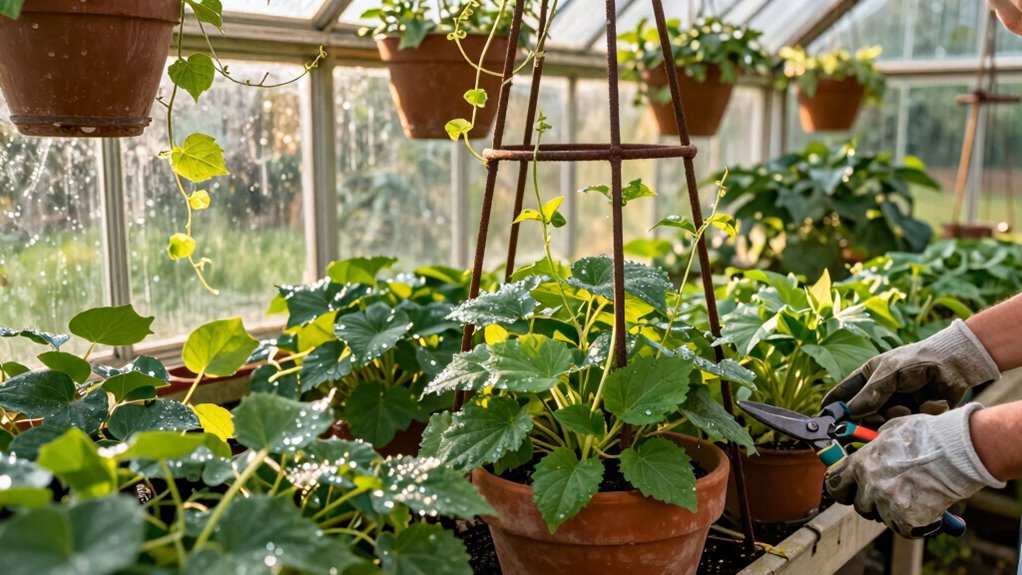
As the seasons change, many gardeners find that shifting their focus to the greenhouse can extend the growing season and improve plant health. However, one common mistake is waiting too long to make this transition, especially during early summer. Recognizing the signs that it’s time to move plants into the greenhouse can make all the difference in their development and survival. If you delay, you risk exposing sensitive plants to temperature fluctuations, pests, and diseases that could have been managed more effectively inside the controlled environment of your greenhouse.
One of the key factors to consider is plant hardiness. As outdoor temperatures rise or drop unpredictably, you need to assess whether your plants can handle the changing conditions. Many gardeners overlook the importance of adjusting their plant placements in a timely manner. If you wait too long, you may find that tender plants are already stressed or damaged by sudden temperature swings. Moving them into the greenhouse before these extremes occur allows you to maintain the right temperature and humidity levels, fostering optimal growth. This proactive approach also helps prevent shock, ensuring that plants continue to thrive rather than struggle through adverse weather. Being aware of plant hardiness zones can help you plan your greenhouse transition more effectively.
Timely plant relocation prevents stress and damage from temperature swings, promoting healthy growth and resilience.
Pest prevention is another critical reason to shift your plants indoors early enough. As the weather warms, outdoor pests like aphids, whiteflies, and beetles become more active and can quickly infest your garden plants. If you delay moving susceptible plants inside, you give pests ample opportunity to establish colonies, making control more difficult later on. The greenhouse acts as a barrier, reducing pest access and enabling you to implement targeted control measures more effectively. By acting early, you prevent infestations from getting out of hand, preserving your plants’ health and reducing the need for chemical treatments. Additionally, understanding plant hardiness can help you make more informed decisions about when to make the shift.
Timing is everything when it comes to a successful early summer greenhouse shift. Keep an eye on local weather forecasts and monitor your plants closely. When outdoor temperatures begin to fluctuate unpredictably or when pests become more prevalent, it’s time to move your vulnerable plants inside. Don’t wait until damage is already done; instead, anticipate the change and act promptly. This not only benefits plant hardiness but also enhances pest prevention, giving your garden a healthier start for the season. Remember, the earlier you transition, the better your chances of maintaining vigorous, pest-free plants throughout the summer. Recognizing seasonal changes and reacting accordingly can significantly improve your gardening success.
As an affiliate, we earn on qualifying purchases.
Frequently Asked Questions
How Do I Determine the Ideal Timing for Greenhouse Shifts?
To determine the ideal timing for greenhouse shifts, monitor plant acclimation closely. When you notice plants adapting well to changing conditions, it’s time to adjust your schedule. Keep a close eye on temperature regulation; as outdoor temperatures rise, gradually increase ventilation to prevent heat stress. Shifting too late can harm plants, so stay attentive to signs of stress and climate cues, acting promptly to guarantee healthy growth.
Can Greenhouse Shifts Improve Plant Growth in Unexpected Weather?
Yes, greenhouse shifts can improve plant growth during unexpected weather by optimizing conditions through light management and seasonal pest control. When you adjust the greenhouse environment, you better guarantee plants from sudden temperature drops or heatwaves. Proper light management ensures plants receive adequate sunlight, while seasonal pest control prevents infestations that could worsen under unpredictable weather. These shifts help maintain a stable, healthy growing environment, boosting plant health despite weather surprises.
What Are Common Mistakes When Adjusting Greenhouse Temperatures?
You risk turning your greenhouse into a tropical jungle if you don’t avoid common temperature adjustment mistakes. Always monitor soil moisture to prevent overheating or chilling your plants, and adjust vents and heating systems gradually. Overcorrecting can disrupt pest control efforts or cause stress, leading to weakened plants. Remember, sudden temperature swings are as dangerous as a hurricane, so stay steady and attentive to your greenhouse’s needs.
How Often Should I Monitor Greenhouse Conditions During a Shift?
You should monitor greenhouse conditions at least every few hours during a shift to catch temperature fluctuations early. Regular checks help with pest management and soil testing, ensuring ideal plant growth. Pay close attention to humidity, ventilation, and temperature. By staying attentive, you prevent issues before they escalate, maintaining a healthy environment. Consistent monitoring allows you to make quick adjustments, supporting your plants’ health and productivity throughout the shift.
Are There Specific Plants That Benefit Most From Early Summer Shifts?
You’ll find that delicate, heat-sensitive plants like tropicals and early bloomers benefit most from early summer shifts. These plants rely heavily on seasonal plant adaptation to thrive in greenhouse microclimates, which can change dramatically in early summer. By adjusting your environment promptly, you prevent stress and promote healthy growth. Ignoring this shift could turn your lush paradise into a wilted wasteland—timing truly is everything for these sensitive species!
Conclusion
If you ignore the early summer greenhouse shift, you’re risking a gardening disaster of epic proportions! Missing this essential window could mean losing your entire crop to the whims of unpredictable weather or pests. Don’t let your garden become a barren wasteland—seize the moment now! Act quickly, adapt wisely, and you’ll harvest a bounty so abundant, it’ll make history. Trust me, this tiny shift can make or break your gardening season—don’t let it slip away!
Halloween Picks
halloween
As an affiliate, we earn on qualifying purchases.