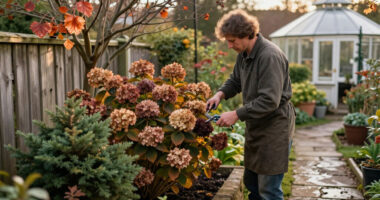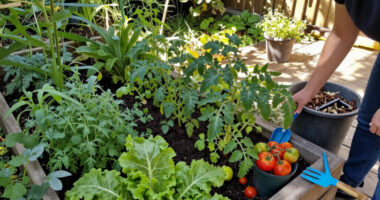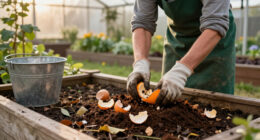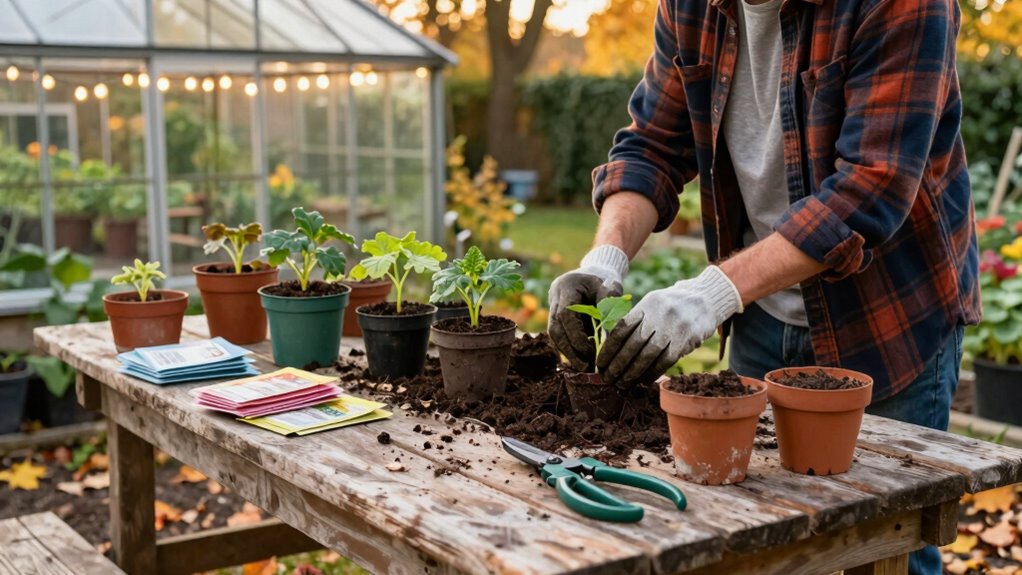

To make winter greenhouse growing easier, start by inspecting and repairing your structure to prevent drafts and guarantee good light transmission. Organize your tools and supplies for easy access and clean them thoroughly. Adjust your irrigation and humidity levels to prevent overwatering and mold. Prepare your heating and ventilation systems, and implement pest prevention measures. Fertilize your plants and add cover crops or mulch to insulate roots. If you keep up with these steps, you’ll set a strong foundation for winter success.

Get garden gear delivered free with Prime
- Fast, free delivery on millions of items
- Prime Video, Amazon Music and more included
- Member-only deals all year
Key Takeaways
- Conduct thorough structural inspections and repairs to prevent drafts and ensure optimal light transmission.
- Prepare and test heating and ventilation systems to maintain consistent temperatures and airflow during winter.
- Organize tools and supplies for efficient access and routine maintenance, including cleaning and sharpening.
- Adjust watering and humidity levels to prevent overwatering, mold, and root rot in colder months.
- Implement pest prevention strategies and layer mulch or cover crops to insulate plants and protect root systems.
As an affiliate, we earn on qualifying purchases.
Understanding How Fall Weather Affects Your Greenhouse Environment

As fall approaches, it’s important to recognize how changing weather patterns directly impact your greenhouse environment. Seasonal temperature fluctuations and weather variability can cause significant shifts in your greenhouse’s conditions. Cooler nights may lower temperatures quickly, while daytime warmth might still be inconsistent. These changes affect plant growth and health, so understanding them helps you adapt. You might notice sudden airflow changes or unexpected cold snaps, which can stress your plants if not managed properly. Monitoring outdoor weather forecasts becomes essential, as sudden drops or warm spells influence your greenhouse’s internal climate. By staying aware of these patterns, you can adjust ventilation, heating, or shading accordingly, maintaining a stable environment that supports healthy growth throughout the fall and into winter. Recognizing the importance of seasonal weather patterns can help you anticipate and respond to these environmental shifts more effectively.
Inspect and Repair Your Greenhouse Structure for Winter Readiness
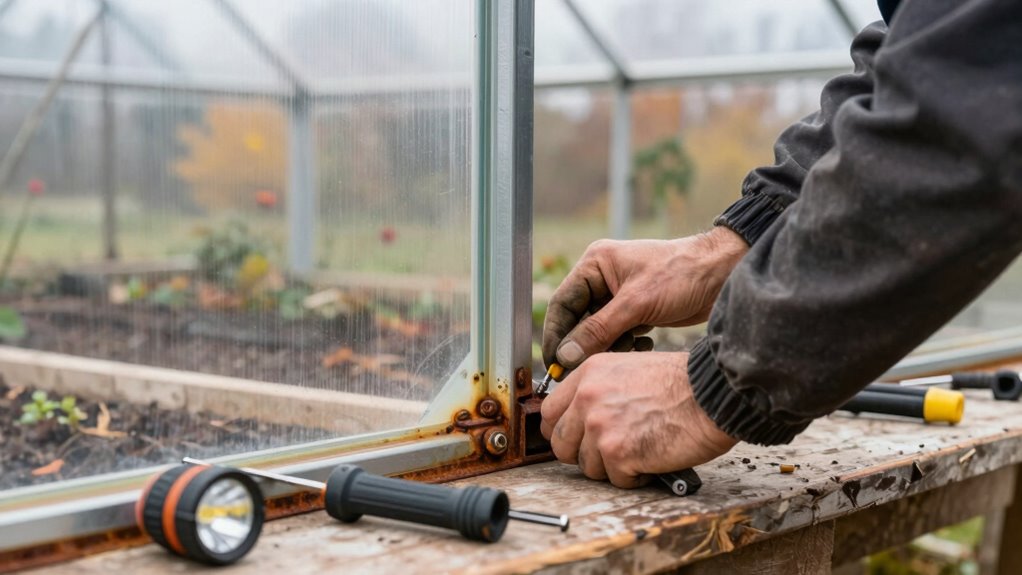
Preparing your greenhouse for winter starts with a thorough inspection of its structure to identify any vulnerabilities or damage. Check for cracks, loose fittings, or rust that could compromise stability or insulation. Strengthening the structure guarantees your greenhouse aesthetics remain intact and provides a secure environment for plant propagation during colder months. Focus on sealing leaks and reinforcing joints to prevent drafts. Confirm that glazing materials are clean and intact to maximize light transmission. Pay close attention to door and vent functionality, as proper sealing is vital for maintaining temperature. Regular maintenance like this keeps your greenhouse resilient and ready for winter, making it easier to nurture healthy plants and preserve its overall integrity. Ensuring the strength and durability of your greenhouse structure is essential to withstand harsh weather conditions. Additionally, inspecting the natural light entry points and ensuring they are unobstructed can significantly enhance winter plant growth. Incorporating proper insulation techniques can further improve temperature regulation and protect your plants from extreme cold. Regularly checking and maintaining ventilation systems also helps in controlling humidity and preventing mold issues during the colder months.
Get Your Heating and Ventilation Systems Ready for Cold Temperatures
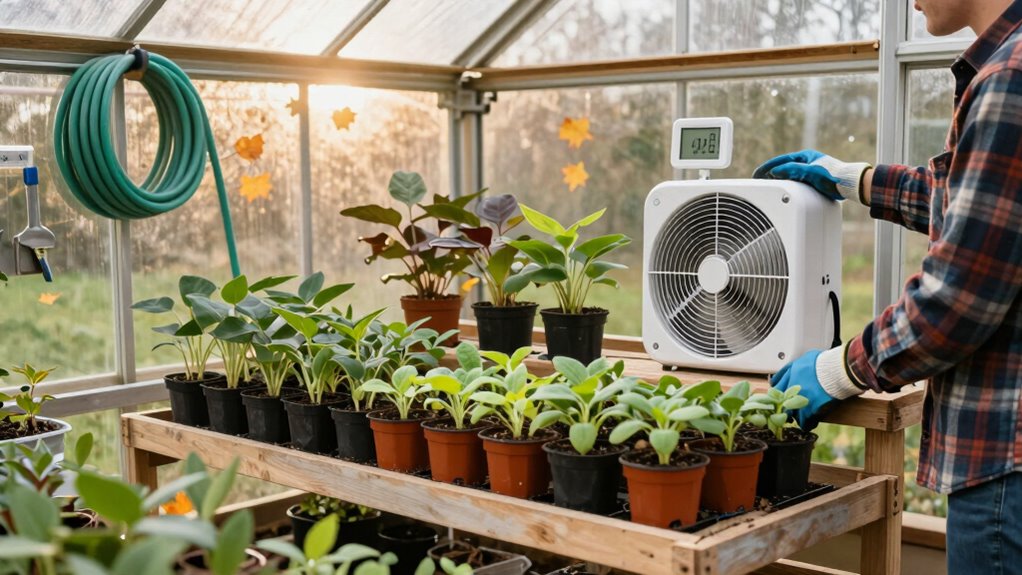
Make certain to inspect your heating equipment regularly to catch any issues early. Clean your ventilation components thoroughly to ensure proper airflow and prevent blockages. Finally, test your system’s functionality to confirm it’s ready to keep your greenhouse warm during the cold months. Additionally, consider assessing your water systems for filter sizing/flow to ensure optimal performance and prevent potential disruptions during winter. Remember to also review your Victorian steampunk-inspired ventilation designs to combine functionality with aesthetic appeal, ensuring both efficiency and style in your greenhouse setup. Regularly monitoring composting conditions can also help maintain the ideal environment for your plants and support overall greenhouse health during the colder months. Incorporating sound healing science principles into your routine might further enhance your greenhouse’s atmosphere, promoting healthier plant growth and a more relaxing workspace. Properly managing air circulation can significantly impact plant health and energy efficiency in your winter preparations.
Inspect Heating Equipment Regularly
Ensuring your heating and ventilation systems are in prime condition is essential before the cold weather hits. Regular equipment inspection helps identify potential issues early, saving you time and preventing breakdowns during winter. Focus on thorough heating maintenance to keep systems running efficiently. Check for signs of wear or corrosion and verify that all components operate correctly. Pay attention to thermostats and safety controls, ensuring accurate temperature regulation. Keep vents and filters in good condition to promote ideal airflow. Regular inspection of your heating systems can also extend their lifespan and improve overall safety. Additionally, inspecting system components regularly can help detect early signs of wear that might compromise safety or efficiency. Performing routine safety checks can prevent potential hazards and ensure reliable operation during the colder months.
Clean Ventilation Components Thoroughly
To get your heating and ventilation systems ready for cold temperatures, thoroughly cleaning the ventilation components is essential. Dust accumulation can considerably reduce ventilation efficiency, making it harder for your greenhouse to regulate temperature and humidity. Start by turning off the system, then carefully remove filters, fans, and vents. Use a brush or compressed air to remove dust and debris, ensuring no buildup hampers airflow. Wipe down surfaces with a damp cloth to eliminate remaining dust particles. Proper dust removal not only improves system performance but also prevents potential blockages that could cause malfunctions. Regular cleaning ensures your ventilation system operates at peak efficiency, helping your greenhouse stay warm and healthy throughout winter. Additionally, maintaining proper air circulation is crucial for preventing mold and ensuring even temperature distribution. Incorporating mind-body healing practices can also support your overall well-being during seasonal changes, making routine maintenance less stressful. Paying attention to system components can further extend the lifespan of your heating and ventilation setup, ensuring consistent operation during the colder months.
Test System Functionality
Before the cold weather sets in, it’s crucial to test that your heating and ventilation systems are working properly. Proper functioning ensures your seasonal crop planning and plant selection strategies stay on track during winter. Start by running each system individually, checking for uneven heating or airflow issues. Monitor thermostats and fans for responsiveness, and listen for unusual noises. Consider the following:
- Verify thermostats are calibrated correctly
- Inspect vents and filters for obstructions
- Test backup heating options
- Schedule maintenance if needed
Ensuring your systems operate reliably will prevent unexpected failures. Regularly system testing and maintenance can help identify potential issues early. This proactive approach keeps your greenhouse environment stable, making winter plant care more manageable and supporting your overall winter growing success. Additionally, staying informed about ventilation management can optimize airflow and humidity levels, crucial for healthy plant growth during the colder months. Being aware of factors like indoor air quality can also help reduce issues such as dust or microplastics that may affect plant health.
Clean and Organize Tools and Supplies for Easy Winter Access
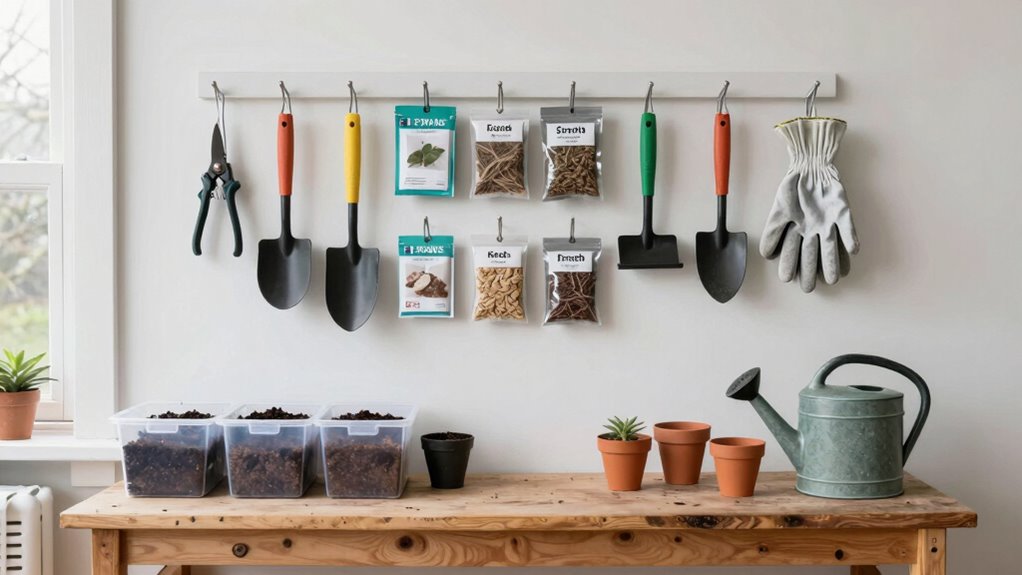
Organizing your tools and supplies now will make winter gardening much smoother. Start by sorting tools by type and creating dedicated storage stations for each category. Clearly labeling your supplies guarantees you can find what you need quickly, even on the coldest days. Incorporating landscaping elements into your organization can also help streamline your outdoor space, making it easier to access everything you need for winter prep. Additionally, using storage solutions like bins or shelves can prevent clutter and protect your equipment from harsh weather conditions. Recognizing patterns like twin flame connections can also inspire you to create a harmonious and balanced outdoor environment that supports growth.
Sort Tools by Type
As winter approaches, taking the time to sort your garden tools by type makes future maintenance much easier. Proper tool organization streamlines your gardening schedules and guarantees you can quickly find what you need. Begin by grouping similar tools together, such as pruners, trowels, or watering cans. Use designated containers or racks for each category to keep everything accessible and tidy. Labeling storage bins helps maintain order over time. Considering the importance of ethical consumer choices, it’s helpful to select environmentally friendly storage options, such as biodegradable labels or recycled containers. Inspecting tools for damage or rust, and cleaning or sharpening as needed before storage, helps prolong their lifespan. Organizing tools by type not only saves time during winter prep but also protects your equipment and prolongs its lifespan. Additionally, understanding the types of tools required for different tasks can help you optimize your storage system for better efficiency. Clear organization now sets the foundation for an efficient, stress-free gardening season ahead.
Create Storage Stations
Creating designated storage stations is essential for keeping your tools and supplies organized and easily accessible during the winter months. Start by identifying a central spot in your greenhouse or shed for all gardening essentials. Use sturdy storage solutions like shelving, hooks, and bins to keep everything tidy. Organization tips include grouping similar items together—shovels with hand tools, pots with fertilizers—to save time when you need them. Regularly clean tools before storing them to prevent rust and damage. Keep frequently used supplies at eye level or within easy reach, and store seasonal items separately. Well-planned storage stations make winter greenhouse work smoother, helping you find what you need quickly and reducing clutter. Clear organization now means less hassle later in the season.
Label Supplies Clearly
Once your storage stations are set up, labeling each container and tool becomes the next step to maintaining order. Clear labels help you quickly find essentials like plant propagation supplies or soil testing kits, saving time during busy winter days. Use waterproof markers or labels to guarantee durability. Organize small tools like pruning shears and trowels with labels indicating their purpose or location. For larger items, attach labels to shelves or bins to keep everything accessible. Proper labeling minimizes confusion and ensures you always know where your plant propagation supplies are stored or when to perform soil testing. This simple step streamlines your winter prep and makes greenhouse management more efficient.
- Use color-coded labels for different categories
- Include date labels for soil testing supplies
- Group related items for quick access
- Regularly update labels to reflect seasonal changes
Adjust Your Irrigation and Humidity Settings for Winter Conditions
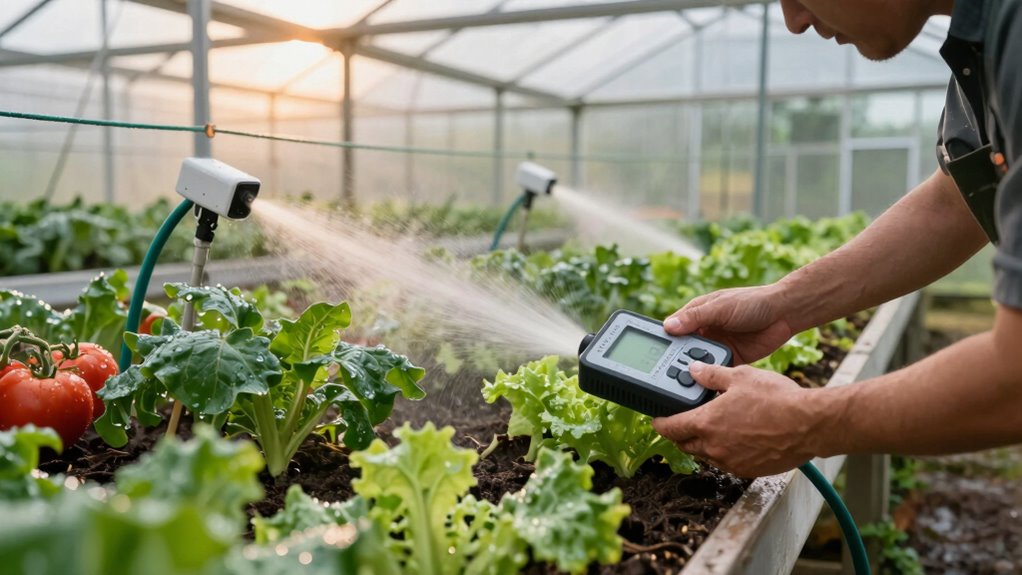
During winter, adjusting your irrigation and humidity settings is essential to prevent overwatering and mold growth in your greenhouse. As temperatures drop, plants need less water, so reduce irrigation adjustments accordingly. Overwatering can lead to root rot and increased humidity, creating ideal conditions for mold. Use a moisture meter to monitor soil and keep it slightly drier than in warmer months. Humidity control is equally important; aim to keep humidity levels between 50-60%. Use vents, fans, or dehumidifiers to regulate moisture, preventing excess dampness. Regularly check humidity levels and adjust ventilation to maintain a balanced environment. Proper irrigation adjustments and humidity control help keep your plants healthy, dry, and strong throughout the winter.
Implement Pest Prevention Strategies for Fall and Winter

As you adjust your irrigation and humidity settings to protect your plants in winter, it’s also time to focus on pest prevention. Proper pest identification is key to managing issues early before they spread. Implementing biological control methods, like introducing beneficial insects, can naturally reduce pest populations without chemicals. Regularly inspect plants for signs of pests, and remove affected foliage promptly. Keep your greenhouse clean to prevent pest habitats from forming. Consider using physical barriers, such as sticky traps or screens, to deter pests from entering. These strategies help maintain a healthy environment, making pest prevention more effective during fall and winter. Staying vigilant now reduces the risk of infestations that could threaten your plants later in the season.
Fertilize and Care for Your Plants to Prepare for Winter
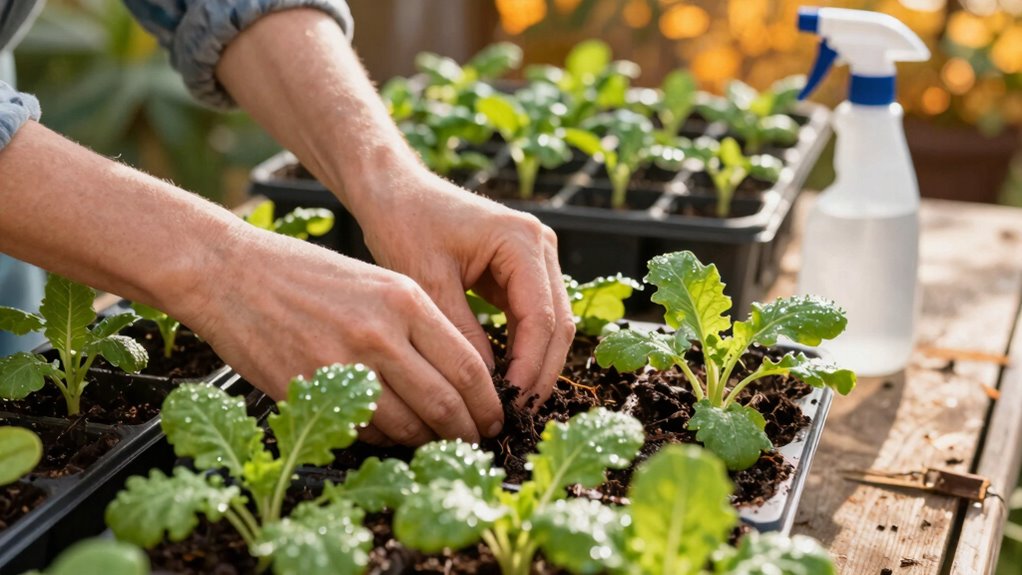
Preparing your plants for winter involves more than just stopping growth; it requires careful fertilization and routine care to guarantee they remain healthy through the colder months. Focus on providing balanced plant nutrition by using fertilizers rich in phosphorus and potassium, which support root development and cold tolerance. Enhancing soil health is essential, so incorporate organic matter or compost to boost microbial activity and improve nutrient retention. Avoid over-fertilizing, which can lead to weak, tender growth susceptible to cold damage. Regularly check soil moisture, ensuring it stays evenly moist but not waterlogged. This consistent care strengthens your plants’ resilience, helping them survive winter and emerge robust in spring. Proper fertilization and soil management set the foundation for successful winter greenhouse growing.
Use Cover Crops and Mulches to Insulate Roots During Cold Months
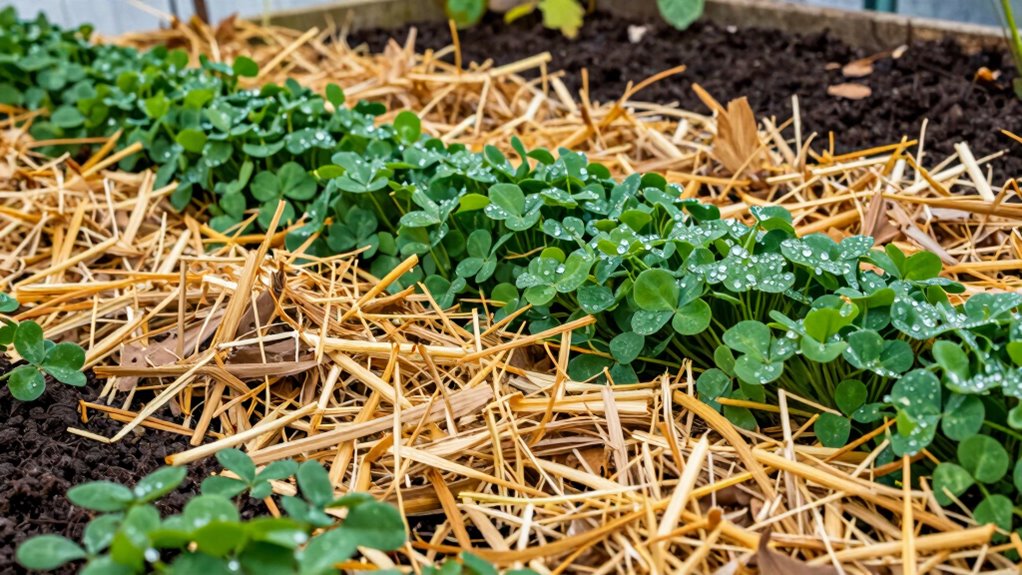
After giving your plants the right nutrients and routine care, the next step is to shield their roots from the harsh winter cold. Using cover crops and mulches offers essential insulation during cold months. Cover crop benefits include improving soil health, suppressing weeds, and protecting roots from frost. Mulch application techniques, such as spreading straw, compost, or wood chips, create a thermal barrier that retains warmth and moisture. These methods prevent root damage and promote soil stability. Incorporate cover crops like clover or vetch to enrich the soil naturally. When applying mulch, guarantee an even layer without smothering plants. This insulation helps maintain consistent temperatures and reduces winter stress, making your greenhouse more resilient through the cold season.
Establish a Routine for Monitoring and Maintaining Your Greenhouse Over Winter
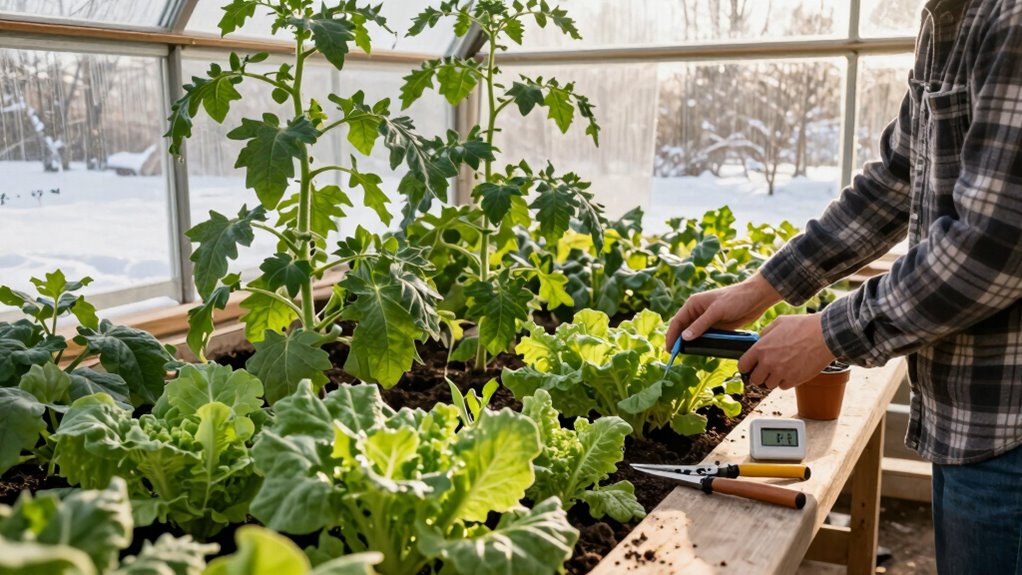
Maintaining a consistent monitoring routine is essential for keeping your greenhouse healthy during winter. Regular checks help you spot issues like inadequate indoor lighting or pest problems early. Adjust your lighting to guarantee plants receive enough light, especially on cloudy days. Keep an eye out for pests, as winter can still bring infestations. Use integrated pest management strategies to prevent and control outbreaks. Schedule daily visual inspections and weekly equipment checks to maintain ideal conditions. Refer to the table below for key tasks:
| Task | Frequency | Focus Area |
|---|---|---|
| Check indoor lighting | Daily | Light levels |
| Inspect plants | Daily | Pests, symptoms |
| Ventilate greenhouse | Weekly | Air circulation |
| Clean filters | Weekly | Pest prevention |
| Adjust humidity | Weekly | Plant health |
Staying vigilant helps your winter crops thrive.
Frequently Asked Questions
How Can I Optimize Light Exposure as Days Get Shorter?
You can optimize light exposure by adjusting your lighting schedules to extend the daily light hours. Use supplemental illumination, like grow lights, especially during the darker parts of the day, to maintain consistent light levels. Position your lights close to the plants without overheating, and consider timers to automate lighting changes. This guarantees your greenhouse receives adequate light, promoting healthy growth even as days get shorter.
What Are the Best Plants to Grow During Winter in a Greenhouse?
Winter’s wonderful with warm-weather vegetables like kale, spinach, and Swiss chard thriving in your greenhouse. You should select hardy plants that handle cold conditions and resist pests, ensuring a plentiful, pest-free produce parade. Focus on plant selection that’s resilient and easy to manage, and implement pest management strategies early. This way, you grow great greens effortlessly, gaining a garden of gratitude even in the coldest months.
How Do I Prevent Mold and Fungal Issues in Winter?
To prevent mold and fungal issues in winter, you should prioritize soil sterilization before planting to eliminate spores. Additionally, guarantee good air circulation by opening vents or using fans to keep moisture levels in check and reduce humidity. Regularly remove any dead plant material and avoid overwatering. These steps help create an environment that’s less hospitable to mold and fungi, keeping your greenhouse healthy and productive.
When Should I Start Adjusting Temperature Settings for Fall?
Think of adjusting your greenhouse temperature like tuning a musical instrument—you want everything in harmony. You should start adjusting your settings in late summer to early fall, around 6-8 weeks before the first frost. This helps with seasonal pest control and soil temperature management, preventing plant stress and mold. Keep a close eye on weather forecasts and gradually ease into cooler temperatures to guarantee a smooth shift.
How Can I Ensure Consistent Humidity Levels Throughout Winter?
You can guarantee consistent humidity levels throughout winter by using humidity control tools like humidifiers and dehumidifiers, adjusting them as needed. Regular moisture monitoring helps you identify fluctuations and maintain stable conditions. Keep an eye on humidity gauges, and make small adjustments promptly. Proper ventilation also plays a key role in preventing excess moisture or dryness, ensuring your greenhouse stays ideally humid for healthy plant growth all winter long.
Conclusion
As winter approaches, your greenhouse is set for success—if you stay vigilant. Regular monitoring and maintenance will reveal surprises and challenges you haven’t yet anticipated. With your preparations in place, you’ll enjoy a smoother winter season, but don’t get too comfortable just yet. Stay alert, keep adjusting, and watch how your greenhouse transforms through the cold months. The coming weeks hold more than just winter—they hold the key to thriving spring growth.
Fall Picks
fall essentials
As an affiliate, we earn on qualifying purchases.