
AIThis post was created with the assistance of artificial intelligence (AI).
TL;DR

Prime Big Deal Days · Oct 6–7Offer from Amazon
Get garden gear delivered free — and shop member deals
- Fast, free delivery on millions of items
- Access to Prime Big Deal Days deals on October 6–7
- Prime Video, Amazon Music and more included
Start your free Prime trial Free trial for eligible customers · Cancel anytime
As an affiliate, we earn on qualifying purchases.
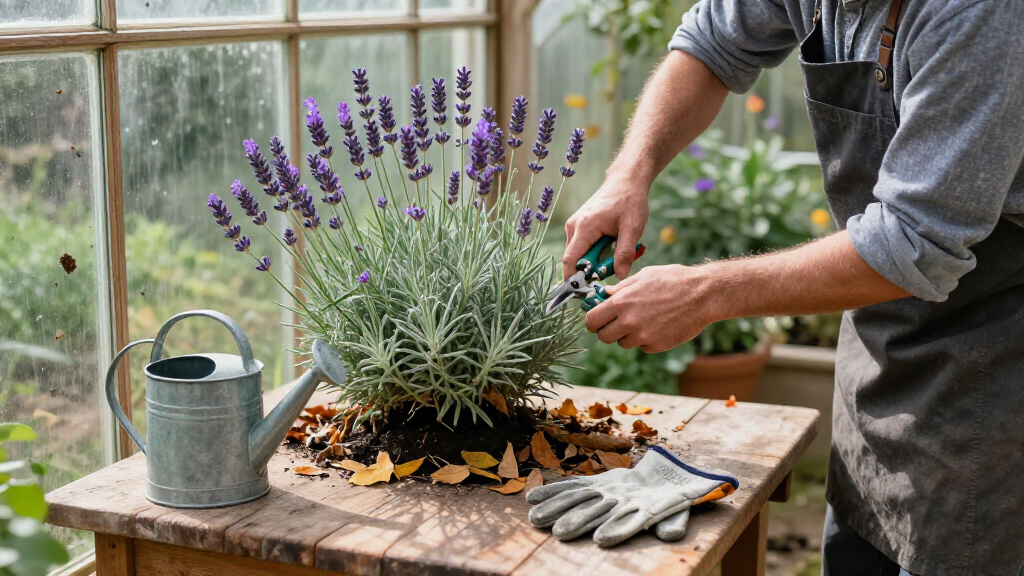
Gardening experts advise against making three common risky cuts when pruning lavender in fall. Instead, they endorse a simple, effective cut that encourages healthy growth. This guidance aims to prevent damage and ensure lavender thrives through winter.
At a glance
reportWhen: developing (current seasonal advice and…
The developmentRecent gardening trend signals increased interest in fall lavender pruning, with experts clarifying which cuts to avoid and highlighting a proven, effective pruning method.
Risks of Improper Fall Lavender Pruning
Incorrect pruning methods in fall can lead to long-term damage, including weakened plants, increased susceptibility to cold injury, and poor flowering in the following season. Understanding which cuts to avoid helps gardeners maintain healthy lavender and reduces the risk of losing plants during winter. The recommended minimal pruning supports plant resilience, ensuring lavender remains vigorous and attractive year after year. As interest in gardening grows, especially in seasonal plant care, clear guidance on safe pruning practices becomes increasingly valuable for both novice and experienced gardeners, helping them avoid costly mistakes.Amazon
As an affiliate, we earn on qualifying purchases.
Fall Pruning Practices and Seasonal Risks
Lavender is a popular perennial herb valued for its fragrance and ornamental appeal. Traditionally, pruning is done in late summer or early fall to prepare the plant for winter, but timing and technique vary widely among gardeners. Over-pruning or harsh cuts can damage the plant’s woody stems, which are less tolerant of cuts in colder weather. Recent gardening trends show increased interest in fall pruning, likely driven by desire for tidy gardens and healthy plants. However, experts have long warned that improper pruning can compromise lavender’s winter hardiness. The current trend signals a need for clearer guidance, especially as more gardeners seek to avoid common mistakes that can damage lavender during the vulnerable winter period.Unclear Aspects of Fall Lavender Pruning
While experts agree on avoiding deep cuts into woody stems and over-pruning, specific timing and technique details remain somewhat flexible and may vary based on lavender variety and local climate conditions. It is not yet confirmed whether the ‘cheeky cut’ is universally effective across all lavender types or in all regions. Additionally, the long-term impact of fall pruning practices on winter hardiness is still being studied, and some gardeners report mixed results depending on their specific conditions.Next Steps for Gardeners and Researchers
Gardeners should follow current expert advice to avoid risky cuts and implement the recommended minimal pruning in fall. Ongoing research may clarify optimal timing and techniques across different climates and lavender varieties. Further guidance from horticultural institutions is expected to refine best practices, and gardeners are encouraged to monitor their plants’ responses to pruning over the coming seasons. Online gardening forums and local extension services are likely to provide updated recommendations as new data emerges.Key Questions
Can I prune lavender heavily in fall?
No, experts advise against heavy pruning into woody stems during fall, as it can weaken the plant and increase winter damage risk.What is the ‘cheeky cut’ and why is it recommended?
The ‘cheeky cut’ involves lightly trimming only the spent flower stalks, which encourages healthy regrowth without harming the plant’s structure.When is the best time to prune lavender in fall?
Most experts recommend minimal pruning in late summer or early fall, avoiding deep cuts late in the season to protect the plant.Will fall pruning improve my lavender’s spring bloom?
Minimal, targeted pruning can support healthy growth and flowering, but over-pruning or heavy cuts may harm the plant’s ability to bloom.Does climate affect how I should prune lavender in fall?
Yes, colder climates require more careful pruning to prevent winter damage, while milder areas may tolerate slightly more extensive cuts. Always consider local conditions and lavender variety.Source: rss
Fall Picks
fall essentials
fall essentials
As an affiliate, we earn on qualifying purchases.