To start fall seedlings in late summer for winter production, plan ahead by knowing your last frost date. Sow cool-season crops like kale, spinach, and carrots 6-8 weeks before frost arrives. Use quality soil, keep seedlings well-watered, and provide plenty of light. Protect young plants with row covers or cold frames as temperatures drop. Mastering these steps helps you extend your harvest into the colder months—stay with us to discover more helpful tips.
Key Takeaways
- Begin seedling preparation 6-8 weeks before the first expected frost to ensure plants are established for winter growth.
- Choose cold-tolerant crops like kale, spinach, and carrots suited for late summer planting.
- Use quality seed-starting mix and provide ample light to promote strong seedling development.
- Utilize season extension tools such as row covers or cold frames to shield seedlings from early frosts.
- Mulch around seedlings to insulate roots and help maintain soil warmth during colder months.
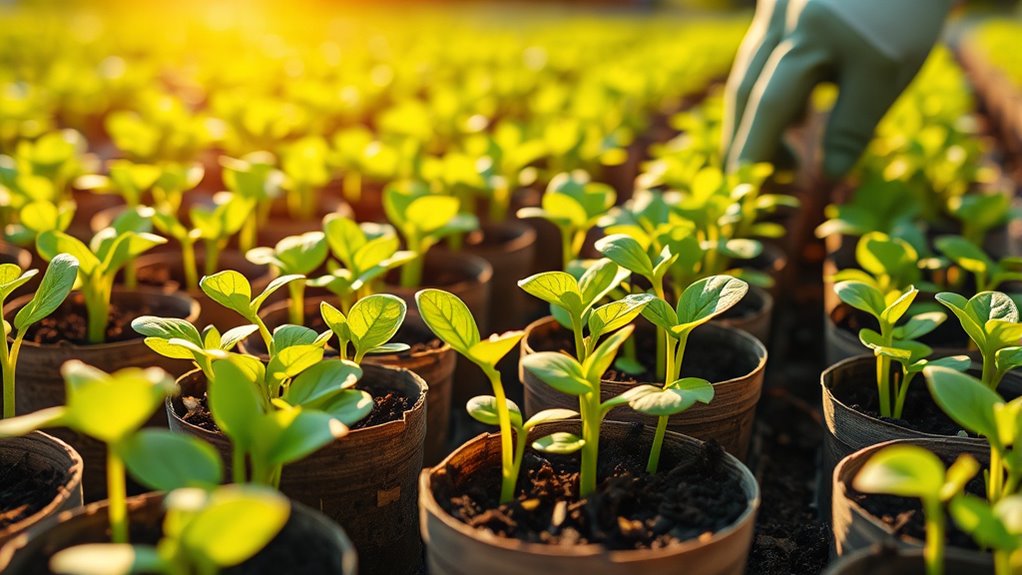
As summer winds down, it’s the perfect time to start your fall seedlings so they have plenty of time to establish before the cooler weather arrives. Getting a jump on your fall planting schedule allows you to extend your growing season and maximize your harvest. By starting seedlings late in summer, you give yourself a valuable window for season extension, which is essential for crops that need extra time to mature before winter sets in. This approach requires understanding which plants have good cold tolerance and can thrive in shorter, cooler days.
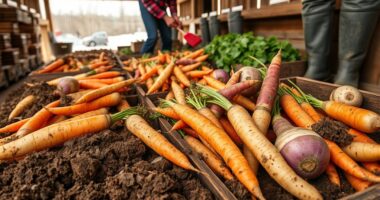
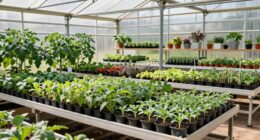
To succeed with fall seedlings, you need to select varieties known for their cold tolerance. Leafy greens like kale, spinach, and Swiss chard, along with root vegetables such as carrots and beets, are excellent choices. These crops are naturally more resilient to lower temperatures and can be grown successfully well into the fall. When starting seedlings, you should use quality seed-starting mix and ensure your containers have proper drainage. Keep the soil consistently moist but not waterlogged, and provide ample light—preferably from grow lights or a south-facing window—so your seedlings develop strong, healthy roots and stems.
Timing is critical. Typically, you want to start your fall seedlings about six to eight weeks before the first expected frost. This gives your plants enough time to grow sturdy and establish a strong root system. If you’re uncertain about the first frost date in your area, consult local gardening resources or use online tools to plan accordingly. To further enhance season extension, consider using row covers, cold frames, or mini hoop tunnels. These structures trap heat and create a microclimate that protects your seedlings from frost and chilly winds, allowing you to push the growing season further into fall.
Another key aspect is understanding the specific cold tolerance of each crop. Some plants can withstand light frosts, while others need extra protection. For example, kale and chard can often survive light frosts, especially if they’re well-established. Using mulch around your seedlings also helps insulate roots and maintain consistent soil temperatures, which is crucial for cold-tolerant crops. Keep an eye on weather forecasts and be ready to deploy protective covers at the first sign of a hard freeze.
Starting fall seedlings in late summer demands careful planning, but it’s a worthwhile effort. It extends your harvest window and allows you to enjoy fresh, homegrown produce even as temperatures drop. With the right crop selection, timing, and protective measures, you’ll set yourself up for a successful fall garden that provides delicious vegetables well into winter.
Frequently Asked Questions
What Are the Best Soil Types for Fall Seedlings?
You should choose well-draining loamy or sandy soils for fall seedlings. To improve your seedbed preparation, add organic soil amendments like compost or aged manure, which boost fertility and moisture retention. Avoid heavy clay soils that drain poorly. Properly amending and preparing your soil creates an ideal environment, ensuring healthy seedling growth through the winter. Consistent watering and proper spacing further enhance your success with fall planting.
How Do I Prevent Pests on Fall Seedlings?
To prevent pests on your fall seedlings, choose pest-resistant varieties whenever possible, which naturally reduce pest issues. You can also use natural deterrents like neem oil, insecticidal soap, or companion planting to keep pests at bay. Regularly inspect your seedlings for early signs of pests, and remove any affected parts promptly. Combining these strategies helps protect your plants and promotes healthy growth throughout the season.
What Watering Schedule Is Ideal for Late Summer Seedlings?
You should water your late summer seedlings deeply about 2-3 times a week, adjusting based on weather conditions. Keep moisture levels consistently even, avoiding both dryness and waterlogging. Check the soil regularly; if the top inch feels dry, it’s time to water. Consistent watering frequency helps promote healthy root growth and prevents stress, ensuring your seedlings develop strong enough for winter production.
Can Seedlings Be Started Indoors Before Transplanting?
Yes, you can start seedlings indoors before transplanting. Indoor germination works well if you provide proper seedling lighting, like grow lights, to mimic sunlight. This encourages healthy growth and strong roots. Keep the temperature consistent and avoid overwatering. Starting seedlings indoors gives you a head start, ensuring they’re robust enough to transplant outdoors when conditions are right, especially for late summer planting.
How Do I Protect Seedlings From Early Frost?
To protect your seedlings from early frost, use frost protection methods like covering them with seedling covers or row covers overnight. These covers trap heat and shield plants from freezing temperatures. Make sure to secure the edges to prevent cold air from sneaking in. Keep an eye on weather forecasts, and remove covers during the day to allow sunlight and airflow. This approach helps your seedlings survive until warmer weather arrives.
Conclusion
By starting your fall seedlings in late summer, you plant the roots of future harvests now, symbolizing hope and patience. Just as seeds lie quietly underground, awaiting their turn to bloom, your efforts today nurture a future filled with abundance. Remember, every small beginning holds the potential for great growth. Stay committed, tend with care, and trust that your dedication will bear fruit when the time is right. Your garden’s future is a promise waiting to unfold.