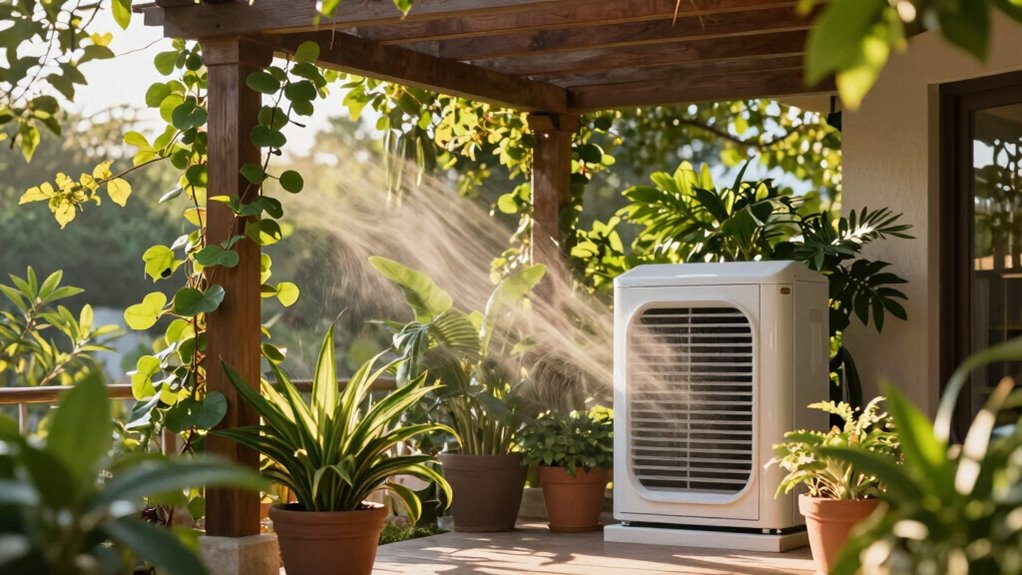

To prevent disease spread during summer, it’s essential to improve airflow by opening windows on opposite sides for cross-ventilation and using fans wisely. Keep vents clear and consider adding air purifiers with HEPA filters. Regularly maintain exhaust fans and HVAC systems, and use indoor plants to naturally filter air. Monitoring humidity and airflow helps keep indoor conditions ideal. If you keep these strategies in mind, you’ll discover more ways to maintain a healthier space.

Get garden gear delivered free with Prime
- Fast, free delivery on millions of items
- Prime Video, Amazon Music and more included
- Member-only deals all year
Key Takeaways
- Open windows on opposite sides during cooler times to create cross-breezes and dilute indoor pollutants.
- Use exhaust fans in kitchens and bathrooms to remove excess moisture and airborne contaminants.
- Incorporate indoor plants like pothos and snake plants to naturally filter toxins and boost air quality.
- Position fans strategically to enhance airflow and prevent stagnant air pockets.
- Regularly clean and replace HVAC filters to maintain effective ventilation and reduce airborne disease transmission.
HEPA air purifier for indoor air quality
As an affiliate, we earn on qualifying purchases.
As an affiliate, we earn on qualifying purchases.
Why Summer Airflow Is Key to Staying Healthy

During the summer months, good airflow becomes crucial for maintaining your health. Proper ventilation helps improve air quality by reducing indoor pollutants and humidity, making your space more comfortable. Indoor plants play an essential role here; they naturally filter the air, removing toxins and increasing oxygen levels. When airflow is inadequate, indoor air can become stale, increasing the risk of allergies and respiratory issues. By opening windows or using fans, you encourage fresh air circulation, which benefits both your breathing and overall well-being. Maintaining good airflow also prevents mold growth and reduces airborne bacteria. Free floating particles in the air can settle more easily with proper airflow, further supporting a healthier environment. Ensuring proper ventilation is vital for preventing the buildup of indoor air pollutants. Keeping the air fresh and moving not only enhances comfort but also supports your health during the hot months. Proper airflow is a simple yet powerful way to stay healthier this summer. Regularly checking your air quality can help identify potential issues early and ensure your ventilation strategies are effective. Car protection and accessories can also help improve airflow inside vehicles, especially when parked outdoors. Incorporating effective ventilation techniques can further enhance indoor air quality during peak heat.
How Airflow Affects Disease Transmission in Warm Months

Have you ever wondered how the warm weather influences the spread of illnesses? Higher indoor humidity levels during summer can create an environment where viruses and bacteria thrive, increasing transmission risks. Proper airflow helps reduce indoor humidity, making it harder for pathogens to survive. Air filtration plays a vital role too; high-quality filters trap airborne particles, including viruses, before they spread. When airflow is stagnant, contaminants linger longer, raising your chances of getting sick. Ensuring good ventilation and maintaining ideal indoor humidity levels can considerably cut down disease transmission. Additionally, humidity control devices can help maintain optimal levels and further decrease the risk of disease spread indoors. Recognizing the importance of airflow management in indoor environments can enhance overall health during warmer months. Properly managing indoor air quality is essential for creating a healthier living space. By actively managing airflow, you create a less hospitable environment for germs, helping keep you healthier during the warm months. Regularly monitoring indoor humidity levels can prevent excess moisture that fosters microbial growth, further protecting your health. Incorporating support breakfast options, such as nutrient-rich foods, can also boost your immune system during high-risk seasons.
Simple Ways to Bring More Fresh Air Into Your Home and Office
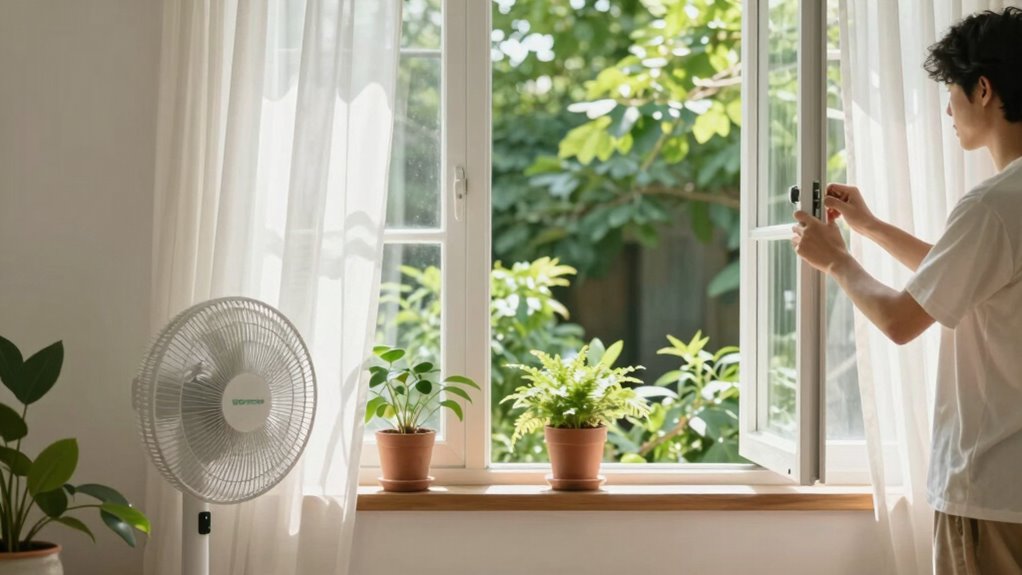
Opening windows and doors is one of the simplest ways to introduce more invigorating air into your home or office. This natural method helps dilute indoor pollutants and improves airflow. To enhance this, add indoor plants, which naturally filter the air and boost oxygen levels. Choose plants like pothos or snake plants, known for their air filtration qualities. Keep windows open during the day when weather permits, allowing invigorating air to circulate and replace stale indoor air. Using air filtration devices, such as HEPA purifiers, can further improve air quality by capturing dust, allergens, and airborne pathogens. Incorporating auditory processing strategies can also help create a more comfortable environment by reducing sensory overload and promoting better focus. Additionally, understanding air quality measures can guide you in making more effective adjustments for a healthier indoor space. Being aware of indoor pollutant sources can help you identify and eliminate common triggers, thereby enhancing overall air quality. Recognizing the role of ventilation techniques can further optimize airflow and reduce the risk of airborne disease transmission. Staying informed about cybersecurity measures related to smart home devices can also prevent unauthorized access and ensure your indoor environment remains safe. Combining these strategies creates a healthier environment, reducing the risk of airborne disease transmission while making your indoor space more comfortable and invigorating.
Top Ventilation Devices to Improve Summer Air Quality

To improve your summer air quality, choosing the right ventilation devices makes a big difference. Portable air purifiers can remove pollutants, while ceiling fans help circulate air more efficiently. Additionally, window ventilation solutions let fresh air in and push stale air out, creating a healthier environment. A well-designed airflow system can significantly enhance indoor air quality and comfort. Incorporating best ventilation devices can further enhance airflow and reduce indoor pollutants effectively. Using ventilation techniques can also help optimize air exchange and maintain a comfortable indoor climate during the hot months. Implementing proper airflow strategies ensures a continuous renewal of indoor air, essential for health and comfort. For added security and control, integrating smart lock systems with your ventilation setup can help manage access and ensure safety during the summer months.
Portable Air Purifiers
During the hot summer months, portable air purifiers become essential tools for maintaining clean indoor air. They effectively filter out pollutants, allergens, and airborne bacteria, boosting your indoor air quality. Using a portable purifier helps create a healthier environment, especially in spaces where outdoor air may carry pollutants. You can also enhance air quality naturally by placing indoor plants nearby, as they help purify the air and add a touch of greenery. These devices are easy to move from room to room, ensuring you get clean air wherever you spend your time. Proper air purifier maintenance is crucial for sustained performance and safety. Regularly replacing filters and cleaning the units helps prevent airborne contaminants from accumulating and ensures optimal operation. Additionally, maintaining good air quality practices, such as controlling humidity levels, can further improve indoor air safety during summer. By combining portable air purifiers with indoor plants, you maximize your air quality improvements, reducing the risk of airborne diseases and making your indoor space safer and more comfortable during summer. Incorporating power quality monitoring devices can further optimize your air purification setup, ensuring efficiency and safety.
Ceiling Fan Efficiency
Ever wondered how to keep indoor air fresh and cool without wasting energy? Improving ceiling fan efficiency is key. A well-optimized fan circulates air effectively, creating a breeze that cools your space without overusing electricity. To enhance airflow optimization, verify your fan blades are clean and properly balanced. Use fans with adjustable speeds and set them to rotate counter-clockwise in summer for maximum air movement. Ceiling fans with energy-efficient motors help reduce power consumption while maintaining strong airflow. Proper placement also matters—install the fan where it can cover the entire room evenly. By focusing on ceiling fan efficiency, you not only improve summer air quality but also save on energy costs, making your home more comfortable and eco-friendly. Regular maintenance, such as inspecting for cable failures or loose wiring, can further ensure your fan operates safely and efficiently.
Window Ventilation Solutions
When outdoor temperatures rise, effective window ventilation becomes essential for maintaining fresh, cool indoor air. Proper ventilation improves air quality and helps prevent disease by reducing indoor pollutants. You can enhance airflow with top window ventilation devices, such as:
- Crank windows that open wide for maximum cross-ventilation
- Window exhaust fans that pull stale air out
- Ventilation screens allowing continuous airflow while keeping insects out
- Indoor plants placed near open windows to naturally filter air and boost freshness
Imagine the breeze carrying away indoor pollutants, while indoor plants absorb toxins and add a touch of nature. These solutions work together to keep your space airy, healthy, and inviting during hot summer days.
How to Use Windows Effectively for Better Summer Ventilation
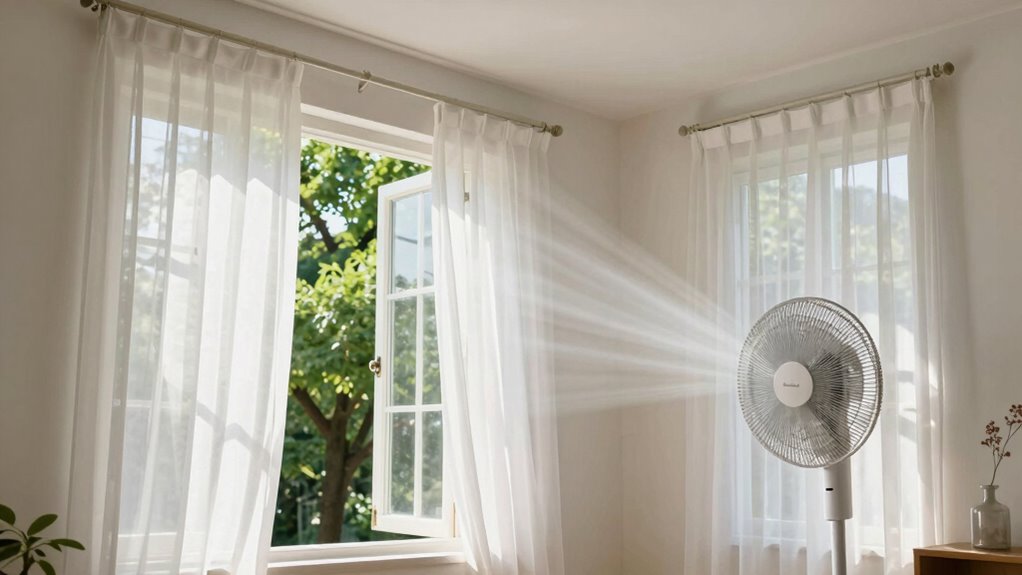
To maximize summer ventilation, you need to open your windows strategically. Start by opening windows on opposite sides of your house to create a cross-breeze, which promotes better airflow. For ideal air purification, consider opening windows during cooler parts of the day, like early morning or evening, to bring in fresh air without overheating your space. Incorporate indoor plants near open windows—they naturally filter pollutants and improve air quality, enhancing your ventilation efforts. Avoid keeping windows open during peak heat or high pollution times, as this can introduce more contaminants. Use window screens to keep insects out while allowing airflow. By timing and positioning your window openings carefully, you’ll boost ventilation, reduce indoor pollutants, and create a fresher, healthier environment throughout summer.
Using Fans and Exhaust Systems to Prevent Airborne Diseases
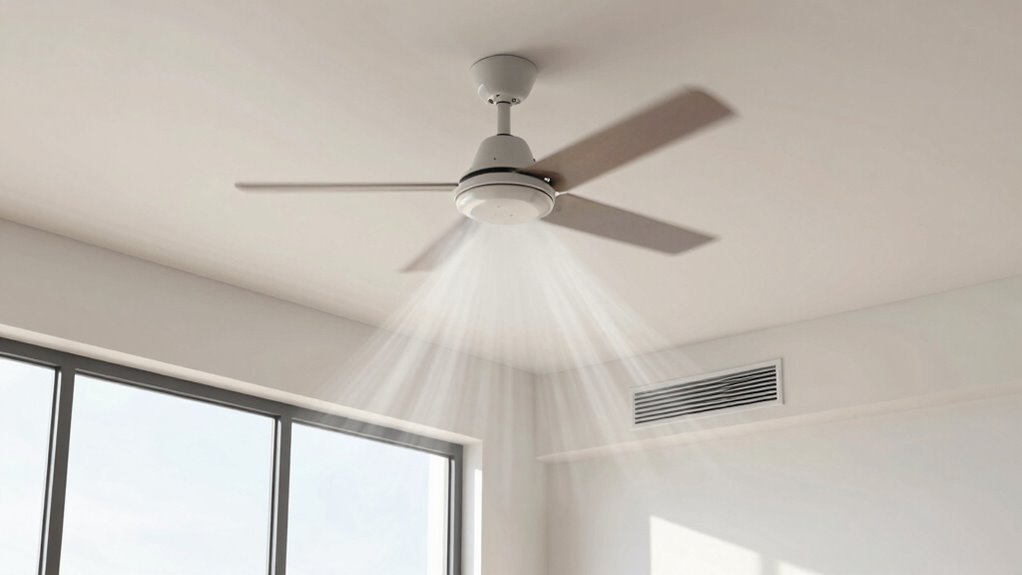
Using fans and exhaust systems can boost air circulation and help prevent airborne diseases in your space. Proper placement reduces the spread of contaminants, making the environment safer. By optimizing these systems, you guarantee cleaner, healthier air throughout your home or office.
Enhancing Air Circulation
Enhancing air circulation is essential for reducing the spread of airborne diseases indoors. Proper airflow prevents stagnant air, making it harder for germs to settle and multiply. Use fans and exhaust systems strategically to promote constant movement. Adding indoor plants can help improve air quality naturally, supporting air filtration and oxygen flow. Visualize a well-ventilated space with:
- Ceiling fans gently circulating air overhead
- Exhaust fans pulling stale air from bathrooms and kitchens
- Indoor plants boosting air filtration naturally
- Open windows allowing fresh air to enter and replace contaminated air
This combination creates a dynamic airflow, reducing the risk of airborne disease transmission. When you optimize circulation, you’re creating a healthier environment that discourages pathogen buildup and supports overall respiratory health.
Reducing Contaminant Spread
Effective use of fans and exhaust systems is essential for preventing the spread of airborne contaminants. Proper placement directs airflow away from shared spaces, reducing contamination risk. Incorporate indoor plants with air filters to naturally improve air quality and trap particles. Use exhaust fans in kitchens and bathrooms to vent pollutants outside quickly. To maximize effectiveness, consider this setup:
| Fan Type | Placement | Purpose |
|---|---|---|
| Ceiling Fan | Central, high ceiling | Circulates air evenly |
| Exhaust Fan | Near contaminant sources | Removes airborne particles |
| Air Filter Fan | Near high-traffic areas | Filters indoor pollutants |
This combination helps contain contaminants, preventing their spread and maintaining healthier indoor air. Proper airflow management is key to reducing airborne diseases efficiently.
Optimizing Ventilation Placement
Proper placement of fans and exhaust systems is essential for preventing the spread of airborne diseases indoors. You want to create a flow that pulls contaminated air away from occupants and exhausts it outside. Position exhaust fans near sources of pollution, like kitchens or bathrooms, and guarantee they vent outdoors, not into other spaces. Use ceiling fans to circulate air gently, avoiding direct drafts on people. Incorporate indoor plants to naturally improve air quality and add a visual barrier that helps trap airborne particles. When placing fans, imagine a steady airflow that:
- Draws air from occupied zones toward exhaust points
- Prevents stagnant air pockets
- Supports natural ventilation strategies
- Complements indoor greenery for cleaner air
This setup maximizes airflow efficiency, reducing airborne disease transmission.
Tips for Maintaining Good Air Quality During Hot, Humid Months

During hot, humid months, maintaining good air quality becomes more challenging as moisture and pollutants tend to accumulate indoors. To combat this, incorporate indoor plants, which naturally filter air and boost overall air quality. Keep windows open when possible to promote cross-ventilation, especially during cooler parts of the day. Use exhaust fans in kitchens and bathrooms to remove excess moisture and pollutants. Regularly clean and replace air filters on your HVAC system for ideal performance. To visualize common issues, see the table below:
| Issue | Solution | Benefit |
|---|---|---|
| Excess humidity | Use dehumidifiers | Prevent mold and mildew |
| Pollutant buildup | Increase ventilation | Improve indoor air quality |
| Poor airflow | Use indoor plants | Naturally purify air |
| Dust accumulation | Regular cleaning | Reduce airborne allergens |
| Stagnant air | Open windows and doors | Enhance airflow |
Common Mistakes That Reduce Your Ventilation Effectiveness
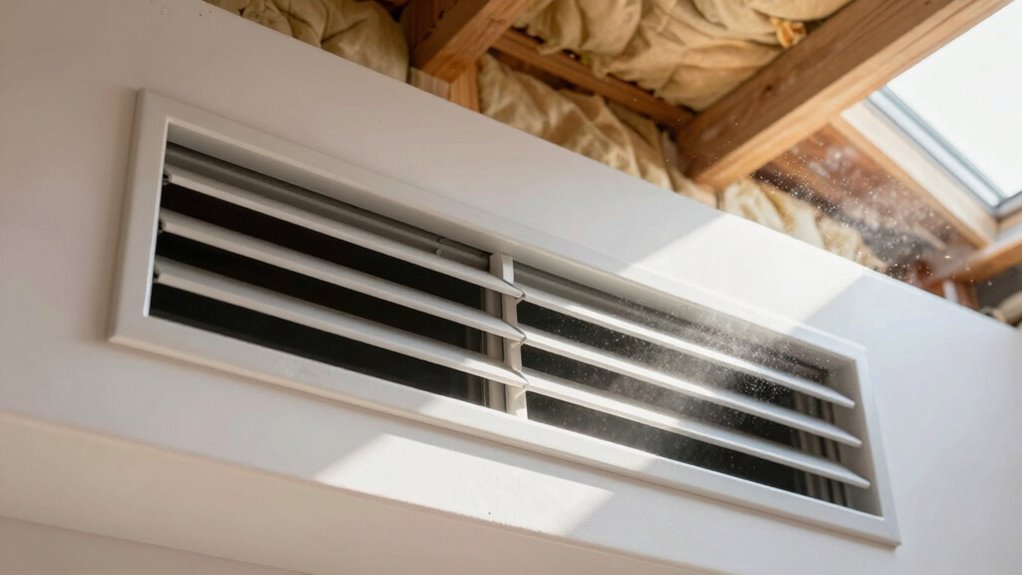
Many common mistakes can undermine your efforts to improve indoor airflow, especially when trying to keep air fresh during hot, humid months. One mistake is overloading rooms with indoor plants, which can trap humidity and reduce airflow instead of enhancing it. Ignoring proper air filtration can allow dust and allergens to circulate, decreasing air quality and airflow efficiency. Blocking vents or closing windows during peak ventilation times hinders fresh air exchange. Additionally, relying solely on fans without proper placement can create stagnant air pockets, reducing overall effectiveness. To avoid these mistakes, guarantee indoor plants are well-maintained, use effective air filtration systems, keep vents open, and position fans correctly for maximum circulation. Proper awareness of these pitfalls helps optimize your ventilation efforts.
How to Measure and Monitor Your Airflow at Home or Work
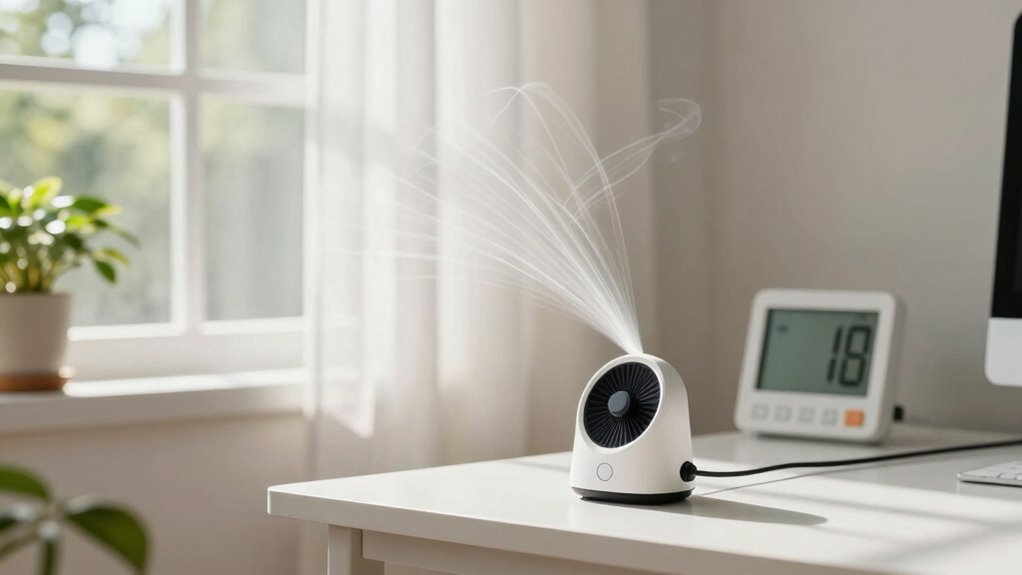
To guarantee your airflow is effective, you need reliable tools like an anemometer or airflow meter to take accurate measurements. Monitoring techniques such as regular checks and recording readings help you spot issues early. With simple tips, you can maintain ideal ventilation and improve air quality at home or work.
Tools for Airflow Measurement
Measuring airflow accurately is essential for guaranteeing proper ventilation and comfort in your home or workplace. To do this, you can use various tools that give you a clear picture of airflow patterns. Airflow sensors are a popular choice—they detect and measure air movement, helping you identify stagnant spots or overly drafty areas. You might also consider an anemometer, which provides quick readings of airflow speed. Indoor plants can serve as natural indicators; if they thrive or struggle, it hints at airflow quality. For a more thorough approach, use smoke sticks or incense to visualize airflow paths. These tools help you fine-tune your ventilation, making your space healthier and more comfortable. Proper measurement ensures you’re effectively reducing the risk of airborne disease.
Monitoring Techniques and Tips
Monitoring your airflow regularly helps you identify problem areas and guarantee your ventilation system works effectively. You can do this by checking airflow at vents, using smoke tests, or simple DIY tools. Place indoor plants strategically to improve air filtration naturally and observe if they thrive, indicating good airflow. Keep an eye on drafts or stagnant spots, which signal poor circulation. Use an anemometer or airflow meter for precise measurements, and compare readings across different rooms. Confirm air filters are clean, and adjust vents to optimize circulation. Remember, consistent monitoring helps catch issues early, maintaining healthy indoor environments.
| Method | Tool Needed | Indicator of Good Airflow |
|---|---|---|
| Visual Inspection | None | Moving air, no stagnant spots |
| Smoke Test | Incense or smoke | Smoke disperses evenly |
| Indoor Plants | Indoor plants | Healthy, thriving plants |
| Airflow Meter | Anemometer | Steady, adequate readings |
| Air filtration check | Replacement filters | Clear, clean filters |
Create a Summer Airflow Routine for Long-Term Health Benefits
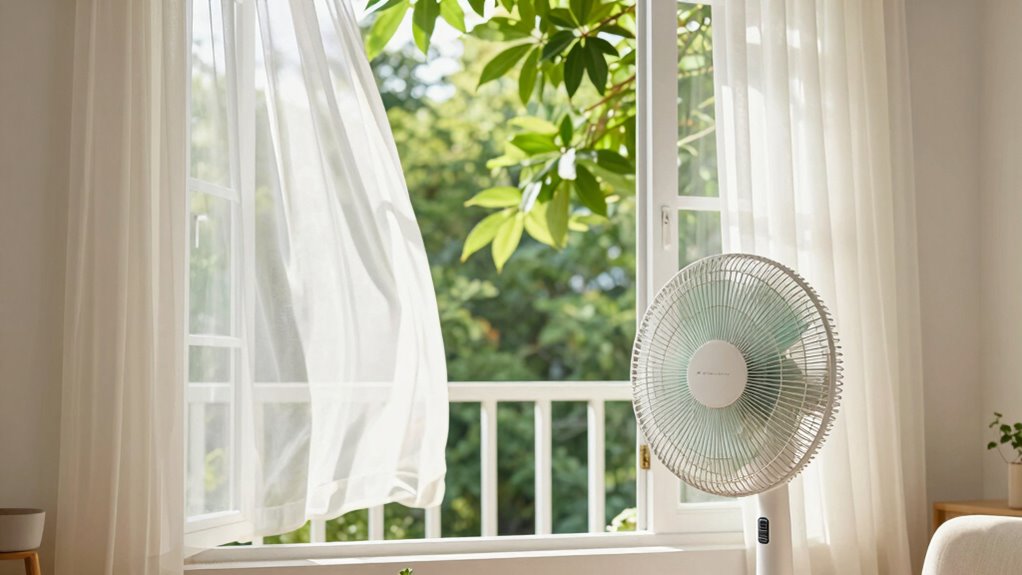
Creating a summer airflow routine that promotes long-term health benefits involves more than just opening windows; it requires intentional strategies to optimize fresh air circulation and maintain indoor air quality. You can achieve this by incorporating elements like indoor plants, which naturally filter air, and humidity control to prevent mold growth. To set up an effective routine:
- Open windows early morning and late evening for fresh air influx
- Use fans to direct airflow without creating drafts
- Maintain indoor humidity between 40-60% with dehumidifiers or humidifiers
- Place indoor plants near windows to enhance air purification and add a natural touch
This routine guarantees consistent airflow, reduces indoor pollutants, and creates a healthier environment that supports your long-term well-being.
Frequently Asked Questions
How Often Should I Check My Home’s Ventilation System During Summer?
You should check your home’s ventilation system at least once a month during summer. Regular HVAC maintenance guarantees the best airflow and prevents issues like mold or poor air quality. During these inspections, clean or replace filters, clear vents of debris, and verify the system runs efficiently. Consistent airflow enhancement not only improves comfort but also reduces the risk of airborne illnesses, keeping your home healthier throughout the season.
Can Plants Improve Indoor Airflow and Air Quality?
Plants can definitely improve indoor airflow and air quality. For example, placing a snake plant near your window enhances air purification, especially in tight spaces. Proper plant placement guarantees they effectively filter pollutants and add fresh oxygen. Not only do plants like pothos boost circulation, but they also absorb toxins, making your home healthier. Incorporate a few strategically positioned plants to naturally elevate your indoor environment during summer.
Are There Specific Airflow Guidelines for Allergy Sufferers?
Yes, allergy sufferers should follow specific airflow guidelines to reduce triggers. Guarantee good ventilation by opening windows regularly or using air purifiers with HEPA filters. Keep airflow steady but avoid drafts that stir up allergens. Ventilation tips include maintaining clean filters, avoiding excessive humidity, and ensuring air circulates without stirring dust or pollen. These steps help minimize allergy triggers and improve indoor air quality.
How Do Weather Patterns Influence Summer Airflow and Ventilation?
You might think weather patterns don’t affect airflow, but they actually do. Wind patterns can either boost or block ventilation, depending on their direction and strength. Temperature variations create pressure differences that drive air movement, influencing how well fresh air circulates. During summer, hot days often cause rising warm air, while cooler evenings can enhance airflow. Understanding these patterns helps you optimize ventilation and reduce allergy or health risks.
What Are Signs of Poor Airflow That Could Impact Health?
If you notice stuffy air, lingering odors, or increased dust, your indoor airflow might be poor. Poor ventilation can cause headaches, allergies, or respiratory issues, so you should prioritize ventilation maintenance. Keep vents clean, open windows when possible, and use fans to improve airflow. These signs indicate your indoor environment isn’t well-ventilated, which could impact your health over time. Proper airflow helps keep your space fresh and safe.
Conclusion
So, now you know the secret to dodging summer sniffles and sneezes: master your airflow! Just a few simple tricks, and you’ll be the reigning champion of fresh air, while germs cower in the corners. Remember, a well-ventilated space isn’t just a luxury—it’s your personal disease-fighting fortress. Who knew that opening a window or investing in a fan could turn you into a summer health superhero? Stay breezy, stay healthy!
Halloween Picks
halloween
As an affiliate, we earn on qualifying purchases.