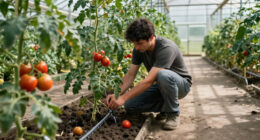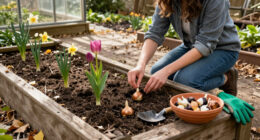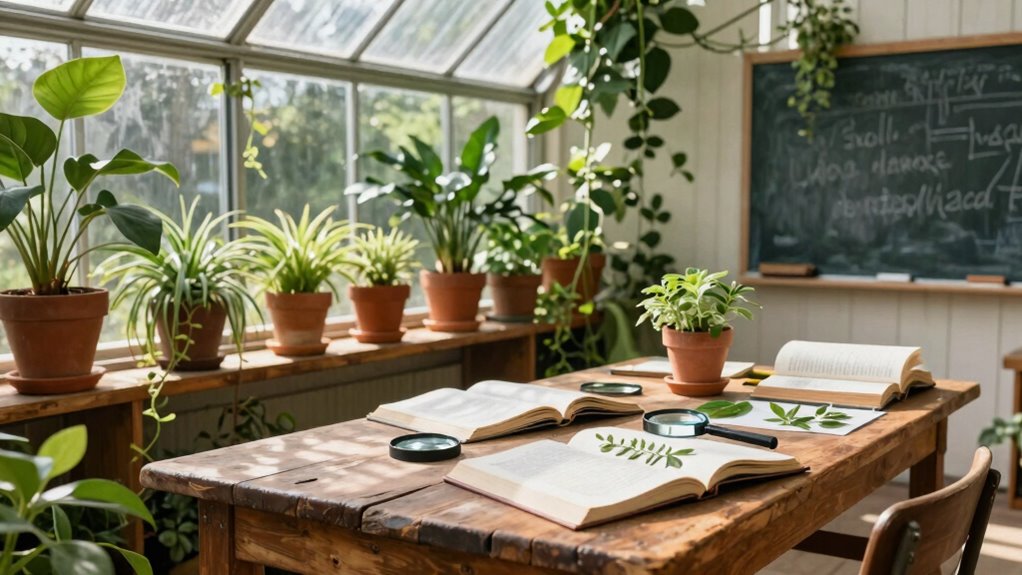
A greenhouse naturally becomes a teaching space by providing a hands-on environment where you can explore plant growth, climate control, and sustainability without much effort. Its design invites curiosity and experimentation, making every visit an opportunity for discovery. You can demonstrate plant propagation, adjust climate settings, and observe how environmental changes affect growth—all in one space. Stick around to learn how this dynamic setting can turn everyday interactions with nature into meaningful learning experiences.

Get garden gear delivered free with Prime
- Fast, free delivery on millions of items
- Prime Video, Amazon Music and more included
- Member-only deals all year
Key Takeaways
- The greenhouse naturally fosters hands-on learning through plant propagation and observation without requiring formal lesson plans.
- Its climate control features demonstrate environmental influences on plant growth, providing intuitive ecological lessons.
- The space encourages curiosity and experimentation, making education feel organic and engaging.
- Simple activities like planting cuttings or seeds teach scientific concepts through direct experience.
- Its versatile design supports diverse lessons on sustainability, pest management, and microclimates effortlessly.
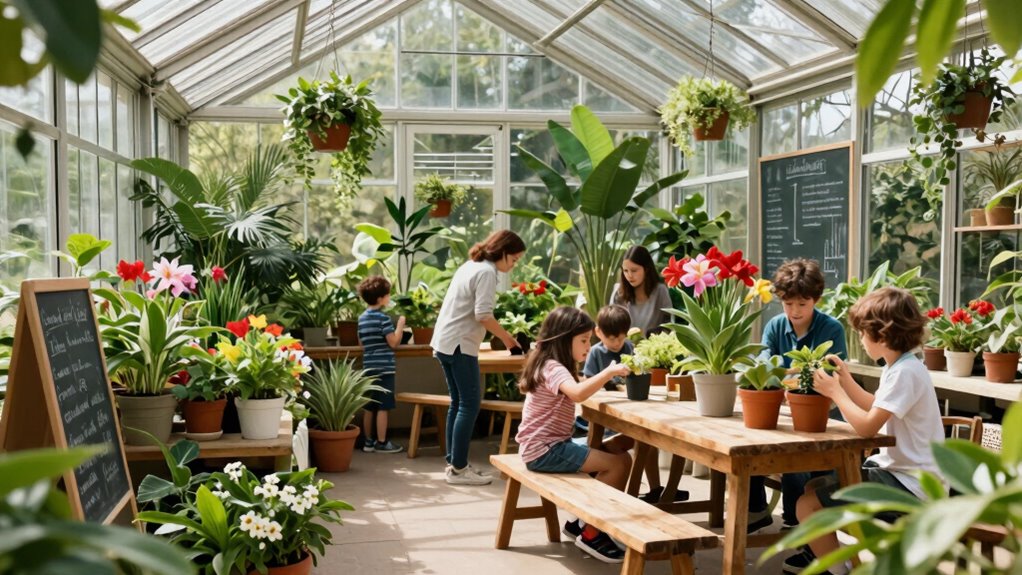
Have you ever considered how a greenhouse can serve as more than just a place for plants? It’s a versatile space that naturally lends itself to hands-on learning, especially when it comes to plant propagation and climate control. When you step into a greenhouse, you’re stepping into a dynamic classroom where concepts come to life, often without the need for formal lessons. The environment itself becomes a teaching tool, inviting curiosity and experimentation.
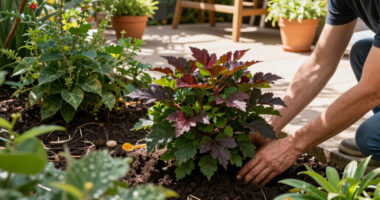
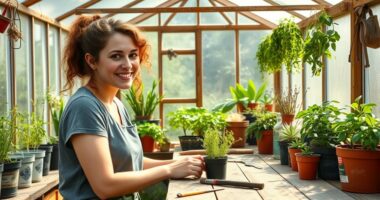
One of the easiest ways to turn a greenhouse into an educational space is through plant propagation. You can demonstrate how plants reproduce from cuttings, seeds, or layering, giving learners a tangible understanding of biological processes. Kids or students can get their hands dirty, taking cuttings, planting seeds, or observing root development. This tactile experience reinforces scientific concepts better than textbooks alone. You don’t need elaborate setups—simple, real-world examples make a significant impact. As they watch roots develop or leaves sprout, learners grasp the fundamentals of plant growth firsthand, making the learning process more engaging and memorable.
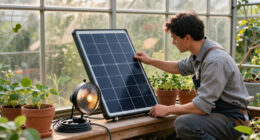
Another key feature that makes a greenhouse an ideal teaching space is climate control. Unlike outdoor gardens, a greenhouse allows you to regulate temperature, humidity, and light levels. This control helps you illustrate how climate influences plant growth, adaptation, and survival. For example, you can simulate different environments to show how plants respond to various conditions, fostering a deeper understanding of ecological relationships. Students can experiment with adjusting vents, shading, or watering schedules, observing the immediate effects on plant health. This hands-on approach transforms abstract concepts into concrete experiences, helping learners see the importance of environmental factors in agriculture and ecology. Additionally, by understanding sustainable gardening practices, learners gain insight into environmentally responsible cultivation methods. Incorporating lessons on climate regulation can further deepen their understanding of eco-friendly gardening techniques. Moreover, a greenhouse’s ability to extend the growing season provides additional opportunities for learners to observe seasonal variations and experiment with climate management techniques. Recognizing the role of microclimates within the greenhouse can help students appreciate how small changes can have significant impacts on plant health.
The beauty of using a greenhouse in this way is that it doesn’t require elaborate setups or extensive resources. Its natural design already supports plant propagation and climate control, so you’re just harnessing what’s available. You can incorporate lessons on sustainable gardening, composting, or even pest management, turning the space into an all-encompassing learning environment. The greenhouse environment also acts as a microclimate, allowing for more precise control and observation. Plus, the controlled environment extends the growing season, giving learners more time to observe and experiment.
In essence, a greenhouse becomes an accessible, adaptable teaching space when you recognize its potential. It’s less about trying to create a formal classroom and more about leveraging the environment’s natural features. With a focus on plant propagation and climate control, you give learners a chance to explore science in a way that’s immediate and meaningful. It’s a space that encourages discovery, making learning about plants and ecosystems both fun and educational—without trying too hard.
Products Worth Considering
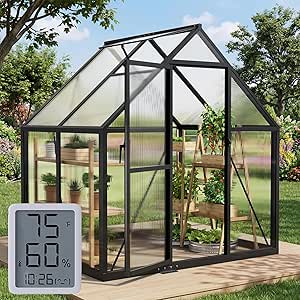
6×4 ft Walk-In Polycarbonate Greenhouse with Hygrometer

VEVOR Walk-In Tunnel Greenhouse with Watering System, 15 x 7 x 7 ft

EVERECO Polycarbonate Greenhouse Panels, 8 ft × 4 ft × 0.24 in, 6-Pack
As an affiliate, we earn on qualifying purchases.
Frequently Asked Questions
How Do I Ensure Safety in an Active Greenhouse Classroom?
To guarantee safety in your active greenhouse classroom, start with hazard identification by regularly inspecting for risks like sharp tools or slippery surfaces. Implement clear safety protocols, such as wearing protective gear and proper handling of equipment. Keep emergency supplies accessible and educate students on safety procedures. Consistently monitor the environment and encourage open communication, so everyone stays aware and prepared, creating a safe, productive learning space.
What Are the Best Plants for Educational Purposes?
Think of your greenhouse as a living classroom, bursting with potential. Sweet basil and cherry tomatoes are perfect for illustrating plant growth, while legumes like peas teach soil health through nitrogen fixation. These plants grow quickly, engaging students in hands-on learning. They also encourage curiosity about how soil nurtures life. With their vibrant leaves and tasty harvests, they turn lessons into lively stories of nature’s magic.
How Can Technology Be Integrated Into Greenhouse Lessons?
You can integrate technology into greenhouse lessons by using sensor integration to monitor temperature, humidity, and soil moisture in real-time. This data allows students to engage with digital learning tools, analyze environmental changes, and make informed decisions. Incorporate interactive dashboards or apps that display sensor readings, encouraging hands-on learning and critical thinking. This approach makes lessons dynamic, tech-savvy, and engaging, helping students connect with environmental science practically and effectively.
What Maintenance Is Required to Keep the Space Teaching-Ready?
To keep your greenhouse teaching-ready, you need regular maintenance like monitoring plant propagation processes and managing compost effectively. Check your watering systems, guarantee proper ventilation, and inspect plants for pests or diseases. Keep compost bins aerated and balanced with green and brown materials. Regular cleaning, pruning, and equipment checks help maintain a healthy environment, making your space an engaging, safe learning area for students.
How Do I Adapt the Greenhouse for Different Age Groups?
Imagine opening the doors to wonder—adapting your greenhouse for all ages. You can tailor gardening activities with simple tools for young children, while older students can handle more complex projects. Use interactive displays to engage different learning levels, making science come alive. By customizing your approach, you create a nurturing space where curiosity blossoms at every age, making learning both fun and meaningful for everyone.
Conclusion
As you step into this transformed greenhouse, you see growth in every corner, curiosity blooming with each lesson, and discovery thriving in every breath. You feel the warmth of learning radiate like sunlight, the roots of knowledge deepen with every conversation, and the seeds of inspiration sprout effortlessly. This space becomes more than just a greenhouse; it becomes a sanctuary of growth, a hub of exploration, and a proof to how education blossoms when you nurture it with intention.