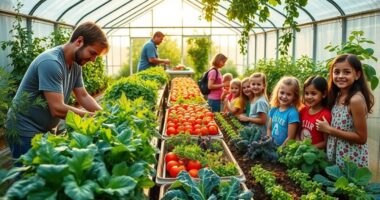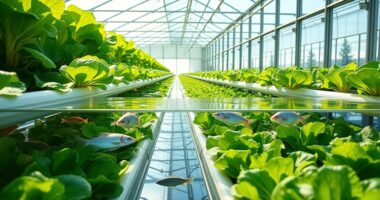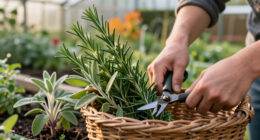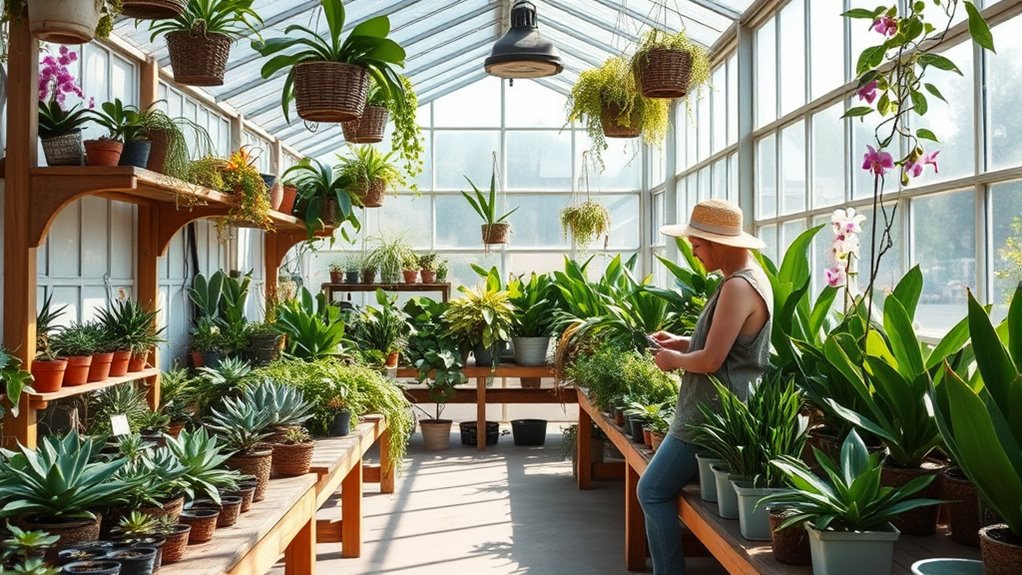

Turning your greenhouse hobby into a thriving business begins with nurturing your passion and optimizing your space through sustainable practices like vertical farming and hydroponics. Focus on building a local brand by partnering with restaurants or markets and leveraging social media to attract eco-conscious customers. Incorporate renewable energy and community engagement to make your venture more sustainable and resilient. If you keep exploring, you’ll discover how to transform your green thumb into a lasting, impactful enterprise.

Get garden gear delivered free with Prime
- Fast, free delivery on millions of items
- Prime Video, Amazon Music and more included
- Member-only deals all year
Key Takeaways
- Start with small, manageable greenhouse projects driven by passion and experimentation.
- Focus on sustainable practices like organic growth, water conservation, and renewable energy use.
- Build a brand through community engagement, local partnerships, and social media marketing.
- Expand gradually by diversifying crops and adopting vertical farming or hydroponic systems.
- Transition from hobbyist to entrepreneur by establishing reliable supply chains and demonstrating profitability.
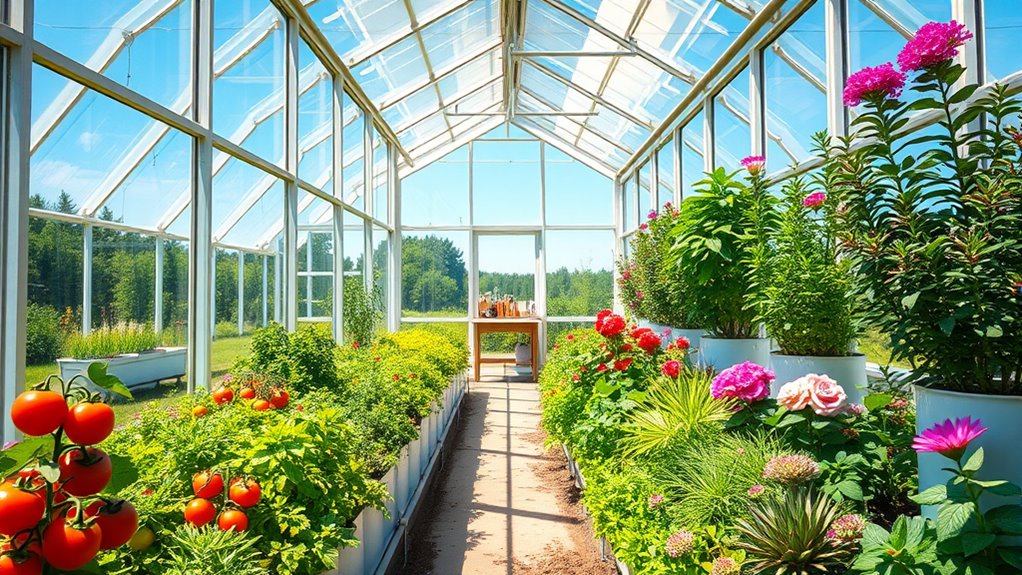
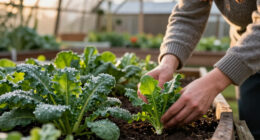
Have you ever wondered what it’s like to step into a lush greenhouse filled with vibrant plants and fresh growth? It’s a place where your passion for gardening transforms into a sustainable farming venture, blending innovation with tradition. This journey often begins as a hobby—something to nurture on weekends or after work—but it can quickly evolve into a thriving business. As you immerse yourself in greenhouse gardening, you discover the power of urban agriculture, turning small spaces into productive, green hubs that support local food systems. Growing your own produce in a greenhouse allows you to control the environment, ensuring healthier plants and higher yields, all while reducing your carbon footprint. This focus on sustainable farming practices becomes a core part of your approach, emphasizing eco-friendly methods like composting, water conservation, and organic pest control.
Transitioning from hobbyist to entrepreneur involves understanding the potential of urban agriculture. You realize that greenhouses aren’t just for personal enjoyment—they can be the backbone of a local food movement. By cultivating vegetables, herbs, and even fruits in a controlled environment, you’re creating a reliable supply chain that benefits your community. You learn to optimize space and resources, utilizing vertical farming techniques or hydroponic systems to maximize output in limited areas. This innovative approach aligns with sustainable farming principles, reducing land use and minimizing waste. Additionally, integrating trusted custodians for managing your Bitcoin IRA can provide secure, compliant storage options for your investment funds. As demand for fresh, locally grown food increases, your greenhouse business gains momentum, providing not only nutritious produce but also educational opportunities and community engagement.
Growing your greenhouse operation requires strategic planning and a clear understanding of market needs. You might start with a small setup, experimenting with different crops to see what sells best. Over time, you develop a brand rooted in sustainability, emphasizing organic practices and environmentally friendly methods. You explore partnerships with local restaurants, markets, and schools, expanding your reach. Social media becomes an essential tool for sharing your journey, attracting customers who value eco-conscious, farm-to-table options. As your confidence grows, you might even incorporate renewable energy sources like solar panels to power your greenhouse, further reducing your environmental impact. This commitment to sustainable farming within urban agriculture not only makes your business more resilient but also inspires others to follow suit.
Eventually, you realize your greenhouse isn’t just a business—it’s a movement. It demonstrates that cultivating food responsibly in city environments is possible and profitable. Your journey from hobby to business embodies the principles of urban agriculture, proving that with passion, innovation, and sustainability at the core, you can transform a simple greenhouse into a lasting, impactful enterprise.
As an affiliate, we earn on qualifying purchases.
Frequently Asked Questions
What Are the Initial Costs to Start a Greenhouse Business?
Starting a greenhouse business costs around $2,000 to $10,000, depending on size and setup. Your cost breakdown includes purchasing the greenhouse structure, climate control systems, and initial plants or seeds. You’ll also need tools and soil. For investment tips, compare prices, consider DIY options, and plan for ongoing expenses. Keeping costs low at the beginning helps you grow sustainably and avoid unnecessary debt.
How Do I Choose the Right Location for My Greenhouse?
Choose a location with ample sunlight, ideally with solar energy potential to reduce energy costs. Make certain the site has reliable access to water sources for efficient irrigation systems. Look for flat or gently sloping land to facilitate drainage and ease construction. Proximity to markets and suppliers is also key. By prioritizing solar energy, water access, and good accessibility, you’ll set your greenhouse up for success.
What Are Common Pests and How Can I Control Them?
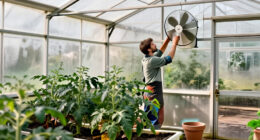
You’ll often face pests like aphids, spider mites, and whiteflies in your greenhouse. To control them, focus on pest prevention by maintaining cleanliness and proper ventilation. Use natural remedies like neem oil or insecticidal soap to target pests safely without harming your plants. Regularly inspect your plants, remove affected leaves, and introduce beneficial insects like ladybugs to keep pest populations under control.
How Can I Market My Greenhouse Products Effectively?
To market your greenhouse products effectively, leverage social media platforms like Instagram and Facebook to showcase your unique offerings and behind-the-scenes processes. Develop strong branding strategies that highlight your quality and sustainability. Engage with your audience regularly through posts, stories, and comments to build loyalty. Collaborate with local markets or influencers to expand your reach. Consistent branding and active online presence will attract more customers and help grow your greenhouse business.
What Permits or Licenses Are Required to Operate?
You need to check local zoning regulations to verify your greenhouse is compliant and obtain any necessary environmental permits, especially if you plan to use chemicals or generate runoff. Contact your city or county offices to clarify permit requirements. You might also need a business license or health permits depending on your products. Staying informed and securing all permits before starting helps you avoid fines and legal issues.
Conclusion
Remember, every great business starts with a small step, and your greenhouse journey is no different. With passion and persistence, you can turn your hobby into a thriving venture. Keep learning, adapting, and tending to your plants like a gardener tending to their dreams. As the saying goes, “Rome wasn’t built in a day,” so stay patient and committed. Your green thumb and dedication will surely blossom into success.
Halloween Picks
halloween
As an affiliate, we earn on qualifying purchases.