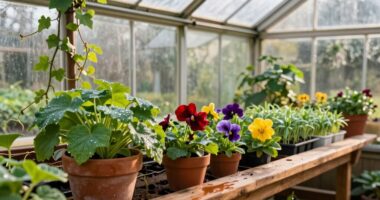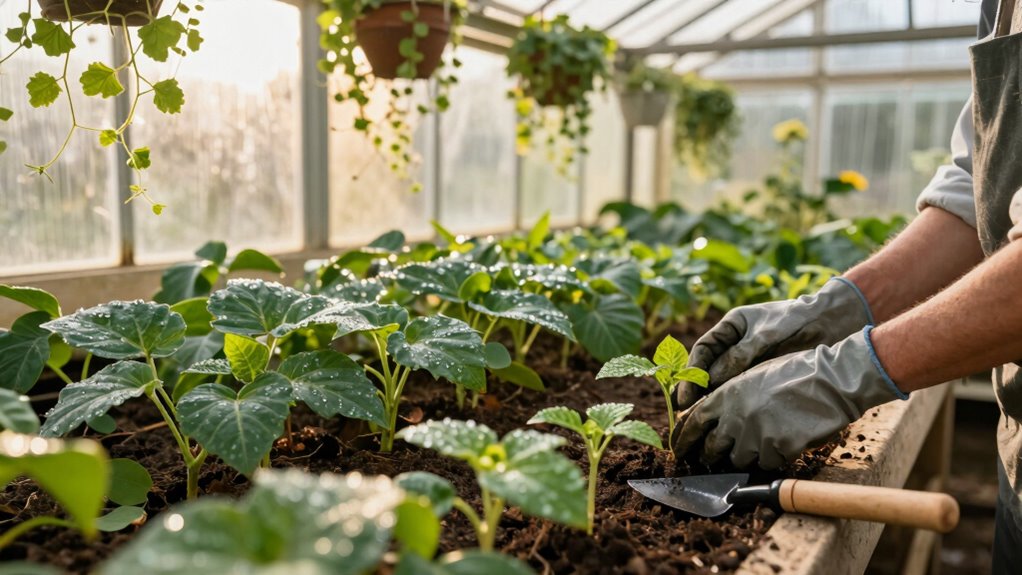

Your greenhouse journey matters more than just big harvest numbers because sustainable practices and worker well-being guarantee long-term success. Focusing only on immediate yields overlooks key factors like eco-friendly methods, crop quality, and environmental impact. When you prioritize resilience, ethical standards, and system health, your operation becomes more resilient and respected. By embracing these values, you’ll build a thriving, responsible greenhouse that lasts. Keep exploring to discover how this mindset transforms your approach.

Get garden gear delivered free with Prime
- Fast, free delivery on millions of items
- Prime Video, Amazon Music and more included
- Member-only deals all year
Key Takeaways
- Sustainable practices ensure long-term productivity and environmental health beyond immediate harvest figures.
- Worker well-being enhances crop quality, safety, and overall greenhouse efficiency.
- Ethical operations build reputation and customer trust, prioritizing responsibility over sheer yield.
- Biodiversity and energy efficiency improve system resilience and reduce operational costs.
- Long-term success depends on land, ecosystem health, and social responsibility, not just harvest volume.
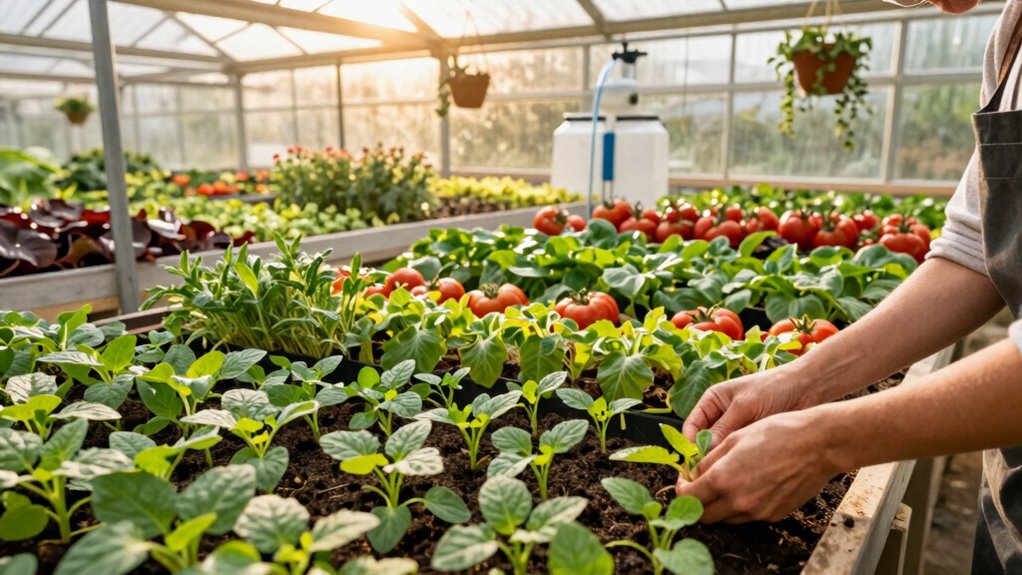
While harvest numbers often grab headlines, they don’t tell the whole story of a greenhouse’s success. It’s easy to focus solely on how many pounds of produce you’ve gathered or how quickly crops grow. But true success extends beyond the initial yield. It’s about the sustainable practices you implement and the well-being of your workers. These elements shape not just the quality of your harvest but also the long-term health of your operation.
Sustainable practices are the backbone of a greenhouse that values more than just immediate output. When you prioritize eco-friendly methods—such as water conservation, integrated pest management, and energy efficiency—you’re investing in the resilience of your system. These practices reduce waste, lower costs, and lessen your environmental footprint. More importantly, they establish a foundation that can support consistent production over time, regardless of external pressures like climate change or market fluctuations. Your focus on sustainability shows that you care about the future, not just the current harvest, and that kind of foresight often leads to stronger, more reliable yields down the line.
Equally vital is worker well-being. When you treat your team with respect and care, you cultivate a healthier, more motivated workforce. This doesn’t just mean providing safety equipment or appropriate breaks; it’s about creating an environment where workers feel valued and empowered. When employees are happy and healthy, they’re more attentive, less prone to mistakes, and more committed to quality. This results in better crop handling, reduced spoilage, and ultimately, a more successful greenhouse. Plus, fostering a positive work environment builds loyalty and reduces turnover, which can save you time and resources in the long run. Incorporating sustainable practices such as biodiversity can further enhance the ecological balance and resilience of your greenhouse environment. Recognizing the importance of worker well-being is essential for maintaining a sustainable and productive operation that benefits everyone involved. Additionally, embracing energy efficiency not only reduces operational costs but also minimizes environmental impact, reinforcing your commitment to sustainability.
Focusing on these less-visible aspects might not generate the immediate buzz that big harvest numbers do, but they have a profound impact on your greenhouse’s sustainability and reputation. Customers increasingly value produce that’s grown responsibly and ethically. Your commitment to sustainable practices and worker well-being signals that you’re not just chasing numbers but building a resilient, ethical operation that can thrive in the future. When you understand that some journeys matter more than harvest figures alone, you recognize that true success lies in the care you give to your land, your environment, and your people. That’s what makes a greenhouse truly worthwhile—beyond the pounds collected or the accolades received.
Products Worth Considering

EVERECO Polycarbonate Greenhouse Panels, 8 ft × 4 ft × 0.24 in, 6-Pack
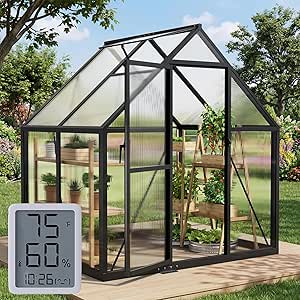
Sylviera 6 x 4 ft Polycarbonate Greenhouse with Hygrometer

Orbit B-hyve XD 4-Port Smart Hose Watering Timer with Wi-Fi Hub
As an affiliate, we earn on qualifying purchases.
Frequently Asked Questions
How Do Greenhouse Journeys Impact Local Communities?
Greenhouse journeys impact your local community by fostering community engagement and promoting cultural preservation. As you participate, you help build stronger connections among residents, encouraging shared responsibility for sustainable practices. These journeys also highlight local traditions and knowledge, preserving cultural heritage. By supporting such initiatives, you contribute to a resilient community that values environmental stewardship and celebrates its unique cultural identity, making a lasting positive difference for everyone involved.
What Emotional Benefits Do Greenhouse Experiences Provide?
Imagine stepping into a greenhouse and feeling your worries melt away—that’s the emotional benefit. You cultivate mindfulness as you slow down and connect with nature, while sensory engagement heightens your awareness of vibrant colors, soothing scents, and textured leaves. This immersive experience nurtures calmness, joy, and a renewed sense of wonder. Greenhouse journeys truly feed your soul, offering emotional nourishment that lingers long after you leave.
How Do Greenhouse Journeys Influence Environmental Awareness?
Greenhouse journeys boost your environmental awareness by showing you sustainable practices firsthand, like water conservation and eco-friendly pest control. As you explore, you realize how these efforts support biodiversity conservation, helping protect native species and ecosystems. This hands-on experience inspires you to adopt greener habits in your daily life, understanding that small changes can contribute to a healthier planet. Your journey becomes a powerful reminder of your role in environmental stewardship.
Are Greenhouse Journeys Accessible to Everyone?
Imagine a garden path that welcomes all visitors, regardless of their abilities—that’s what accessible greenhouse journeys aim for. While accessibility barriers exist, inclusive design seeks to remove them, making these experiences possible for everyone. Though challenges remain, increasing awareness and thoughtful planning help guarantee more people can explore greenhouses, connect with nature, and learn about sustainability. Everyone deserves a chance to walk through this vibrant, educational garden.
What Role Do Greenhouse Journeys Play in Education?
Greenhouse journeys play a crucial role in education by allowing you to observe plant growth firsthand and understand sustainable practices. They give you a chance to learn about ecosystems, conservation, and responsible farming methods in a controlled environment. As you explore, you develop a deeper appreciation for environmental stewardship, gaining practical knowledge that encourages eco-friendly choices. These journeys inspire you to think critically about sustainability and how it impacts our world.
Conclusion
Remember, it’s not just about the size of the harvest but the journey you take to get there. Every step in sustainable greenhouse practices shapes a better future for our planet and future generations. As the saying goes, “It’s the journey, not the destination,” that truly matters. Your efforts today plant seeds of change, proving that caring for the process can lead to a more resilient and hopeful tomorrow. Keep nurturing those green journeys—they’re worth more than numbers.