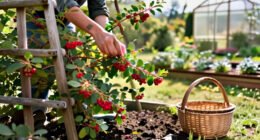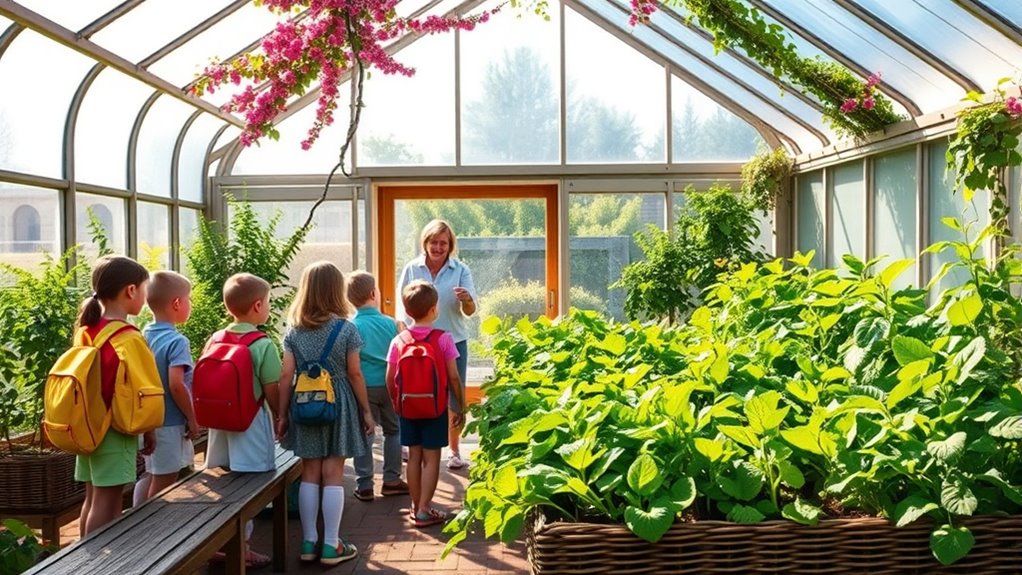

Using greenhouses as outdoor classrooms allows you to create an engaging learning environment where students get hands-on experience with plant growth, ecology, and sustainability. You can teach plant propagation, eco-friendly practices, and connect science with art and geography. This approach transforms traditional lessons into practical, memorable activities that foster curiosity, critical thinking, and eco-consciousness. If you keep exploring, you’ll discover more ways to make your outdoor space an inspiring educational tool.

Get garden gear delivered free with Prime
- Fast, free delivery on millions of items
- Prime Video, Amazon Music and more included
- Member-only deals all year
Key Takeaways
- Greenhouses provide hands-on learning environments that foster active student participation in plant growth and ecological processes.
- They serve as ideal settings for teaching plant propagation, reproduction, and biodiversity through real-time observation.
- Using greenhouses promotes sustainable practices like composting and water conservation, instilling eco-friendly habits.
- They facilitate interdisciplinary lessons linking plant science with geography, art, and chemistry for comprehensive education.
- Greenhouses transform traditional classrooms into experiential spaces that develop practical skills, environmental awareness, and critical thinking.

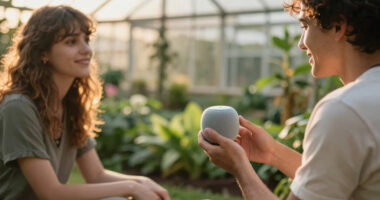
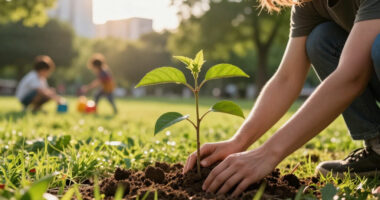
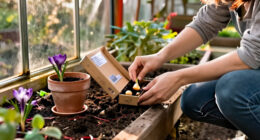
Greenhouses offer a unique outdoor classroom experience that combines hands-on learning with the beauty of nature. When you step into a greenhouse, you’re not just observing plants; you’re actively participating in their growth and understanding the intricate processes behind it. One of the most engaging activities you can introduce in this setting is plant propagation. This technique allows students to learn how new plants are created from existing ones, whether through cuttings, layering, or seed starting. As you guide students through the process, they see firsthand how plants reproduce, which deepens their appreciation for botany and ecology. Plus, plant propagation in a greenhouse setting offers immediate results, which keeps students motivated and *enthusiastic* to experiment. This practical approach helps foster a sense of curiosity, encouraging learners to think critically about plant life cycles and the importance of biodiversity. Monitoring changes in plant development can also teach students about growth stages and how environmental factors influence plant health.
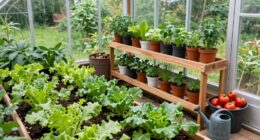
Using greenhouses as outdoor classrooms also promotes sustainable education. Here, you can emphasize eco-friendly practices like composting, water conservation, and organic pest management. When students see these methods in action, they understand how sustainable agriculture contributes to environmental health. Greenhouses provide a controlled environment where you can demonstrate how small changes in gardening techniques can reduce the ecological footprint. Integrating sustainability into your lessons makes the experience more meaningful, inspiring students to adopt eco-conscious habits in their daily lives. It’s a powerful way to instill environmental responsibility, showing that even in a small space, positive change is possible.
Furthermore, greenhouses serve as excellent platforms for interdisciplinary learning. You can connect plant science with subjects like geography, chemistry, and even art. For example, students might analyze soil samples, create botanical illustrations, or study the climate conditions that influence plant growth. This holistic approach not only enriches their understanding but also highlights the interconnectedness of natural systems. As you facilitate these activities, you foster critical thinking and problem-solving skills, essential for cultivating a sustainable mindset. The greenhouse becomes more than just a place to grow plants; it becomes a dynamic learning environment where students develop a broader perspective on environmental stewardship.
In essence, using greenhouses as outdoor classrooms transforms traditional education into an immersive, experiential journey. By focusing on plant propagation, you provide practical skills and scientific understanding, while emphasizing sustainable education helps instill eco-friendly values. This combination equips students with the knowledge and motivation to become responsible stewards of the environment, ensuring that the lessons learned extend beyond the greenhouse walls and into their everyday lives.
greenhouse kit for outdoor classrooms
As an affiliate, we earn on qualifying purchases.
As an affiliate, we earn on qualifying purchases.
Frequently Asked Questions
How Can Greenhouses Be Adapted for Different Age Groups?
You can adapt greenhouses for different age groups by incorporating age-appropriate activities and design adaptations. For young children, include simple planting tasks and colorful, easy-to-navigate layouts. For older students, introduce more complex experiments and hands-on projects. Use adjustable shelving and safety features to suit their needs. By customizing activities and design, you guarantee each age group engages meaningfully, fostering curiosity and learning in a safe, supportive environment.
What Safety Measures Are Necessary for Outdoor Greenhouse Classes?
Like a knight guarding their castle, you must prioritize safety in outdoor greenhouse classes. You’ll want to implement hazard prevention by securing tools and ensuring proper ventilation. Always have emergency preparedness plans, including first aid kits and clear exit routes. Keep students supervised, and remind them about safe handling of plants and equipment. Regularly inspect the greenhouse for potential hazards to create a secure learning environment where everyone can thrive.
How Do Greenhouses Impact Student Engagement and Learning Outcomes?
Greenhouses considerably boost your student engagement and learning outcomes by providing hands-on experiences with plant growth and environmental education. As students observe and care for plants, they become more motivated and curious. This active involvement helps deepen their understanding of ecosystems, sustainability, and biology. By creating an interactive environment, greenhouses make learning more meaningful, inspiring students to explore science concepts practically and retain information better.
What Are the Cost Considerations for Implementing Greenhouse Classrooms?
You should consider the initial investment required for greenhouse classrooms, including purchasing the structure, equipment, and necessary supplies. Maintenance costs, such as climate control, repairs, and ongoing supplies, also add up over time. While the upfront costs can be significant, they often lead to long-term educational benefits. Planning your budget carefully guarantees you can sustain the greenhouse environment without compromising other school resources or programs.
How Can Greenhouses Be Integrated Into Existing Curriculum Standards?
Ever wondered how greenhouses fit seamlessly into your curriculum? You can integrate them by aligning activities with standards like urban farming and hydroponic systems. Why not design lessons around sustainable agriculture, plant biology, or environmental science? This hands-on approach not only meets curriculum goals but also sparks student interest. By incorporating real-world applications, you make learning engaging and relevant, helping students connect classroom concepts with practical experiences.
Conclusion
By embracing greenhouses as outdoor classrooms, you gently open the door to nature’s quiet lessons. These spaces subtly nurture curiosity, patience, and understanding without overwhelming students. As you guide them through growing plants and exploring ecosystems, you help foster a love for learning that blooms naturally. So, consider this approach as a gentle invitation—an opportunity to let curiosity flourish in a nurturing environment, where every lesson is a soft whisper from the earth.
Halloween Picks
halloween
As an affiliate, we earn on qualifying purchases.