
TL;DR

Get garden gear delivered free with Prime
- Fast, free delivery on millions of items
- Prime Video, Amazon Music and more included
- Member-only deals all year
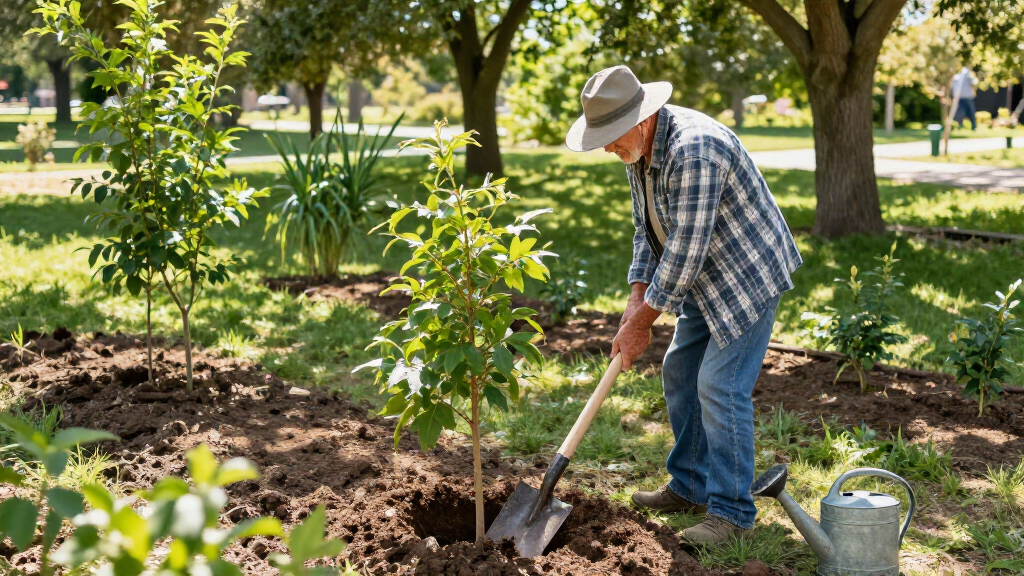
A retired resident of Sao Paulo has planted trees on abandoned land, creating the city’s largest park. The project was driven by personal initiative and community effort, now recognized officially.
A retired man in Sao Paulo has transformed a neglected, abandoned parcel of land into the city’s largest park through his dedicated tree-planting efforts. This grassroots initiative has gained official recognition, marking a significant change in urban green space management and community involvement.
The project was initiated by José Oliveira, a 68-year-old retiree who began planting trees on a piece of vacant land in the southern part of Sao Paulo about three years ago. The land, previously overlooked and overgrown, was officially designated as a park after local authorities acknowledged the scope of Oliveira’s efforts and the ecological benefits it provided.
According to Sao Paulo’s municipal environment department, the land covers approximately 150 hectares and now hosts over 100,000 trees. The park, named Oliveira Park, has become a vital green corridor in an increasingly urbanized area, offering habitat for local wildlife and recreational space for residents.
Oliveira, who initially started planting trees as a personal hobby, received support from community volunteers and local NGOs, helping expand the project. City officials have now officially recognized Oliveira’s work, integrating the park into the city’s broader green infrastructure plans.
Impact of the Green Space on Sao Paulo’s Urban Environment
The transformation of neglected land into Oliveira Park significantly increases urban green space in Sao Paulo, which faces challenges related to air pollution, heat islands, and biodiversity loss. The park provides ecological benefits, including improved air quality, temperature regulation, and habitat for native species. It also demonstrates how individual efforts can lead to large-scale environmental improvements and inspire community-led initiatives in urban areas.
As an affiliate, we earn on qualifying purchases.
Sao Paulo’s Urban Green Space Development and Challenges
Sao Paulo has historically struggled with limited green spaces amid rapid urban growth. Official efforts to expand parks and green zones have often been hampered by land scarcity and bureaucratic delays. Oliveira’s initiative is notable as a grassroots response to these challenges, highlighting the potential for community-driven environmental projects. Similar efforts have gained attention in other parts of the city, but Oliveira’s project is now the largest of its kind.
“Oliveira’s project exemplifies how individual initiative can contribute significantly to urban ecological health.”
— Sao Paulo Municipal Environment Department
Unresolved Questions About Long-Term Maintenance and Expansion
It is not yet clear how the city plans to maintain Oliveira Park in the long term or whether Oliveira’s model will be replicated elsewhere. Details about ongoing funding, management, and potential expansion are still emerging, and the sustainability of the project depends on continued community and government support.
Next Steps for Oliveira Park and Community Engagement
City officials have announced plans to incorporate Oliveira Park into the city’s official green infrastructure strategy, with potential funding for maintenance and further development. Oliveira himself has expressed willingness to continue planting and caring for the park, and there may be initiatives to replicate this model in other neglected areas of Sao Paulo.
Key Questions
How did Oliveira manage to transform the land into a park?
He started planting trees on the neglected land three years ago, supported by community volunteers and NGOs, gradually expanding the green space until it became the city’s largest park.
What is the size of Oliveira Park?
Approximately 150 hectares, making it the largest green space created from a grassroots initiative in Sao Paulo.
Will the city take over maintenance of the park?
City officials have announced plans to integrate the park into official green infrastructure efforts, but long-term maintenance details are still being finalized.
Can this initiative be replicated in other parts of Sao Paulo?
Potentially, yes. Oliveira’s success provides a model for community-led green space development, but resource availability and local support will influence replication efforts.
Source: hn
Fall yard work Picks
leaf blowers
As an affiliate, we earn on qualifying purchases.