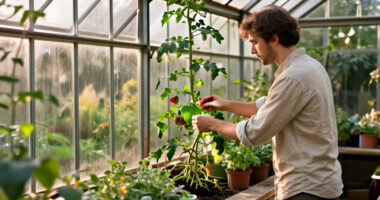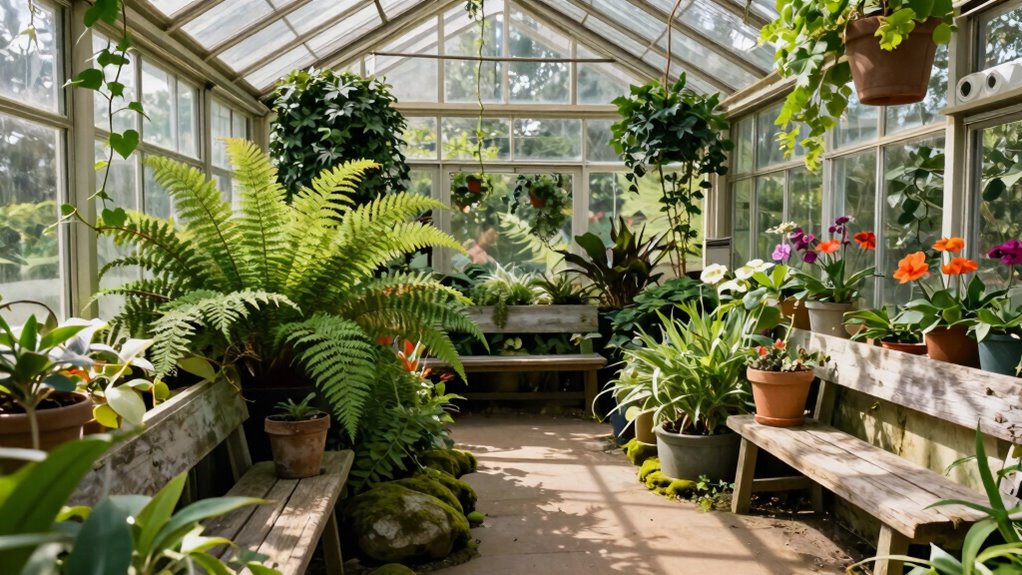

A shared greenhouse can strengthen your community by encouraging residents to take collective responsibility for its care, fostering pride, and building stronger social bonds. It becomes a hub for activities, education, and collaboration, inspiring sustainable practices and lasting partnerships. Over time, it symbolizes unity and community achievement, boosting resilience and activism. This shared space not only enhances neighborhood beauty but also nurtures connections that can grow into lasting relationships—keep exploring how this transformation can truly impact your community.

Get garden gear delivered free with Prime
- Fast, free delivery on millions of items
- Prime Video, Amazon Music and more included
- Member-only deals all year
Key Takeaways
- Fosters community pride through collective care and visible environmental improvements.
- Builds social bonds via workshops, gatherings, and shared activities.
- Establishes long-term partnerships that promote ongoing neighborhood development.
- Encourages resource sharing and collaboration with local organizations and businesses.
- Serves as a symbol of unity, inspiring activism and social cohesion over time.

The ongoing collaboration around the greenhouse encourages residents to take ownership of their neighborhood’s well-being. When everyone contributes, whether by planting, watering, or maintaining the space, a shared sense of responsibility grows. This collective effort not only improves the environment but also boosts local pride, making residents more invested in their community’s future. As you see the fruits of your labor flourish, you’ll feel a deeper connection to your surroundings and neighbors alike. The greenhouse becomes a focal point for social gatherings, educational workshops, and volunteer activities. These events foster informal interactions, strengthening the social fabric of the neighborhood. Building a sense of community through shared activities creates a foundation for further collaborative efforts. Additionally, engaging in urban agriculture enhances residents’ knowledge about sustainable practices and healthy living. Participating in these initiatives can also inspire a culture of sustainability that benefits the entire community over time. Over time, the community bonds formed through shared urban agriculture projects can lead to lasting partnerships. Residents may realize that they share more than just a love for gardening—they share concerns, hopes, and visions for their neighborhood. This common ground encourages collective problem-solving and cooperative initiatives beyond the greenhouse, such as neighborhood cleanups or safety patrols. The sense of camaraderie built in this environment can inspire sustained activism and community-led improvements. Moreover, the development of shared resources and knowledge often enhances the community’s capacity to implement efficient and sustainable practices in their gardening efforts. Additionally, as the greenhouse matures, it often attracts local organizations and businesses that want to support or collaborate. This creates a ripple effect, expanding the community’s network of resources and opportunities. You might find local schools using the space for educational programs or markets where residents sell their produce. All these elements contribute to a vibrant, resilient community where urban agriculture isn’t just about growing food—it’s about growing a sense of unity and shared purpose. Over time, the shared greenhouse becomes a symbol of what can be achieved when people come together, cultivating not just plants but also stronger, more connected neighborhoods.
Products Worth Considering

VEVOR Walk-In Tunnel Greenhouse with Watering System, 15 x 7 x 7 ft

EAGLE PEAK 12 x 8 ft Walk-In Pop-Up Greenhouse with Support Pole

Palram Canopia Mythos 6' x 8' Polycarbonate Greenhouse, Silver
As an affiliate, we earn on qualifying purchases.
Frequently Asked Questions
How Do Shared Greenhouses Impact Local Biodiversity?
Shared greenhouses positively impact local biodiversity by supporting pollinator populations and preserving native plants. You encourage pollinators like bees and butterflies, which helps plants reproduce and thrive naturally. By growing native species, you protect local ecosystems and maintain regional plant diversity. This shared space fosters a community that values environmental health, ultimately creating a balanced habitat that benefits both wildlife and the surrounding environment over time.
What Are the Long-Term Financial Benefits for Community Members?
Did you know that cooperative investments in shared greenhouses can boost household savings by up to 30% over five years? You’ll benefit from improved food security, reduced grocery bills, and increased access to fresh produce. This fosters financial sustainability for your community. Over time, the shared effort lowers individual costs, maximizes crop yields, and creates a resilient local economy, making collective investment in greenhouses a smart, long-term financial strategy.
How Is Conflict Resolution Managed Among Greenhouse Participants?
You manage conflict resolution among greenhouse participants by establishing clear communication protocols upfront, ensuring everyone knows how to voice concerns. When disagreements arise, you facilitate conflict mediation sessions, encouraging open dialogue and active listening. By creating a respectful environment and setting guidelines for communication, you help resolve issues quickly, maintain harmony, and foster a collaborative atmosphere where all members feel heard and valued.
Can Shared Greenhouses Be Adapted for Urban Environments?
Yes, shared greenhouses can be adapted for urban environments by focusing on urban integration and green space expansion. You can utilize rooftops, vacant lots, or small plots to create lush, communal spaces. By incorporating sustainable design and modular systems, you make efficient use of limited space. This encourages community involvement, enhances local biodiversity, and provides residents with fresh produce and relaxing green areas, transforming urban landscapes into vibrant, eco-friendly hubs.
What Are the Best Practices for Ensuring Equitable Access?
Think of your greenhouse as a garden gate, opening wide for everyone. To guarantee equitable access, you should identify access barriers like cost or mobility issues and address them with inclusive policies, such as sliding scales or accessible pathways. Regularly involve the community in decision-making, fostering a sense of ownership. By doing so, you create a welcoming space where all can nurture growth, regardless of background or ability.
Conclusion
As you nurture this shared greenhouse, you’re planting the seeds of community, growth, and connection. Over time, the space becomes a garden where ideas flourish and friendships blossom, like vines weaving together in harmony. With each passing season, your collective efforts create a vibrant ecosystem, proving that when minds and hands work together, the impact spreads far beyond the glass walls. Together, you’re cultivating more than plants—you’re growing a resilient, thriving community.