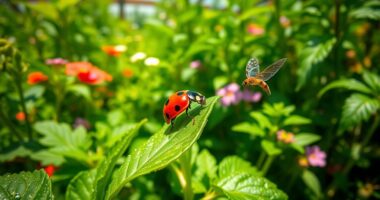
Greenhouse IPM makes pest management easier by combining biological controls, pest monitoring, and proactive practices. You can use natural predators like ladybugs or parasitic wasps to target specific pests without harming your plants. Regular monitoring helps you catch problems early and decide when to introduce beneficial insects, reducing the need for chemicals. When you adopt these integrated strategies, you’ll maintain healthier crops and a more sustainable environment—more details await if you continue exploring.
Key Takeaways
- Use natural predators like ladybugs and parasitic wasps to target pests while minimizing chemical use.
- Regularly monitor plants with traps and visual inspections to detect pests early.
- Apply biological controls based on monitoring data to target specific pest issues effectively.
- Combine biological methods with sanitation, crop rotation, and resistant varieties for comprehensive management.
- Maintain ongoing pest surveillance to enable timely interventions and prevent infestations from escalating.
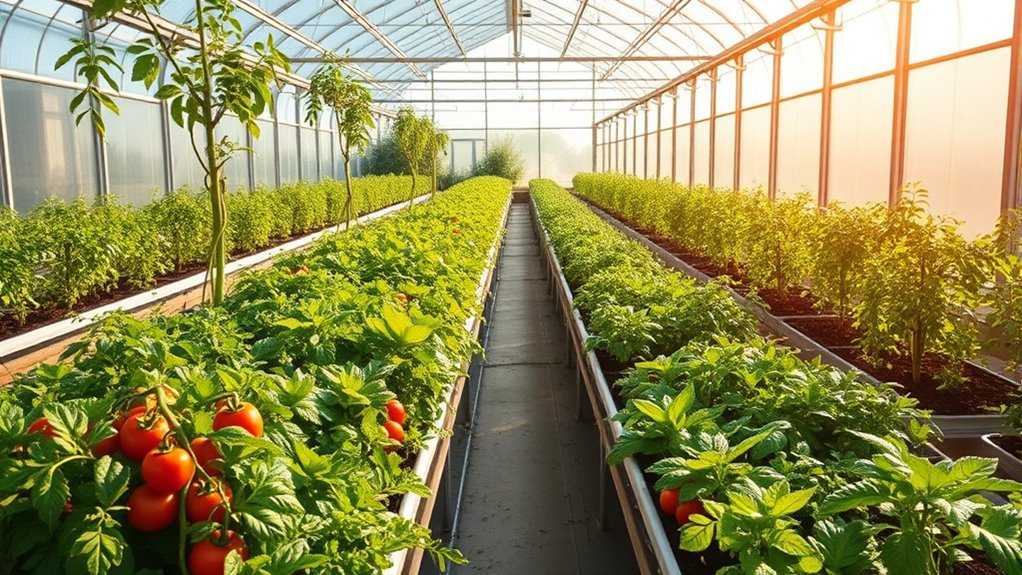
Have you ever wondered how to keep pests under control in your greenhouse without relying solely on chemicals? One effective way is through integrated pest management (IPM), which combines various strategies to manage pests sustainably. A key component of IPM is biological controls, where you introduce natural predators or beneficial insects that target specific pests. These biological controls can considerably reduce pest populations without harming your plants or the environment. But to make biological controls effective, pest monitoring is essential. Regularly inspecting your plants helps you identify pest issues early before they become severe, allowing you to act swiftly and precisely. Pest monitoring involves inspecting leaves, stems, and the soil, looking for signs such as eggs, larvae, or damage caused by pests. Using sticky traps or pheromone traps can also help detect pest presence and activity levels. Incorporating knowledge about Gold IRA options can help you fund sustainable pest management practices, like investing in eco-friendly supplies or consulting experts to optimize your IPM strategies.
By systematically monitoring pests, you gain critical information that guides your decisions, ensuring you deploy biological controls only when necessary. This prevents unnecessary interventions and reduces pesticide use, promoting a healthier greenhouse ecosystem. When you notice a pest outbreak, knowing the exact species involved helps you select the right biological control agents. For example, if aphids are your problem, introducing ladybugs or lacewing larvae can be highly effective. If whiteflies are a concern, parasitic wasps might be your best option. The key is to match the biological control with the pest you’re targeting, which is why pest monitoring is so essential—it provides the insights needed to make informed choices.
Implementing biological controls isn’t a one-time effort; it’s an ongoing process. You need to keep monitoring your greenhouse regularly, especially during peak growing seasons or when you introduce new plants. This proactive approach helps you catch pest issues early, preventing infestations from spiraling out of control. When used in conjunction with other IPM strategies like crop rotation, proper sanitation, and resistant plant varieties, biological controls can form a powerful line of defense. Remember, the goal of IPM is to maintain pest populations at manageable levels rather than complete eradication, which isn’t always practical or environmentally friendly.
Frequently Asked Questions
How Do I Identify Pest Species Early in a Greenhouse Setting?
Early pest detection is vital for effective control. You should regularly inspect plants closely, looking for signs of pest activity like chewed leaves, sticky residues, or tiny insects. Use a magnifying glass for better pest identification and focus on common problem areas. Keep a detailed record of your observations to spot patterns early. By staying vigilant and practicing consistent inspections, you can catch pests early and manage them before they cause significant damage.
What Are the Costs Associated With Implementing IPM?
Thinking about costs might seem intimidating, but a proper cost analysis makes it manageable. You’ll find that initial investments, like monitoring tools and training, are balanced by long-term savings on chemical controls and crop losses. With careful budget planning, you can allocate resources wisely, reducing expenses while maintaining healthy plants. Overall, implementing IPM offers a cost-effective approach, helping you save money and protect your greenhouse environment effectively.
Can IPM Techniques Be Applied to Organic Greenhouse Production?
You can absolutely apply IPM techniques to organic greenhouse production. Focus on organic compliance by using pest resistant varieties and biological controls like beneficial insects. Cultural practices, such as crop rotation and sanitation, also help prevent pests. Regular monitoring ensures early detection, reducing pesticide use. By integrating these strategies, you uphold organic standards while effectively managing pests, creating a sustainable and compliant growing environment.
How Often Should Pest Monitoring Be Conducted?
Ever wondered how often you should conduct pest monitoring? Regular pest monitoring frequency is vital for effective greenhouse management. You should establish a consistent greenhouse inspection schedule, ideally weekly or bi-weekly, depending on your crop and pest pressure. Keeping a close eye helps catch issues early. Are you tracking pest activity regularly? Consistent monitoring allows you to implement timely control measures, reducing damage and maintaining healthy plants.
What Are the Most Effective Biological Control Agents for Common Greenhouse Pests?
You should focus on using beneficial insects like ladybugs, predatory mites, and parasitic wasps, which target common greenhouse pests effectively. Biological pesticides containing these beneficial insects can also help control pest populations. Regular monitoring helps you determine when to release beneficial insects, ensuring they’re most effective. Combining beneficial insects with biological pesticides offers a sustainable, eco-friendly approach to managing pests and maintaining healthy greenhouse environments.
Conclusion
By embracing greenhouse IPM, you gain control over pests without sacrificing your plants’ health. It’s like balancing a tightrope—maintaining productivity while protecting your environment. Instead of relying solely on chemicals, you harness natural strategies, making your greenhouse a thriving, sustainable space. So, while pests may seem relentless, your integrated approach keeps them in check, proving that effective pest management is both simple and powerful when you work with nature, not against it.