
To use PGRs safely, you need to apply them at the right growth stage, closely monitor your plants, and follow the manufacturer’s instructions carefully. Always wear protective gear like gloves and goggles, and handle chemicals in a well-ventilated area. Store PGRs properly and dispose of leftovers responsibly. Paying attention to timing and safety measures helps prevent damage and health risks. If you keep these tips in mind, you’ll maximize benefits and protect your plants and yourself effectively.
Key Takeaways
- Always read and follow the manufacturer’s instructions before applying PGRs.
- Wear protective gear such as gloves, goggles, and masks during handling and application.
- Apply PGRs at the correct plant growth stage, monitoring development closely for optimal timing.
- Store PGRs in sealed containers in a cool, dry place away from children and pets.
- Dispose of unused or expired PGRs according to local regulations to ensure environmental safety.
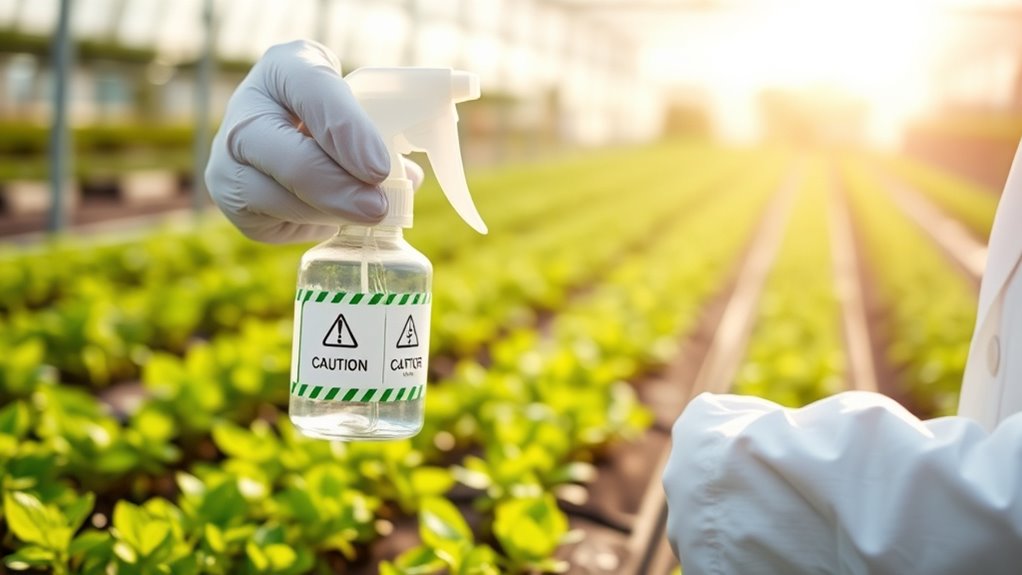
Plant Growth Regulators (PGRs) can be valuable tools for enhancing plant development, but it is vital to use them safely. One of the most important factors to think about is application timing. Applying PGRs at the right stage of growth ensures you achieve the desired results without harming your plants. For instance, applying gibberellins too early can cause excessive elongation, making plants weak and prone to damage. Conversely, applying them too late might not produce the intended effects. Learning the specific growth phases for each plant species helps you determine the best time for PGR application. Monitoring plant development closely allows you to time your applications precisely, maximizing benefits while minimizing risks.
Applying PGRs at the right growth stage maximizes benefits and minimizes risks.
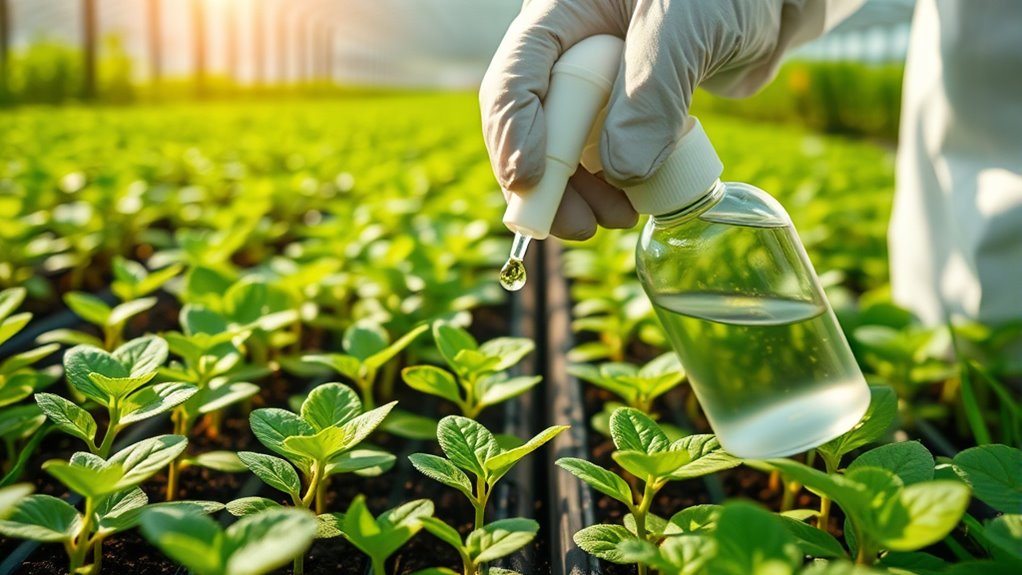
Alongside precise timing, adhering to PGR safety measures is essential to protect yourself, others, and the environment. Always read the manufacturer’s instructions thoroughly before use, as different PGRs have varying concentration levels and application methods. Wearing protective gear such as gloves, goggles, and masks reduces your risk of skin or eye irritation, especially when handling concentrated formulations. When applying PGRs, do so in well-ventilated areas to prevent inhalation of potentially harmful fumes or aerosols. After use, wash your hands and any exposed skin thoroughly to remove residues and prevent accidental contact later on. Proper storage is another critical safety measure. Keep PGRs in their original containers, tightly sealed, and stored in a cool, dry place away from children, pets, and food items. Exposure to heat or sunlight can degrade the chemicals, reducing their effectiveness and potentially creating hazards. Dispose of any unused or expired PGRs according to local regulations to prevent environmental contamination. Avoid pouring leftover solutions down drains or onto soil where they could leach into water sources.
Timing and safety measures go hand in hand. Applying PGRs too early or too late can negate their benefits or cause unintended damage. Likewise, neglecting safety precautions increases the risk of accidents or health issues. To ensure safe and effective PGR use, plan your applications carefully based on the plant’s growth stage, and always follow safety guidelines. Regularly update your knowledge by consulting reliable resources or experts, especially since PGR formulations and recommendations can change over time. By paying close attention to application timing and safety measures, you safeguard your plants, yourself, and the environment, making PGRs a truly beneficial part of your plant management toolkit. Incorporating proper storage and handling techniques ensures the longevity and effectiveness of your PGRs over time.
Frequently Asked Questions
Are PGRS Safe for Children and Pets?
PGRs are generally safe for children and pets if used correctly and kept out of reach. You should always follow the label instructions carefully, store them securely, and avoid application during active playtimes. By prioritizing child safety and pet safety, you minimize risks. If accidental exposure occurs, wash the affected area thoroughly and seek medical advice if needed. Proper handling guarantees your family and pets stay safe around PGRs.
Can PGRS Be Used on Edible Plants?
You can use PGRs on edible plants, but you should carefully follow label instructions to guarantee edible crop safety. PGR residue concerns are valid, so always wait the recommended time before harvesting to minimize any potential risks. Proper application helps prevent excessive residue, making your crops safe to eat. When used correctly, PGRs can support healthy growth without compromising food safety or consumer health.
How Long Before Harvest Can I Apply PGRS?
Think of application timing as a delicate dance with Mother Nature. You should apply PGRs a specific number of days before harvest—often around 7 to 14 days—depending on the product. This window guarantees the PGRs do their job without lingering residues, which could concern you at harvest. Always check the label for precise timing to avoid residue concerns and ensure your crop is safe and ready.
What Are the Signs of PGR Overuse or Overdose?
If you overuse or improperly apply PGRs, you’ll notice symptoms of overdose like stunted growth, uneven development, leaf curling, or abnormal coloration. Plants may become overly compact or show signs of stress, such as wilting or yellowing. You might also observe delayed flowering or fruiting. These signs indicate you’ve exceeded recommended doses or applied them at the wrong time, so always follow label instructions to avoid these problems.
Are There Natural Alternatives to Synthetic PGRS?
Yes, you can explore natural alternatives to synthetic PGRs by using organic options and botanical extracts. These natural choices, like seaweed extracts, auxin-rich plant teas, or compost teas, promote healthy growth without the risks associated with chemicals. Incorporate these into your gardening routine to support plant development safely. They’re environmentally friendly, effective, and help you avoid overuse or overdose issues linked to synthetic PGRs.
Conclusion
By following safety guidelines, you can masterfully use plant growth regulators without risking your plants or health. Always wear protective gear, read labels carefully, and apply PGRs in well-ventilated areas. When used responsibly, these tools become your secret weapon—turning even the tiniest seed into a towering marvel. Remember, with caution, you hold the power to shape lush, vibrant gardens that look like they belong in a fairy tale!