To guarantee continuous harvests, plan your planting schedule by staggering sowing times and transplanting crops based on their growth cycles. Use season extension techniques like row covers, cold frames, or hoop houses to extend your harvest periods. Rotate crops regularly to maintain healthy soil and prevent pests. By timing your plantings carefully and combining these strategies, you’ll maximize your garden’s productivity. Keep exploring, and you’ll discover how to fine-tune your schedule for year-round success.
Key Takeaways
- Stagger plantings of fast-growing crops like lettuce and radishes to ensure a continuous harvest.
- Use season extension techniques to prolong the harvest window of frost-sensitive crops.
- Plan crop rotations to optimize soil health and support ongoing planting schedules.
- Transplant seedlings early and succession plant to maximize growing periods.
- Track growth cycles and harvest dates to adjust planting times for a steady supply.

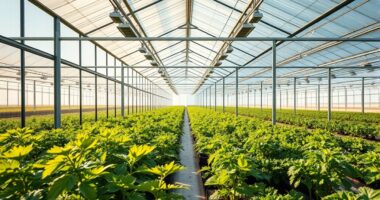
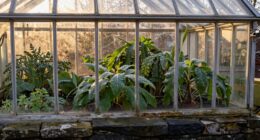
Creating an effective planting schedule is vital for a successful garden, as it helps you determine the right times to sow seeds and transplant seedlings. When planning your planting calendar, consider how you can extend your growing season and optimize crop yield through strategies like season extension and crop rotation. Season extension techniques, such as using row covers, cold frames, or hoop houses, allow you to start planting earlier in spring and continue harvesting later into fall. By creating a schedule that incorporates these methods, you can maximize your garden’s productivity and guarantee a continuous harvest.
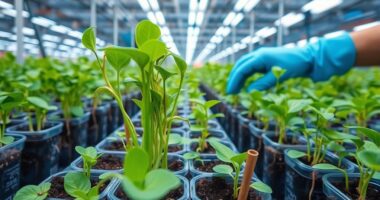
Implementing season extension measures requires you to plan ahead. For example, you might sow cool-weather crops like lettuce, spinach, and peas indoors or under protective covers early in the season. As the weather warms, you can transplant these seedlings outdoors, giving yourself a head start on the growing season. Conversely, when fall approaches, you can use season extension tools to prolong the harvest of crops that are sensitive to frost. This way, you keep fresh produce coming in for a longer period, reducing waste and increasing your overall yield.
Plan ahead with season extension to harvest fresh produce longer and reduce waste.
Another vital aspect of a successful planting schedule is crop rotation. This practice involves changing the types of plants you grow in specific areas of your garden each year. Crop rotation helps prevent soil depletion, reduces pest and disease buildup, and improves soil health. When planning your planting schedule, map out your garden beds and rotate crops based on their families and nutrient needs. For example, follow nitrogen-fixing legumes with leafy greens that require ample nitrogen, and then plant root vegetables or fruiting crops afterward. This systematic approach ensures that your soil remains fertile and healthy, supporting continuous harvests without the need for excessive fertilizers.
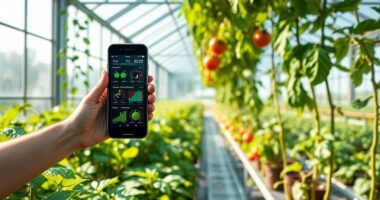
Timing is everything when it comes to crop rotation and season extension. Keep track of planting dates, growth cycles, and harvest periods to coordinate your schedule effectively. Additionally, understanding the life cycle of crops can help you plan planting and harvesting times more precisely, ensuring a steady supply of produce throughout the season. By doing so, you can stagger plantings to ensure a steady supply of fresh produce throughout the growing season. For instance, planting successive crops of fast-growing vegetables like radishes and lettuce every few weeks means you’ll have a constant supply without overwhelming your garden space. Combining this with season extension techniques enables you to push the boundaries of your typical growing season, ensuring you harvest fresh vegetables for as long as possible.
Frequently Asked Questions
How Do I Adjust Schedules for Unexpected Weather Changes?
When unexpected weather changes occur, you should adjust your schedules using adaptive scheduling techniques. Incorporate seasonal crop planning by monitoring weather forecasts and soil conditions closely. If frost or heavy rain hits, delay or hasten planting and harvesting as needed. Flexibility is key—be ready to shift planting dates or select resilient crop varieties. This approach helps maintain continuous harvests despite unpredictable weather, keeping your farm productive and efficient.
What Are the Best Companion Plants for Continuous Harvests?
Think of your garden as a bustling city where every building supports the next. For continuous harvests, choose companion plantings like basil with tomatoes or marigolds with peppers, creating perfect planting pairings. These allies ward off pests, boost growth, and maximize space. By pairing wisely, you turn your garden into a thriving ecosystem, ensuring steady yields and vibrant health—your secret weapon for a nonstop harvest.
How Can I Extend the Harvesting Season Naturally?
You can extend your harvesting season naturally by practicing crop rotation and maintaining soil fertility. Rotate different crop families to prevent soil depletion and reduce pests. Add compost or organic matter to enrich the soil, encouraging healthy growth over a longer period. Use succession planting by starting new crops as others mature, and consider cold frames or row covers to protect plants from early or late frosts, extending your harvest window.
Are There Specific Soil Amendments for Year-Round Planting?
You can use organic amendments like compost, aged manure, and seaweed to improve soil health for year-round planting. These amendments boost nutrient levels, enhance soil structure, and promote beneficial microbial activity, supporting continuous harvests. Regularly incorporating organic matter helps your soil stay fertile and resilient, ensuring healthy plant growth throughout the year. Remember to test your soil periodically to tailor amendments to your specific needs for ideal results.
How Do Pest Management Strategies Affect Planting Schedules?
Pest management strategies directly influence your planting schedules by determining when you can safely plant and harvest. Using pest-resistant varieties and natural pest deterrents allows you to extend planting seasons and reduce chemical use. You’ll need to plan your schedule around pest activity, applying these strategies proactively. This way, you minimize crop damage, ensure continuous harvests, and maintain a healthy garden environment year-round.
Conclusion
By following these planting schedules, you’ll turn your garden into a nonstop harvest wonderland—like a never-ending feast for the senses. Stay consistent, keep track of your plantings, and adapt as needed. Before you know it, you’ll be reaping a bounty so incredible, it’ll make you feel like a gardening legend. Remember, patience and planning turn ordinary spaces into extraordinary food factories—so get planting and watch your garden thrive endlessly!