
TL;DR

Get garden gear delivered free — and shop member deals
- Fast, free delivery on millions of items
- Access to Prime Big Deal Days deals on October 6–7
- Prime Video, Amazon Music and more included
Experts explain how to repair lawns damaged by dogs. The advice includes practical steps for restoring grass and preventing future harm, helping homeowners maintain healthy yards.
Many homeowners are facing the challenge of repairing lawns damaged by their dogs, as pet activity can lead to significant grass wear and tear. Understanding how often to mow your lawn can be a key part of maintaining a healthy yard after damage. Learn how often you should mow your lawn to keep it healthy.
According to lawn care specialists, dog damage often includes worn patches, urine burn spots, and dug-up areas that leave grass patchy or dead. To repair these areas, experts recommend removing dead grass, aerating the soil, and reseeding with suitable grass varieties that tolerate pet activity. They also advise homeowners to train dogs to avoid certain areas and to use designated zones for outdoor activity.
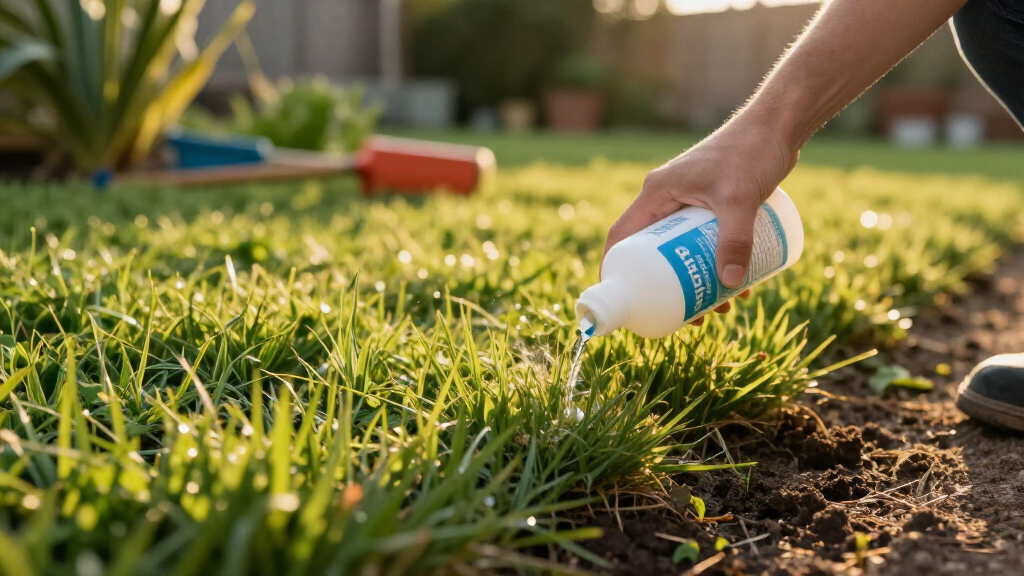
Additionally, experts highlight that urine can cause localized grass burn due to high nitrogen content, so watering affected spots immediately can help dilute the urine and minimize damage. Regular lawn maintenance, such as fertilizing and overseeding, can also strengthen grass resilience, which includes proper mowing practices, reducing long-term damage from pets.
Why Restoring Your Lawn Matters for Pet Owners
Restoring a lawn damaged by dogs is important for maintaining curb appeal and outdoor usability. A healthy yard enhances property value and provides a safe, attractive space for pets and families. Understanding proper repair techniques helps homeowners avoid costly replacements and promotes sustainable yard care, especially in pet-friendly households.As an affiliate, we earn on qualifying purchases.
Dog damage to lawns is a widespread issue, especially in suburban and rural areas where pets have ample outdoor space. Damage typically results from urine burn, digging, and general wear from active dogs. Experts note that damage can vary depending on the dog’s size, breed, and activity level. Previous advice focused on basic lawn care, but recent guidance emphasizes targeted repair methods and proactive management to address pet-related issues effectively.
“Properly repairing dog-damaged lawns involves removing dead patches, aerating the soil, and overseeding with resilient grass varieties. Consistent maintenance is key to long-term recovery.”
— Jane Smith, lawn care expert at GreenThumb Solutions
Unanswered Questions About Long-Term Lawn Recovery
It is not yet clear how quickly lawns can fully recover from severe damage, especially in cases of extensive digging or persistent urine burn. The effectiveness of certain grass varieties for long-term pet resilience remains under study, and homeowner success may vary based on soil conditions and maintenance practices.Next Steps for Homeowners Facing Dog Damage
Homeowners should assess the extent of damage, remove dead grass, and follow expert-recommended repair techniques. Ongoing lawn maintenance, combined with behavioral training for pets, can help prevent future issues. Experts suggest consulting local lawn care specialists for tailored advice and monitoring progress over the coming months.Key Questions
How long does it take for a lawn to recover from dog damage?
Recovery time varies based on the severity of damage, grass type, and maintenance practices. Typically, it can take several weeks to a few months for a lawn to fully recover if proper repair steps are followed.
What grass types are most resistant to dog damage?
Grass varieties such as Bermuda, Zoysia, and tall fescue are known for their durability and tolerance to pet activity. Consulting local experts can help identify the best options for specific climates and soil conditions.
Can I prevent my dog from damaging the lawn?
Yes, training dogs to avoid certain areas, creating designated play zones, and watering urine spots immediately can help reduce damage. Providing alternative outdoor activities and regular maintenance also contribute to lawn preservation.
Is it necessary to replace my entire lawn if it’s heavily damaged?
Not necessarily. Many damaged areas can be repaired through overseeding and soil treatment. Complete replacement is typically a last resort if damage is extensive and repair efforts have failed.
Are there eco-friendly ways to repair and maintain a pet-friendly lawn?
Yes. Using organic fertilizers, avoiding chemical herbicides, and choosing resilient grass varieties promote a sustainable, pet-safe yard. Regular watering and natural soil amendments also support healthy grass growth.
Source: rss
Fall yard work Picks
leaf blowers
As an affiliate, we earn on qualifying purchases.