TL;DR
Gardening Know How recommends raising outdoor pots about an inch on pot feet, risers or other stable supports so drainage holes are not blocked by paving or decking. The advice aims to reduce waterlogging and associated root damage; it does not guarantee that plants will survive winter.
Gardening Know How recommends raising patio planters about an inch off paving or decking and removing their saucers to help drainage during fall and winter. The report says the brief task can reduce the risk of roots sitting in saturated soil, a problem it identifies as a major threat to container plants in wet weather.

Get garden gear delivered free with Prime
- Fast, free delivery on millions of items
- Prime Video, Amazon Music and more included
- Member-only deals all year
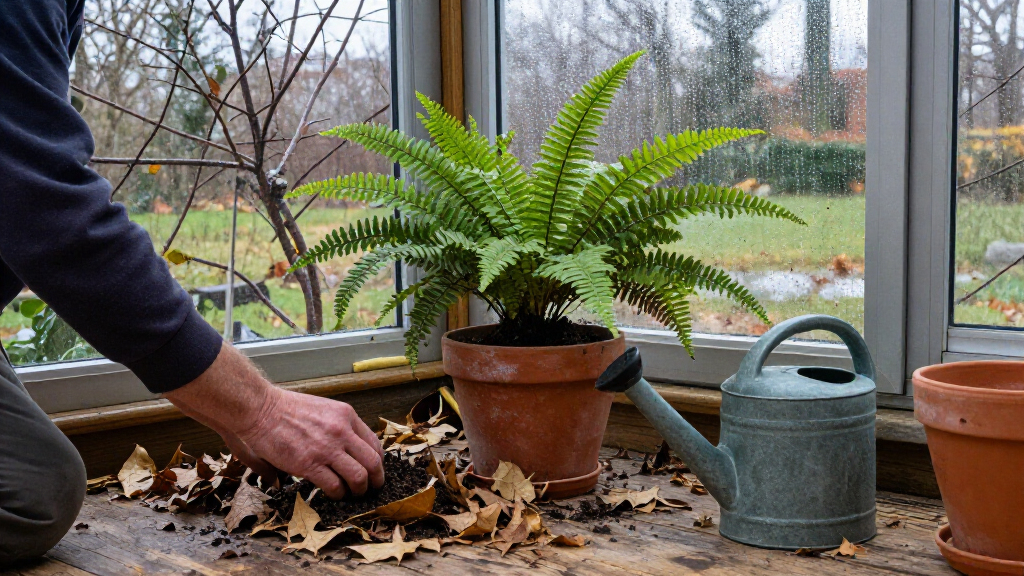
The suggested adjustment is simple: place pot feet, risers, a plant stand or other stable supports under outdoor containers, leaving the drainage hole clear. The report also advises removing saucers that can hold water beneath a pot. It says a small gap is enough to let rainwater escape rather than pool around the base.
The explanation is that roots need air as well as water. When soil remains saturated, water displaces air, and roots may be deprived of oxygen. The report says prolonged wet conditions can also favor fungi and bacteria associated with root rot. In freezing weather, water in the pot may freeze and expand, potentially damaging root tissue.
Options vary by planter. The report describes pot toes as individual supports, with at least three needed for a pot and more for larger containers. Broader risers or stands can provide more support for heavy pots, bowl-shaped containers or fragile terracotta. It suggests checking the product’s load capacity and outdoor durability, and making sure the planter remains stable.
Drainage Matters in Wet Weather
The advice addresses a preventable risk for people keeping plants outdoors in containers: blocked or restricted drainage can leave potting soil wet for extended periods. Raising a pot may help rainwater escape when the drainage hole sits close to a flat patio or deck surface. That can reduce conditions linked to root rot, though plant survival also depends on factors such as species, weather, container size and care.
The measure may also protect the surface below the pot. Gardening Know How says lifting containers can help prevent pot rings and algae marks on paving or decking. The report also notes that reducing standing water around a container may help limit freeze-related damage to terracotta, although it does not provide test data or quantify how much protection the method offers.
Products Worth Considering

Orbit B-hyve XR 8-Zone Indoor/Outdoor Smart Sprinkler Controller
Orbit B-hyve XR 16-Zone Indoor/Outdoor Smart Sprinkler Controller

Orbit B-hyve 12-Zone Indoor/Outdoor Wi-Fi Sprinkler Controller
As an affiliate, we earn on qualifying purchases.
How Patio Pots Trap Rainwater
In summer, the report says lower rainfall and faster evaporation can make drainage problems less apparent. Fall brings wetter conditions, and a pot sitting directly on paving or decking may have little clearance beneath its drainage hole. Even without a saucer, water can then remain at the base rather than pass freely away.
The recommendation is presented as a seasonal container-gardening task, not a substitute for other winter care. The report says all potted plants may benefit from improved drainage, with particular relevance for plants that prefer well-drained soil, including lavender and santolina. It does not give plant-specific instructions for every climate or container.
““raise patio planters on pot risers so roots don’t sit in wet soil and rot in this wetter weather.””
— Gardening Know How report
Limits of the Drainage Advice
The supplied report does not cite a controlled study, quantify the effect of lifting pots, or establish that waterlogged soil is the leading cause of winter plant deaths across all conditions. Its statements about root health and winter damage are presented as gardening guidance, not as a measured survival guarantee. Cold tolerance, rainfall, soil mix and plant health can also affect outcomes.
It is also not clear which supports will suit every planter or surface. The report advises using enough supports for larger pots and checking that products are sturdy, but it does not provide a universal load calculation. Gardeners should keep containers level and secure, and confirm that the drainage hole remains unobstructed after the pot is raised.
Check Pots Before Winter Rain
The next step for gardeners following the advice is to inspect patio containers, remove any water-holding saucers, and raise pots on stable supports before wetter weather continues. Check that water can flow from each drainage hole and that the planter does not wobble. For heavy or unusually shaped containers, use a stand or riser suited to the pot’s size and weight.
The report gives no follow-up date, trial results or further update. Whether this measure improves survival for a particular plant will depend on local weather and growing conditions, so gardeners will need to monitor their pots through winter.
Key Questions
How high should patio pots be raised?
The Gardening Know How report says about an inch is enough to create space beneath the pot and free its drainage hole, provided the support is stable.
Should I leave a saucer under an outdoor pot in winter?
The report recommends removing outdoor saucers because they can hold water around the pot’s base. It does not address every indoor or watering setup, so the advice is specifically about patio pots exposed to wet weather.
What can I use to lift a planter?
Options named in the report include pot toes, pot risers, plant stands, flat pebbles and old bricks. Choose supports that can carry the pot securely and leave its drainage hole clear.
Will raising pots guarantee that plants survive winter?
No. The report presents lifting pots as a way to improve drainage and reduce the risk of waterlogging; it does not promise survival. Plant hardiness, local conditions and other care factors still matter.
Source: rss