TL;DR

Get garden gear delivered free with Prime
- Fast, free delivery on millions of items
- Prime Video, Amazon Music and more included
- Member-only deals all year
Gardening Know How recommends preparing azaleas and rhododendrons for winter by protecting flower buds, maintaining root moisture and insulating the soil. Its guidance includes avoiding heavy fall pruning and late-season fertilizer, and taking extra steps to shield evergreen shrubs from drying winds. Timing and needs vary with plant type, soil and local weather.
Gardening Know How has published seven fall-care tips for azaleas and rhododendrons, advising gardeners to protect roots and flower buds before winter. The recommendations include avoiding heavy pruning and late-season fertilizing, watering during dry autumn weather until the ground freezes, and using mulch to moderate soil conditions. The guidance matters because many spring-blooming shrubs set their flower buds in summer, leaving them vulnerable to careless fall cuts.
The report says most spring-blooming azaleas and rhododendrons flower on old growth, with buds formed during summer. It advises against heavy fall shaping, which can remove buds intended to flower next spring. Gardeners can still remove dead, damaged or diseased branches using clean, sharp tools. The report identifies the period after spring flowering as the better time for heavier pruning.
It also recommends stopping fertilizer for the season, since late feeding can encourage tender new growth that may be damaged by winter weather. Most feeding, if needed, is done in spring after flowering. The report says a soil test can help determine whether nutrients are lacking rather than relying on routine fertilizing.
For dry autumns, the guidance calls for watering deeply as needed until the ground freezes, so soil is moist going into winter. It recommends spreading 2 to 3 inches of organic mulch, such as shredded pine bark or partly decomposed leaves, over the root zone while keeping it a few inches from stems. The remaining steps are checking for poor drainage and protecting evergreen shrubs from drying winter winds with a barrier that does not touch their leaves.
Protecting Buds and Roots
Fall choices can affect both next spring’s flowers and a shrub’s ability to come through winter in healthy condition. Cutting back too much may remove buds already set, while dry soil before freezing can leave evergreen foliage prone to moisture loss when roots cannot draw water from frozen ground.
At the same time, the advice is not to keep soil saturated. The report warns that poor drainage and standing water can contribute to root rot and fungal disease. Gardeners need to balance moisture before freeze-up with drainage that prevents roots from remaining waterlogged.
Products Worth Considering

EGO POWER+ 21 Cordless Electric Lawn Mower Kit, Self-Propelled

Husqvarna Power Axe 350i 18-Inch Cordless Chainsaw Kit

DGSL 14-Piece Twin-Wall Polycarbonate Greenhouse Panels (6' x 2' x 0.24)
As an affiliate, we earn on qualifying purchases.
Fall Care Varies by Type
Azaleas and rhododendrons belong to the genus Rhododendron and share many care needs, according to the report, but varieties may be deciduous or evergreen. The distinction affects winter preparation: evergreen leaves can lose moisture to cold, dry winds, while deciduous plants shed their leaves and are described as less dependent on prewinter watering.
The source presents these steps as general garden guidance, not a fixed calendar. Watering is tied to dry conditions and the ground freezing; pruning advice reflects the timing of spring flowering and summer bud formation. Local climate, plant health, drainage and variety can affect what a particular shrub needs.
Conditions Shape Each Step
The report does not provide a single date for beginning or ending fall care, because freeze timing and autumn rainfall vary. It also does not specify windbreak dimensions or give a universal watering amount; gardeners are advised to check soil moisture and respond to conditions.
The source material ends partway through its discussion of wind protection, after describing a burlap barrier on the windward side that should not touch the foliage. It does not include the full seventh tip, so the complete list and any additional recommendation cannot be confirmed from the material provided. The advice should not be read as a guarantee of flowering or protection from winter damage.
Check Soil Before Freeze-Up
As autumn progresses, gardeners can inspect shrubs for damaged branches, assess drainage and check whether soil around the roots is dry. Water as needed before the ground freezes, apply mulch without piling it against stems, and stop seasonal fertilizing. For evergreens exposed to strong winter winds, the report recommends a supported barrier that leaves space around the foliage.
After flowering next spring, gardeners can reassess whether shaping is needed and consider fertilizer only if the plant or a soil test indicates a need. The report gives no later update or local forecast, so weather and site conditions remain the guide to timing.
Key Questions
Should azaleas and rhododendrons be pruned in fall?
Avoid heavy pruning in fall, since many spring-blooming varieties have already set buds on old growth. Remove dead, damaged or diseased branches if needed, and do heavier shaping after spring flowering.
When should I stop watering them?
The report recommends watering during dry autumn conditions until the ground freezes, aiming for moist soil before winter. Deciduous varieties are less dependent on this step than evergreens, according to the guidance.
How much mulch should I apply?
Use about 2 to 3 inches of organic mulch over the root zone. Keep it a few inches away from stems to avoid trapping moisture against them.
Should I fertilize the shrubs in fall?
The report advises stopping fertilizer for the season because late feeding may prompt new growth vulnerable to winter damage. Most feeding, if needed, is done in spring after flowering; a soil test can help identify nutrient needs.
How can I protect evergreen plants from winter burn?
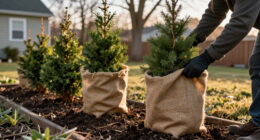
The report recommends a windbreak on the side exposed to prevailing winter winds. A barrier such as burlap should be supported so it does not touch the leaves and airflow can continue around the shrub.
Source: gardeningknowhow.com