
TL;DR

Get garden gear delivered free with Prime
- Fast, free delivery on millions of items
- Prime Video, Amazon Music and more included
- Member-only deals all year
An Amateur Gardening report outlines five plants gardeners can grow over autumn and winter to cover bare beds, limit weeds and support soil fertility. The options are mustard, clover, winter field bean, comfrey and poached egg plant; each has different sowing, management and crop rotation considerations.
Amateur Gardening has outlined five plants gardeners can grow over autumn and winter to cover bare vegetable beds, suppress weeds and support soil fertility. The guide names mustard, clover, winter field bean, comfrey and poached egg plant, while cautioning that crop rotation and the way each plant is managed matter.
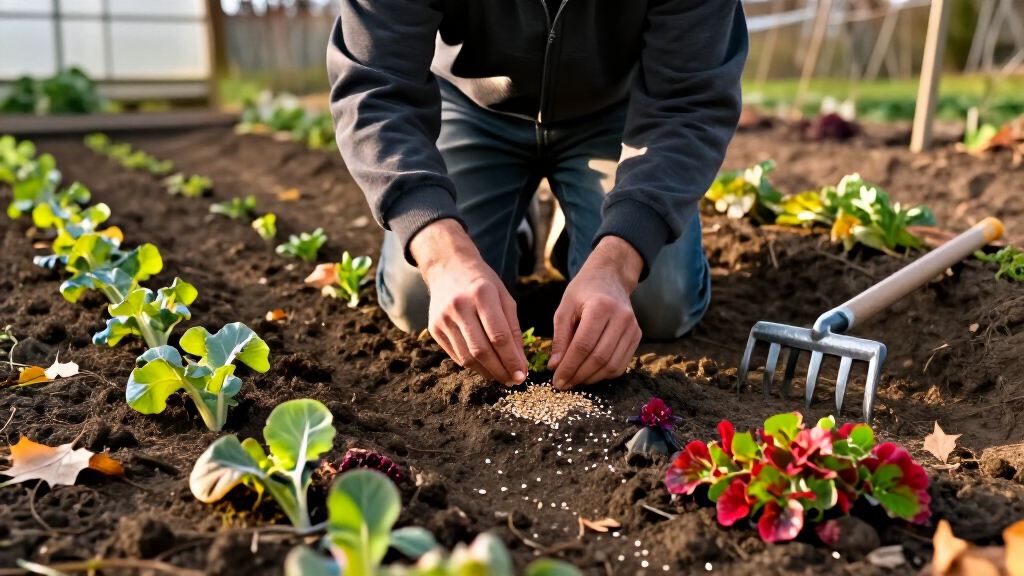
The report presents the plants as green manures: crops grown to cover and support soil between harvests rather than for food. It says bare ground can lose nutrients to winter rain and give weeds room to establish. Green cover can protect the soil, and plant material may be dug in or left on the surface to decompose, depending on the crop and gardening approach.
Mustard is suggested for overworked or compacted soil. The report says it is generally not winter hardy and may die after hard frost; its growth can then decompose and contribute organic matter. It advises against growing mustard immediately before cabbages, broccoli or other brassicas because they can share pests and diseases, including clubroot.
Clover and winter field bean are legumes. The report says bacteria associated with their roots help make atmospheric nitrogen available in the soil system. Clover also grows low to the ground, helping cover soil and suppress weeds. Winter field bean can be sown in autumn and cut down later, with the plant material incorporated or left to decompose. Gardeners growing broad or fava beans are advised to account for field beans in their rotation because the crops are related and may share pests and diseases.
Comfrey is recommended for growing outside vegetable beds. Its deep roots take up nutrients that are stored in its leaves; the leaves can be used as mulch or composted, according to the guide. It recommends the sterile cultivar ‘Bocking 14’ as less likely to spread by seed and warns that other comfrey can become invasive. Poached egg plant is described as a low-growing cover crop with flowers attractive to pollinators. The report says September is about the last chance to sow it for autumn coverage.
Covering Beds Between Harvests
The practical concern is what happens to vegetable beds after harvest. Leaving soil bare through wet, colder months can expose it to nutrient loss and weed growth, according to the report. A living cover is one option for keeping ground occupied until the next planting period, and some plants can also contribute organic matter or support soil fertility as they break down.
The five choices do not serve identical purposes. Legumes are presented as nitrogen-supporting options, while mustard is suggested for compacted ground and comfrey for harvesting leaves to use as mulch or compost. Matching the plant to the bed and next season’s crop is relevant: the report’s warnings about brassicas and beans show that cover crops still need to fit within crop rotation plans.
Products Worth Considering

EGO POWER+ 21 Cordless Electric Lawn Mower Kit, Self-Propelled

Husqvarna Power Axe 350i 18-Inch Cordless Chainsaw Kit
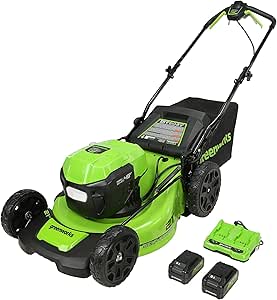
Greenworks 48V (24V x 2) 21-inch Self-Propelled Lawn Mower, Battery Kit
As an affiliate, we earn on qualifying purchases.
How Green Manures Work
Green manures and cover crops are grown to protect or improve soil between productive crops. The report says farmers also use them as part of crop rotations. In a garden, the plant cover can occupy otherwise bare ground, and its cut or frost-killed material can be dug in or left on the surface to decompose.
The guide emphasizes that management differs by plant. Mustard may be killed by hard frost; winter field bean is described as hardy enough to overwinter; and comfrey is a perennial plant the author suggests keeping outside vegetable beds. The article is seasonal advice rather than a report of a new trial, measured yield result or quantified soil improvement.
Limits of the Seasonal Advice
The report does not provide comparative measurements showing how much each crop reduces weeds, retains nutrients or changes soil structure. Results can depend on local conditions, sowing dates and how the plants are handled, but the source does not quantify those factors or set out regional guidance.
It also does not give a full sowing calendar for all five plants. Its timing advice is clearest for poached egg plant, for which it identifies September as about the final sowing opportunity. The source warns about shared pests and diseases but does not detail the length or sequence of rotations needed to manage those risks.
Planning the Next Bed
Gardeners considering the approach can first identify which beds will remain empty and what they plan to grow there next. The guide’s cautions point to checking crop rotation before sowing mustard near a future brassica bed or field bean near broad and fava beans. For poached egg plant, the stated seasonal window means sowing decisions are time-sensitive in September.
After the cover crop has grown or died back, gardeners can follow the method suited to that plant: incorporate suitable material into the soil or leave it on the surface to decompose. The report offers no single schedule for all gardens, so local growing conditions and the next crop will shape when and how each bed is prepared.
Key Questions
Which five plants does the report recommend?
It lists mustard, clover, winter field bean, comfrey and poached egg plant as options for autumn or winter soil cover and support.
Which options are described as supporting nitrogen?
The report identifies clover and winter field bean as legumes. It says bacteria associated with their roots help make atmospheric nitrogen available within the soil system.
Can mustard be planted before cabbages or broccoli?
The guide advises against using mustard immediately before brassicas such as cabbages and broccoli, because they may share pests and diseases, including clubroot.
Where does the guide recommend growing comfrey?
It recommends growing comfrey outside vegetable beds and using its leaves as mulch or compost. It favors the sterile ‘Bocking 14’ cultivar because it is less likely to spread by seed.
When should poached egg plant be sown?
The report says September is about the last chance to sow poached egg plant for autumn ground cover. It does not give a more detailed regional calendar.
Source: rss