TL;DR
A gardener is using discarded cardboard boxes to facilitate vegetable cultivation during a heatwave. This approach aims to simplify gardening and promote sustainability. The development highlights a low-cost, eco-friendly method for summer gardening.
A gardener is repurposing old cardboard boxes to grow vegetables more easily during the ongoing heatwave summer. This innovative approach aims to simplify gardening tasks while promoting sustainability, making vegetable cultivation accessible during extreme weather conditions.
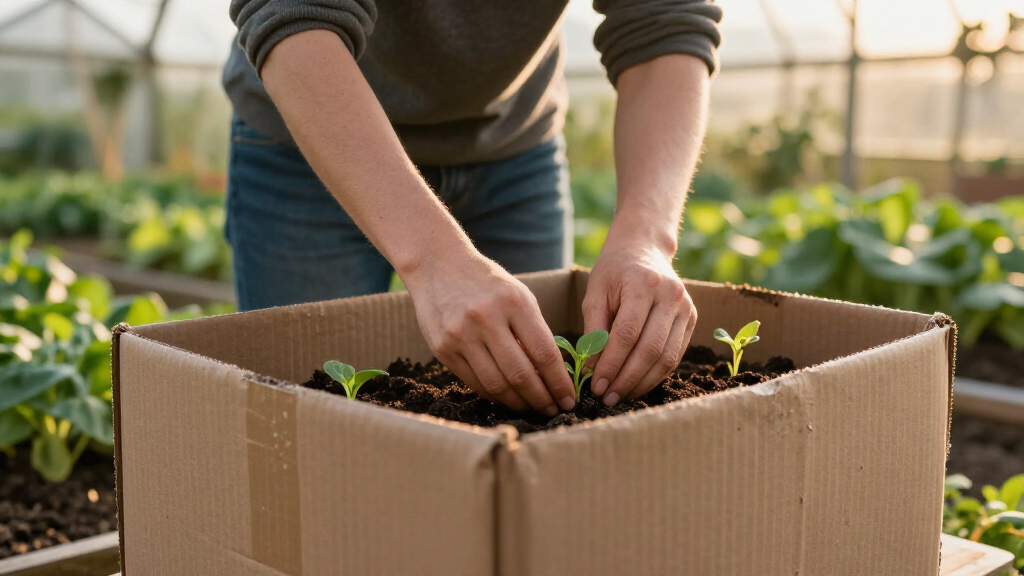
The gardener, who shared their method via social media, cuts and layers cardboard boxes to create raised beds and planting containers. This technique helps retain moisture, suppress weeds, and reduce soil compaction, which are common challenges during hot weather. According to the gardener, this method has made tending to vegetables less labor-intensive and more manageable amid high temperatures.
Experts note that using cardboard as a gardening material is a low-cost, eco-friendly practice that can recycle waste and improve soil health over time. Local gardening groups have shown interest, with some recommending the method for urban gardeners facing limited space and high summer temperatures. The gardener emphasizes that proper preparation, such as layering with compost and ensuring the cardboard is free of inks or chemicals, is crucial for safety and effectiveness.
Why Repurposing Cardboard Benefits Summer Gardeners
This approach offers a cost-effective and sustainable solution for gardeners struggling with heat stress and water conservation. It reduces the need for frequent watering, minimizes weed growth, and makes vegetable gardening accessible to those with limited space or resources. The practice also encourages waste recycling and eco-friendly gardening, aligning with broader environmental goals.
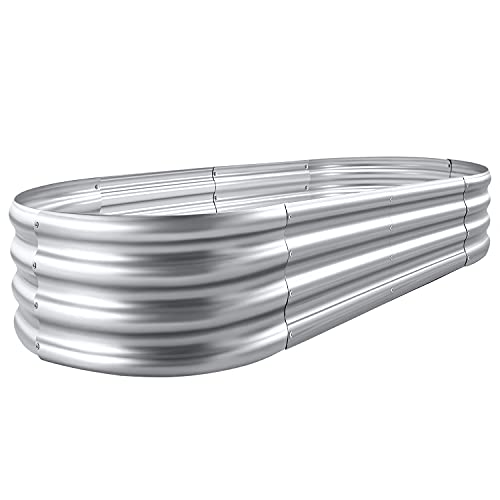
Land Guard Galvanized Raised Garden Bed Kit, Galvanized Planter Garden Boxes Outdoor, Oval Large Metal Raised Garden Beds for Vegetables…………
- Garden Bed Dimensions: 4×2×1 ft, 7.14 Cu
- Durable Galvanized Steel: Q195 galvanized metal with anti-corrosion coating
- Reinforced Oval Design: Enhanced strength and aesthetic appeal
As an affiliate, we earn on qualifying purchases.
As an affiliate, we earn on qualifying purchases.
Cardboard Use in Gardening: Growing Trends and Climate Adaptation
Using recycled materials like cardboard for gardening has gained popularity among urban farmers and sustainable gardeners. Historically, cardboard has been used as mulch or weed barrier, but recent innovations involve creating entire planting containers from it. This method is particularly relevant during heatwaves, as it can help manage soil moisture and reduce watering needs. The current heatwave has intensified the search for practical, low-cost gardening techniques, prompting more people to explore repurposing waste materials for cultivation.
“Using old cardboard boxes has made gardening during this heatwave much easier. It helps retain moisture and keeps weeds down, so I spend less time watering and weeding.”
— the gardener
Safety and Long-Term Effectiveness of Cardboard Gardening
It is not yet clear how durable or safe the cardboard-based containers are over extended periods, especially regarding potential chemical leaching or structural integrity during prolonged exposure to moisture and heat. Further studies are needed to confirm the long-term safety and soil health impacts of this method.
Monitoring Results and Sharing Best Practices for Cardboard Gardening
The gardener plans to continue using and refining this technique, documenting results over the season. Gardening groups and environmental organizations may conduct further research and develop guidelines for safe, effective use of cardboard in vegetable cultivation during extreme weather conditions. Public sharing of experiences could help expand this low-cost method to a wider audience.
Key Questions
Is using cardboard safe for growing vegetables?
When properly prepared—free of inks and chemicals—cardboard can be a safe, biodegradable material for gardening. However, long-term safety and soil health effects are still being studied.
How does cardboard help in hot weather gardening?
Cardboard retains soil moisture, suppresses weeds, and reduces soil compaction, making gardening easier and more sustainable during high temperatures.
Can I use any type of cardboard for gardening?
It is recommended to use plain, unprinted cardboard without inks or glossy coatings to avoid chemical leaching into the soil.
How should I prepare cardboard for planting?
Layer the cardboard with compost or soil, ensure it is moistened, and avoid using cardboard with inks or adhesives. Over time, it will decompose naturally.
Will the cardboard last throughout the growing season?
Cardboard typically decomposes over several months, so it is suitable for short to medium-term use. For longer-lasting containers, additional reinforcement may be needed.
Source: rss