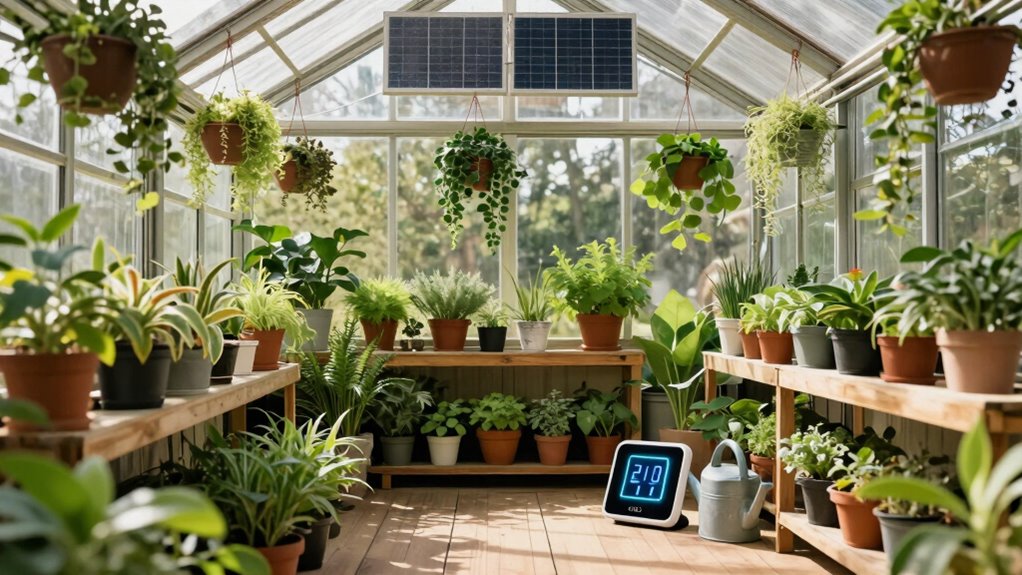
To build a simpler greenhouse routine around your home energy use, start by installing solar panels to generate sustainable power for lighting, heating, and ventilation. Use temperature sensors to monitor conditions in real-time and connect them to a smart system that automatically adjusts vents and climate controls. Combine these with battery storage to guarantee consistent energy supply and improve efficiency. Keep exploring to discover how these steps can create an easy, eco-friendly routine that benefits both your plants and your energy bills.

Get garden gear delivered free with Prime
- Fast, free delivery on millions of items
- Prime Video, Amazon Music and more included
- Member-only deals all year
Key Takeaways
- Integrate solar panels with battery storage to generate and store renewable energy for greenhouse systems.
- Use temperature sensors linked to automation to maintain optimal conditions with minimal manual adjustments.
- Automate climate controls like vents, fans, and heaters based on real-time data for energy-efficient regulation.
- Connect monitoring systems to smartphones or computers for remote management and quick response.
- Develop a routine combining solar energy use with automated environmental controls to simplify greenhouse management.
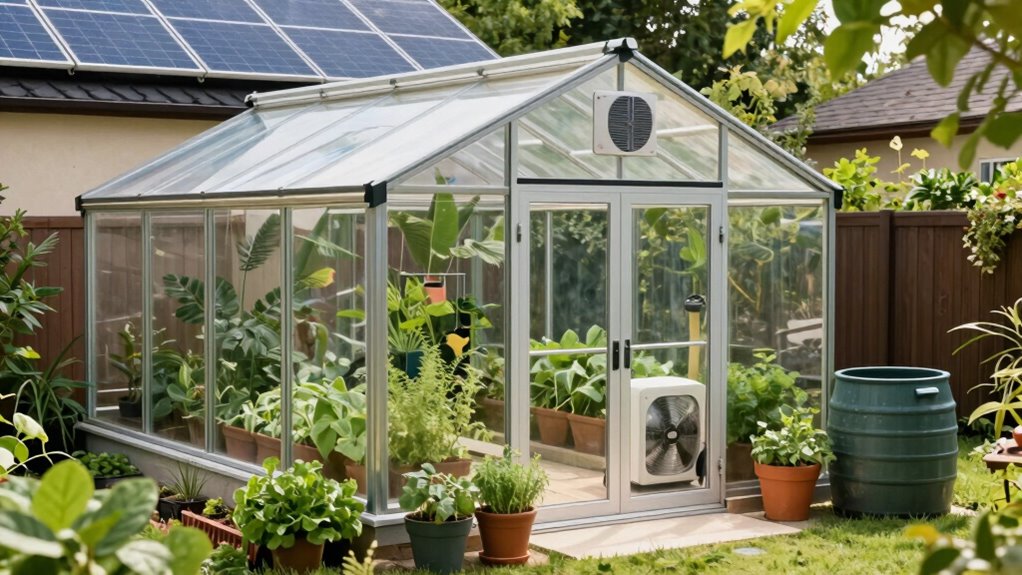
Creating a greenhouse routine doesn’t have to be complicated. The key is to streamline your daily tasks and incorporate smart technology to make managing your greenhouse easier and more energy-efficient. One way to do this is through solar panel integration. Installing solar panels allows you to harness renewable energy, reducing your reliance on the grid and cutting down on energy costs. When you set up solar power, you can power your greenhouse’s lighting, ventilation, and even heating systems more sustainably. This not only saves money but also simplifies your energy management since you generate your own power. To maximize efficiency, consider pairing your solar system with a battery storage solution, so you can store excess energy for cloudy days or nighttime use. This reduces the need to manually adjust your energy consumption and keeps your greenhouse running smoothly around the clock.
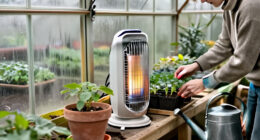
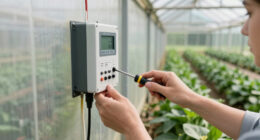
Another essential element in building an easier routine is temperature monitoring. With the right sensors, you can keep a close eye on your greenhouse’s temperature without constantly checking it manually. Modern temperature monitoring systems are easy to install and connect to your smartphone or computer, giving you real-time updates no matter where you are. This allows you to respond quickly to temperature fluctuations, whether that means opening vents, turning on fans, or activating heaters. By automating these responses based on temperature data, you eliminate guesswork and reduce energy waste. When your system detects that temperatures are rising too high or dropping too low, it can trigger actions automatically, maintaining ideal conditions for your plants and conserving energy at the same time. Incorporating energy-efficient practices can further optimize your routine and enhance sustainability.
Combining solar panel integration with temperature monitoring creates a seamless, energy-efficient routine. For example, you can set your system to use solar power to run fans during hot days and activate heaters during colder nights, all based on real-time data. This automation takes the hassle out of managing your greenhouse, allowing you to focus more on your plants and less on constant adjustments. Additionally, by keeping your temperature within the perfect range, you prevent energy from being wasted on unnecessary heating or cooling. Over time, these practices help you develop a sustainable routine that reduces your home energy use without sacrificing the health of your plants. Implementing renewable energy solutions further enhances the sustainability of your greenhouse routine.
As an affiliate, we earn on qualifying purchases.
Frequently Asked Questions
How Can I Monitor Greenhouse Temperature Remotely?
You can monitor greenhouse temperature remotely by installing remote sensors that track the environment continuously. Connect these sensors to a smart system or app, allowing you to check temperatures from anywhere. Set up mobile alerts to notify you instantly if temperatures go outside your desired range. This way, you stay informed and can take quick action without being physically present, ensuring your greenhouse stays ideal for your plants.
What Are the Best Energy-Efficient Greenhouse Heating Options?
When it comes to energy-efficient greenhouse heating options, you’re really cooking with gas. Start with insulation techniques like double glazing or bubble wrap to keep heat in. Then, consider heating alternatives such as solar heaters, thermal mass, or infrared heating panels. These choices cut your energy use while maintaining ideal temperatures, helping you save money and energy. Keep your greenhouse cozy without breaking the bank!
How Do I Prevent Energy Loss in My Greenhouse?
To prevent energy loss in your greenhouse, you should focus on effective insulation techniques like sealing gaps, using double-glazed panels, and adding thermal curtains at night. Combine this with smart ventilation strategies—such as controlled exhaust fans and ridge vents—to maintain airflow without losing heat. Regularly inspecting and maintaining these systems guarantees minimal energy escape, keeping your greenhouse warm and efficient while reducing energy costs.
Can Solar Power Fully Run My Greenhouse Systems?
Yes, solar power can fully run your greenhouse systems if you incorporate a reliable solar battery and effective energy storage. By storing excess energy generated during sunny days, you guarantee a continuous power supply during cloudy periods or at night. Properly sizing your solar battery and optimizing energy storage allows your greenhouse to operate independently of the grid, making it a sustainable and efficient solution for year-round plant growth.
What DIY Tools Can Simplify Greenhouse Automation?
You can simplify greenhouse automation with DIY tools like automated watering systems and sensor integration. Automated watering guarantees your plants get consistent moisture without manual effort, while sensors monitor temperature, humidity, and soil moisture levels. By connecting these sensors to simple microcontrollers like Arduino or Raspberry Pi, you can create a responsive system that adjusts watering and climate controls automatically, making your greenhouse more efficient and easier to manage.
Conclusion
As you step outside, the morning sun warms your greenhouse just as a gentle breeze stirs the plants inside. Your routine, now simpler and more intuitive, becomes part of this natural rhythm. With each passing day, you notice how your energy use aligns seamlessly with the changing seasons—almost like the greenhouse itself is breathing alongside you. This harmony makes tending your plants a peaceful, effortless part of your home life, connecting you deeply with nature’s quiet, beautiful flow.
Halloween Picks
halloween
As an affiliate, we earn on qualifying purchases.