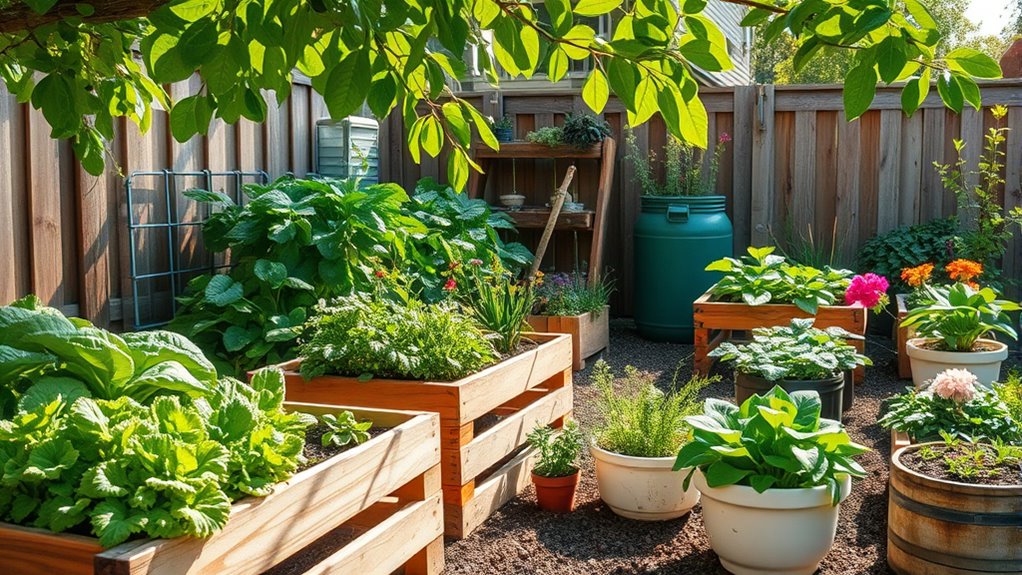

To practice zero-waste gardening, focus on composting organic scraps to enrich your soil naturally, reducing reliance on synthetic fertilizers. Incorporate diverse plants and companion planting to boost resilience and health while attracting beneficial insects. Practice water conservation with rainwater harvesting and mulch to retain moisture. These sustainable techniques minimize inputs and maximize outputs, creating a resilient, eco-friendly garden. Exploring further reveals how integrating these methods transforms your garden into a thriving, waste-free ecosystem.
Key Takeaways
- Implement composting to recycle organic waste into nutrient-rich soil, reducing the need for external fertilizers.
- Use diverse plantings and companion planting to naturally manage pests and enhance yields.
- Practice crop rotation and organic mulching to maintain soil health and minimize input requirements.
- Collect rainwater and utilize organic inputs to decrease resource consumption and reliance on synthetic supplies.
- Create a closed-loop system by recycling garden and kitchen waste, maximizing outputs and minimizing waste.
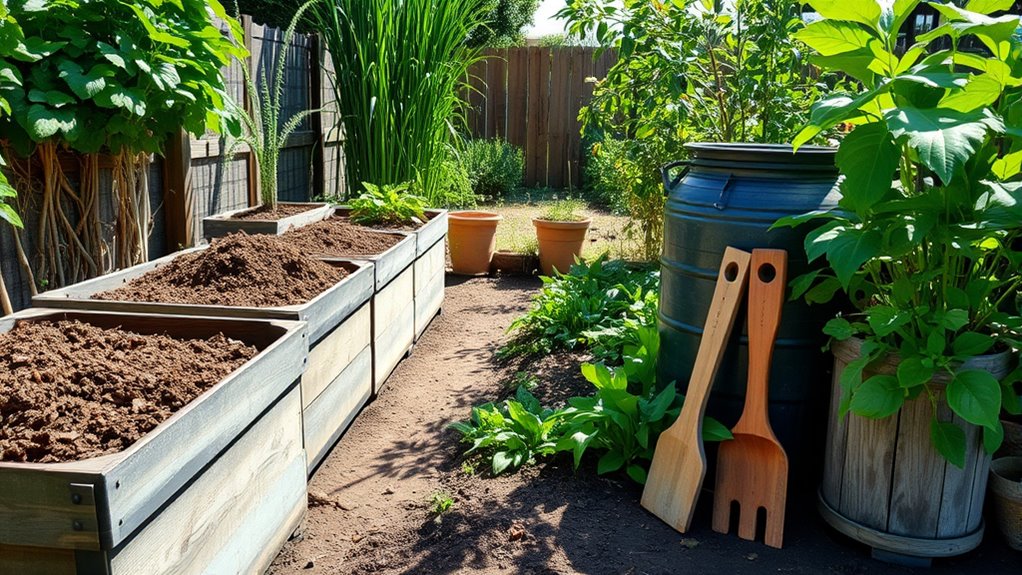
Ever wondered how you can grow a lush garden while minimizing waste? The secret lies in mastering composting techniques and embracing plant diversity. Composting transforms your kitchen scraps and garden waste into rich, healthy soil, reducing landfill contributions and providing your plants with essential nutrients. By integrating effective composting methods like hot composting or vermicomposting, you can accelerate decomposition and produce high-quality compost faster. These techniques not only cut down on waste but also create a self-sustaining cycle where your garden feeds itself. As you build your compost pile, focus on balancing greens and browns—fruit and vegetable scraps, grass clippings, shredded leaves, and paper—to optimize decomposition. Regular turning aerates the compost, speeding up the process and preventing odors. This approach guarantees you’re continuously recycling organic matter, reducing the need for synthetic fertilizers and minimizing your ecological footprint.
In addition to composting, plant diversity plays an indispensable role in zero-waste gardening. When you cultivate a variety of plants, you promote a resilient ecosystem that naturally manages pests and weeds, reducing the need for chemical interventions. Incorporate native plants, herbs, vegetables, and flowers to attract beneficial insects like pollinators and predatory bugs, which help keep pest populations in check. A diverse garden also improves soil health, as different plants have varying nutrient requirements and root structures, which enrich the soil and prevent depletion. By planting a range of species, you create a more sustainable environment where your garden thrives without relying heavily on external inputs. This diversity also extends your harvest window, allowing you to enjoy fresh produce for a longer period, reducing waste from spoilage.
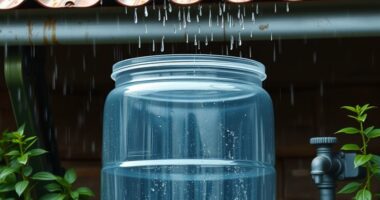
Maximizing outputs while minimizing inputs requires intentional planning. Use companion planting strategies to boost plant health and yields naturally, and practice crop rotation to prevent soil exhaustion. Collect rainwater for irrigation, reducing reliance on municipal water and lowering your water footprint. Mulching with organic materials helps retain moisture, suppress weeds, and gradually adds organic matter back into the soil as it decomposes. These small adjustments create a robust, thriving garden that produces abundant yields with minimal waste. Remember, the foundation of zero-waste gardening is creating a closed loop where organic waste is continuously recycled into healthy soil, and plant choices support a balanced, resilient ecosystem. By combining effective composting techniques with a focus on plant diversity, you’re building a sustainable garden that nurtures the environment and rewards you with bountiful harvests—all while keeping waste to a minimum.
Frequently Asked Questions
How Can I Start Zero-Waste Gardening With Limited Space?
To start zero-waste gardening with limited space, focus on container gardening using recycled containers. Enrich your soil with compost you create from kitchen scraps, reducing waste and boosting plant health. Opt for small, space-efficient plants and rotate crops to maximize yields. By recycling materials and composting, you minimize inputs and create a sustainable, productive garden even in tight spaces, helping you grow fresh produce while staying eco-friendly.
What Are the Best Composting Methods for Small Gardens?
Imagine a cozy corner where rich, dark compost teems beneath your fingertips. For small gardens, vermicomposting tips help you harness worm power, turning kitchen scraps into nutrient-rich soil. Choose a compact compost bin, like a tumbler or a stackable bin, that fits your space and keeps pests out. Regularly add kitchen waste, keep it moist, and let worms do their magic, transforming waste into garden gold efficiently.
How Do I Choose Zero-Waste Tools and Supplies?
You should prioritize sustainable tool options made from recycled or natural materials to reduce waste. Look for eco-friendly supply sources that offer biodegradable or reusable supplies, such as compostable seed trays or stainless steel tools. Avoid single-use plastics and opt for durable, multi-purpose tools. By choosing these alternatives, you minimize your environmental impact and support a zero-waste approach in your gardening, making your efforts more sustainable and effective.
Can Zero-Waste Gardening Be Done in Urban Environments?
Yes, you can definitely do zero-waste gardening in urban environments. Urban rooftop gardens and community gardening opportunities are perfect for this. You can compost kitchen scraps, reuse containers, and choose sustainable tools to reduce waste. By integrating composting bins and native plants, you minimize inputs and maximize outputs. Urban gardening allows you to practice zero-waste principles, even in limited spaces, fostering eco-friendly habits and community connections.
What Pests and Diseases Are Common in Zero-Waste Gardens?
You’ll likely face pests like aphids, slugs, and caterpillars, along with diseases such as powdery mildew and blight. Composting challenges may attract pests if food scraps aren’t properly managed, so always cover compost. To control pests, encourage beneficial insects and use natural repellents. Regularly inspect your plants, remove affected foliage, and avoid chemical pesticides to maintain a healthy, zero-waste garden without compromising your eco-friendly goals.
Conclusion
By adopting zero-waste gardening, you can turn your yard into a sustainable oasis. Imagine composting kitchen scraps to nourish your plants, just like a community garden in Portland that reduced waste and boosted yields. Every small action—reusing containers or collecting rainwater—adds up to a healthier planet and thriving garden. Start today, and watch how minimizing inputs and maximizing outputs transforms not just your garden, but your connection to nature.