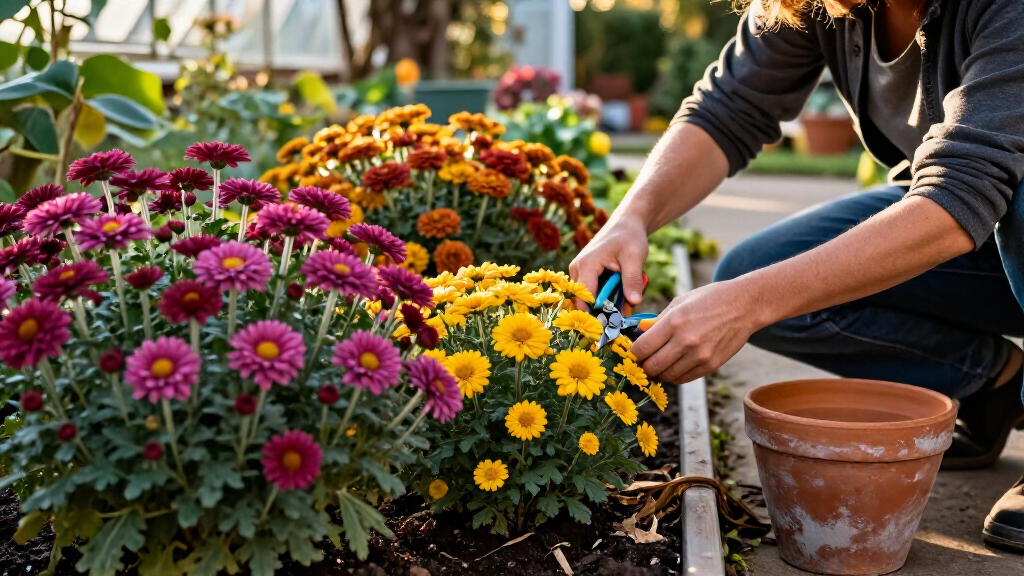
The best fall-blooming flowers in this lineup are seed options that give you autumn color while matching your climate, patience, and planting space. I rank Cool Season Flower Seeds, 10 Heirloom Varieties as the best overall for gardeners who want variety, while New England aster seeds stand out for a focused display of classic late-season blooms. For compact planting, the Carpet Creeping Pansy Seed Mix offers a different direction from taller asters and mixed wildflower blends. The main tradeoffs are variety versus a single reliable look, and seed quantity versus the time and growing conditions needed to raise plants. Read on for the full breakdown and guidance on choosing flowers suited to your garden.

Get garden gear delivered free — and shop member deals
- Fast, free delivery on millions of items
- Access to Prime Big Deal Days deals on October 6–7
- Prime Video, Amazon Music and more included
Complete the kit


Key Takeaways
- The 10-variety cool-season mix is the broadest starting point if you want several kinds of flowers rather than committing your whole bed to asters or chrysanthemums.
- New England asters dominate the lineup for a dedicated fall display, but the 600-, 1,200-, and 1,000-plus-seed options differ more in stated quantity and presentation than in the flower type.
- Seed count alone does not determine value: thousands of seeds can require more sowing space, thinning, and planning than a smaller, better-matched packet.
- Pansies offer a lower-growing alternative to the taller aster-focused choices, making them more suited to borders and compact areas than a meadow-style planting.
- Mixed wildflower and mixed-color seed blends trade predictability for variety; they suit gardeners who welcome a less uniform result, while single-species selections offer a clearer visual plan.
| 600 New England Aster Heirloom Flower Seeds |  | Best for a Manageable Aster Planting | Seed count: 600 | Flower color: Purple | Plant type: Perennial flower | VIEW LATEST PRICE | See Our Full Breakdown |
| 1,200 New England Aster Heirloom Flower Seeds (Aster novae-angliae), Purple |  | Best for Naturalizing a Large Pollinator Patch | Seed count: 1,200 | Botanical name: Aster novae-angliae | Flower color: Purple | VIEW LATEST PRICE | See Our Full Breakdown |
| Cool Season Flower Seeds, 10 Heirloom Varieties |  | Best for Mixed Cool-Season Color | Number of varieties: 10 | Included varieties: Alyssum, calendula, forget-me-not, scarlet kale, pansy, annual phlox, snapdragon, stock, and two sweet pea varieties | Expected bloom period: Spring to fall | VIEW LATEST PRICE | See Our Full Breakdown |
| Smooth Blue Aster Seeds, Symphyotrichum laeve, 1 Pack |  | Best for Lower-Water Established Borders | Botanical name: Symphyotrichum laeve | Pack count: 1 | Bloom color: Blue-violet | VIEW LATEST PRICE | See Our Full Breakdown |
| Carpet Creeping Pansy Seed Mix, 199 Count |  | Best for Low-Growing Frost-Tolerant Color | Seed count: 199 | Flower color: Violet | Plant type: Annual | VIEW LATEST PRICE | See Our Full Breakdown |
| Mixed-Color Callistephus (Aster) Flower Seeds, 1000 Count |  | Best for Long, Colorful Displays | Seed count: 1,000 | Flower color: Mixed | Flowering period: Summer to fall | VIEW LATEST PRICE | See Our Full Breakdown |
| Mixrug 1000+ Mixed New England Aster Seeds |  | Best Perennial Pick for Pollinators | Seed count: 1,000+ | Flower colors: Purple, pink, white, and lavender | Plant type: Perennial asters | VIEW LATEST PRICE | See Our Full Breakdown |
| Fall Blooming Mix of Wildflower Seeds |  | Best for Broad, Low-Fuss Soil Coverage | Seed count: 3,400 | Color: Multicolor | Blooming period: Spring, according to listed specs | VIEW LATEST PRICE | See Our Full Breakdown |
| 200+ Giant Mixed Perennial Pansy Seeds for Outdoor Planting |  | Best for Oversized Cool-Weather Blooms | Seed quantity: 200+ | Bloom size: Up to 4 inches across | Flower colors: Purple, yellow, orange, and bicolors | VIEW LATEST PRICE | See Our Full Breakdown |
| Mixrug 502+ Mixed Perennial Chrysanthemum Seeds |  | Best for Fall Borders and Cut Flowers | Seed count: 502+ | Plant type: Perennial chrysanthemum | Blooming period: Late summer and fall | VIEW LATEST PRICE | See Our Full Breakdown |
| fall-blooming flower | USDA hardiness zones | Seed count | Expected height |
|---|---|---|---|
| 600 New England Aster Heirloom | 2–8 | 600 | 48 inches |
| 1,200 New England Aster Heirlo | 2–8 | 1,200 | 48 inches |
| Cool Season Flower Seeds | 3–9 | — | 18 inches |
| Smooth Blue Aster Seeds | 3–8 | — | Up to 4 feet |
| Carpet Creeping Pansy Seed Mix | — | 199 | — |
| Mixed-Color Callistephus | 2–11 | 1,000 | 30 inches |
| Mixrug 1000+ Mixed New England | 3–8 | 1,000+ | — |
| Fall Blooming Mix of Wildflowe | — | 3,400 | 3 feet |
| 200+ Giant Mixed Perennial Pan | 6–9 | — | — |
| Mixrug 502+ Mixed Perennial Ch | 4–9 | 502+ | — |
More Details on Our Top Picks
600 New England Aster Heirloom Flower Seeds
For a focused patch of purple fall color, this 600-seed New England aster pack offers the same tall, pollinator-friendly perennial profile as the 1,200-seed pack, but with less seed to distribute or store. Plants can reach 48 inches and suit beds or containers, making them a good fit when you want a late-season feature rather than a broad naturalized spread. The tradeoff is preparation: seeds need eight weeks of cold stratification, and established plants need regular watering. Compared with Smooth Blue Aster Seeds, this option favors purple blooms and a larger stated seed count, while Smooth Blue Aster offers lower water needs after establishment. Choose this pack for a deliberate planting; skip it if you want quick, low-prep flowers.
Pros:- Perennial purple flowers bloom in fall and are listed through winter
- Attracts bees and butterflies
- Tall plants suit outdoor beds and can also be grown in containers
- Growing guide is included
Cons:- Requires eight weeks of cold stratification before sowing
- Needs regular watering
- At 48 inches tall, plants may need space behind shorter border flowers
Best for: Gardeners who want a defined purple aster patch for fall pollinators without the larger seed supply of the 1,200-count pack.
Not ideal for: New gardeners seeking a simple, fast-sowing flower or gardeners unable to provide eight weeks of cold stratification and regular watering.
- Seed count:600
- Flower color:Purple
- Plant type:Perennial flower
- Expected height:48 inches
- Bloom period:Fall to winter
- USDA hardiness zones:2–8
- Cold stratification:8 weeks
- Spacing:18–24 inches
Our verdict“Choose this pack for a contained, purple New England aster planting if you can plan ahead for cold stratification and regular watering.”
1,200 New England Aster Heirloom Flower Seeds (Aster novae-angliae), Purple
The main reason to choose this New England aster pack is quantity for a larger planting: 1,200 seeds can support a broad bed or multiple garden areas, and the plants may spread by rhizomes and reseeding. Its purple fall-to-winter blooms attract bees and butterflies, while the perennial habit can add returning color once plants establish. Compared with the 600-seed New England Aster pack, this one is better suited to gardeners who want more coverage, not a compact trial planting. That scale comes with the same work: allow eight weeks for cold stratification, provide regular watering, and leave 18–24 inches between plants. Skip it if you have limited space or prefer flowers that do not spread.
Pros:- 1,200 seeds support broad beds or several planting areas
- Perennial plants can spread by rhizomes and reseeding
- Purple flowers attract bees and butterflies
- Step-by-step growing guide is included
Cons:- Requires eight weeks of cold stratification
- Needs regular watering
- Rhizome growth and reseeding can make the planting harder to contain
Best for: Gardeners establishing a large perennial border or pollinator area who have room for asters to spread and can prepare seeds in advance.
Not ideal for: Small-space gardeners or anyone wanting a tightly controlled planting with minimal seed preparation.
- Seed count:1,200
- Botanical name:Aster novae-angliae
- Flower color:Purple
- Expected height:48 inches
- Bloom period:Fall to winter
- USDA hardiness zones:2–8
- Cold stratification:8 weeks
- Spacing:18–24 inches
Our verdict“Pick this larger pack over the 600-seed version when your priority is filling a spacious fall pollinator planting.”
Cool Season Flower Seeds, 10 Heirloom Varieties
This assortment suits gardeners who want variety rather than one dominant fall perennial. Its ten listed varieties include pansy, calendula, snapdragon, stock, sweet peas, and other cool-season flowers, giving beds and containers a mix of forms and colors. Unlike either New England aster pack, it is not a single-species choice centered on tall purple fall blooms; the stated bloom window runs from spring to fall, so it can contribute color across more of the growing season. Variety-specific instructions help, but each selection may have its own needs, and the overall guidance calls for full sun and moderate watering. Choose it for a varied cool-weather display, not a uniform perennial patch or a guaranteed fall-only planting.
Pros:- Ten varieties provide different flower forms and garden textures
- Includes pansy, calendula, snapdragon, stock, and two sweet pea varieties
- Suitable for beds, borders, and containers
- Packets include variety-specific growing instructions
Cons:- Bloom period spans spring to fall rather than focusing solely on fall
- Full sun and moderate watering are listed for the assortment
- Different varieties can require more planning than a single-species seed pack
Best for: Gardeners who want several heirloom cool-season flower types for mixed beds, borders, or containers and are comfortable following separate packet instructions.
Not ideal for: Buyers focused on one dependable fall-blooming perennial, or gardeners without a full-sun planting area.
- Number of varieties:10
- Included varieties:Alyssum, calendula, forget-me-not, scarlet kale, pansy, annual phlox, snapdragon, stock, and two sweet pea varieties
- Expected bloom period:Spring to fall
- USDA hardiness zones:3–9
- Expected height:18 inches
- Sunlight:Full sun
- Watering:Moderate
- Seed features:Untreated, non-GMO, heirloom, open-pollinated
Our verdict“Choose this assortment for a varied cool-season garden with a longer bloom window, rather than a concentrated fall aster display.”
Smooth Blue Aster Seeds, Symphyotrichum laeve, 1 Pack
Smooth Blue Aster stands apart from the New England aster packs with blue-violet flowers and a stated September-to-November bloom window. Its clumping growth reaches up to four feet, giving pollinators a substantial late-season planting without the listed rhizome spreading of the 1,200-seed New England aster. The strongest practical distinction is water use: it needs consistent moisture while sprouting, then is described as drought tolerant once established, unlike the New England asters’ regular-watering requirement. Seeds still need 30–60 days of cold stratification, so this is not a no-prep shortcut. It makes most sense for gardeners who can manage germination and want a native perennial suited to zones 3–8; choose another option if you need an easy direct-sow annual.
Pros:- Blue-violet flowers bloom from September through November
- Drought tolerant once established
- Attracts bees, butterflies, and hummingbirds
- Native perennial suited to USDA zones 3–8
Cons:- Requires 30–60 days of cold stratification
- Needs consistent moisture until germination
- A single pack may be less suited to large-scale planting than the 1,200-seed New England aster pack
Best for: Gardeners in zones 3–8 who want a blue-violet native perennial for a late-season border and can keep seedlings moist during germination.
Not ideal for: Gardeners seeking a fast, low-preparation annual or anyone unable to provide cold stratification and steady moisture to sprouting seeds.
- Botanical name:Symphyotrichum laeve
- Pack count:1
- Bloom color:Blue-violet
- Bloom period:September–November
- Expected height:Up to 4 feet
- USDA hardiness zones:3–8
- Sun exposure:Full sun to partial shade
- Cold stratification:30–60 days
Our verdict“Choose Smooth Blue Aster for a blue-violet, lower-water perennial border if you are prepared to stratify the seeds and tend seedlings.”
Carpet Creeping Pansy Seed Mix, 199 Count
For a lower-growing alternative to the tall New England and Smooth Blue asters, this pansy mix is aimed at borders, beds, and containers where colorful flowers belong closer to the ground. Its stated selling point is cold hardiness: the annuals tolerate light frost and are described as blooming in spring and fall, which suits gardeners trying to extend color beyond summer. The listing’s bloom-period spec says summer, though, so buyers seeking dependable fall timing should treat that claim cautiously. Compared with the Cool Season Flower assortment, this pack offers a more focused pansy display instead of ten different varieties. Regular deadheading supports continued blooms, and rich, moist, well-drained soil is preferred, so it is not entirely hands-off.
Pros:- Cold-hardy annuals tolerate light frost
- Large colorful blooms suit borders, beds, and containers
- Full sun to partial shade offers flexible placement
- Deadheading can encourage an extended bloom period
Cons:- Deadheading is needed to encourage continued flowering
- Best growth calls for rich, moist, well-drained soil
- Bloom timing is unclear: the description says spring and fall, while the specs list summer
Best for: Gardeners wanting low-growing, frost-tolerant flowers for containers or the front of a border, with time to deadhead through the season.
Not ideal for: Buyers who need a clearly specified fall-only bloom schedule, a perennial planting, or flowers that need no ongoing care.
- Seed count:199
- Flower color:Violet
- Plant type:Annual
- Bloom period:Summer listed; description also states spring and fall
- USDA hardiness zone:3
- Sun exposure:Full sun to partial shade
- Watering:Moderate
- Special features:Cold hardy, attracts pollinators, deer resistant
Our verdict“Choose this pansy mix for frost-tolerant color near the front of a bed, but skip it if a clearly documented fall bloom window is your main requirement.”
Mixed-Color Callistephus (Aster) Flower Seeds, 1000 Count
For gardeners who want a changing mix of color rather than a single late-season shade, these double pompon-style asters offer a wide flowering window from midsummer into late autumn. The 1,000-seed count supports broad beds or succession sowing every two to three weeks, a useful way to stagger blooms until heavy frost. Unlike the perennial Mixrug New England Aster Seeds, this packet is positioned as an annual-style display, so it suits gardeners prioritizing abundant seasonal color over a returning planting. The tradeoff is that asters perform best in moderate temperatures and need full sun; hot conditions or a shaded site can work against the intended show. Choose it for a large, pollinator-friendly display, not for the simplest low-maintenance perennial bed.
Pros:- Large 1,000-seed count allows broad planting or staggered sowing.
- Double pompon-style flowers add a distinct form to mixed-color beds.
- Can bloom from midsummer through late autumn, with succession sowing extending the display.
- Flowers attract pollinators.
Cons:- Needs full sun, limiting its fit for shaded gardens.
- Performs best in moderate temperatures rather than prolonged heat.
- Spring planting means it is not a ready-made fall display; flowers must be grown from seed.
Best for: Gardeners with a sunny, spacious bed who want mixed-color blooms over an extended season and enough seeds for succession sowing.
Not ideal for: Gardeners seeking flowers that reliably return each year, or those planting in hot, partly shaded locations.
- Seed count:1,000
- Flower color:Mixed
- Flowering period:Summer to fall
- Expected height:30 inches
- Sunlight:Full sun
- USDA hardiness zones:2–11
- Planting period:Spring
- Growing location:Indoor or outdoor
Our verdict“Pick these if you have a sunny spot and want a large, staggered display of pompon asters rather than a perennial planting.”
Mixrug 1000+ Mixed New England Aster Seeds
This is the clearest choice here for gardeners who want late-season color from perennial asters and food for bees and butterflies. Its purple, pink, white, and lavender mix gives a more traditional New England aster look than the Mixed-Color Callistephus, which is described with double pompon blooms and a longer summer-to-fall window. The perennial habit and stated zones 3–8 make this packet better suited to a returning garden planting, though the listing’s bloom-period details are inconsistent, so exact timing is less certain. It also calls for full sun, regular watering, and sandy soil; gardeners with heavy or dry soil may need to adapt their growing approach. Choose it for a pollinator-minded perennial bed, not if precise bloom scheduling is your priority.
Pros:- Perennial asters are described as cold-hardy for zones 3–8.
- More than 1,000 seeds provide ample quantity for a substantial planting.
- Purple, pink, white, and lavender flowers create a varied display.
- Late-season flowers attract bees and butterflies.
Cons:- Bloom-period details in the listing are inconsistent.
- Full sun and regular watering are specified, which may not suit low-water or shaded sites.
- Sandy soil is listed, potentially requiring adjustments in other soil conditions.
Best for: Gardeners in USDA zones 3–8 who want a mixed-color perennial aster planting that provides late-season nectar for bees and butterflies.
Not ideal for: Gardeners who need dependable, clearly specified bloom timing or have a site that cannot provide full sun and regular watering.
- Seed count:1,000+
- Flower colors:Purple, pink, white, and lavender
- Plant type:Perennial asters
- Bloom season:Late summer through fall
- USDA hardiness zones:3–8
- Sunlight:Full sun
- Soil type:Sandy soil
- Moisture needs:Regular watering
Our verdict“Choose this packet for a sunny, pollinator-friendly perennial aster bed if flexible bloom timing is acceptable.”
Fall Blooming Mix of Wildflower Seeds
This mix stands apart from the named-flower packets by offering 3,400 seeds for a varied wildflower planting rather than a single type of aster or chrysanthemum. Its stated suitability for all soil types gives it broader site flexibility than the Mixrug aster and chrysanthemum seeds, both of which list sandy soil. The mix is intended for direct sowing on bare ground and attracts pollinators, making it a practical option for filling a sunny outdoor area. There is an important timing caveat: although the product is called a fall-blooming mix, its specs list a spring blooming period and planting from fall to spring. I would choose it for a diverse sowing project, not for a precise or guaranteed autumn display.
Pros:- 3,400 seeds offer broad coverage for a larger sowing area.
- Listed for all soil types, unlike packets specifying sandy soil.
- Multicolor mix can create a varied wildflower display.
- GMO-free seeds and pollinator-attracting flowers.
Cons:- Blooming period is listed as spring despite the fall-blooming product name.
- Requires full sun and moderate watering.
- The mixed-species format offers less control over the exact flowers and colors than named varieties.
Best for: Gardeners who want to sow a large, sunny outdoor area with a multicolor wildflower mix and have flexibility about exact bloom timing.
Not ideal for: Buyers who need a clearly specified fall-flowering species or a dependable, tightly timed autumn display.
- Seed count:3,400
- Color:Multicolor
- Blooming period:Spring, according to listed specs
- Planting period:Fall to spring
- Expected height:3 feet
- USDA hardiness zone:3
- Soil type:All types
- Sunlight exposure:Full sun
Our verdict“Choose this for broad wildflower coverage and soil flexibility, but skip it if fall bloom timing must be clear and dependable.”
200+ Giant Mixed Perennial Pansy Seeds for Outdoor Planting
These pansies bring a different kind of fall interest: flowers up to 4 inches across and a stated ability to bloom through fall, winter, and spring in cooler weather. That makes them a better fit for gardeners after prominent, fragrant individual flowers than the smaller-flowered Mixrug New England Asters, which lean toward late-season pollinator value and a traditional perennial bed. The mixed purples, yellows, oranges, and bicolors add variety, while the zones 6–9 range points to a narrower climate fit than the Callistephus listing. The tradeoff is reliance on local conditions: winter flowering is described for mild climates, and both bloom timing and cold performance can vary. Choose these for a cool-season focal planting, not for guaranteed winter color in harsher locations.
Pros:- Flowers can reach 4 inches across for noticeable display.
- Mixed colors include purple, yellow, orange, and bicolor blooms.
- Sweet fragrance adds appeal beyond color.
- Can bloom from fall through spring in suitable cooler conditions.
Cons:- Cold performance and bloom timing depend on growing conditions.
- Winter flowering is described for mild climates, not as a universal outcome.
- The stated zones 6–9 are narrower than those listed for several aster options.
Best for: Gardeners in USDA zones 6–9 seeking large, fragrant flowers for a cool-weather bed or container.
Not ideal for: Gardeners in climates outside zones 6–9 or anyone expecting reliable winter blooms regardless of local conditions.
- Seed quantity:200+
- Bloom size:Up to 4 inches across
- Flower colors:Purple, yellow, orange, and bicolors
- Blooming season:Fall, winter, and spring in cooler weather
- USDA hardiness zones:6–9
- Fragrance:Sweetly scented
Our verdict“Pick these for large, fragrant cool-season flowers in a suitable climate, but not for guaranteed winter blooms.”
Mixrug 502+ Mixed Perennial Chrysanthemum Seeds
For gardeners who want classic late-season color that can also supply cut stems, this packet’s mixed perennial chrysanthemums offer a useful dual purpose. The seeds are described as producing assorted flower forms and colors, with blooms in late summer and fall and suitability for borders, containers, and arrangements. Compared with the Giant Mixed Perennial Pansies, this is the more direct fit for a fall border and cut-flower plan; the pansies are better suited to cool-weather display and fragrance. The stated zones 4–9 cover a broad range, but these chrysanthemums still need full sun and regular watering. Seed-grown plants also require time to establish before delivering the intended seasonal display, so this is less suitable for buyers seeking immediate flowers.
Pros:- Late-summer and fall bloom timing directly suits an autumn garden.
- Assorted forms and colors add variety to borders and containers.
- Suitable for cut flower arrangements as well as landscaping.
- Described as perennial and cold-hardy in zones 4–9.
Cons:- Requires full sun and regular watering.
- Sandy soil is listed, which may not match every garden site.
- Seeds need time to grow before producing a mature fall display.
Best for: Gardeners in USDA zones 4–9 who can provide a sunny, regularly watered site and want fall border flowers plus stems for arranging.
Not ideal for: Gardeners wanting an instant fall display, low-water planting, or flowers for a shady site.
- Seed count:502+
- Plant type:Perennial chrysanthemum
- Blooming period:Late summer and fall
- USDA hardiness zones:4–9
- Sunlight exposure:Full sun
- Soil type:Sandy soil
- Soil moisture:Regular watering
- Usage:Outdoor; borders, containers, landscaping, and cut flowers
Our verdict“Choose these chrysanthemums if you want to grow varied fall border flowers that can also be cut for arrangements.”
How We Picked
I ranked these options by how clearly they serve the goal of fall garden color, then weighed the practical differences buyers can judge from the product names and formats: flower type, stated seed quantity, mix breadth, and likely planting scale. I favored choices that offer a useful role—such as a broad seasonal mix, a focused aster planting, or a compact pansy option—over products that appear to repeat the same flower category with little distinction.
The order also reflects the tradeoffs gardeners face before buying seeds: a varied mix can reduce the effort of assembling multiple flower types, while single-species packets give more control over the look but less variety. Larger counts may suit extensive sowing, yet they are not automatically the better fit for small beds or first-time growers. Because the product information provided does not establish germination rates, bloom timing, climate range, or growing instructions, I do not treat those details as proven advantages; buyers should check the packet or seller information for them.
Factors to Consider When Choosing Best Fall-blooming Flowers
Before choosing a packet, I would plan around the garden you actually have rather than the biggest seed count or broadest promise. These wider considerations can help you avoid mismatched planting plans and decide when variety, control, or convenience matters most.
Match the Flower’s Mature Shape to the Site
Fall color needs to fit the height and spread of the planting area, not just its palette. Taller plants can anchor a back border or open bed, while low-growing options make more sense near paths and bed edges. A packet name may identify the flower but not tell you how large it will grow in your conditions, so check mature dimensions before sowing. Crowding seed-heavy mixes into a small bed can lead to thinning work and uneven growth. If you are planting in containers, confirm that the chosen flowers suit container conditions rather than assuming any seed mix will adapt.
Separate Bloom Season from Planting Season
A flower described as fall-blooming does not necessarily bloom in autumn when sown at any time of year. Many flowers need a particular sowing window and enough time to establish before flowering, and local frost dates affect that schedule. Read the packet for sowing depth, indoor-starting guidance, and the expected time to bloom. A late planting may produce foliage without flowers in the season you had in mind. Gardeners with short growing seasons should favor options whose instructions align with their local calendar rather than relying on the category name alone.
Choose Between a Uniform Display and a Mixed Look
Single-species packets give you more control over a coordinated planting and make it easier to plan around one flower type. Blends can add color and variety, but the final balance of species may be less predictable, especially when growing conditions favor some seeds over others. A mixed packet is not automatically a complete pollinator garden or a ready-made landscape plan. Check the listed varieties and whether the mix is intended for a specific season or site. If visual consistency matters, combine a focused flower choice with a smaller amount of mix rather than relying on a blend alone.
Treat Seed Count as a Planning Number, Not a Value Score
Large counts are useful when you have open ground, want to sow a broad area, or expect to repeat plantings, but they can be excessive for a small garden. The number of seeds does not tell you how many will germinate or how many plants you should leave after thinning. Follow spacing guidance and sow in manageable sections if you are unsure how much coverage you need. A smaller packet may be a better fit when you are learning a flower’s needs or testing a new spot. Compare quantity with the area you plan to plant and the effort you can give it.
Check Climate Fit and Perennial Expectations
Some flowers are grown as annuals in one region and may persist in another, so a product’s perennial wording should not replace local growing guidance. Cold tolerance, summer heat, soil drainage, and sunlight can all affect whether a plant returns or flowers well. Look up the flower’s suitable hardiness range and compare it with your location before choosing a perennial-labeled seed packet. Also confirm whether the plant is suited to your soil and water conditions. If you want dependable color in one season, plan around the local planting calendar rather than assuming a perennial label guarantees immediate blooms.
Frequently Asked Questions
Which option makes the most sense if I want several kinds of fall flowers without buying separate packets?
The Cool Season Flower Seeds, 10 Heirloom Varieties is the clearest match in this lineup for someone seeking variety in one purchase. A mixed packet can simplify selection, but it may not give you equal amounts of each flower or a predictable final color balance. Check the listed varieties and sowing guidance before deciding whether the mix suits your garden conditions. If you need a specific height, color, or bloom window, separate packets may offer more control. I would choose the mix for breadth, not assume it will replace a tailored planting plan.
Are the New England aster packets meaningfully different from one another?
The listed options all center on New England asters, so the main visible differences are stated seed count and product labeling rather than a clearly described change in flower type. The 1,200-seed packet may suit a larger sowing plan, while the 600-seed packet may be easier to manage in a more limited space. Mixrug’s 1,000-plus option also signals a high-count approach, but the provided title does not establish a performance advantage over the other aster packets. Compare packet instructions, seed details, and intended coverage before choosing. If you only need a small bed, the largest number is not automatically the best fit.
Should I choose pansies or asters for a small border?
The pansy options are the more natural starting point when you want a lower-growing look, while asters are better suited to gardeners planning a more upright or meadow-like display. The lineup includes both a carpet-style creeping pansy mix and a giant mixed perennial pansy seed option, so check the specific growth habit and local guidance rather than treating all pansies as interchangeable. Asters may need more vertical room and careful placement so they do not crowd shorter plants. For a narrow edge, look for mature spread as well as height. For a mixed border, combining heights can add depth if each plant has adequate room.
Does a large seed count mean I will get a fuller or more reliable display?
No; a high count tells you how many seeds are included, not how many will germinate or flower. Results depend on seed quality, storage, sowing depth, moisture, light, temperature, and spacing. A very dense sowing can also create extra thinning work or crowd young plants. Use the packet’s recommended spacing and sow a manageable area rather than scattering every seed at once. If reliability matters more than coverage, follow the growing instructions closely and check whether the seller provides clear seed and germination information.
Can I sow these seeds late in summer and still get flowers in autumn?
That depends on the species, your climate, and how much time each plant needs between sowing and bloom. The product titles alone do not establish a guaranteed planting window or flowering schedule. Check the packet for days to maturity or bloom, direct-sowing directions, and any indoor-starting advice, then compare those details with your local first-frost date. A late sowing may establish plants without leaving enough time for flowers before cold weather. If autumn blooms are the priority, use the earliest suitable planting window recommended for your region.
Conclusion
For most gardeners seeking a flexible starting point, I would choose Cool Season Flower Seeds, 10 Heirloom Varieties as the best overall because it offers the broadest mix in this selection. The best value by planting scale is one of the high-count New England aster packets if you have enough room for a focused aster display; pick the count that fits your bed rather than buying extra seeds on count alone. The best premium-style choice for breadth is the 10-variety mix, since it groups more flower types in one option, though buyers should verify its variety list and instructions. For beginners, I would start with a smaller, clearly labeled packet such as the 600 New England Aster Heirloom Flower Seeds rather than a thousand-plus-seed mix that may be harder to manage. For compact borders, choose the Carpet Creeping Pansy Seed Mix; for a less uniform, meadow-like planting, compare the wildflower and mixed-color options. The right pick is the one whose flower type, planting scale, and growing instructions match your space and local season.
Halloween Picks
halloween
As an affiliate, we earn on qualifying purchases.