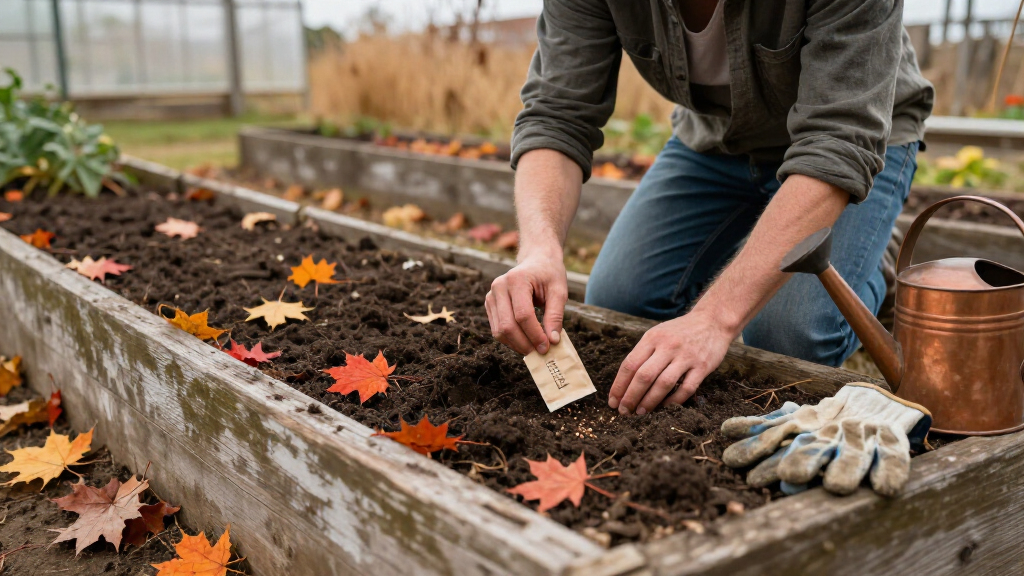
Choosing the best flower seeds for fall planting means balancing two different goals: seeds that bloom before frost ends the season, and seeds that overwinter in the soil for an early spring show. The HOME GROWN Perennial Wildflower Seed Mix earns the top spot for its versatility across both jobs, with 19 perennial varieties and enough seed to cover a real patch of ground. If you want late-season color specifically, the New England Aster and the Fall Blooming Mix of Wildflowers are stronger choices, trading early payoff for autumn impact. The main tradeoff in this category is patience versus payoff: quick annuals like zinnias deliver fast blooms but die with the frost, while perennials like asters and chrysanthemums take longer to establish but return year after year. Read on for the full breakdown, including who each pick suits and who should skip it.

Get garden gear delivered free — and shop member deals
- Fast, free delivery on millions of items
- Access to Prime Big Deal Days deals on October 6–7
- Prime Video, Amazon Music and more included
Complete the kit


Key Takeaways
- Perennial mixes dominated the top of the rankings because fall planting naturally favors overwintering seeds — the HOME GROWN mix and Mixed Perennial Chrysanthemum Seeds reward patience with multi-year returns.
- The Chocolate Cherry Sunflower appeared twice in different pack sizes and counts; the 75-seed heirloom version is the better fit for small fall sowings, while the 1-pack option works better for spring-planning gardeners buying ahead.
- Seed count alone was a poor predictor of value — the 36 Edible Fall Flower Variety Pack offers 16,570+ seeds, but that volume only makes sense for large plots or gardeners who want edible blooms, not patio planters.
- Cool-season performers separated themselves from warm-season stragglers: pansies and cool-season heirloom mixes reliably handle chilly soil, while zinnias planted in fall only work in warm southern zones.
- Starter kits with tools and instructions, like the AVERGO Growing Kit, ranked well for beginners despite higher cost per seed because germination guidance matters more than raw seed quantity for first-time fall sowers.
| Chocolate Cherry Sunflower Seeds for Planting, 1 Pack |  | Best Statement Bloom for Fall Borders | Plant type: Annual sunflower (Helianthus annuus) | Bloom size: 5–8 inches | Plant height: 6–7 feet | VIEW LATEST PRICE | See Our Full Breakdown |
| Persian Carpet Mix Zinnia Seeds – 100 Non-GMO Heirloom Seeds (USA Harvested) |  | Best Low-Waintenance Color for Small Spaces | Seed count: 100 seeds (1/4+ gram) | Seed type: Non-GMO, heirloom | Mature height: 12–16 inches | VIEW LATEST PRICE | See Our Full Breakdown |
| 600 New England Aster Heirloom Flower Seeds (Aster novae-angliae) |  | Best True Fall Perennial | Quantity: 600 seeds | Plant type: Perennial wildflower | Botanical name: Aster novae-angliae | VIEW LATEST PRICE | See Our Full Breakdown |
| HOME GROWN Perennial Wildflower Seed Mix, 2 oz, 19 Varieties |  | Best Value for Large-Scale Fall Sowing | Seed quantity: 2 oz | Claimed varieties: 19 | Coverage: Up to 250 square feet | VIEW LATEST PRICE | See Our Full Breakdown |
| Fall Blooming Mix of Wildflowers |  | Best for Set-and-Forget Soil Flexibility | Usage: Outdoor, direct sow on bare soil | Planting period: Fall to spring | Expected bloom period: Spring onward | VIEW LATEST PRICE | See Our Full Breakdown |
| AVERGO Wildflower Seed Mix Growing Kit |  | Best Gift-Ready Starter Kit | Brand: AVERGO | Usage: Indoor | Sunlight: Partial sun | VIEW LATEST PRICE | See Our Full Breakdown |
| 36 Edible Fall Flower Seeds Variety Pack – 16,570+ Non-GMO Heirloom Seeds |  | Best for Edible and Culinary Gardens | Varieties: 36 | Total Seed Count: 16,570+ | Seed Type: Non-GMO heirloom, open-pollinated | VIEW LATEST PRICE | See Our Full Breakdown |
| Cool Season Flower Seeds, 10 Heirloom Varieties |  | Best Cool-Weather Variety Mix | Varieties: 10 | Included: Alyssum, calendula, forget-me-not, scarlet kale, pansy, annual phlox, snapdragon, stock, 2 sweet peas | Planting Period: Spring to fall | VIEW LATEST PRICE | See Our Full Breakdown |
| 75 Chocolate Cherry Sunflower Heirloom Seeds |  | Best Statement Bloom | Quantity: 75 seeds | Plant Height: 6–7 ft | Bloom Size: 5–8 in | VIEW LATEST PRICE | See Our Full Breakdown |
| Pansy Seeds Mix for Planting |  | Best for Frost-Tolerant Fall Color | Plant Type: Annual | Planting Period: Spring and fall | Sunlight: Full sun to partial shade | VIEW LATEST PRICE | See Our Full Breakdown |
| Mixed Perennial Chrysanthemum Seeds for Planting, 502+ Seeds |  | Best for Late-Season Cut Flowers | Seed count: 502+ | Plant type: Perennial chrysanthemum | USDA hardiness zones: 4–9 | VIEW LATEST PRICE | See Our Full Breakdown |
| flower seeds for fall planting | Sunlight |
|---|---|
| Chocolate Cherry Sunflower See | Full sun |
| Persian Carpet Mix Zinnia Seed | Full sun |
| 600 New England Aster Heirloom | — |
| HOME GROWN Perennial Wildflowe | Full sun |
| Fall Blooming Mix of Wildflowe | Full sun |
| AVERGO Wildflower Seed Mix Gro | Partial sun |
| 36 Edible Fall Flower Seeds Va | Full sun (adapts to partial shade) |
| Cool Season Flower Seeds | Full sun |
| 75 Chocolate Cherry Sunflower | Full sun |
| Pansy Seeds Mix for Planting | Full sun to partial shade |
| Mixed Perennial Chrysanthemum | — |
More Details on Our Top Picks
Chocolate Cherry Sunflower Seeds for Planting, 1 Pack
Among fall-planting picks, this option stands out for its dramatic burgundy-black blooms that keep producing straight through autumn on 6–7-foot branching stems. Compared with the Persian Carpet Zinnias, which stay compact at 12–16 inches, this sunflower is built for gardeners who want height and structure at the back of a bed rather than a low, carpeting sweep of color. The branching habit means more stems per plant, and the included planting instructions make it friendlier to first-timers than bare-seed offerings. The tradeoff is patience and conditions: it demands full sun and well-drained loam, and germinating seeds need steady moisture, so a neglected fall sowing may disappoint. It is also a single variety, not a mix like the HOME GROWN blend, so the effect is bold rather than diverse.
Pros:- Branching plants produce multiple 5–8-inch blooms per stem over a long season
- Low-pollen flowers suit cut-flower arrangements without the mess
- Attracts bees, butterflies, and birds into late fall
- Heirloom, open-pollinated seeds with included planting instructions
Cons:- Requires full sun and well-drained soil to perform
- Germinating seeds need regular moisture, adding early-season upkeep
Best for: Gardeners who want tall, cut-flower-ready statement plants with deep, unusual bloom color through fall
Not ideal for: Shaded yards or gardeners who can’t water regularly during germination — full sun and consistent moisture are non-negotiable
- Plant type:Annual sunflower (Helianthus annuus)
- Bloom size:5–8 inches
- Plant height:6–7 feet
- Bloom color:Burgundy-black
- Blooming period:Summer to fall
- Sunlight:Full sun
- USDA hardiness zone:2–11
- Seed traits:Heirloom, non-GMO, open-pollinated, untreated
Our verdict“Choose this if you want a single tall, dramatic annual that anchors a fall border and fills vases; skip it for shade or dry, untended plots.”
Persian Carpet Mix Zinnia Seeds – 100 Non-GMO Heirloom Seeds (USA Harvested)
For a low-effort, late-season color sweep, this mix makes the most sense for small beds, containers, and borders. Where the Chocolate Cherry Sunflower demands space and rich soil, these zinnias top out at 12–16 inches and actually tolerate poor, fast-draining soil and drought once established — a genuinely forgiving profile for busy or forgetful gardeners. The bi-color yellow, red, orange, and white blooms keep coming from spring into fall, and the USA-harvested, heirloom seed stock gives confidence on germination quality. The real drawback for a fall-planting article is timing: these are highly frost-sensitive, so an autumn sowing only works in warm zones or must wait until spring. The generic branding with no warranty also means you’re relying on the seed itself rather than a company standing behind it.
Pros:- Tolerates poor soil and drought once established
- Compact 12–16 inch height suits containers and borders
- Long bloom period from spring to fall in vivid bi-colors
- Non-GMO heirloom seeds harvested in the USA
Cons:- Highly sensitive to frost, so fall sowing is limited to warm regions
- Generic brand with no warranty or germination guarantee
Best for: Container gardeners and drought-prone yards wanting season-long bi-color color with minimal watering
Not ideal for: Cold-climate gardeners planting in fall — frost and cold soil will kill seedlings before they establish
- Seed count:100 seeds (1/4+ gram)
- Seed type:Non-GMO, heirloom
- Mature height:12–16 inches
- Bloom period:Spring to fall
- Flower colors:Yellow, red, orange, white
- Sunlight:Full sun
- Moisture needs:Regular watering; drought-tolerant
- Special features:Attracts bees and butterflies
Our verdict“Pick this for easy, heat-loving color in tight spaces in warm zones; northern fall planters should look to asters or wildflower mixes instead.”
600 New England Aster Heirloom Flower Seeds (Aster novae-angliae)
Unlike everything else in this lineup, the New England aster is a genuine perennial that blooms specifically in early to late fall — exactly when most gardens are fading. Compared with the Fall Blooming Mix, which scatters many species and hopes some take, this single-species packet delivers a predictable purple display that comes back year after year in zones 2–8, and the long stems work well for cutting. The catch is preparation: seeds need eight weeks of cold stratification before sowing, which means planning two months ahead or sowing in fall and letting winter do the work. It also needs regular watering, so it won’t suit the dry-and-forget approach that the Persian Carpet Zinnias tolerate. For gardeners who want reliable autumn structure rather than a one-season show, this pick rewards the extra effort.
Pros:- Perennial in zones 2–8, returning each fall without reseeding
- Blooms specifically in early to late fall when little else flowers
- 600-seed count allows generous sowing across beds and borders
- Long stems suit cut-flower arrangements
Cons:- Requires eight weeks of cold stratification before germination
- Needs regular watering throughout the growing season
Best for: Northern-climate gardeners willing to plan ahead for a hardy perennial that feeds pollinators in autumn
Not ideal for: Gardeners wanting instant or low-effort results — cold stratification and steady watering rule out casual planting
- Quantity:600 seeds
- Plant type:Perennial wildflower
- Botanical name:Aster novae-angliae
- Bloom color:Purple
- Bloom season:Early to late fall
- USDA hardiness zones:2–8
- Cold stratification:8 weeks
- Sun exposure:Full or partial sun
Our verdict“This is the pick for a permanent, pollinator-friendly fall display — provided you can handle the stratification prep and consistent watering.”
HOME GROWN Perennial Wildflower Seed Mix, 2 oz, 19 Varieties
Measured by coverage per dollar, nothing else here competes: a 2-ounce packet that blankets up to 250 square feet with a perennial-heavy mix across zones 3–10. Compared with the single-variety New England Aster packet, this blend trades focused autumn impact for diversity and resilience — with roughly 19 varieties blooming from summer into fall, something is bound to thrive in your conditions even if a few species flop. The included online growing guide also softens the learning curve for first-time meadow planters. Two honest caveats: it needs moderate watering to establish, so a dry fall sowing may struggle, and the variety count listed in the description doesn’t quite match the seeds actually itemized — a small transparency gap worth knowing before you buy.
Pros:- Covers up to 250 square feet from a single 2-ounce packet
- Perennial varieties return year after year in zones 3–10
- Multiple bloom types stagger flowering from summer into fall
- Online growing guide helps beginners succeed
Cons:- Requires moderate watering during establishment
- Claimed variety count doesn’t match the listed seed varieties, creating uncertainty about contents
Best for: Budget-minded gardeners converting a large bare patch into a returning pollinator meadow
Not ideal for: Gardeners wanting a precise, curated look — a 19-variety mix produces a casual cottage effect, not a designed bed
- Seed quantity:2 oz
- Claimed varieties:19
- Coverage:Up to 250 square feet
- Expected bloom period:Summer to fall
- Planting period:Spring or fall
- USDA hardiness zones:3–10
- Sunlight:Full sun
- Material features:GMO-free, heirloom, USA origin
Our verdict“The smart choice for covering big space on a budget with returning blooms — just accept a loose, mixed meadow aesthetic.”
Fall Blooming Mix of Wildflowers
This mix earns its spot on one strength: soil flexibility. While the HOME GROWN 19-variety mix prefers loam and the Chocolate Cherry Sunflower insists on well-drained conditions, this blend is rated for all soil types, making it the fallback choice for sandy, clay-heavy, or rocky yards where pickier seeds fail. It’s designed for direct sowing on bare soil from fall through spring, letting winter weather work the seed in naturally — a genuinely low-effort approach. The tradeoffs are real, though: it lists only zone 3 hardiness and full sun requirements, and the sparse product information means you’re buying on faith rather than a detailed variety list. Expect a taller, roughly 3-foot mixed display rather than the tidy, compact look of the Persian Carpet Zinnias.
Pros:- Grows in all soil types, including poor or clay-heavy ground
- Fall-to-spring sowing window lets winter conditions aid germination
- Attracts pollinators and produces a colorful mixed display
- GMO-free seed suitable for direct broadcasting on bare soil
Cons:- Requires full sun with no shade tolerance
- Minimal product detail on varieties, bloom timing, and coverage leaves planning guesswork
Best for: Gardeners with difficult or variable soil who want a simple direct-sow approach with minimal site prep
Not ideal for: Gardeners who want to know exactly what they’re planting — no detailed variety list or bloom specifics are provided
- Usage:Outdoor, direct sow on bare soil
- Planting period:Fall to spring
- Expected bloom period:Spring onward
- Expected plant height:Up to 3 feet
- Sunlight:Full sun
- Soil type:All types
- Moisture needs:Moderate watering
- Special feature:Attracts pollinators; GMO-free
Our verdict“A reasonable choice for rough, sunny ground where other seed mixes struggle — just go in knowing you’re buying a mystery blend.”
AVERGO Wildflower Seed Mix Growing Kit
Most seed packs in this roundup assume you already own pots, soil, and tools — the AVERGO Wildflower Seed Mix Growing Kit bundles all of it, including soil discs, burlap planters, a wooden box, and mini tools. Compared with the bare-seeds approach of the Cool Season Flower Seeds assortment, this kit trades variety for convenience, which makes it the more sensible entry point for someone who has never grown anything. The tradeoff is real, though: a single wildflower mix delivers less intentional garden design than curated variety packs, and the partial sun requirement limits where it can live. Compared with the Pansy Seeds Mix, which packs far more seeds per dollar, this option is about experience and presentation rather than volume.
Pros:- Everything included: seeds, soil discs, planters, wooden box, and tools
- Genuinely beginner-friendly with clear instructions
- Attractive gift-ready packaging with eco-friendly materials
- Works indoors or outdoors for flexible placement
Cons:- Far fewer seeds than similarly priced variety packs like the PLANTMEW 36-pack
- Partial sun requirement limits where the kit can be placed
Best for: First-time growers and gift buyers who want an all-in-one kit rather than sourcing pots and soil separately
Not ideal for: Budget-focused gardeners who already own supplies — they are paying for packaging and tools, not seeds
- Brand:AVERGO
- Usage:Indoor
- Sunlight:Partial sun
- Moisture Needs:Moderate watering
- Materials:Wood box, burlap planters
- Weight:16 ounces
- Special Features:Compact, easy to grow, gift-ready
Our verdict“Buy this as a gift or first gardening project — skip it if you already have pots, soil, and experience.”
36 Edible Fall Flower Seeds Variety Pack – 16,570+ Non-GMO Heirloom Seeds
This PLANTMEW pack stands apart from everything else here because every one of its 36 heirloom varieties is edible — nasturtium, borage, calendula, chamomile, lavender, and more, totaling over 16,570 open-pollinated seeds. While the Cool Season Flower Seeds assortment offers ornamental punch, this pack doubles as a kitchen garden, supplying blooms for salads, teas, cocktails, and desserts. The resealable moisture-proof bags and per-variety sowing instructions make managing 36 packets manageable rather than chaotic. The tradeoff: with so many varieties, germination success will vary by climate, and a gardener who just wants a pretty fall bed gets more complexity than needed — the Fall Blooming Mix of Wildflowers is simpler for that job.
Pros:- 36 edible heirloom varieties with over 16,570 open-pollinated seeds
- Dual-purpose: ornamental blooms plus culinary and tea harvests
- Resealable moisture-proof packaging keeps unused seeds viable
- Pollinator-friendly and pet-friendly varieties included
Cons:- Managing 36 separate varieties demands more planning than a single mix
- Germination and performance vary noticeably by climate and conditions
Best for: Culinary gardeners and tea enthusiasts who want flowers they can harvest as well as admire
Not ideal for: Gardeners who purely want ornamental fall color without managing 36 separate varieties
- Varieties:36
- Total Seed Count:16,570+
- Seed Type:Non-GMO heirloom, open-pollinated
- Sunlight:Full sun (adapts to partial shade)
- Usage:Indoor and outdoor — beds, pots, window boxes, hydroponics
- Featured Varieties:Nasturtium, lavender, borage, calendula, chamomile
- Packaging:Resealable moisture-proof bags with planting guide
Our verdict“The clear choice if you want your fall flowers to end up on the plate or in the teapot — overkill for purely decorative beds.”
Cool Season Flower Seeds, 10 Heirloom Varieties
This assortment is the most purpose-built for fall conditions in the batch: alyssum, calendula, pansy, snapdragon, stock, forget-me-not, and two sweet peas — all flowers that actually thrive when temperatures drop. Compared with the Pansy Seeds Mix, which offers just one species, this pack delivers layered height, texture, and bloom timing across a spring-to-fall window. The trailing, upright, and climbing habits let you design borders and containers with real structure rather than a flat carpet of color. Tradeoffs exist: everything here wants full sun and moderate watering, so shaded yards should look elsewhere, and the mix demands more layout planning than a scatter-and-go wildflower blend like the HOME GROWN Perennial Wildflower Mix.
Pros:- 10 cool-season heirloom varieties genuinely suited to fall planting
- Trailing, upright, and climbing habits enable structured garden design
- Extended bloom period from spring through fall
- Variety-specific growing instructions included
Cons:- Full sun requirement limits shaded properties
- Needs moderate watering and more planning than a single wildflower mix
Best for: Design-minded gardeners building layered fall borders and containers with varied heights and textures
Not ideal for: Shaded or low-maintenance gardens — the full sun requirement and planning involved rule it out
- Varieties:10
- Included:Alyssum, calendula, forget-me-not, scarlet kale, pansy, annual phlox, snapdragon, stock, 2 sweet peas
- Planting Period:Spring to fall
- Sunlight:Full sun
- Hardiness Zones:3–9
- Seed Type:Heirloom, non-GMO, open-pollinated, untreated
- Expected Height:Up to ~18 inches
Our verdict“The best pick for gardeners who want a designed, multi-variety cool-season display rather than one flower or a scattered mix.”
75 Chocolate Cherry Sunflower Heirloom Seeds
Where the rest of this roundup fills beds and borders, these Chocolate Cherry sunflowers provide drama: 6–7 foot plants topped with 5–8 inch cherry-black blooms that flower from summer into fall. The deep burgundy coloring reads far moodier than the orange Persian Carpet Zinnias elsewhere in this guide, and the low-pollen flowers last 7–10 days in a vase, which the border-focused Cool Season assortment can’t match. Sprouting takes just 7–14 days at 60–75 °F, and dried heads yield saveable heirloom seed for future seasons. Be honest about the tradeoffs, though: these are tall annuals that need full sun, well-drained soil, and real vertical space — they will overwhelm a small patio where the Pansy Seeds Mix would fit neatly.
Pros:- Distinctive cherry-black 5–8 inch blooms on tall 6–7 foot plants
- Low-pollen flowers with a 7–10 day vase life for cutting
- Seeds can be saved from dried heads for future planting
- Fast 7–14 day germination with instructions on each packet
Cons:- Requires full sun and significant vertical space
- Needs well-drained soil and consistent watering
Best for: Gardeners with sunny, spacious beds who want dramatic cut flowers and seed saving
Not ideal for: Small-space and container gardeners — 6–7 foot plants need room the patio setup can’t give
- Quantity:75 seeds
- Plant Height:6–7 ft
- Bloom Size:5–8 in
- Germination:7–14 days at 60–75 °F
- Sunlight:Full sun
- Bloom Period:Summer to fall
- Hardiness Zones:3–10
- Seed Type:Heirloom, GMO-free annual
Our verdict“Pick these for bold, cuttable fall statements in a large sunny bed — pass if your space tops out at containers.”
Pansy Seeds Mix for Planting
Pansies are the workhorses of cold-season color, and this mix leans into it: the plants are cold hardy and tolerate light frost, exactly what an autumn planting needs when nights turn. Compared with the Cool Season Flower Seeds assortment, which spreads its bet across ten species, this single-species mix offers a dense, uniform display of large colorful blooms — simpler to plan, easier to deadhead, and happy in both containers and borders. It’s also deer resistant, a genuine advantage over tastier varieties like the calendula and sweet peas in that assortment. The tradeoff is maintenance and diet: expect regular watering plus deadheading to keep blooms coming, whereas a set-and-forget option like the Fall Blooming Mix of Wildflowers asks far less.
Pros:- Cold hardy and tolerates light frost for extended fall color
- Large, colorful blooms in containers or borders
- Deer resistant, unlike many fall favorites
- GMO-free with a long bloom time when maintained
Cons:- Requires regular watering to perform
- Deadheading is needed to sustain continued blooming
Best for: Gardeners in frost-prone areas who want reliable, uniform container or border color deep into fall
Not ideal for: Low-maintenance gardeners — the watering and deadheading routine is non-negotiable for good blooms
- Plant Type:Annual
- Planting Period:Spring and fall
- Sunlight:Full sun to partial shade
- Soil:Loam, well-drained, moderate watering
- Usage:Indoor and outdoor — borders and containers
- Special Features:Cold hardy, deer resistant, pollinator-friendly, GMO free
Our verdict“The safest bet for keeping color alive through light frost, provided you’ll keep up with watering and deadheading.”
Mixed Perennial Chrysanthemum Seeds for Planting, 502+ Seeds
Of everything in this lineup, this mix does the most to fill the shoulder season between summer annuals and frost. Chrysanthemums bloom late summer into fall, and as true perennials in zones 4–9, they come back larger each year rather than needing reseeding like the Persian Carpet Zinnias or the Chocolate Cherry Sunflowers. That perennial habit is the whole point here: one planting, years of payoff.
The mix also stands out for cut-flower quality. With decorative, pompon, daisy, and quill forms across five color families, the stems are sturdy and vase-worthy — something the Fall Blooming Mix of Wildflowers can’t match for structure. The tradeoff is time. Compared with the pansies or the Cool Season Flower Seeds, mums grown from seed demand patience; you likely won’t see a full flush of blooms until the second year. And because it’s an open mix, you can’t predict which colors you’ll actually get, so anyone designing a precise color scheme should look elsewhere.
Pros:- Perennial in zones 4–9, returning and expanding each year with no reseeding
- Four distinct flower forms and five color families for varied arrangements
- Strong, structured stems make it the best cut-flower option in the roundup
- Large seed count (502+) allows generous sowing across borders and containers
Cons:- Open-pollinated mix means colors and flower forms are unpredictable
- Slow to establish — meaningful blooms usually arrive in the second season
- No germination rate details provided, so sowing excess seed is wise
Best for: Cut-flower gardeners in zones 4–9 who want perennial fall blooms that multiply year after year
Not ideal for: Gardeners wanting fast first-season color — seed-grown mums typically won’t bloom fully until year two
- Seed count:502+
- Plant type:Perennial chrysanthemum
- USDA hardiness zones:4–9
- Bloom season:Late summer and fall
- Flower forms:Decorative, pompon, daisy, and quill
- Anticipated colors:White, yellow, bronze, burgundy, and pink
- Seed type:Non-GMO heirloom mix
Our verdict“Choose this if you’re planting a permanent fall cutting garden and can wait a season for the payoff; skip it if you want immediate fall color.”

How We Picked
Every seed variety in this roundup was judged through one specific lens: performance when planted in fall. That meant separating true fall performers (asters, chrysanthemums, cool-season annuals, perennial mixes that overwinter) from flowers that simply tolerate cool weather. I looked at germination requirements — specifically whether seeds need cold stratification, which actually makes fall planting easier — plus bloom timing relative to first frost, hardiness across USDA zones, and whether the variety is annual or perennial. Seed count per dollar, germination claims, non-GMO and heirloom status, and packaging that keeps seeds viable were secondary factors.
The ranking logic favors versatility and reliability over novelty. Mixes that serve both fall and spring sowing ranked higher than single-variety packets with narrow windows, unless that variety is an exceptional autumn bloomer like New England Aster. Kits and variety packs were assessed on whether their extras (instructions, tools, seed diversity) genuinely help a fall planter, or just inflate the package. Every pick also needed a meaningful drawback to stay honest — no seed packet is right for every gardener.
| flower seeds for fall planting | Sunlight |
|---|---|
| Chocolate Cherry Sunflower See | Full sun |
| Persian Carpet Mix Zinnia Seed | Full sun |
| 600 New England Aster Heirloom | — |
| HOME GROWN Perennial Wildflowe | Full sun |
| Fall Blooming Mix of Wildflowe | Full sun |
| AVERGO Wildflower Seed Mix Gro | Partial sun |
| 36 Edible Fall Flower Seeds Va | Full sun (adapts to partial shade) |
| Cool Season Flower Seeds | Full sun |
| 75 Chocolate Cherry Sunflower | Full sun |
| Pansy Seeds Mix for Planting | Full sun to partial shade |
| Mixed Perennial Chrysanthemum | — |
Factors to Consider When Choosing Best Flower Seeds For Fall Planting
Fall planting is not spring planting with a chill in the air — it follows different rules, and choosing the wrong seed type for the season is the most common mistake gardeners make. These are the factors that actually change your results.Overwintering Seeds vs. Fall Bloomers
The single biggest decision is whether you want color this fall or plants next spring. Many perennial seeds — asters, chrysanthemums, most wildflower mixes — actually germinate better after a cold, moist winter, a process called stratification. Sowing them in fall mimics nature and often outperforms refrigerated spring sowings. On the other hand, if you buy fall-blooming annuals expecting autumn flowers from a fall sowing, you’ll be disappointed: those need a head start of months. Check whether the packet describes the plant’s bloom season or the seed’s planting season — sellers often blur the two, and mixing them up is the most expensive mistake in this category.
Your Hardiness Zone and First Frost Date
Fall planting windows swing wildly by region. In zones 3–5, you may need to sow perennials by early September or the soil freezes before roots establish. In zones 8–10, fall is arguably the better planting season overall, and warm-season flowers like zinnias can still produce blooms before a mild winter. Look up your average first frost date before buying anything, and count backward: seeds sown 6–8 weeks before frost have time to germinate and root, while seeds scattered after soil temperatures drop below roughly 45°F will mostly sit dormant until spring. That’s fine for perennials, wasteful for annuals.
Annual, Perennial, or Biennial — and Why It Changes the Math
Annuals complete their life cycle in one season, so a fall-sown annual in a cold zone is essentially money spent on spring germination anyway — unless the packet says the variety self-seeds. Perennials cost more upfront and bloom later, but a successful fall sowing pays off for years, which changes the value calculation considerably. Biennials like some foxgloves and sweet Williams are the sleeper pick for fall: they establish foliage before winter, then flower the following summer without competing with spring-sown seedlings. A common budget trap is buying a huge annual seed count for fall use; volume only translates into flowers if the calendar cooperates.
Seed Mixes vs. Single Varieties
Mixes hedge your bets — with 10 to 19 varieties, something will germinate in your soil conditions, which is why they dominate fall recommendations for beginners. The tradeoff is control: you can’t dictate bloom height, color scheme, or bloom time, and aggressive varieties sometimes crowd out delicate ones. Single-variety packets like New England Aster or Chocolate Cherry Sunflower let you design deliberately and stagger plantings, but they demand more from you — correct siting, correct timing, and no backup if conditions don’t cooperate. Experienced gardeners often land on a hybrid approach: a mix as the base layer, with singles added where they want a statement.
Seed Quality, Freshness, and Packaging
Seed viability declines every year, and fall-sown seeds sit in the ground for months before germinating — weak or old seed often fails entirely over winter. Look for packaged-for-date or germination-rate information on the packet, and prefer sellers who harvest or test seeds domestically. Moisture-proof packaging with silica packets matters more than most buyers realize, especially for larger mixes you won’t finish in one season. Store leftovers in a sealed jar in the refrigerator, not a shed, and most seeds stay plantable for two to three years. Heirloom and non-GMO labels tell you about lineage, not freshness — don’t confuse the two.
Matching the Pick to Your Plot Size and Skill Level
A 16,000-seed variety pack sounds generous until you realize it’s formulated for hundreds of square feet — patio and container gardeners will waste most of it. Conversely, a 50-seed packet of chrysanthemums is thin coverage for a meadow project but plenty for a border. Beginners should weight their decision toward kits with instructions and forgiving mixes, accepting a higher cost per seed in exchange for guidance and redundancy. If you’ve killed seedlings before, buy two smaller packets of different types rather than one large packet of one type — diversification protects you from a single germination failure wiping out the season.
Frequently Asked Questions
Can I really plant flower seeds in fall, or will frost kill them?
For most perennial and hardy annual seeds, frost is the point, not the problem. Many seeds evolved to drop in autumn, endure winter cold and moisture, and germinate when soil warms in spring — this cold period (stratification) actually breaks dormancy in varieties like asters, coneflowers, and many wildflower mixes. The seed itself is dormant and unharmed by freezing; what kills fall plantings is usually sowing too late (soil already frozen, seed sits exposed), sowing in soggy poorly-draining soil where seed rots, or planting tender annuals that never get the chance they need. Mulch lightly over fall-sown beds to prevent seeds washing away in winter rain, and expect growth when the ground warms, not before.
Which of these picks will actually give me flowers this fall?
Honestly, very few — and that’s the category’s biggest misconception. Seeds sown in fall mostly produce next year’s flowers, not immediate blooms. The exceptions are gardeners in warm zones (roughly 8–10) with 10+ weeks before frost, where fast annuals like zinnias and sunflowers can still complete a bloom cycle, and cool-season performers like pansies that germinate in chilly soil and bloom into winter. If autumn color this year is the goal, your better move is buying established mums, asters, or pansies from a nursery now, and sowing seeds simultaneously for next year. The New England Aster and chrysanthemum seeds here are investments in future falls, not this one.
Is a big wildflower mix or a single-variety packet the better fall buy?
It depends on what failure costs you. A mix spreads risk across many species with different germination triggers, so poor conditions only knock out part of the planting — that redundancy is why mixes rank highly for fall, when you won’t see results for months and can’t course-correct. Single varieties give you predictable height, color, and bloom timing, which matters for borders and designed beds, but one wrong soil match and the whole packet fails silently over winter. A practical middle path: use a mix as your base coverage and add one or two single-variety packets of a fall-blooming perennial where you want a deliberate show. That’s cheaper than losing an entire season either way.
How late in fall can I still plant these seeds?
The general rule is to finish sowing about 4–6 weeks before your ground freezes solid, not before your first light frost — light frosts don’t harm dormant seeds at all. In cold zones that can mean early-to-mid October; in mild zones you can sow well into December. Soil temperature matters more than air temperature: once soil drops below about 45°F, germination stalls, which is acceptable for perennials (they’ll wait) but wasteful for annuals. If you’ve missed the window, don’t force it — store the seeds sealed in the refrigerator and sow in earliest spring, using a few weeks of cold stratification in the fridge first for varieties that list it. Seeds don’t expire overnight, but a rushed late sowing in frozen ground often does go to waste.
Are edible flower seed packs worth it for fall planting?
Only if you’re actually going to use the edibles — otherwise you’re paying for a feature you’ll ignore. Edible varieties like nasturtiums, pansies, and calendula are genuinely good fall candidates because many tolerate cool soil and some overwinter in mild zones, so the seed selection overlaps well with fall planting. The catch is that edible-focused packs often prioritize kitchen utility over garden aesthetics, so the bloom display may be less polished than a decorative mix. They also assume organic growing practices — if you plan to eat the petals, you’ll want to avoid chemical pesticides from day one. For container gardeners and cooks, these packs are a smart two-for-one; for pure flower-bed purposes, a dedicated mix delivers better visual results.
Conclusion
The right fall seed purchase comes down to what you’re buying for: this season, next spring, or years of returns. For the best overall pick, the HOME GROWN Perennial Wildflower Seed Mix covers the widest range of situations — 19 perennial varieties, generous coverage, and a mix built for overwintering success. The best value is the Persian Carpet Mix Zinnia for warm-zone gardeners, or the Cool Season Flower Seeds 10-variety pack for colder climates where chill-tolerant germination matters. Beginners should start with the AVERGO Wildflower Seed Mix Growing Kit, since instructions and forgiving mixes matter more than seed count when you’re learning. For a premium statement planting, the New England Aster delivers authentic late-season perennial color that returns and expands yearly — just don’t expect blooms the first fall. Specific needs: the Edible Fall Flower Variety Pack for cooks and container gardeners, the Pansy Seeds Mix for cold-zone color that handles chilly soil, and the Chocolate Cherry Sunflower for gardeners in warm regions planning a bold spring display. Whatever you pick, get it in the ground before the soil freezes — fall rewards the gardener who plants early and waits well.
Fall Picks
fall essentials
As an affiliate, we earn on qualifying purchases.