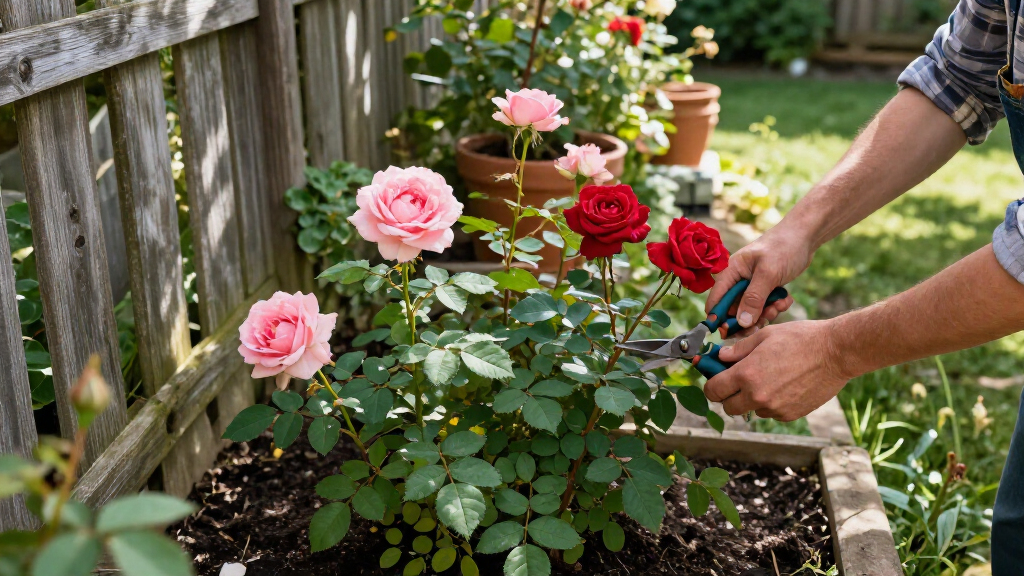

The best rose bushes balance the kind of blooms you want with the space and care you can provide. My best overall pick is the Double Knock Out Pink Rose Shrub, a practical choice for gardeners seeking repeat color without the formal care routine of a hybrid tea. For a low-growing border, Sweet Drift Rose offers a different shape, while Mr. Lincoln is a standout for gardeners drawn to classic red hybrid tea blooms. The main tradeoffs are shrub versus upright growth, easy maintenance versus flower form and fragrance, and a larger established plant versus a smaller starting size. Read on for my full comparison and guidance on matching a rose to your garden.

Get garden gear delivered free with Prime
- Fast, free delivery on millions of items
- Prime Video, Amazon Music and more included
- Member-only deals all year
Complete the kit


Key Takeaways
- Double Knock Out Pink leads the roundup for a useful balance of shrub form and approachable care, while the red Knock Out options serve gardeners who prefer a bolder color.
- Sweet Drift and Peach Drift are the ground-cover choices; their spreading habit suits edges and low plantings better than a formal, upright rose display.
- Hybrid teas such as Mr. Lincoln, Brides Dream, and Heirloom Lavender offer a more classic, specimen-style choice, but buyers should be ready to give them more deliberate placement and care.
- The 3-gallon Knock Out Double Red Tree Rose is the most distinctive form in the lineup, yet its trained tree shape calls for a different role and support plan than a shrub.
- Most listings are young plants in 1-gallon or 2-quart containers, so buyers should choose for mature growth habit and garden fit—not expect an instant, full-sized display.
| Double Knock Out Pink Rose Shrub, 2 Gallon |  | Best Overall for Reliable Color | Plant type: Deciduous shrub | Container size: 2 gallons | Bloom color and type: Pink, double | VIEW LATEST PRICE | See Our Full Breakdown |
| Perfect Plants Sweet Drift Rose Live Plant, 1 Gallon, Pink Ground Cover |  | Best for Low Groundcover | Plant type: Live rose plant | Container size: 1 gallon | Bloom color: Baby pink | VIEW LATEST PRICE | See Our Full Breakdown |
| Perfect Plants Orange Glow Knock Out Rose, 1 Gallon Live Plant |  | Best for Vivid, Unusual Color | Brand: Perfect Plants | Plant type: Flowering rose bush | Container size: 1 gallon | VIEW LATEST PRICE | See Our Full Breakdown |
| Perfect Plants Peach Drift Rose Live Plant, 1 Gallon |  | Best Peach-Toned Groundcover | Plant type: Live rose bush | Container size: 1 gallon | Mature size: 1–2 ft tall; 2–3 ft wide | VIEW LATEST PRICE | See Our Full Breakdown |
| Perfect Moment Hybrid Tea Rose Bush, 2-Quart Pot |  | Best Two-Tone Hybrid Tea | Plant type: Hybrid tea rose | Plant form: Live, own-root perennial | Pot size: 2 quart | VIEW LATEST PRICE | See Our Full Breakdown |
| Brides Dream Hybrid Tea Rose Bush, Light Pink, 2-Quart Pot |  | Best for Oversized Cutting Blooms | Plant type: Hybrid tea rose | Flower color: Light pink | Bloom size: Over 5 inches in diameter | VIEW LATEST PRICE | See Our Full Breakdown |
| Royal Dane Apricot-Orange Hybrid Tea Rose, Live Plant in 2-Quart Pot |  | Best for Strong Fragrance | Plant type: Hybrid tea rose | Growth method: Own-root | Bloom color: Apricot-orange | VIEW LATEST PRICE | See Our Full Breakdown |
| Heirloom Lavender Hybrid Tea Rose Bush, 2-Quart Pot |  | Best Lavender Color Pick | Plant type: Hybrid tea rose | Flower color: Lavender | Pot size: 2 quarts | VIEW LATEST PRICE | See Our Full Breakdown |
| Mr. Lincoln Rose Bush – 2 Quart Potted Live Plant |  | Best Classic Red Hybrid Tea | Brand: Ma Cherie Roses | Plant type: Hybrid tea rose | Bloom color: Red | VIEW LATEST PRICE | See Our Full Breakdown |
| Knock Out Double Red Tree Rose (3 Gallon) |  | Best Low-Maintenance Tree Rose | Botanical name: ‘Radtko’ PP 16,202 CPBR 3,104 | Plant form: Double Knock Out tree rose | Mature size: 36–48 inches tall × 24 inches wide | VIEW LATEST PRICE | See Our Full Breakdown |
| Claire Rose Bush – Rare English Rose, 2-Quart Pot, Live Plant |  | Best for Rare English Rose Character | Registered name: Auslight | Release year: 1986 | Pot size: 2 quart | VIEW LATEST PRICE | See Our Full Breakdown |
| Perfect Plants Double Red Knock Out Rose, 1 Gallon Live Plant |  | Best for Beginner-Friendly Care | Brand: Perfect Plants | Plant type: Shrub and hedge rose | Container size: 1 gallon | VIEW LATEST PRICE | See Our Full Breakdown |
| First Prize Pink Rose Bush – 2 Quart Potted Live Plant |  | Best for Fragrant Cut-Flower Style Blooms | Variety: First Prize Hybrid Tea Rose | Pot size: 2 quart | Mature height: 4–5 feet | VIEW LATEST PRICE | See Our Full Breakdown |
| rose bushe | Plant type | Bloom color | Mature size | Pot size |
|---|---|---|---|---|
| Double Knock Out Pink Rose Shr | Deciduous shrub | — | — | — |
| Perfect Plants Sweet Drift Ros | Live rose plant | Baby pink | 1–2 ft tall; 2–3 ft wide | — |
| Perfect Plants Orange Glow Kno | Flowering rose bush | Orange with hints of yellow and pink | 4–5 ft tall and wide | — |
| Perfect Plants Peach Drift Ros | Live rose bush | — | 1–2 ft tall; 2–3 ft wide | — |
| Perfect Moment Hybrid Tea Rose | Hybrid tea rose | Red edges with yellow undertones | — | 2 quart |
| Brides Dream Hybrid Tea Rose B | Hybrid tea rose | — | 5–6 feet tall × 3–4 feet wide | 2 quarts |
| Royal Dane Apricot-Orange Hybr | Hybrid tea rose | Apricot-orange | About 4 feet tall × 3 feet wide | 2 quarts |
| Heirloom Lavender Hybrid Tea R | Hybrid tea rose | — | 3–4 feet tall × 3–4 feet wide | 2 quarts |
| Mr. Lincoln Rose Bush | Hybrid tea rose | Red | — | 2 quarts |
| Knock Out Double Red Tree Rose | — | — | 36–48 inches tall × 24 inches wide | — |
| Claire Rose Bush | — | — | — | 2 quart |
| Perfect Plants Double Red Knoc | Shrub and hedge rose | Red | — | — |
| First Prize Pink Rose Bush | — | Pink and cream blend | — | 2 quart |
More Details on Our Top Picks
Double Knock Out Pink Rose Shrub, 2 Gallon
Long-lasting pink blooms and strong disease resistance make this the most balanced choice in this group for buyers who want a substantial shrub without a fussy care routine. Its rounded form can anchor a hedge or stand alone as an accent, while the 2-gallon container is larger than the 1-gallon Sweet Drift and Peach Drift plants. Compared with those low groundcovers, this rose grows taller and makes more of a visible garden feature. It also handles heat and drought once established, though it still needs moderate watering while settling in. The tradeoffs are its leafless winter dormancy and a slight rather than strong fragrance; plants shipped during colder seasons may arrive dormant. Choose it for dependable pink color, not a compact groundcover or a fragrant, evergreen display.
Pros:- Bright pink double blooms continue from spring until the first frost.
- Resists black spot and downy mildew.
- Tolerates heat and drought once established.
- Rounded, bushy shape suits hedges and accent plantings.
Cons:- Deciduous foliage leaves the shrub bare in winter.
- Ships dormant when ordered from mid-fall to mid-spring.
- Requires full sun and moderate watering while establishing.
Best for: Gardeners seeking a medium-sized pink shrub for a sunny hedge or accent planting, especially where heat and common rose diseases are concerns.
Not ideal for: Buyers who need year-round foliage, a low spreading groundcover, or a strongly fragrant rose.
- Plant type:Deciduous shrub
- Container size:2 gallons
- Bloom color and type:Pink, double
- Bloom period:Spring to fall
- Fragrance:Slight spicy fragrance
- USDA hardiness zones:5–11
- Expected height:48 inches
- Sun exposure:Full sun
- Watering:Moderate; twice weekly until established, then once weekly
Our verdict“Choose this shrub for repeat pink color and a versatile, disease-resistant shape; pick Sweet Drift instead if you need a lower groundcover.”
Perfect Plants Sweet Drift Rose Live Plant, 1 Gallon, Pink Ground Cover
Low, spreading growth gives Sweet Drift a different job from the taller Double Knock Out Pink Rose Shrub: it can fill the front of a sunny bed rather than form a hedge. Its baby-pink blooms may appear for 8–9 months of the year, making it a strong pick for extended color close to the ground. At 1–2 feet tall and 2–3 feet wide, it needs room to spread, so spacing plants about three feet apart helps avoid crowding. The included plant food and care guide are useful extras, though they do not remove the need for moderate watering or full sun. Compared with Peach Drift, Sweet Drift offers the same groundcover role in a pinker, softer palette. Skip it if you need a taller focal shrub or live in a state where it cannot ship.
Pros:- Low, spreading habit works well as a groundcover.
- Baby-pink blooms may continue for 8–9 months of the year.
- Described as drought-tolerant and winter-hardy.
- Includes plant food and a care guide.
Cons:- Needs full sun for good growth and flowering.
- Requires about three feet of spacing to accommodate its spread.
- Does not ship to California or Arizona.
Best for: Gardeners filling sunny bed edges or open slopes who want a low pink rose with a long flowering season and room to spread.
Not ideal for: Buyers seeking a tall hedge rose, a shade-tolerant plant, or delivery to California or Arizona.
- Plant type:Live rose plant
- Container size:1 gallon
- Bloom color:Baby pink
- Bloom period:8–9 months of the year
- Mature size:1–2 ft tall; 2–3 ft wide
- Recommended spacing:About 3 ft
- Sunlight exposure:Full sun
- USDA hardiness zones:5–10
- Included:Plant food and care guide
Our verdict“Pick Sweet Drift for a sunny, low-growing pink carpet, but choose Double Knock Out Pink if you need a taller shrub.”
Perfect Plants Orange Glow Knock Out Rose, 1 Gallon Live Plant
Orange blooms with yellow and pink tones set Orange Glow apart from the pink groundcover roses in this lineup and give sunny beds a more vivid focal point. Its stated mature size of 4–5 feet tall and wide is closer to the Double Knock Out Pink Rose Shrub than to Sweet Drift or Peach Drift, but the color is the main reason to choose it. The plant is described as disease-resistant and low-maintenance, which helps if you want a colorful shrub without taking on a more demanding rose. It can also suit borders and containers, provided there is enough room for its mature spread. The key limitation is placement: it needs 6–8 hours of direct sun, and shipping is unavailable to California, Arizona, and Hawaii. Choose it for color contrast, not compact growth.
Pros:- Distinctive orange blooms carry yellow and pink tones.
- Disease-resistant and described as low maintenance.
- Mature size makes it suitable for beds and borders.
- Listed for USDA zones 4–11.
Cons:- Needs 6–8 hours of direct sunlight.
- Its 4–5-foot spread is too large for many compact spaces.
- Cannot ship to California, Arizona, or Hawaii.
Best for: Sunny-garden owners who want a larger rose with orange-toned flowers to contrast with conventional pink or red plantings.
Not ideal for: Gardeners with shaded sites, limited planting space, or shipping addresses in California, Arizona, or Hawaii.
- Brand:Perfect Plants
- Plant type:Flowering rose bush
- Container size:1 gallon
- Mature size:4–5 ft tall and wide
- Sunlight exposure:Full sun; 6–8 hours of direct sunlight
- USDA hardiness zones:4–11
- Bloom color:Orange with hints of yellow and pink
- Shipping restrictions:Cannot ship to California, Arizona, or Hawaii
Our verdict“Choose Orange Glow when bold color and a larger sunny-bed presence matter more than compact size or broad shipping availability.”
Perfect Plants Peach Drift Rose Live Plant, 1 Gallon
Peach-colored blooms and a low, spreading habit make Peach Drift the warm-toned alternative to Sweet Drift in this roundup. Both are intended for groundcover planting, grow about 1–2 feet tall and 2–3 feet wide, and may flower for 8–9 months of the year. The choice between them is mainly color: Peach Drift brings a softer, warmer look, while Sweet Drift leans baby pink and includes a care guide. This plant is described as drought-tolerant and winter-hardy, but it still has moderate watering needs and performs best in full sun. Plant it about three feet from neighboring roses to leave room for its spread. The California and Arizona shipping restriction narrows its availability, and its compact form makes it a poor substitute for a taller shrub such as Orange Glow.
Pros:- Low, spreading growth suits groundcover planting.
- Peach blooms may appear for 8–9 months of the year.
- Described as drought-tolerant and winter-hardy.
- Plant food is included.
Cons:- Requires full sun.
- Needs about three feet of spacing as it spreads.
- Does not ship to California or Arizona.
Best for: Gardeners wanting a peach-toned flowering groundcover for sunny bed edges or broad planting areas.
Not ideal for: Buyers who need a tall rose, have a shaded site, or need delivery to California or Arizona.
- Plant type:Live rose bush
- Container size:1 gallon
- Mature size:1–2 ft tall; 2–3 ft wide
- Spacing:About 3 ft
- Sunlight:Full sun
- USDA hardiness zones:5–10
- Bloom period:8–9 months of the year
- Moisture needs:Moderate watering
- Included components:Plant and plant food
Our verdict“Choose Peach Drift for warm-colored groundcover blooms; select Sweet Drift instead if baby-pink flowers better suit your planting.”
Perfect Moment Hybrid Tea Rose Bush, 2-Quart Pot
Red-edged petals with yellow undertones give Perfect Moment a more classic hybrid-tea look than the spreading Drift roses, while its mild fragrance adds another point of distinction. The own-root plant is described as vigorous, easy to transplant, and continuously blooming, with flowers that hold up in heat. At 4–5 feet tall and 3–4 feet wide, it needs more room than Sweet Drift or Peach Drift and is better suited to a dedicated bed than a groundcover role. The 2-quart pot offers a smaller starting plant than the 2-gallon Double Knock Out Pink, so buyers should expect a different scale at planting. One specification needs checking against the site: it is listed for full shade, unlike the full-sun needs of the other roses here. Moderate watering is also required.
Pros:- Distinctive red-edged petals with yellow undertones.
- Mild fragrance adds appeal beyond flower color.
- Continuous blooms are described as holding up in heat.
- Own-root plant is described as vigorous and easy to transplant.
Cons:- The listed full-shade exposure may limit suitable garden sites.
- Requires moderate watering.
- Its 4–5-foot height and 3–4-foot width need more room than the Drift groundcovers.
Best for: Rose growers who want a two-tone hybrid tea with mild fragrance and have room for a medium-large plant.
Not ideal for: Buyers seeking a low groundcover, a larger container at purchase, or a rose for a site where the listed full-shade exposure is unsuitable.
- Plant type:Hybrid tea rose
- Plant form:Live, own-root perennial
- Pot size:2 quart
- Bloom color:Red edges with yellow undertones
- Fragrance:Mild
- Blooming period:Year round
- Sunlight exposure:Full shade
- Expected size:4–5 ft tall; 3–4 ft wide
- Watering:Moderate
Our verdict“Choose Perfect Moment for two-tone hybrid-tea flowers and mild fragrance if its listed shade requirement fits your site.”
Brides Dream Hybrid Tea Rose Bush, Light Pink, 2-Quart Pot
Brides Dream is the pick here for gardeners who want especially large, pale blooms to bring indoors: its flowers measure over five inches across and have a mild fragrance. That makes it a different proposition from Mr. Lincoln, whose appeal centers on rich red color and a stronger classic rose scent. This own-root plant arrives in a transplant-ready 2-quart pot and is described as vigorous, but its potential size—up to six feet tall and four feet wide—calls for a roomy bed and regular pruning. The supplied light requirement lists full shade, which differs from the full-sun guidance for several roses in this group; check local growing guidance before choosing a site. Pick it for bloom scale, not for a compact footprint or strong perfume.
Pros:- Very large blooms, over five inches across, stand out for cutting.
- Light pink flowers offer a softer look than Mr. Lincoln’s rich red blooms.
- Own-root plant is described as vigorous.
- Arrives in a 2-quart pot ready for transplanting.
Cons:- Can reach 5–6 feet tall and 3–4 feet wide, requiring generous planting space.
- Mild fragrance is less pronounced than Royal Dane’s strong scent.
- Listed full-shade exposure differs from the full-sun guidance provided for several other roses here.
Best for: Gardeners with a spacious bed who want large, light-pink stems for cutting and prefer mild fragrance.
Not ideal for: Small-space growers or anyone seeking strongly scented flowers; its mature spread is substantial and its fragrance is mild.
- Plant type:Hybrid tea rose
- Flower color:Light pink
- Bloom size:Over 5 inches in diameter
- Fragrance:Mild
- Mature size:5–6 feet tall × 3–4 feet wide
- Pot size:2 quarts
- Root type:Own root
- Sunlight exposure:Full shade (as listed)
Our verdict“Choose Brides Dream if oversized light-pink cut flowers matter more than compact growth or a strong fragrance.”
Royal Dane Apricot-Orange Hybrid Tea Rose, Live Plant in 2-Quart Pot
Royal Dane earns its place for gardeners who put scent first: its large apricot-orange flowers are described as strongly fragrant, a sharper sensory contrast to the mild fragrance of Brides Dream. It arrives established in a 2-quart pot as an own-root plant, with a more contained stated mature height of about four feet than Brides Dream’s possible six feet. That does not make it a small rose, though; a three-foot spread and regular watering still require a thoughtful site and routine care. Its spring-to-fall bloom period is seasonal rather than year-round, and it calls for full sun and loam soil. A presentable plant bag adds gifting appeal, but this choice makes most sense for a sunny garden where the fragrance can be enjoyed.
Pros:- Strong fragrance gives it more scent presence than Brides Dream.
- Apricot-orange blooms provide a distinctive color among the red and pink options.
- Established own-root plant arrives in a transplant-ready 2-quart pot.
- Plant bag makes it suitable for gifting.
Cons:- Requires full sun and regular watering.
- A mature spread of about three feet still needs dedicated garden space.
- Blooming is listed from spring to fall, not year-round.
Best for: Rose growers with a sunny, loamy planting area who prioritize fragrant apricot-orange blooms or want a live-plant gift.
Not ideal for: Gardeners with shaded sites or limited time for regular watering; it needs full sun and consistent care.
- Plant type:Hybrid tea rose
- Growth method:Own-root
- Bloom color:Apricot-orange
- Petals per flower:26–40
- Fragrance:Strong
- Pot size:2 quarts
- Mature size:About 4 feet tall × 3 feet wide
- Blooming period:Spring to fall
- Sunlight:Full sun
Our verdict“Choose Royal Dane for strongly scented apricot-orange flowers if you can provide full sun and regular watering.”
Heirloom Lavender Hybrid Tea Rose Bush, 2-Quart Pot
Heirloom Lavender is the color-led choice in this group: its lavender blooms bring a cooler, less traditional palette than the apricot-orange Royal Dane or the red Mr. Lincoln. The plant is described as fragrant and flowering throughout the season, so it suits gardeners who want color and scent to return across the growing period rather than a single flush. Its stated 3–4-foot height and width make it less imposing than Brides Dream at full size, though it still needs a meaningful patch of garden. The own-root plant arrives in a 2-quart pot and is described as vigorous and easy to grow. Full shade is the listed exposure, so verify that guidance for your location before planting; moderate watering is also part of its care.
Pros:- Lavender color offers a distinct alternative to the lineup’s red, pink, and apricot-orange roses.
- Fragrant flowers are listed to bloom throughout the season.
- Own-root plant is described as vigorous and hardy.
- Ready to plant in a 2-quart pot.
Cons:- A 3–4-foot spread may be too broad for tight beds.
- Moderate watering is required.
- Full shade is the listed exposure, so site suitability merits checking before purchase.
Best for: Gardeners seeking fragrant lavender roses with season-long blooms and room for a medium-sized shrub.
Not ideal for: Anyone needing a compact container rose or unwilling to check the listed full-shade guidance and provide moderate watering.
- Plant type:Hybrid tea rose
- Flower color:Lavender
- Pot size:2 quarts
- Mature size:3–4 feet tall × 3–4 feet wide
- Blooming period:All season
- Sunlight exposure:Full shade (as listed)
- Moisture needs:Moderate watering
- Root type:Own root
Our verdict“Choose Heirloom Lavender for fragrant, season-long lavender flowers if your garden can accommodate its 3–4-foot spread.”
Mr. Lincoln Rose Bush – 2 Quart Potted Live Plant
Mr. Lincoln is the straightforward choice for the classic red rose look: its rich red flowers are paired with a powerful, traditional fragrance and up to 35 petals per bloom. Compared with Royal Dane, it trades apricot-orange color for the familiar red presentation; both are own-root hybrid teas, but Mr. Lincoln is also described as suitable for beds, borders, and containers. It arrives in a 2-quart pot with an established root system, which gives buyers a ready-to-plant start rather than a bare-root plant. Its stated five-foot height and full-sun needs still call for planning, and regular watering is required. The supplied loam preference may mean soil preparation in gardens with heavier or sandier ground.
Pros:- Rich red blooms deliver a classic rose appearance.
- Powerful, traditional fragrance is stronger than Brides Dream’s mild scent.
- Own-root plant arrives established in a 2-quart pot.
- Can be used in beds, borders, or containers.
Cons:- Needs full sun and regular watering.
- Can grow to about five feet tall, so it may need pruning and vertical room.
- Loam is the listed soil type and may require amendment in other soils.
Best for: Gardeners who want a fragrant, classic red hybrid tea for a sunny bed, border, or suitably sized container.
Not ideal for: Growers with shaded planting sites, limited watering availability, or soil far from loam who do not want to amend it.
- Brand:Ma Cherie Roses
- Plant type:Hybrid tea rose
- Bloom color:Red
- Bloom detail:Up to 35 petals per flower
- Plant size:About 5 feet tall × 2 feet wide
- Pot size:2 quarts
- Root type:Own root
- Sunlight:Full sun
- Blooming period:Spring to fall
Our verdict“Choose Mr. Lincoln for classic red, strongly scented blooms if you can provide full sun, regular water, and suitable soil.”
Knock Out Double Red Tree Rose (3 Gallon)
Double Knock Out Tree Rose differs most from the hybrid teas here in form and upkeep: it is sold as a tree rose, with a compact 36–48-inch height and 24-inch width, rather than a tall, bush-form plant like Mr. Lincoln. Its red double blooms appear from spring through fall, and the listing emphasizes low maintenance, making it the strongest fit for a garden accent or container focal point. The 3-gallon container also gives it a larger starting format than the 2-quart roses, though it will take more room to handle and place. It needs full sun, and its foliage is deciduous, so the display changes in winter. Dormant winter or early-spring shipping and possible trimming are worth expecting.
Pros:- Tree-rose form creates a defined accent unlike the bush-form Mr. Lincoln.
- Blooms from spring through fall.
- Listed as low-maintenance and suitable for containers, landscapes, and accents.
- Hardiness range of USDA zones 5–11 covers a broad range of climates.
Cons:- Deciduous foliage means it loses leaves in winter.
- May ship dormant in winter or early spring and may arrive trimmed.
- The 3-gallon container is larger and heavier to handle than the 2-quart plants.
Best for: Gardeners wanting a shaped red rose focal point for a sunny landscape or container, with less routine fuss than a hybrid tea.
Not ideal for: Buyers wanting an evergreen winter feature, a bush-form rose, or a small lightweight plant to handle easily.
- Botanical name:‘Radtko’ PP 16,202 CPBR 3,104
- Plant form:Double Knock Out tree rose
- Mature size:36–48 inches tall × 24 inches wide
- USDA hardiness zones:5–11
- Sunlight exposure:Full sun
- Bloom period:Spring to fall
- Foliage type:Deciduous
- Recommended spacing:48 inches
- Container size:3 gallons
Our verdict“Choose this Double Knock Out tree rose for a sunny, low-maintenance focal point, but skip it if you want winter foliage or a traditional shrub form.”
Claire Rose Bush – Rare English Rose, 2-Quart Pot, Live Plant
Claire Rose is the choice for gardeners who value unusual, full pink blooms over a compact footprint. Its cupped flowers have a high petal count, and the plant is listed as blooming from spring to fall, giving it a longer stated season than the Double Red Knock Out Rose, which is described as flowering from spring through summer. The own-root plant arrives in a transplant-ready 2-quart pot and is noted for vigorous growth, but its 4–5-foot height and 3–4-foot spread call for real garden space. It also needs regular watering and partial sun, so it is less hands-off than the disease-resistant Knock Out. Choose Claire for distinctive English rose form; skip it if you need a small, sun-flexible shrub.
Pros:- Distinctive cupped pink blooms with a high petal count.
- Listed to bloom from spring through fall.
- Own-root plant is described as hardy and vigorous.
- Transplant-ready 2-quart pot includes a cotton bag.
Cons:- Needs regular watering to maintain plant health.
- Partial sun is preferred, limiting placement flexibility.
- Its 4–5-foot height and 3–4-foot spread need ample room.
Best for: Gardeners with room for a medium-to-large rose who want rare, densely petaled pink blooms and can provide partial sun and regular watering.
Not ideal for: Gardeners with small beds, full shade, or intense all-day sun, or anyone seeking a rose that needs minimal watering.
- Registered name:Auslight
- Release year:1986
- Pot size:2 quart
- Expected height:Up to 5 feet
- Spread:3–4 feet
- Bloom color and form:Pink; cupped with high petal count
- Blooming period:Spring to fall
- Sunlight:Partial sun
- Moisture needs:Regular watering
Our verdict“Choose Claire Rose for a spacious garden and distinctive, full pink English-style blooms, but pick the Double Red Knock Out for a lower-maintenance, full-sun option.”
Perfect Plants Double Red Knock Out Rose, 1 Gallon Live Plant
For a first rose bush, the Double Red Knock Out puts disease resistance and simpler upkeep ahead of rare blooms or formal flower shape. It produces vivid red flowers from spring through summer and has a rounded, medium-sized habit, making it a practical shrub for a sunny border. Compared with Claire Rose, it is the more straightforward pick for gardeners who want a disease-resistant plant; Claire offers a longer stated spring-to-fall bloom period but asks for regular watering and partial-sun placement. This Knock Out needs full sun, so it is not a solution for a shady spot, and its stated season ends earlier than Claire’s. The 1-gallon plant includes plant food, though it does not remove the need to establish and care for a live shrub. It also cannot ship to California or Arizona.
Pros:- Disease resistance supports a lower-maintenance care routine.
- Produces red blooms from spring through summer.
- Rounded, medium-sized growth suits shrub and hedge planting.
- Includes plant food to help nourish the plant.
Cons:- Requires full sun for suitable growth.
- Listed bloom period ends in summer, earlier than Claire Rose’s stated season.
- Does not ship to California or Arizona.
Best for: New rose growers with a sunny garden who want a disease-resistant red shrub and appreciate included plant food.
Not ideal for: Gardeners in California or Arizona, or buyers whose planting site receives only partial sun or shade.
- Brand:Perfect Plants
- Plant type:Shrub and hedge rose
- Container size:1 gallon
- Mature height:3–5 feet
- Mature width:3–4 feet
- Hardiness zones:5–10
- Sunlight:Full sun
- Blooming period:Spring through summer
- Bloom color:Red
Our verdict“Choose this Knock Out for a sunny garden and easier rose care; choose Claire Rose if you prefer a rarer pink bloom and a stated spring-to-fall season.”
First Prize Pink Rose Bush – 2 Quart Potted Live Plant
First Prize suits buyers who want a classic hybrid tea look: large, high-centered flowers in a pink-and-cream blend, with a soft fragrance. Its narrower stated spread of 2–3 feet takes less lateral space than Claire Rose’s 3–4 feet, though both can reach 4–5 feet tall. First Prize calls for full sun, while Claire is listed for partial sun, so the right choice depends in part on the planting site. This own-root rose arrives in a 2-quart pot with an established root system and a gift bag, but it still needs regular watering and a sunny position. The product description lists loam as its soil type; gardeners with other soil should check whether their conditions suit it rather than assume broad soil tolerance.
Pros:- Large, high-centered blooms feature a pink-and-cream blend.
- Soft fragrance adds appeal beyond flower color.
- Own-root propagation and a well-developed root system are specified.
- 2-quart plant arrives with a gift bag and is listed to bloom spring through fall.
Cons:- Needs full sun and regular watering.
- The listed loam soil preference may not suit every planting site.
- At 4–5 feet tall, it still needs vertical space despite its narrower spread.
Best for: Rose growers with a full-sun, loam-soil bed who want fragrant, showy hybrid tea flowers and a relatively narrow growth habit.
Not ideal for: Gardeners with shaded beds, limited watering capacity, or soil conditions that do not match the listed loam preference.
- Variety:First Prize Hybrid Tea Rose
- Pot size:2 quart
- Mature height:4–5 feet
- Mature width:2–3 feet
- Bloom color:Pink and cream blend
- Bloom form:Large, high-centered
- Blooming period:Spring to fall
- Sunlight:Full sun
- Propagation and soil:Own-root; loam listed
Our verdict“Pick First Prize for fragrant, formal-looking blooms in a sunny, loamy garden; choose Claire Rose if partial sun and cupped English-style flowers fit your space better.”
How We Picked
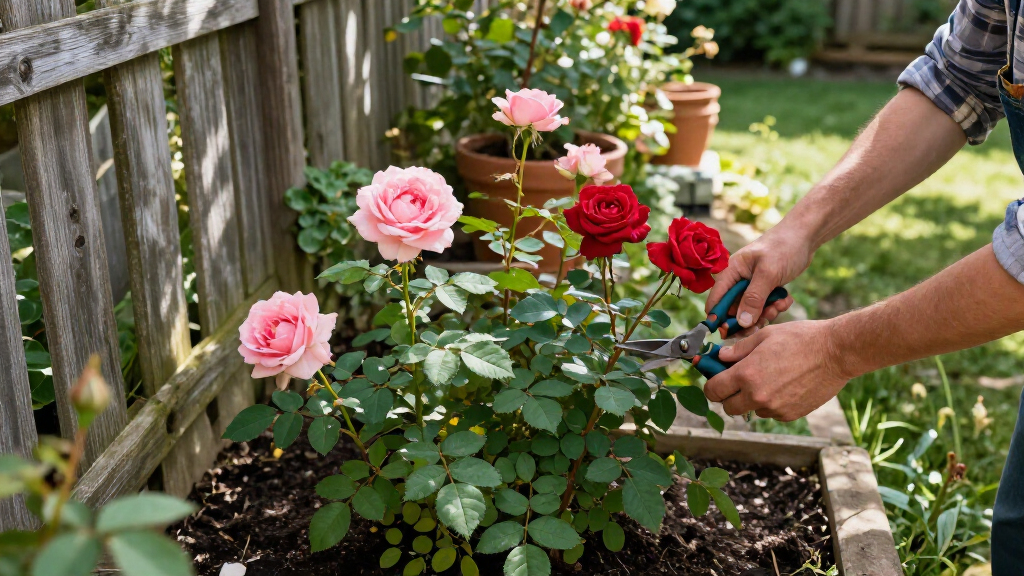
I ranked these roses by how clearly each serves a real garden need: approachable shrub color, spreading ground cover, classic hybrid tea flowers, or a distinctive tree form. I weighed the stated growth habit, rose type, bloom color, and container size because those factors shape placement, upkeep, and how quickly a plant can make an impact. I also favored options whose listed role gives buyers a clear reason to choose them over similar entries.
The ranking puts versatility and ease of matching to common garden spaces ahead of narrow appeal. That is why the Double Knock Out Pink Rose Shrub leads, while the Drift roses rank as more specialized ground-cover picks and the hybrid teas appeal to gardeners prioritizing traditional form. The tree rose and rare English rose stand out for specific preferences, but their more particular shapes or positioning needs make them less universal. Product descriptions do not establish local hardiness, disease performance, fragrance strength, or mature dimensions, so buyers should verify those details for their growing conditions before ordering.
| rose bushe | Plant type | Bloom color | Blooming period |
|---|---|---|---|
| Double Knock Out Pink Rose Shr | Deciduous shrub | — | — |
| Perfect Plants Sweet Drift Ros | Live rose plant | Baby pink | — |
| Perfect Plants Orange Glow Kno | Flowering rose bush | Orange with hints of yellow and pink | — |
| Perfect Plants Peach Drift Ros | Live rose bush | — | — |
| Perfect Moment Hybrid Tea Rose | Hybrid tea rose | Red edges with yellow undertones | Year round |
| Brides Dream Hybrid Tea Rose B | Hybrid tea rose | — | — |
| Royal Dane Apricot-Orange Hybr | Hybrid tea rose | Apricot-orange | Spring to fall |
| Heirloom Lavender Hybrid Tea R | Hybrid tea rose | — | All season |
| Mr. Lincoln Rose Bush | Hybrid tea rose | Red | Spring to fall |
| Knock Out Double Red Tree Rose | — | — | — |
| Claire Rose Bush | — | — | Spring to fall |
| Perfect Plants Double Red Knoc | Shrub and hedge rose | Red | Spring through summer |
| First Prize Pink Rose Bush | — | Pink and cream blend | Spring to fall |
Factors to Consider When Choosing Best Rose Bushes
Before choosing a color, decide what job you need the rose to do. A rose that fits the bed, climate, and amount of attention you can give it will usually be a better purchase than one selected for its bloom name alone.
Match the growth habit to the planting space
Start by deciding whether you need an upright focal plant, a rounded shrub, a low spreader, or a tree-form rose. Ground-cover roses can soften an edge or fill a broad, low area, but they are not a substitute for a tall specimen near an entry. Tree roses create height in a compact footprint, though their form may need more careful positioning and support than a shrub. Check mature width and height from a reliable growing guide for your region before planting; the container size is not a guide to eventual size. A common mistake is leaving too little room between roses, which can crowd plants and make routine pruning harder. If you are unsure, plan around the mature spread rather than the look of the newly shipped plant.
Choose rose type by the display you want
Shrub and Knock Out-style roses suit gardeners who want garden color from a fuller, less formal plant. Hybrid teas are a better match when the classic upright rose shape and individual blooms are the main draw. Drift varieties are intended for a lower, spreading effect, so their value is tied to coverage and placement rather than height. These forms are not interchangeable: a hybrid tea may look misplaced as a low border, while a ground cover may not deliver the tall focal point a buyer expects. Think about the view from paths, windows, and seating areas before selecting a type. That simple planning step can matter more than choosing between two similar shades.
Check local climate and disease guidance
Rose performance depends on local winter temperatures, summer heat, humidity, and disease pressure. A product name alone does not tell you whether a plant will thrive in your particular garden, so check the seller’s growing details and a regional extension or nursery resource. Look for hardiness information, sunlight needs, and guidance on common local problems before buying. Gardeners in humid areas may want to give airflow extra attention, while those with severe winters should confirm whether the plant needs added protection. Avoid assuming that a familiar rose family guarantees identical results across climates. Choosing a locally suitable rose can reduce frustration and limit the need for corrective care.
Treat container size as a starting point, not a quality score
The lineup includes plants in 1-gallon, 2-quart, and 2-gallon containers, plus a 3-gallon tree rose. A larger container may provide a more established starting point, but it does not by itself confirm plant health, root quality, or how quickly the rose will bloom after arrival. Smaller plants can be easier to place and handle, though they may need more time to fill their space. Compare the stated plant size and shipping condition, not just the pot volume. Give a newly planted rose time to establish rather than expecting a mature display right away. If quick visual impact is your priority, ask the seller what size plant is shipped and whether it is actively growing or dormant.
Budget time for the care your preferred rose needs
Every rose needs suitable sunlight, water during establishment, and periodic pruning, but the routine differs by type and desired look. A shrub rose is often the more forgiving choice for someone who wants a less formal garden, while hybrid teas reward gardeners willing to pay closer attention to shaping and bloom quality. Ground-cover roses still need enough room and occasional maintenance; low growth does not mean no care. Before ordering, consider whether you can prune at the right time for your climate and monitor the plant during its first growing season. Avoid selecting a high-attention rose solely for fragrance or color if your schedule does not fit its upkeep. The best match is the rose whose care fits your habits, not an idealized garden routine.
Pay extra for a distinct role, not just a different name
When comparing roses with similar colors or forms, focus on what changes in the garden: growth habit, flower style, starting size, or trained shape. A tree rose can justify its place when you specifically want a raised focal point, while a ground-cover rose makes sense when low coverage is the goal. A named hybrid tea may appeal to collectors or gardeners seeking a traditional specimen, but it may not be the better choice for a low-effort border. Check whether the listing provides enough information to distinguish the plant’s mature form and care needs. If two choices appear to meet the same purpose, favor the one with clearer growing details and a better fit for your site. That keeps the decision grounded in garden use rather than labels alone.
Frequently Asked Questions
Which rose from this roundup makes the most sense for a first-time gardener?
I would start with the Double Knock Out Pink Rose Shrub if you want a shrub-style rose and a straightforward role in the garden. It is a more approachable fit than a hybrid tea when you are not aiming for a formal, specimen-style display. That does not remove the need to check local climate guidance, sunlight, and planting space. If you want a low border instead, compare the Drift roses and confirm their mature spread before choosing. A good first rose is one you can place correctly and maintain consistently.
Should I choose a Knock Out rose or a hybrid tea?
Choose a Knock Out-style shrub if you prefer a fuller garden plant and want a less formal look; choose a hybrid tea if the classic upright form and individual blooms matter more to you. The Knock Out options in this roundup include pink, orange, and red choices, while the hybrid teas offer colors such as light pink, apricot-orange, lavender, and red. Neither type is automatically better for every garden. Compare the space available, your preferred display, and how much pruning attention you want to give the plant. Check local care recommendations for the specific variety before making the final choice.
Are the smaller potted roses a poor choice if I want blooms soon?
Not necessarily, but a 1-gallon or 2-quart listing signals a smaller starting container than the 2-gallon shrub or 3-gallon tree rose in this lineup. Container volume alone cannot tell you the plant’s current height, root condition, or bloom readiness. Ask the seller for the shipped plant’s size and whether it is actively growing or dormant. If you want a more established visual feature, a larger listed container may be worth comparing, though it still may need time to settle into your garden. Plan for establishment rather than counting on an immediate full display.
Can I plant a Drift rose where I would put a hybrid tea?
Only if the low, spreading habit suits that location. The Sweet Drift and Peach Drift roses are ground-cover options, while a hybrid tea is a better fit when you want a more upright focal plant. Putting a spreader in a narrow, formal planting may require extra control, and using a hybrid tea where you want quick low coverage may leave the area looking sparse. Check mature dimensions for both plants and map the bed before ordering. Choose based on the shape you need, not just bloom color.
What should I check before ordering a rose for my climate?
Confirm the variety’s hardiness range, sunlight needs, and care guidance against conditions in your area. Winter cold, summer heat, humidity, and local disease pressure can all change how well a rose performs. The product names and container sizes in this roundup do not provide enough information to settle those questions on their own. Check regional nursery or extension guidance, and ask the seller for details if the listing is unclear. This step is especially useful before choosing a hybrid tea or a less common variety for a demanding site.
Conclusion
For the widest range of garden uses, I recommend the Double Knock Out Pink Rose Shrub as best overall. The Perfect Plants Knock Out and Drift options make the strongest value-minded choices when you want a specific color or low-growing role, while the roundup does not provide enough care or performance data to call any one plant a universal bargain. For a premium-style focal point, consider the Knock Out Double Red Tree Rose if its trained form suits your space; it is a specialized pick, not the easiest substitute for a shrub. Beginners are best served by the approachable shrub habit of Double Knock Out Pink, while gardeners seeking classic blooms can compare Mr. Lincoln and the other hybrid teas. Choose Sweet Drift or Peach Drift for ground coverage, and reserve the hybrid teas for a site where their upright form and more attentive care fit your plans.