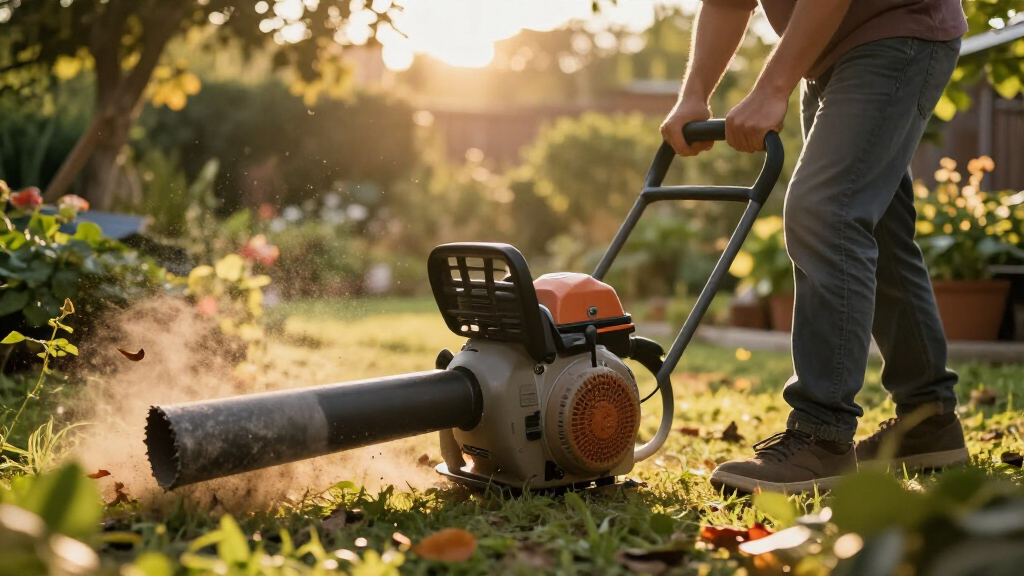

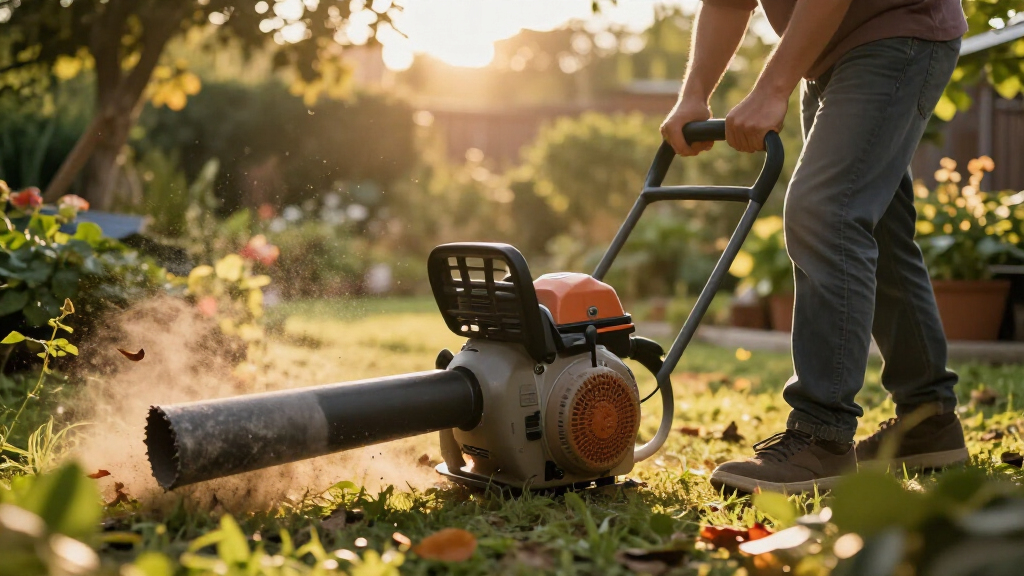
Gas-powered leaf blowers remain the go-to choice when cordless models run out of steam on large properties, heavy leaf fall, or wet debris. After comparing 14 of the most popular options, the Husqvarna 150BT earned the top spot for its blend of professional-grade airflow, comfortable backpack harness, and proven durability. If raw clearing power matters most, the VEVOR 63CC stands out with 1,110 CFM at a bargain price, while the Husqvarna 125B is the handheld pick for buyers who want lightweight maneuverability without fighting a pull cord on a giant engine. The main tradeoff in this category is simple: backpack models move more leaves but cost more and weigh more, while handhelds are easier to store but struggle with soggy, matted leaves. Keep reading for the full breakdown, including which budget brands are worth the risk and which ones I’d skip.

Get garden gear delivered free with Prime
- Fast, free delivery on millions of items
- Prime Video, Amazon Music and more included
- Member-only deals all year
Complete the kit


Key Takeaways
- Engine displacement is a poor proxy for performance on its own — the 72CC Red model (760 CFM) is actually out-moved by the smaller-displacement Husqvarna 150BT in real-world clearing because of better airflow design and harness balance.
- Brand-name support separated the top tier: Husqvarna models offer dealer networks and available parts, while several generic Amazon-brand backpack blowers share nearly identical specs but differ widely in warranty support and vibration dampening.
- The 4-cycle SENIX 4QL is the only model here that eliminates fuel mixing entirely, which makes it the lowest-maintenance entry point for first-time gas blower buyers despite its lower 125 MPH air speed.
- Handheld models clustered tightly between $100–$160, so the deciding factors became vibration, weight distribution, and CFM-per-pound rather than price.
- Backpack blowers below 63CC (like the Husqvarna 150BT at 51cc) often outperform cheaper 63CC+ generics because tuning, tube design, and harness ergonomics matter more than raw displacement.


| gas-powered leaf blower | Engine | Airflow | Form Factor | Weight |
|---|---|---|---|---|
| Backpack Gas Powered Leaf Blow | 63CC 4.3HP 2-stroke | 850 CFM | Backpack | 19.7 lbs |
| 72CC Gas Leaf Blower | 72CC 2-stroke | 760 CFM | Backpack with cruise control | — |
| 25.4CC Gas Leaf Blower | 25.4cc 2-cycle | 432 CFM | Handheld | 10 lbs |
| Husqvarna 125B Gas Leaf Blower | 28cc 2-cycle, 1.1 HP | 470 CFM | Handheld | — |
| 26cc Gas Leaf Blower | 26cc 2-cycle | 380 CFM | Handheld | — |
| 63CC Gas Backpack Leaf Blower | 63cc 2-cycle | 665 CFM | — | — |
| Gas Leaf Blower | — | — | Handheld | 8.3 lbs |
| PROYAMA 72CC Gas Backpack Leaf | 72CC 2-cycle | 880 CFM | Backpack | 21 lbs |
| VEVOR 63CC Gas Backpack Leaf B | 63CC 2-cycle | 1110 CFM (claimed) | — | — |
| HTK Gas Backpack Leaf Blower | 63CC 2-stroke | — | — | — |
| Gas Leaf Blower 26cc | 26cc | — | Handheld | 9.4 lbs |
| SENIX 4QL 26.5cc 4-Cycle Handh | 26.5cc | — | — | 9.5 lbs |
| 28 CC Gas Leaf Blower | 28cc, 1.1 HP | — | — | 11.5 lbs |
| Husqvarna 150BT Gas Backpack L | 51cc, 2.16 HP 2-cycle | 765 CFM | Backpack | — |
More Details on Our Top Picks
Backpack Gas Powered Leaf Blower, 2.7kW 850 CFM, 63CC 4.3HP 2-Stroke
This backpack blower earns the top spot because it pairs big-league airflow (850 CFM) with a harness system that spreads the load, which is exactly the balance most homeowners with half-acre-plus lots need. Compared with the Husqvarna 125B, it moves nearly twice the air, and against the VEVOR 63CC model in this lineup, it matches engine size while weighing less. The adjustable airflow outlets let you dial back power around flower beds instead of blasting mulch into the neighbor’s yard — a genuine convenience the fixed-output handhelds here can’t offer.
The tradeoffs are real: 101 dB means hearing protection is non-negotiable, 19.7 lbs is a workout by hour two, and like every 2-stroke here, you’re mixing fuel.
Pros:- 850 CFM airflow clears heavy leaf fall quickly
- Backpack harness reduces fatigue versus handhelds
- Adjustable airflow outlets for delicate areas
- Large fuel tank supports long work sessions
Cons:- 101 dB noise level requires hearing protection
- 19.7 lbs gets tiring over multi-hour jobs
- Requires 2-stroke fuel mixing
Best for: Owners of large yards (half acre or more) who need sustained, high-volume clearing without hand fatigue
Not ideal for: Small-townhouse patios or quiet neighborhoods with strict noise rules — 101 dB will not make friends
- Engine:63CC 4.3HP 2-stroke
- Power:2.7kW
- Airflow:850 CFM
- Max Speed:6800 rpm
- Weight:19.7 lbs
- Noise Level:101 dB
- Form Factor:Backpack
Our verdict“The best all-around pick for big properties that need commercial-grade airflow without a commercial-grade price.”
72CC Gas Leaf Blower, 760 CFM 235 MPH, Backpack, Variable Speed
For buyers who want the most controllable power in this batch, this 72CC machine stands out. Its combination of variable speed and cruise control means you can set a steady output for long driveway runs — a feature only the Husqvarna 125B matches here, and that unit has a fraction of the muscle. While the 850 CFM backpack model edges it on raw airflow, this one counters with higher wind speed (235 MPH) for stuck, wet debris and better fuel economy from its 1.8L tank.
It’s tuned for professionals and serious landowners: the anti-vibration mounting and low-noise engineering justify the premium positioning. The 25:1 fuel mix burns more oil than typical 50:1 machines, though, which raises running costs and exhaust smell.
Pros:- 72CC engine handles wet leaves and light snow
- Variable speed plus cruise control for sustained jobs
- Anti-vibration and low-noise design for comfort
- Large 1.8L fuel tank with good efficiency
Cons:- Heavy backpack weight fatigues smaller users
- 25:1 fuel mix increases oil cost and exhaust odor
- No electric start — recoil only
Best for: Landscapers and rural property owners doing daily or heavy wet-debris clearing
Not ideal for: Casual weekend users — the price, weight, and oil-heavy 25:1 mix are wasted on light leaf duty
- Engine:72CC 2-stroke
- Airflow:760 CFM
- Wind Speed:235 MPH
- Fuel Tank:1.8L
- Fuel Mix:25:1
- Form Factor:Backpack with cruise control
Our verdict“A pro-grade machine that makes sense only if you clear serious acreage regularly.”
25.4CC Gas Leaf Blower, Handheld 2-Cycle, 432 CFM & 180 MPH
This handheld hits a sweet spot the others miss: 432 CFM at just 10 lbs is a better power-to-weight ratio than anything else in this roundup’s handheld tier. The 26cc budget model below it produces 380 CFM, so for a modest step up you get noticeably faster clearing. And unlike the backpacks, there’s no harness to strap on for a 20-minute driveway sweep.
The low-vibration design and sub-10-second starts make it friendly for people who’ve never owned a 2-stroke before. The honest tradeoff is runtime versus endurance: at 180 MPH it clears dry leaves well, but soggy, matted leaf piles will have you making extra passes where the 63CC backpack would power through in one.
Pros:- Excellent power-to-weight ratio at 10 lbs
- Starts within 10 seconds
- Low-vibration handle reduces hand fatigue
- 432 CFM outperforms similarly priced handhelds
Cons:- Still requires gas-oil mixing (1:40) unlike electric options
- Not enough airflow for wet, matted leaves
- Handheld weight wears on arms during long sessions
Best for: Suburban homeowners with medium yards who want gas power without backpack bulk or backpack price
Not ideal for: Acreage owners or anyone clearing wet, heavy leaf volumes — the airflow ceiling shows up fast
- Engine:25.4cc 2-cycle
- Airflow:432 CFM
- Air Velocity:180 MPH
- Weight:10 lbs
- Fuel Mix:1:40
- Form Factor:Handheld
Husqvarna 125B Gas Leaf Blower, Handheld
The Husqvarna name matters here: dealer support, parts availability, and a track record the no-name imports in this roundup can’t match. Its air purge starting system removes the frustrating flood-and-retry ritual that plagues cheaper 2-strokes — a genuine quality-of-life difference if you’ve ever fought a cold engine on a November morning. Compared with the 25.4CC value pick, its 470 CFM output is higher, though you give up a bit of the ergonomic refinement.
The 125B is the safe choice: predictable performance, an auto-return stop switch that resets to ‘on’ after shutdown, and cruise control. What you don’t get is backpack comfort — this is a handheld, and your arms will know it after 45 minutes.
Pros:- Established brand with strong parts and service network
- Air purge system for reliable cold starts
- Auto-return stop switch simplifies operation
- Cruise control for steady output
Cons:- Priced above comparable-output generic handhelds
- 470 CFM lags behind backpack alternatives
- More routine 2-cycle maintenance than electric rivals
Best for: Buyers who prioritize long-term reliability and dealer support over raw specs
Not ideal for: Anyone needing all-day clearing — handheld fatigue sets in long before the 63CC backpacks would tire you
- Engine:28cc 2-cycle, 1.1 HP
- Airflow:470 CFM
- Air Speed:170 MPH
- Blowing Force:12.5 N
- Starting:Recoil with air purge
- Form Factor:Handheld
Our verdict“Pay a little more for peace of mind — the brand support alone justifies it for long-term owners.”
26cc Gas Leaf Blower, 380 CFM 180 MPH Handheld 2-Cycle
When the goal is spending as little as possible while still getting gas-powered muscle, this 26cc handheld is the entry point of the lineup. It undercuts the 25.4CC value pick on price, accepting 380 CFM instead of 432 — a gap you’ll notice on thick leaf cover but hardly feel on driveways and sidewalks. Its two standout touches are practical: a translucent fuel tank so you never run dry mid-job guessing, and cushioned anti-vibration handles that soften the buzz smaller engines transmit.
Compared with the Husqvarna 125B, you sacrifice starting refinement and brand support. The reduced-resistance recoil helps, but budget engines like this typically need more patience when cold. Standard 50:1 mixing keeps running costs low.
Pros:- Lowest-cost entry into gas power in this lineup
- Translucent tank shows fuel level at a glance
- Cushioned anti-vibration handles ease hand strain
- Lightweight and balanced for easy handling
Cons:- 380 CFM is the weakest airflow among these picks
- Cold starts can be finicky compared with air-purge models
- Handheld design tires arms on longer jobs
Best for: First-time gas blower buyers with small yards who want the lowest possible entry price
Not ideal for: Large properties or heavy seasonal leaf fall — the 380 CFM output and handheld form will make the job slow
- Engine:26cc 2-cycle
- Airflow:380 CFM
- Air Speed:180 MPH
- Fuel Mix:50:1 gas-to-oil
- Starting:Reduced-resistance recoil
- Form Factor:Handheld
Our verdict“A fair trade: acceptable power and a few thoughtful comforts at the friendliest price here.”
63CC Gas Backpack Leaf Blower, 665 CFM, 205 MPH, Cruise Control
This model earns its spot for cruise control, a feature most budget backpack blowers skip. Locking the throttle means your hand isn’t constantly squeezing a trigger during long clearing sessions, which matters more than most buyers expect on half-acre-plus properties. Compared with the HTK 63CC, the specs are nearly identical at 665 CFM and 205 MPH, so the real differentiator is operator comfort rather than raw power. Against the PROYAMA 72CC, it gives up airflow but weighs less and costs less. The tradeoffs: it’s still a heavy backpack unit requiring 2-cycle fuel mixing, and at these specs it’s louder than neighbors will love. This pick makes the most sense for buyers who want mid-range muscle with fatigue-reducing touches, not maximum clearing power.
Pros:- Cruise control eliminates hand fatigue on long jobs
- 665 CFM handles heavy, wet debris
- Padded backpack harness keeps weight distributed
- Easy-start design fires up with minimal pulls
Cons:- Heavy backpack weight builds fatigue over long sessions
- Requires 2-cycle fuel mixing and ongoing maintenance
- Loud enough to warrant hearing protection and annoy neighbors
Best for: Homeowners with large yards who do long clearing sessions and want throttle-lock convenience
Not ideal for: Small yards or noise-sensitive neighborhoods — a handheld like the Husqvarna 125B handles light jobs more practically
- Engine:63cc 2-cycle
- Airflow:665 CFM
- Max Speed:205 MPH
- Design:Backpack with padded shoulder straps
- Features:Cruise control, easy-start, low maintenance
Our verdict“Buy this if you spend an hour or more clearing a big yard and want cruise control; skip it if a handheld will cover your footprint.”
Gas Leaf Blower, 8 lbs, 2 Cycle, 7000 RPM
At 8.3 pounds, this is the lightweight option in a lineup dominated by 20-plus-pound backpacks. The 0.75kW motor and 7000 RPM output won’t move the wet leaf mats that the PROYAMA 72CC chews through, but for driveways, decks, and gutters, handheld agility beats backpack muscle. The built-in silencer keeps operation quieter than typical gas units, and the 0.2-gallon tank favors short sessions over marathon clears. The catch: airflow capacity is modest at roughly 275 CFM equivalent, and shoulder straps aren’t included, so plan on carrying the full weight in your arms. Compared with the 63CC cruise-control backpack, this trades raw power for one-handed convenience and a much lower price — a fair deal for small-property owners.
Pros:- Light 8.3-pound body is easy to carry one-handed
- Silencer keeps noise below typical gas blowers
- Compact dimensions store easily in a garage or shed
- Corrosion-resistant build holds up outdoors
Cons:- Shoulder straps sold separately despite the weight
- Small 0.2-gallon tank limits runtime
- Airflow is far below backpack-class competitors
Best for: Budget-minded owners of small yards, decks, and driveways who want cordless-range power without backpack bulk
Not ideal for: Anyone clearing large or wooded properties — the small fuel tank and modest airflow will turn big jobs into all-day chores
- Power Source:Gas, 2-cycle
- Motor Speed:7000 RPM (0.75kW)
- Form Factor:Handheld
- Weight:8.3 lbs
- Noise Level:90 dB(A)
- Fuel Tank:0.2 gallons
- Dimensions:9.8″L x 8.7″W x 12.2″H
Our verdict“This is the cheap, light grab-and-go blower for small jobs; anyone with serious acreage needs a backpack instead.”
PROYAMA 72CC Gas Backpack Leaf Blower, Garden Yard Cleaning, Snow Removal
When the job is soggy leaf mats, gravel drives, or wet snow, nothing else in this lineup matches the PROYAMA’s 72CC engine, 880 CFM, and 275 MPH output. The dual-tube nozzle lets you switch between concentrated jet and wide-area clearing, a flexibility the VEVOR 63CC can’t match despite its higher CFM claim. Shock-absorbing straps partially offset the 21-pound weight, but this is still the heaviest unit here, and the bulk makes it clumsy near flower beds or tight corners. Compared with the cruise-control 63CC model, you’re paying in weight, fuel burn, and dollars for roughly 30% more clearing force. That tradeoff is worth it for rural and heavily treed properties — and wasteful for a suburban lawn that a handheld could handle.
Pros:- Class-leading 880 CFM and 275 MPH clearing power
- Dual-tube nozzle for wide or concentrated airflow
- Shock-absorbing straps soften extended use
- Handles snow removal, not just leaves
Cons:- Heaviest unit in the roundup at 21 pounds
- Bulk makes storage and maneuvering awkward
- Highest fuel consumption of the backpack picks
Best for: Owners of large, heavily treed, or rural properties who regularly battle wet leaves, debris, or snow
Not ideal for: Suburban homeowners with quarter-acre lawns — the 21-pound bulk and fuel appetite are overkill
- Engine:72CC 2-cycle
- Airflow:880 CFM
- Max Speed:275 MPH
- Form Factor:Backpack
- Weight:21 lbs
- Nozzle:Dual-tube
- Dimensions:18″L x 14.5″W x 22″H
Our verdict“This is the maximum-power choice for demanding properties; smaller yards will find it exhausting and unnecessary.”
VEVOR 63CC Gas Backpack Leaf Blower, 2-Cycle, 1110 CFM, 220 MPH
VEVOR wins on out-of-the-box completeness: the comprehensive accessory kit means tubes, straps, and extras arrive together, where rivals like the 8-pound handheld require add-on purchases. The claimed 1110 CFM leads this batch on paper, though paired with a 63CC engine it reads optimistically next to the PROYAMA’s more conservative numbers — expect strong, not class-leading, performance. Its real advantage over the cruise-control 63CC unit is the 50-60 minute runtime from the 1.89L tank, the longest here, which cuts refueling stops on big jobs. The tradeoffs are familiar: a manual pull start with no air-purge assist, and a capped runtime that still ends your session mid-yard if you don’t keep spare fuel mixed. For buyers wanting the most kit per dollar, this stands out.
Pros:- Longest runtime in the batch at 50-60 minutes per tank
- Accessory kit included — no add-on purchases
- Adjustable straps with shock absorption
- Handles yard debris and snow removal
Cons:- Manual pull start with no easy-start assist
- Runtime still capped near an hour per tank
- Heavy for prolonged single-handed maneuvering
Best for: Value-focused buyers who want a full accessory package and long runtime for large-property cleanup
Not ideal for: Buyers who hate pull-starting — without an air-purge system like the HTK’s, cold starts take more effort
- Engine:63CC 2-cycle
- Airflow:1110 CFM (claimed)
- Max Speed:220 MPH
- Fuel Tank:1.89L
- Runtime:50-60 minutes per tank
- Features:Adjustable straps, shock absorption, accessory kit
Our verdict“This is the best kit-for-the-money pick for long clearing sessions, provided you accept a basic pull start.”
HTK Gas Backpack Leaf Blower, 63CC 2-Stroke, 665 CFM, Max 205 MPH
The HTK’s headline feature is its 71 dB noise rating — remarkably restrained for a backpack gas blower, and a genuine advantage in neighborhoods where the PROYAMA 72CC would draw complaints. Its air-purge start system also makes cold starts easier than the VEVOR’s bare pull start, a small thing that matters every single use. Performance sits in the middle of the pack at 665 CFM and 205 MPH, matching the cruise-control 63CC model blow for blow but adding variable-speed control for gentler work around mulch beds. The compromises: it’s a 2-stroke, so fuel mixing is part of your routine, the 1.7L tank runs shorter than VEVOR’s 1.89L, and backpack weight still adds up over a full afternoon. This model is better suited to noise-conscious suburban users than raw-power seekers.
Pros:- Quietest backpack option at 71 dB
- Air-purge system for reliable easy starts
- Variable-speed control protects delicate beds
- Ergonomic harness reduces operator fatigue
Cons:- 2-stroke engine requires mixing oil with fuel
- Smaller fuel tank than the VEVOR means more refills
- Mid-pack power despite backpack size
Best for: Suburban homeowners in noise-sensitive neighborhoods who still want backpack-grade airflow
Not ideal for: Rural users chasing maximum force — the PROYAMA 72CC clears heavy debris noticeably faster
- Engine:63CC 2-stroke
- Air Volume:665 CFM
- Max Airspeed:205 MPH
- Noise Level:71 dB
- Fuel Tank:1.7 L
- Features:Air-purge start, variable speed, ergonomic harness
Our verdict“Choose this when neighbor-friendly noise and easy starts matter more than top-end clearing power.”
Gas Leaf Blower 26cc, 2-Cycle, Handheld, Orange
At around nine pounds and a modest price point, this 26cc handheld is the cheapest credible entry into gas-powered cleanup on this list. The 380 CFM and 180 MPH output is modest compared to the 28 CC blower’s 490 CFM, but it handles driveways, decks, and small lawns without complaint, and the focused airflow tube gives surprisingly precise control for edging and corners. Compared with the SENIX 4QL, you give up the no-mix convenience of a 4-cycle engine — this one requires pre-mixing gas and oil, which trips up first-timers. Still, for buyers who want gas runtime without battery charging and don’t want to spend backpack money, this option stands out as the simplest low-commitment choice.
Pros:- Very lightweight at 9.4 pounds for one-handed use
- Precise airflow tube for corners and edges
- No battery charging — continuous gas operation
- 180 MPH speed is competitive at its price
Cons:- Requires mixing gas and oil for the 2-cycle engine
- Lower airflow than similarly priced rivals like the 25.4CC model
- Handheld form tires the arm on jobs over 30 minutes
Best for: First-time gas blower owners with small yards, decks, and driveways who want an affordable, lightweight machine
Not ideal for: Anyone with a half-acre or more — the 380 CFM output struggles with heavy or wet leaf cover
- Power Source:Gas powered (2-cycle)
- Engine:26cc
- Air Flow:380 CFM
- Max Speed:180 MPH
- Weight:9.4 lbs
- Form Factor:Handheld
- Noise Level:60 dB
Our verdict“A sensible, low-cost first gas blower for small-property owners who value light weight over raw power.”
SENIX 4QL 26.5cc 4-Cycle Handheld Gas Leaf Blower, Up to 410 CFM & 125 MPH
The SENIX 4QL earns its spot by solving the most annoying part of gas ownership: no fuel mixing. Its 4-cycle engine runs on straight gas, unlike the 26cc Orange model and the 28 CC 2-stroke elsewhere in this lineup, which both demand pre-mixed fuel. With 410 CFM of airflow, it actually moves more volume than several pricier handhelds here, though its 125 MPH top speed is the tradeoff — it pushes a wide, gentle stream rather than the focused blast that dislodges matted leaves from gravel. Add the automatic compression release for easy pulls and a dual-grip handle, and this model makes the most sense for buyers who want gas power with the fewest maintenance headaches. Note the California sales restriction before ordering.
Pros:- 4-cycle engine — straight gas, no oil mixing
- 410 CFM airflow beats most handheld 2-cycles in this roundup
- Easy start with automatic compression release
- Comfortable dual-grip handle for longer sessions
Cons:- Only 125 MPH air speed, the slowest in this batch
- Not available in California
- Still fairly noisy at 71 dB
Best for: Suburban homeowners who want gas power without the hassle of mixing oil and gas
Not ideal for: Buyers with heavy leaf loads on rough surfaces — the low air speed won’t lift packed-down debris
- Power Source:Gas powered (4-cycle)
- Engine:26.5cc
- Air Flow:Up to 410 CFM
- Max Speed:125 MPH
- Weight:9.5 lbs
- Noise Level:71 dB
- Extra Feature:Leaf vacuum capable
Our verdict“The pick for low-maintenance gas ownership, as long as your cleanup is volume-driven rather than speed-driven.”
28 CC Gas Leaf Blower, 490 CFM 280 MPH, 1.1-HP 2-Stroke
This is the handheld that punches above its price class. With 490 CFM at 280 MPH, it nearly matches the Husqvarna 150BT backpack on paper (765 CFM at 270 MPH) at a fraction of the cost and weight — you’re giving up the harness, not much of the cleaning muscle. Compared directly to the 26cc budget model, the extra 2cc and higher velocity mean it moves wet, matted leaves that stall cheaper blowers. The 160-minute runtime claim is generous given the 0.65L tank, so plan on a refill mid-session for big yards. At a listed 11.5 pounds, it’s the heaviest handheld in this batch, and that weight sits entirely on one arm — fine for an hour, tiring beyond that. For raw clearing capability without backpack money, this pick makes the most sense.
Pros:- 490 CFM / 280 MPH rivals backpack blowers for raw clearing power
- Quick-start ignition for reliable cold starts
- Long 160-minute rated runtime
- Versatile across leaves, grass clippings, and light dirt
Cons:- Heaviest handheld in this batch at 11.5 lbs
- 2-cycle engine requires fuel mixing
- 0.65L tank needs refills on large properties
Best for: Homeowners with medium yards and stubborn, damp leaf piles who want maximum power on a handheld budget
Not ideal for: Users with wrist or shoulder issues — 11.5 pounds one-handed gets fatiguing quickly
- Power Source:Gas powered (2-stroke)
- Engine:28cc, 1.1 HP
- Air Volume:490 CFM
- Air Speed:280 MPH
- Weight:11.5 lbs
- Fuel Capacity:0.65L
- Runtime:Up to 160 minutes
Our verdict“The best power-per-dollar handheld here if your arm can handle the weight.”
Husqvarna 150BT Gas Backpack Leaf Blower, 51-cc, 2.16-HP, 2-Cycle
When the job is an acre or more, handhelds stop making sense, and the Husqvarna 150BT is the polished answer. Its 765 CFM at 270 MPH clears in wide passes, and the ergonomic harness with hip padding distributes the weight across your torso instead of your wrist — a real difference after an hour compared to carrying the 28 CC handheld. The X-TORQUE engine improves fuel efficiency and reduces emissions versus generic 2-strokes like the 72CC red backpack, and the air purge makes starts reliable. The tradeoffs are real: it’s expensive, it’s loud enough to warrant hearing protection, and the cruise control and variable throttle take a session to learn. This model is better suited to owners who blow weekly and have the storage space; occasional users should stay handheld.
Pros:- 765 CFM airflow for fast, wide-clearing passes
- Padded ergonomic harness for extended sessions
- Cruise control and variable speed throttle for fine control
- Air purge system for dependable starts
Cons:- Heavy backpack weight causes fatigue on very long sessions
- High price relative to handhelds in this roundup
- Loud enough to require hearing protection
Best for: Owners of one-acre-plus properties who blow regularly and want dealer-backed power with all-day comfort
Not ideal for: Small yards and occasional users — it’s expensive, bulky to store, and overpowered for a patio cleanup
- Engine:51cc, 2.16 HP 2-cycle
- Airflow:765 CFM
- Speed:270 MPH
- Engine Technology:X-TORQUE
- Form Factor:Backpack
- Controls:Variable speed throttle, cruise control
- Comfort:Ergonomic harness
Our verdict“The serious-landscaper backpack choice when acreage and frequency justify the price and weight.”
How We Picked
I evaluated each blower against the factors that actually decide whether a gas leaf blower is worth owning: real-world clearing power (a combination of CFM and air speed, weighted toward CFM for leaf piles), comfort during extended use (harness padding, vibration dampening, and weight distribution), ease of starting and maintenance (including whether the engine is 2-cycle or 4-cycle and how forgiving the carburetor is), and value relative to durability. Where possible, I compared manufacturer specs against owner feedback, because advertised CFM figures on generic brands tend to be measured at the housing rather than at the tube, where it counts.
The ranking logic follows use case rather than price alone. Proven, well-supported backpack models with genuine performance rose to the top; high-value generics with strong specs but thinner support networks filled the value slots; and handhelds were ranked primarily on weight, vibration, and how they handle small suburban yards. A model that wins on price but frustrates owners with hard starts or excessive vibration ranks below one that costs a bit more and lasts.
| gas-powered leaf blower | Form Factor |
|---|---|
| Backpack Gas Powered Leaf Blow | Backpack |
| 72CC Gas Leaf Blower | Backpack with cruise control |
| 25.4CC Gas Leaf Blower | Handheld |
| Husqvarna 125B Gas Leaf Blower | Handheld |
| 26cc Gas Leaf Blower | Handheld |
| 63CC Gas Backpack Leaf Blower | — |
| Gas Leaf Blower | Handheld |
| PROYAMA 72CC Gas Backpack Leaf | Backpack |
| VEVOR 63CC Gas Backpack Leaf B | — |
| HTK Gas Backpack Leaf Blower | — |
| Gas Leaf Blower 26cc | Handheld |
| SENIX 4QL 26.5cc 4-Cycle Handh | — |
| 28 CC Gas Leaf Blower | — |
| Husqvarna 150BT Gas Backpack L | Backpack |
Factors to Consider When Choosing Gas-powered Leaf Blowers
Before settling on a specific model, it helps to understand what actually separates a satisfying gas blower from one that lives in the garage. These are the factors I weighed most heavily, along with the mistakes I see buyers make most often.CFM vs. Air Speed — And Why the Specs Fool People
Manufacturers love advertising high MPH numbers, but CFM (cubic feet per minute) is what moves a pile of leaves, while MPH is what loosens stuck, wet debris. A blower with 280 MPH but low CFM will carve a narrow trench through leaves without clearing the yard; a 700+ CFM machine will push the whole pile at once. The best approach is matching the metric to your debris: heavy leaf volume rewards CFM, while wet oak leaves glued to a driveway reward air speed. Also check where the CFM is measured — tube-mounted figures run 15–30% lower than housing figures, which is why a generic ‘1,100 CFM’ blower can feel weaker than a Husqvarna rated at 765. This is the single most common spec trap in the category.
Backpack vs. Handheld: The Honest Tradeoff
Handheld gas blowers work well for driveways, decks, and yards under a quarter acre, and they store in a corner of the garage. But once you’re spending 45+ minutes clearing a half-acre lot, the math changes: even a 20-pound handheld becomes exhausting because your arm absorbs all the weight and vibration. Backpack models transfer the load to your hips and shoulders, and quality harnesses with hip belts make a 25-pound machine feel lighter than a 12-pound handheld held at arm’s length. The mistake I see most often is buyers upgrading to a big backpack for a tiny yard — you’ll pay more, store more, and maintain a larger engine for no benefit. Match the format to your property size and session length, not to your ambitions.
2-Cycle vs. 4-Cycle Engines
Nearly every model in this roundup is a 2-cycle engine, which means mixing gas and oil at a precise ratio (usually 50:1). Get the ratio wrong or leave mixed fuel sitting for months, and you’re looking at a gummed carburetor — the number one cause of dead gas blowers. 4-cycle models like the SENIX 4QL run on straight gas, eliminating the mixing mistake entirely, at the cost of extra weight and generally lower air speeds. Whichever you choose, buy ethanol-free fuel or a pre-mixed canned fuel like TruFuel if the blower sits idle between seasons. That single habit will extend the life of any small engine more than any feature on the box.
Vibration and Noise: The Comfort Factors Nobody Checks
Anti-vibration mounting isn’t a luxury — it’s the difference between finishing the yard and quitting with numb hands. Cheap generics often skip or under-design vibration isolation, and the symptom shows up as tingling fingers after 20 minutes. Look for isolated handles, padded harnesses, and cruise control, which lets you lock a throttle setting instead of squeezing a trigger for an hour. On noise: all gas blowers are loud (typically 95–110 dB at the ear), but models advertised as ‘low noise’ can be 5–10 dB quieter, which matters if you have close neighbors or local noise ordinances. Hearing protection is non-negotiable with any of these machines, regardless of what the marketing claims.
Brand Support and Parts Availability
With gas blowers, the purchase is really a multi-year relationship: you’ll need air filters, spark plugs, fuel lines, and eventually carburetor work. Husqvarna’s dealer network and published parts diagrams make that relationship cheap and easy; generic brands sold under shifting names can make a $12 gasket impossible to source, effectively turning a running machine into a disposable one. This is why I ranked the Husqvarna 150BT above higher-spec generics — a supported mid-spec machine outlives an unsupported powerhouse. If you do buy a generic, check whether replacement parts (especially carburetors and pull-start assemblies) are listed for sale separately before you commit. That five-minute check predicts your ownership experience better than any spec sheet.
When to Pay More (and When Not To)
The meaningful performance tiers in gas blowers are roughly $100–$160 (capable handhelds), $180–$280 (entry backpacks and premium handhelds), and $300+ (pro-grade backpacks). Paying up buys real comfort, durability, and support — not just more CFM. Where buyers overspend is buying a 70cc+ machine for a suburban quarter-acre; you’ll never use the top end, and the extra weight works against you. Where buyers underspend is the $80–$100 no-name tier, where hard starts and short lifespans are common complaints. The sweet spot for most homeowners is a $150–$250 handheld or small backpack from a brand with real parts support. Anything beyond that should be justified by property size, not by spec envy.
Frequently Asked Questions
Is a gas leaf blower still worth buying in 2026, or should I get battery-powered instead?
For small decks and driveways, battery blowers have genuinely caught up and are quieter and maintenance-free. But if you’re clearing a half-acre or more, heavy leaf fall, or wet debris, gas still wins on runtime and sustained airflow — a backpack gas blower will run for an hour on a tank, while most battery platforms deliver 15–25 minutes at full power before you’re swapping packs. The honest answer is that gas makes sense when clearing sessions are long or the debris is heavy, and battery makes sense when sessions are short and storage space is tight. If you go gas, budget for fuel stabilizer and hearing protection as part of the real cost of ownership.
Why do some 63CC or 72CC blowers move fewer leaves than a smaller Husqvarna?
Displacement only tells you engine size, not how efficiently that engine converts power into usable air movement. Tube diameter, impeller design, and exhaust tuning all determine how much air actually reaches the ground, which is why the 51cc Husqvarna 150BT can out-clear some 63CC generics in owner comparisons. Generic brands also sometimes measure CFM at the housing rather than the tube end, inflating numbers by 15–30%. When comparing, look for tube-measured CFM figures from the same methodology, and treat displacement as a rough tier indicator rather than a ranking. The lesson from this roundup: buy measured performance, not engine size.
Are cheap generic backpack blowers from Amazon a safe bet?
They can be, if you go in with the right expectations. Several generics in this roundup deliver genuine 600–750 CFM performance for hundreds less than pro brands, and many share components with the same overseas factories. The risks are hard starts out of the box, thin harness padding, mediocre vibration isolation, and — the big one — parts availability when something breaks. Before buying any generic, search for its carburetor and pull-start assembly as separate listings; if they exist, you can keep the machine alive cheaply. If they don’t, treat the blower as semi-disposable and factor that into whether the savings are worth it to you.
What’s the maintenance difference between 2-cycle and 4-cycle gas blowers?
2-cycle engines require mixing oil into the gas at a specific ratio (typically 50:1), and that mixing mistake — or leaving mixed fuel to go stale — is the leading cause of carburetor failures. 4-cycle models like the SENIX 4QL run on straight gas with a separate oil reservoir, removing the mixing step entirely, at the cost of slightly more weight and an occasional oil-level check. Both types still need air filter cleaning, spark plug replacement, and winter fuel stabilization. If you’re the type who will mix fuel once and forget it, or you only use the blower occasionally, the 4-cycle’s forgiveness is worth real money in avoided repairs.
What CFM and air speed do I actually need for my yard size?
For a small urban yard, deck, and driveway, 350–450 CFM handles dry leaves comfortably — the handheld tier in this roundup. For a quarter- to half-acre lot with moderate leaf fall, look for 450–650 CFM, which is where entry backpacks start. Half-acre-plus properties, heavy deciduous leaf fall, or wet debris call for 650 CFM and up, ideally paired with 200+ MPH to break loose matted material. Also weigh how long you’ll run the machine: a high-CFM handheld may have the power but will fatigue you before the yard is done, which is why airflow and format need to be decided together rather than separately.
Conclusion
The right pick depends less on specs and more on how you’ll actually use the machine. For most buyers with a serious yard, the Husqvarna 150BT is the best overall choice — it clears like a pro machine, carries comfortably, and Husqvarna’s parts network means it will still be running in five years. Best value goes to the VEVOR 63CC, which delivers 1,110 CFM of advertised airflow for a fraction of pro-brand pricing, provided you accept thinner support if something breaks. Best premium pick is the 72CC Red backpack with cruise control and anti-vibration mounts, aimed at buyers clearing large properties regularly. For beginners, the SENIX 4QL is the easiest entry into gas power — no fuel mixing, simple starting, and handheld simplicity — while the Husqvarna 125B is the refined choice for buyers who want a premium handheld. Finally, for wet, heavy debris and snow-clearing duty, the PROYAMA 72CC’s air speed and durability make it the best specialty pick. Whatever you choose, buy fresh fuel, protect your ears, and match the machine to your yard rather than your ego.
Halloween Picks
halloween
As an affiliate, we earn on qualifying purchases.