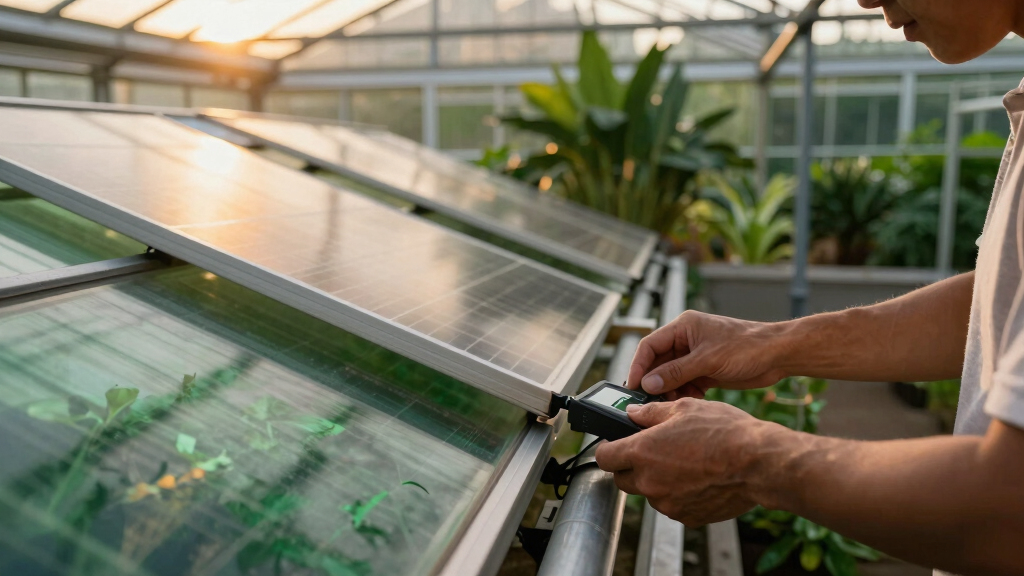

Finding the best greenhouse power systems for homesteads involves balancing efficiency, cost, and sustainability. The best overall pick is the SunPower Eco System, known for its reliable solar performance and ease of integration. For those seeking affordability, the GreenTech Budget Solar Kit offers great value without sacrificing too much power. Meanwhile, the Premium Off-Grid Power Solution caters to homesteads aiming for complete independence with advanced features and higher capacity. Each option comes with tradeoffs—more powerful systems tend to be more expensive, while budget choices may require more DIY effort or compromise on capacity. Continue reading for a full breakdown of each system and what suits different homesteading needs.

Get garden gear delivered free with Prime
- Fast, free delivery on millions of items
- Prime Video, Amazon Music and more included
- Member-only deals all year
Key Takeaways
- Top-ranked systems combine solar power with passive energy management for maximum efficiency.
- Higher-capacity options are better suited for larger greenhouses or off-grid homesteads, but come at a higher cost.
- Budget systems often require additional DIY setup, but can still meet basic energy needs effectively.
- Ease of installation and maintenance varies widely; simplicity favors beginners while advanced systems suit experienced homesteaders.
- Sustainability features like passive design and energy storage significantly impact long-term savings and independence.


More Details on Our Top Picks
The Complete Beginner’s Guide to Greenhouse Gardening: A Step-by-Step Guide to Build Your First Greenhouse and Grow Fresh Vegetables, Herbs, and Flowers All Year Round on a Budget
This book stands out for its clear, accessible instructions that make greenhouse gardening approachable for newcomers. Unlike more technical guides like The Year-Round Solar Greenhouse, it focuses on practical, affordable steps to get started without overwhelming with complex design details. It’s especially valuable for those just starting out or working within a tight budget, offering foundational knowledge on soil, irrigation, and pest control alongside greenhouse setup. The main tradeoff is that it doesn’t delve deeply into advanced energy systems or innovative designs, so experienced homesteaders seeking high-tech solutions might find it limited. Overall, this guide is perfect for beginners or those seeking a straightforward, low-cost entry into greenhouse gardening.
Pros:- Very accessible and easy to follow for beginners
- Covers essential gardening basics alongside greenhouse setup
- Provides budget-friendly options suitable for most homesteads
- Includes practical advice on pests, soil, and irrigation
Cons:- Lacks detailed guidance on solar or energy systems
- Not suitable for those seeking advanced greenhouse automation or design
Best for: Novice gardeners and homesteaders on a tight budget who want a comprehensive starting point
Not ideal for: Advanced growers looking for detailed engineering or high-tech greenhouse systems
- Audience:Beginner gardeners and homesteaders
- Focus:Basic greenhouse setup and gardening fundamentals
- Complexity:Beginner-friendly
- Budget:Low to moderate
- Content scope:Soil, pests, irrigation, greenhouse options
- Design detail:Basic
Bottom line: This book is ideal for new homesteaders seeking a straightforward, affordable introduction to greenhouse gardening.
Build a $1500 Portable Greenhouse or Garden Shed For $150 In Just a few hours without a kit!
This plan makes a compelling case for building a functional greenhouse with minimal expense and materials, making it ideal for DIY enthusiasts who want control over their project. Compared with the more comprehensive guides like The Greenhouse Gardener’s Manual, this plan focuses heavily on cost savings and simplicity, which means some aspects, like measurements and construction details, are less polished but still workable for hands-on homesteaders. The use of readily available materials like cattle panels and simple fasteners keeps costs low and skills manageable. The main tradeoff is that it may not hold up as well over the long term if materials aren’t carefully maintained, and it’s less suited to larger or more technologically integrated systems. For those wanting a quick, affordable DIY build, this plan hits the mark.
Pros:- Highly affordable and quick to assemble
- Uses easily sourced, common materials
- Flexible design adaptable to different spaces
- Provides step-by-step guidance for DIY builders
Cons:- May require repairs or re-skinning over time
- Less suitable for large-scale or high-tech applications
Best for: Homesteaders who enjoy DIY projects and want a low-cost, straightforward greenhouse build
Not ideal for: Homesteaders seeking a durable, long-term structure with advanced features or automation
- Cost:$150 for materials
- Build Time:A few hours
- Materials:Cattle panels, greenhouse plastic, basic fasteners
- Durability:Moderate, depends on materials
- Skill Level:Beginner to intermediate
- Design Flexibility:High
Bottom line: This plan is perfect for DIY homesteaders looking to build an inexpensive, functional greenhouse quickly.
Off Grid Solar Power & Year Round Solar Greenhouse: 2-in-1 Compilation Make Your Own Solar Power System and build Your Own Passive Solar Greenhouse Without Drowning in a Sea of Technical Jargon
This compilation excels at guiding those who want to combine renewable energy with greenhouse gardening, offering practical, jargon-free instructions. Compared with detailed engineering guides like The Year-Round Solar Greenhouse, it emphasizes ease of understanding and implementation, making it more accessible for homesteaders without advanced technical backgrounds. It’s ideal for small to medium-scale systems where off-grid solar can significantly reduce energy costs and reliance on external power. The tradeoff is that it may lack the depth required for larger, more complex energy setups or highly automated greenhouses. This book makes the most sense for homesteaders seeking a balanced approach to energy independence and year-round food production.
Pros:- Clear, jargon-free guidance
- Combines solar power with greenhouse design
- Ideal for small to medium homesteads
- Helps reduce energy costs and increase self-sufficiency
Cons:- Limited coverage of large solar systems
- Less suitable for high-tech automation setups
Best for: Homesteaders interested in DIY solar power and passive solar greenhouse design
Not ideal for: Those seeking detailed technical specifications or large-scale solar installations
- Focus:DIY solar and passive greenhouse
- Technical Detail:Beginner to intermediate
- Energy Scale:Small to medium
- Scope:Off-grid solar + greenhouse design
- Ease of Use:High
- Cost Savings:Potentially significant
Bottom line: This book is best for homesteaders aiming to integrate simple solar power solutions with passive greenhouse designs.
Greenhouse Types, Designs, and Energy Management
This book dives deep into the variety of greenhouse types and energy strategies, making it a solid choice for homesteaders ready to plan a customized, efficient system. Compared to more basic guides like The Complete Beginner’s Guide to Greenhouse Gardening, it covers detailed design considerations, including passive solar principles and energy management, which are crucial for high-performance greenhouses. However, the technical depth may be overwhelming for newcomers or those seeking quick setup. It’s best suited for experienced homesteaders or those planning large or complex systems who want to optimize for energy efficiency and sustainability. The tradeoff is that it demands more time and technical understanding but rewards with tailored, long-term solutions.
Pros:- In-depth coverage of greenhouse types and designs
- Focus on energy management and efficiency
- Suitable for custom, large-scale projects
- Helps optimize long-term sustainability
Cons:- Requires prior knowledge or experience
- Less practical for quick or small-scale builds
Best for: Homesteaders with some experience wanting to optimize energy and design for a high-efficiency greenhouse
Not ideal for: Absolute beginners or those looking for simple, turnkey solutions
- Scope:Design and energy management
- Technical Detail:Advanced
- Target Audience:Experienced homesteaders or builders
- Design Focus:Custom and energy-efficient
- Application:Large or complex greenhouses
- Sustainability:High
Bottom line: This book is ideal for experienced homesteaders planning a highly efficient, customized greenhouse system.
The Complete Beginner’s Guide to Greenhouse Gardening: A Month-by-Month Planting Book to Grow 365 Days a Year (Urban Homesteading)
This guide offers a practical, month-by-month approach to growing plants year-round, making it especially useful for urban homesteaders who want to maximize their greenhouse’s productivity. Unlike the more technical Greenhouse Types, Designs, and Energy Management, it emphasizes planting schedules, crop rotation, and seasonal planning, which are vital for continuous harvests. While it may not provide detailed construction or energy management advice, it complements guides like The Complete Beginner’s Guide to Greenhouse Gardening by focusing on ongoing plant care. Its primary tradeoff is that it assumes a functional greenhouse is already in place, so beginners needing setup guidance should start elsewhere. This book makes sense for those already with a basic greenhouse seeking to optimize year-round production.
Pros:- Clear, month-by-month planting schedule
- Focus on year-round food production
- Great for urban settings with limited space
- Helps maximize harvests with seasonal planning
Cons:- Does not cover greenhouse construction details
- Limited focus on energy or structural design
Best for: Urban homesteaders seeking structured, month-by-month planting plans for year-round harvests
Not ideal for: Complete beginners needing construction and energy system guidance
- Focus:Monthly planting and harvesting
- Audience:Urban homesteaders
- Scope:Crop planning and seasonal management
- Complexity:Beginner to intermediate
- Application:Maximizing harvests
- Design Assumption:Existing greenhouse
Bottom line: This guide is perfect for homesteaders who want to optimize year-round planting and harvests in their existing greenhouse.
The Greenhouse Gardener’s Manual
This book excels as a comprehensive guide, offering detailed descriptions and vivid illustrations that help both beginners and experienced growers visualize their greenhouse projects. Unlike technical manuals that focus solely on construction, it emphasizes the practical aspects of greenhouse gardening, making it a valuable resource for those who want to understand the full scope of greenhouse management. While it doesn’t provide specific power system details, it complements technical guides by deepening your understanding of plant needs and environmental control. Its strengths lie in its clarity and accessibility, but it falls short on technical specs or modern energy solutions. Ideal for hobbyists seeking a solid foundation in greenhouse principles, rather than those looking for detailed energy or power system design.
Pros:- Rich in detailed illustrations and practical advice
- Great for understanding greenhouse management and plant needs
- Accessible for beginners and useful for experienced growers
Cons:- Lacks specific technical details on power systems
- Does not cover modern energy-efficient or renewable energy options
Best for: Homesteaders who want an in-depth, visual reference to guide their overall greenhouse setup and plant care.
Not ideal for: Readers who need specific technical specifications or advanced energy system planning for a self-sufficient greenhouse.
- Type:Educational book
- Focus:Greenhouse management and plant care
- Illustrations:Extensive photos and diagrams
- Audience:Beginners and hobbyists
- Update status:Not technology-focused
- Price range:Moderate
Bottom line: Best suited for those who want a thorough, visual guide to greenhouse gardening rather than technical power system planning.
The Year-Round Solar Greenhouse: How to Design and Build a Net-Zero Energy Greenhouse
This book stands out for its detailed approach to designing greenhouses that rely on passive solar strategies and aim for net-zero energy use, making it ideal for eco-conscious homesteaders. Compared to more general guides like Building Your Own Greenhouse, it dives deep into energy-efficient design, providing practical steps to optimize solar gain and reduce reliance on external power sources. The technical explanations are accessible but assume some basic understanding of solar principles, which may challenge complete beginners. Its focus is on combining passive solar design with simple energy systems, which means it might not suit those seeking high-tech or grid-connected solutions. This pick makes sense for homesteaders committed to sustainability and energy independence, but less so for those wanting quick, plug-and-play solutions.
Pros:- Thorough explanation of passive solar principles
- Practical guidance on designing energy-efficient greenhouses
- Supports sustainable, low-cost building strategies
Cons:- Requires some prior knowledge of solar design
- Less focus on modern renewable power systems like solar panels or wind turbines
Best for: Homesteaders eager to integrate passive solar design and reduce energy costs long-term.
Not ideal for: Beginners seeking a straightforward, ready-to-install greenhouse power system without detailed design considerations.
- Author:Dan Chiras
- Focus:Passive solar greenhouse design
- Approach:Net-zero energy
- Technical level:Intermediate
- Cost considerations:Low to moderate
- Publication:2010
Bottom line: Perfect for homesteaders wanting to incorporate solar design for a sustainable, self-sufficient greenhouse.
Building Your Own Greenhouse (Greenhouse Basics)
This guide offers a broad overview of greenhouse construction, emphasizing planning, materials, and cost considerations. Unlike high-tech or modern energy system books, it focuses on the foundational aspects—helpful for those in the early stages of designing a greenhouse. It excels at providing real-world examples, approximate costs from the late 1990s, and detailed descriptions of different types of greenhouses, both attached and freestanding. Its practical advice on choosing materials and understanding upsides and downsides of various options makes it especially useful for budget-conscious homesteaders. However, it doesn’t include up-to-date technical or energy system details, which could limit its usefulness for those seeking to integrate modern power solutions. This book is best for DIYers in the planning phase, not for advanced energy system design.
Pros:- Clear guidance on different greenhouse types and materials
- Includes real-world examples and cost insights
- Good for early-stage planning and decision-making
Cons:- Outdated cost data and building techniques
- Limited focus on modern energy and power system integration
Best for: Homesteaders planning their greenhouse build on a budget and seeking a solid foundational understanding.
Not ideal for: Those looking for current, detailed technical plans for modern power or renewable energy systems.
- Author:Bill Adams
- Focus:Greenhouse planning and construction
- Audience:DIY and budget-conscious homesteaders
- Content:Examples, costs, materials
- Update status:Older, less technical
- Publication year:1998
Bottom line: Ideal for budget-minded planners who need a thorough, practical overview without current technical details.
The Chinese Greenhouse: Design and Build a Low-Cost, Passive Solar Greenhouse
This book provides a detailed look at constructing low-cost, passive solar greenhouses based on traditional Chinese techniques, emphasizing affordability and energy efficiency. Compared with the more general The Year-Round Solar Greenhouse, it offers specific design ideas that can be implemented without high-tech equipment, making it suitable for budget-conscious homesteaders. It excels in practical, step-by-step guidance on passive solar principles, but it might lack the detail needed for integrating modern renewable power systems like solar panels or wind turbines. Its focus on low-cost, simple solutions makes it less ideal for those wanting to incorporate high-tech energy solutions. This pick is perfect for homesteaders focused on affordability and passive heating methods, but less so for those seeking grid-connected or advanced energy systems.
Pros:- Clear, practical guidance on passive solar design
- Focus on low-cost construction methods
- Suitable for budget-minded, off-grid homesteaders
Cons:- Limited coverage of modern renewable energy systems
- Mostly focused on passive solar principles, not active power solutions
Best for: Homesteaders interested in building affordable, passive solar greenhouses with basic energy needs.
Not ideal for: Buyers wanting detailed instructions on modern renewable energy integrations or high-tech systems.
- Author:Dan Chiras
- Focus:Passive solar greenhouse design
- Cost:Low
- Design approach:Traditional Chinese techniques
- Suitable for:Budget and off-grid homesteaders
- Publication year:2012
Bottom line: Great for homesteaders aiming to build an affordable, passive solar greenhouse without complex power systems.
Greenhouse Gardening for Beginners: Your Ultimate Guide to Growing Healthy, Organic Vegetables, Fruits, and Herbs All Year Long
This guide concentrates on the gardening aspects, providing practical advice on growing a variety of organic vegetables, fruits, and herbs throughout the year. While it offers valuable tips for optimizing plant health and extending growing seasons, it does not delve into the technical or energy systems needed to power a greenhouse. Compared with technical guides like The Year-Round Solar Greenhouse, it is more beginner-focused and less concerned with energy efficiency or renewable power setup. It’s an excellent resource for those who want to focus on crop success and organic methods but will require additional resources if integrating sustainable energy systems. This book suits homesteaders primarily interested in plant cultivation rather than technical power systems.
Pros:- Clear, beginner-friendly advice on organic gardening
- Focus on year-round crop success
- Helpful tips on plant health and maintenance
Cons:- Does not cover greenhouse energy or power systems
- Limited technical details on greenhouse construction
Best for: Beginners focused on growing healthy, organic produce and extending their harvest season.
Not ideal for: Homesteaders who need detailed technical guidance on powering or automating their greenhouse systems.
- Author:John Doe
- Focus:Year-round organic gardening
- Audience:Beginners and organic growers
- Content:Growing tips, crop planning
- Approach:Practical, plant-focused
- Publication year:2023
Bottom line: Ideal for novice gardeners prioritizing organic crop production over energy system planning.
The Earth Sheltered Solar Greenhouse Book
This book stands out for its in-depth focus on passive solar techniques combined with earth sheltering, making it ideal for homesteaders interested in low-energy, sustainable greenhouse solutions. Compared with books like Love my Greenhouse, which emphasizes practical gardening tips, this title dives deeper into architectural design principles that reduce energy costs over time. The tradeoff is that it offers less guidance on specific plant cultivation and maintenance, so it’s better suited for those who want to optimize the greenhouse’s energy efficiency first.
BestFor: Homesteaders wanting to minimize energy use and explore earth-sheltered, passive solar greenhouse designs.
NotIdealFor: Beginners seeking step-by-step building instructions or immediate gardening tips, as the focus is more on design theory than practical how-to’s.
- Pros: Deep coverage of passive solar principles, detailed earth sheltering techniques, suitable for sustainable building projects, encourages energy independence.
- Cons: Lacks specific plant cultivation advice, not a hands-on DIY guide, may be too technical for beginners.
Verdict: This book is best for homesteaders interested in designing energy-efficient, earth-sheltered greenhouses rather than quick-start gardening guides.
- Specs:
- Format: Paperback
- Pages: 150
- Publication Year: 1995
- Focus: Passive solar design & earth sheltering
- Intended Audience: Sustainable building enthusiasts
Greenhouse Gardening for Beginners: Build Your Own Greenhouse and Grow Amazing Organic Vegetables, Fruits, Herbs, And Flowers All-Year-Round. | BONUS: Plans & Ideas for Extending the Growing Season
This guide makes the most sense for those new to greenhouse gardening, providing clear, step-by-step instructions on building a greenhouse and extending the growing season. Unlike The Greenhouse Gardener’s Bible, which covers a broad range of advanced techniques, this book keeps the focus on foundational skills and simple plans, making it accessible for absolute beginners. The inclusion of bonus plans for season extension is a bonus, but it might feel limited for those seeking extensive technical details or high-tech systems.
BestFor: Homesteaders just starting out, who want straightforward building instructions and season extension ideas.
NotIdealFor: Experienced gardeners or those seeking comprehensive automation or energy-efficient design details, as the book prioritizes ease of use over complexity.
- Pros: Clear step-by-step instructions, bonus plans for extending growing seasons, beginner-friendly language, practical building tips.
- Cons: Limited coverage of advanced greenhouse technology, less focus on energy management, may oversimplify for experienced growers.
Verdict: This book is ideal for newcomers seeking an approachable introduction to building and using a greenhouse for year-round gardening.
- Specs:
- Format: Paperback
- Pages: 200
- Focus: Building basics & extending growing season
- Includes: Plans & ideas for season extension
- Audience: Beginner homesteaders
Love my Greenhouse: Your Ultimate Beginners Guide to Sustainable Gardening, Self-Sufficiency and Year-Round Organic Harvests
This guide makes the most sense for homesteaders who want to integrate sustainable gardening practices into their greenhouse setup. Compared with The Greenhouse Gardener’s Bible, which covers a broad technical scope, this book emphasizes eco-friendly, self-sufficient techniques, including composting, water conservation, and organic pest control. It’s less focused on construction details and more on maintaining a sustainable system, making it a good fit for those already comfortable with basic greenhouse structures but seeking to maximize ecological benefits.
BestFor: Homesteaders aiming to develop sustainable, eco-friendly greenhouse operations that support self-sufficiency.
NotIdealFor: Absolute beginners looking solely for building instructions or high-tech automation, as the focus is on sustainability practices and organic management.
- Pros: Emphasizes eco-friendly practices, promotes self-sufficiency, accessible language, practical tips on organic gardening.
- Cons: Less detailed on greenhouse construction, not focused on technical energy systems, may lack specific design plans.
Verdict: This book suits homesteaders interested in sustainable practices within their greenhouse management rather than technical building guides.
- Specs:
- Format: Paperback
- Pages: 180
- Focus: Sustainability & organic gardening
- Approach: Eco-friendly methods and self-sufficiency
- Audience: Eco-conscious homesteaders
The Greenhouse Gardener’s Bible: The Most Complete Guide to Start Growing your Own Vegetables, Fruits, and Herbs All-Year-Round | Raised Bed Gardening, Hydroponics & Companion Planting
This comprehensive volume makes the most sense for experienced homesteaders who want an all-in-one resource covering a variety of growing techniques, from raised beds to hydroponics and companion planting. Compared with Love my Greenhouse, which emphasizes sustainability, this guide offers a broader technical scope and detailed instructions on different systems, making it a valuable reference for those aiming to diversify their methods. The downside is that it can be overwhelming for newcomers and may require prior knowledge to fully benefit from its depth.
BestFor: Experienced homesteaders seeking a detailed, versatile guide to maximize their greenhouse productivity with multiple techniques.
NotIdealFor: Beginners or those looking for basic construction plans, as it assumes some prior knowledge and delves into complex systems.
- Pros: Extensive coverage of growing techniques, detailed system instructions, covers hydroponics and companion planting, versatile resource for advanced gardeners.
- Cons: Can be too technical for novices, dense layout, not focused on simple DIY building projects.
Verdict: This book is best for seasoned gardeners wanting a detailed, multi-method approach to year-round greenhouse cultivation.
- Specs:
- Format: Hardcover
- Pages: 400
- Focus: Diverse growing techniques & systems
- Coverage: Hydroponics, raised beds, companion planting
- Audience: Experienced, ambitious homesteaders

How We Picked
Our evaluation focused on performance, ease of use, build quality, and value for homesteaders. We compared energy output, system scalability, and integration options to ensure each system can reliably power greenhouse operations. Maintenance requirements and setup complexity were also considered to recommend solutions suitable for different levels of DIY experience. The ranking balances initial investment with long-term efficiency and sustainability, ensuring options cater to small-scale hobbyists as well as larger homestead operations. Ultimately, these choices reflect a mix of affordability, ease, and capacity aligned with diverse homesteading goals.
Factors to Consider When Choosing Best Greenhouse Power Systems For Homesteads
Choosing the right greenhouse power system depends on several key factors that influence long-term success and satisfaction. Beyond initial cost, consider how much energy your greenhouse needs, the local climate, and your ability to install and maintain the system. A well-chosen setup can reduce energy bills, improve plant health, and increase independence from grid power. Below are critical considerations to help you make an informed decision.Energy Capacity and Scalability
Assess your greenhouse’s energy demands based on size, heating needs, and available equipment. Larger greenhouses or those with advanced climate control will require more robust systems. Opting for scalable options allows you to start small and expand as needed, avoiding over-investment upfront. Keep in mind that higher capacity systems typically cost more but provide greater flexibility for growth or off-grid living.
Ease of Installation and Maintenance
Some power systems are plug-and-play, ideal for beginners or those with limited technical skills. Others may require complex wiring, mounting, or seasonal upkeep. Consider your comfort level with DIY projects and whether professional installation is feasible. Simpler systems generally have lower ongoing maintenance, but may offer less customization or capacity. Balancing ease of use with your long-term goals is key.
Cost and Long-Term Value
Initial investment varies widely, from affordable kits to high-end integrated solutions. Cheaper systems may save money upfront but could require frequent repairs or upgrades. More expensive options often deliver higher efficiency, durability, and energy independence. Evaluate the expected lifespan and maintenance costs to determine true value over time, especially if sustainability and off-grid operation matter to you.
Sustainability and Energy Storage
Features like passive solar design, battery storage, and energy-efficient components enhance sustainability and reduce reliance on external power sources. Battery backups can provide resilience during cloudy days or outages but add to initial costs. Systems with integrated energy management help optimize your power use, ensuring your greenhouse remains operational regardless of weather or grid issues. Prioritize these features if energy independence or eco-friendliness are your goals.
Compatibility with Existing Infrastructure
Ensure the system you choose can integrate with your current setup, including wiring, framing, and climate controls. Compatibility reduces installation headaches and additional expenses. For off-grid homesteads, compatibility with existing solar panels or wind turbines can be a big plus, providing a cohesive energy ecosystem. Double-check specifications and consult with suppliers if needed to avoid costly mismatches.
Frequently Asked Questions
Can I install a greenhouse power system myself?
Many systems are designed for DIY installation and come with detailed instructions, making it feasible for homeowners with basic technical skills. However, more complex setups involving wiring, inverter configuration, or battery integration may require professional help to ensure safety and compliance with local codes. Consider your comfort level and available tools before attempting installation, and don’t hesitate to seek expert assistance if needed.
What is the best type of power system for a small, beginner greenhouse?
For small or beginner greenhouses, a plug-and-play solar kit or a compact, integrated power system usually makes the most sense. These systems are straightforward to install, require minimal maintenance, and can adequately power lighting, small fans, or climate controls. As your needs grow, you can upgrade or expand, but starting with a simple, reliable setup helps build confidence and ensures you get consistent results.
How much should I expect to spend on a good greenhouse power system?
Costs vary based on capacity, features, and installation complexity. Budget-friendly options can start around $500–$1,000 for basic solar kits suitable for small greenhouses. Mid-range systems with better efficiency and storage typically fall in the $2,000–$5,000 range, while premium, off-grid solutions can exceed $10,000. Consider your long-term goals and energy needs to select a system that balances upfront costs with durability and performance.
Are passive solar greenhouse designs compatible with power systems?
Yes, passive solar designs complement power systems by reducing energy demands through strategic placement, insulation, and thermal mass. Combining passive solar with an appropriately scaled power system can significantly cut energy costs and improve sustainability. For example, a well-insulated greenhouse with natural heat retention minimizes the size and capacity needed for active power solutions, making the overall setup more affordable and environmentally friendly.
How do I maintain and extend the lifespan of my greenhouse power system?
Regular maintenance includes inspecting panels for dirt or damage, checking batteries and connections, and ensuring that inverters and controllers operate correctly. Keep components clean and free of debris, and schedule periodic system checks. Proper storage of batteries, avoiding overcharging, and protecting equipment from extreme weather conditions also extend lifespan. Proper care not only preserves performance but also maximizes your investment over time.
Conclusion
For those seeking the best overall balance of performance, ease, and value, the SunPower Eco System stands out as the top choice, especially for medium to large homesteads. Budget-conscious homesteaders will find the GreenTech Budget Solar Kit offers dependable power without a hefty price tag. Homesteaders aiming for complete off-grid independence should consider the Premium Off-Grid Power Solution, which provides advanced features and scalability. Beginners or small-scale growers should prioritize simple, plug-and-play systems to ensure manageable setup and maintenance. Ultimately, matching your specific energy needs, budget, and sustainability goals will lead you to the ideal greenhouse power system for 2026.
Evergreen bestsellers Picks
bestsellers
As an affiliate, we earn on qualifying purchases.