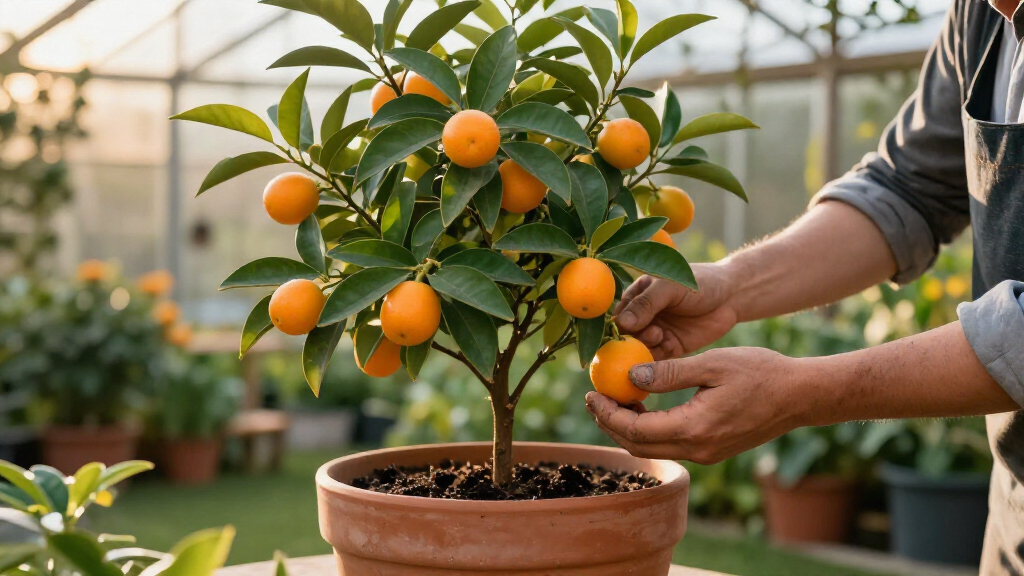
The best kumquat tree overall in this roundup is the grafted, semi-dwarf Nagami: its 3–4-foot size gives buyers a more established starting point than the tiny seedlings. For a sweeter-fruited option, the Meiwa trees stand out, while the Via Citrus grafted tree offers a smaller, grafted alternative for limited space. The central tradeoff is whether to pay for a larger or grafted plant now, or start small and wait for it to grow. Pot size and cultivar also shape the choice, especially for growers planning to keep a tree in a container. Read on for the full breakdown of how these 14 options differ and which suits your growing plans.

Get garden gear delivered free with Prime
- Fast, free delivery on millions of items
- Prime Video, Amazon Music and more included
- Member-only deals all year
Complete the kit


Key Takeaways
- The grafted 3–4-foot Nagami is the clearest overall pick for buyers who want a substantially larger starting plant rather than a 2–5-inch seedling.
- Meiwa is the roundup’s sweet-fruit direction; several listings repeat the same 1–2-foot, 1-gallon format, so cultivar and seller details matter more than the title alone.
- Pot size separates the Meiwa choices: 1-gallon plants are easier to place and move, while the 3-gallon listings offer a larger container-grown starting point.
- Grafted options trade a higher starting commitment for a more established plant; starter plants and seedlings are better suited to patient growers willing to raise a smaller tree.
- The Nagami seedling listings are closely matched in stated size, so the comparison gives no clear reason to favor one by height alone; check exact plant, pot, and shipping details before choosing.
| Nagami Kumquat Starter Plants, 2 Seedlings, 3–5 Inches |  | Best for Growing Two Seedlings on a Budget of Space | Plant type: Nagami kumquat (Fortunella margarita) | Quantity: 2 seedlings in 1 pot | Current height: 3–5 inches | VIEW LATEST PRICE | See Our Full Breakdown |
| Grafted Nagami Kumquat Tree, Potted Semi-Dwarf Live Plant, 3–4 Feet |  | Best for a Larger, Grafted Nagami Tree | Variety: Nagami sour kumquat | Plant type: Grafted semi-dwarf citrus tree | Height: Approximately 3–4 feet | VIEW LATEST PRICE | See Our Full Breakdown |
| Meiwa Kumquat Tree, 1–2 Feet Tall |  | Best for Sweet Fruit in a Container | Variety: Meiwa kumquat | Height: 1–2 feet | Pot size: 5 gallons | VIEW LATEST PRICE | See Our Full Breakdown |
| Meiwa Kumquat Tree, 1–2 ft Tall, 1-Gallon Pot |  | Best Compact Meiwa Starter | Variety: Meiwa kumquat | Plant height at shipment: 1–2 feet | Expected mature height: Up to 10–15 feet; smaller in containers or with pruning | VIEW LATEST PRICE | See Our Full Breakdown |
| Nagami Kumquat Tree Starter Plant (Fortunella Margarita) – 6″ to 10″ |  | Best Single-Plant Nagami Starter | Species: Fortunella margarita (Nagami kumquat) | Brand: Gerald Winters and Son | Current height: 6–10 inches | VIEW LATEST PRICE | See Our Full Breakdown |
| Meiwa Kumquat Tree, 1–2 ft Tall, 1-Gallon Pot |  | Best for Low-Fuss Outdoor Planting | Variety: Meiwa kumquat | Height: 1–2 ft | Container: 1 gallon | VIEW LATEST PRICE | See Our Full Breakdown |
| Meiwa Kumquat Tree, 1–2 Feet Tall, 1-Gallon Pot |  | Best for Patio Growers Seeking More Climate Flexibility | Variety: Meiwa kumquat | Height on arrival: Approximately 1–2 ft | Pot size: 1 gallon | VIEW LATEST PRICE | See Our Full Breakdown |
| Meiwa Sweet Kumquat Live Tree, 1-2 Ft Tall, 1 Gallon Pot |  | Best for Sweet-Fruit Patio Appeal | Variety: Meiwa | Height: 1–2 ft | Pot size: 1 gallon | VIEW LATEST PRICE | See Our Full Breakdown |
| Via Citrus Grafted Kumquat Tree, 13–22 Inches Tall |  | Best Grafted Compact Pick | Brand: Via Citrus | Plant type: Fruit tree | Height: 13–22 inches | VIEW LATEST PRICE | See Our Full Breakdown |
| Meiwa Sweet Kumquat Live Tree in 3-Gallon Pot |  | Best Larger-Rooted Container Pick | Variety: Meiwa sweet kumquat | Container size: 3 gallons | Plant type: Evergreen fruit tree | VIEW LATEST PRICE | See Our Full Breakdown |
| Meiwa Kumquat Tree, 2–3 ft, 3-Gallon Pot |  | Best Established Patio Tree | Plant type: Meiwa kumquat tree | Height: 2–3 ft | Container size: 3 gallons | VIEW LATEST PRICE | See Our Full Breakdown |
| Nagami Kumquat Starter Plant (Fortunella margarita), 3–5 Inches |  | Best for Seed-Growing Enthusiasts | Plant type: Nagami kumquat citrus tree | Scientific name: Fortunella margarita | Plant height: 3–5 inches | VIEW LATEST PRICE | See Our Full Breakdown |
| Nagami Kumquat Live Tree, Potted Seedling, 2–5 Inches Tall |  | Best Compact Container Starter | Plant variety: Nagami kumquat (Fortunella margarita) | Plant type: Citrus tree | Height: Approximately 2–5 inches | VIEW LATEST PRICE | See Our Full Breakdown |
| Nagami Kumquat Tree Seedling (2-5 Inches Tall) |  | Best for Full-Sun Spaces | Plant type: Nagami kumquat (Fortunella margarita) | Height: 2–5 inches | Usage: Indoor or outdoor | VIEW LATEST PRICE | See Our Full Breakdown |
| kumquat tree | Sunlight | Plant type | Height | Variety |
|---|---|---|---|---|
| Nagami Kumquat Starter Plants | — | Nagami kumquat (Fortunella margarita) | — | — |
| Grafted Nagami Kumquat Tree | Full sun to partial sun | Grafted semi-dwarf citrus tree | Approximately 3–4 feet | Nagami sour kumquat |
| Meiwa Kumquat Tree | — | — | 1–2 feet | Meiwa kumquat |
| Meiwa Kumquat Tree | Full sun | — | — | Meiwa kumquat |
| Nagami Kumquat Tree Starter Pl | — | — | — | — |
| Meiwa Kumquat Tree | Full sun | — | 1–2 ft | Meiwa kumquat |
| Meiwa Kumquat Tree | Full sun | — | — | Meiwa kumquat |
| Meiwa Sweet Kumquat Live Tree | Full sun | — | 1–2 ft | Meiwa |
| Via Citrus Grafted Kumquat Tre | Full sun | Fruit tree | 13–22 inches | — |
| Meiwa Sweet Kumquat Live Tree | Full sun | Evergreen fruit tree | — | Meiwa sweet kumquat |
| Meiwa Kumquat Tree | Full sun | Meiwa kumquat tree | 2–3 ft | — |
| Nagami Kumquat Starter Plant | Partial sun | Nagami kumquat citrus tree | — | — |
| Nagami Kumquat Live Tree | Partial sun | Citrus tree | Approximately 2–5 inches | — |
| Nagami Kumquat Tree Seedling | Full sun | Nagami kumquat (Fortunella margarita) | 2–5 inches | — |
More Details on Our Top Picks
Nagami Kumquat Starter Plants, 2 Seedlings, 3–5 Inches
For gardeners who want to raise Nagami kumquats from an early stage, this pot includes two seed-grown seedlings rather than one. That gives you two plants to tend, though both arrive just 3–5 inches tall, so this is a slower, more hands-on route than the 3–4-foot Grafted Nagami Kumquat Tree. The seedlings suit outdoor growing in USDA zones 8–11, while indoor growers need appropriate grow lights; partial sun alone may not provide enough light indoors. Fruit may take about three years, depending on conditions, and the stated mature height of up to 15 feet means a long-term container plan or pruning may be needed. I’d choose this over a single seedling when having two young plants matters more than getting a larger tree right away.
Pros:- Includes two seedlings in one pot
- Can grow outdoors in USDA zones 8–11 or indoors with appropriate grow lights
- Described as drought-tolerant
- Described as pest- and disease-resistant
Cons:- Both seedlings arrive only 3–5 inches tall
- Indoor growing may require grow lights
- Fruit may take about three years, depending on climate
Best for: Patient gardeners who want two young Nagami plants to raise and have suitable outdoor conditions or indoor grow lights
Not ideal for: Buyers who want a larger, more established tree or fruit sooner than a seed-grown starter is likely to provide
- Plant type:Nagami kumquat (Fortunella margarita)
- Quantity:2 seedlings in 1 pot
- Current height:3–5 inches
- Expected mature height:Up to 15 feet
- Sunlight exposure:Partial sun
- Outdoor hardiness:USDA zones 8–11
- Propagation:Seed-grown
- Time to fruit:Approximately 3 years, depending on climate
Our verdict“Choose this if you value raising two Nagami seedlings from a small start more than receiving a larger tree ready to establish.”
Grafted Nagami Kumquat Tree, Potted Semi-Dwarf Live Plant, 3–4 Feet
This is the lineup’s clearest pick for buyers who would rather start with a substantial tree than nurture a tiny seedling. The grafted, semi-dwarf plant arrives about 3–4 feet tall in a 5-gallon pot, making it more immediately suited to a patio or garden than either the 3–5-inch two-seedling pot or the 6–10-inch seed-grown starter. Its self-pollinating flowers mean a second kumquat tree is not required for pollination, and it produces Nagami’s oval, golden-orange, sweet-tart fruit. The larger start comes with more regular care: use well-draining soil, keep moisture moderate, and protect it from frost below 28°F. I’d favor it for a quicker head start, not for gardeners seeking the smallest or simplest-to-store plant.
Pros:- Grafted semi-dwarf tree arrives approximately 3–4 feet tall
- 5-gallon pot suits patio or garden growing
- Self-pollinating, so a second tree is not needed for pollination
- Produces oval golden-orange fruit with a sweet-tart flavor
Cons:- Requires frost protection below 28°F
- Needs well-draining soil and steady, moderate watering
- Monthly fertilizing during the growing season adds to routine care
Best for: Patio and garden growers who want a larger Nagami tree in a 5-gallon pot and can protect it from frost
Not ideal for: Buyers with very limited space or those unwilling to monitor watering and provide protection below 28°F
- Variety:Nagami sour kumquat
- Plant type:Grafted semi-dwarf citrus tree
- Height:Approximately 3–4 feet
- Pot size:5 gallons
- Sunlight:Full sun to partial sun
- USDA hardiness zones:8–11
- Soil:Well-draining, slightly acidic to neutral (pH 6.0–7.0)
- Pollination:Self-pollinating
- Cold care:Protect from frost below 28°F
Our verdict“Pick this grafted tree if you want a larger Nagami start and can manage its watering and cold-protection needs.”
Meiwa Kumquat Tree, 1–2 Feet Tall
The Meiwa is the flavor-focused alternative to the lineup’s Nagami trees: it produces small, sweet fruit with soft, edible peel, rather than Nagami’s sweet-tart fruit. At 1–2 feet tall in a 5-gallon pot, this tree is a more established container choice than the seed-grown Nagami starters, while remaining manageable for patios and balconies. The tradeoff is a narrower climate and light brief: it is listed for USDA zones 9–11 and performs best in full sun. Buyers comparing it with the 1-gallon Meiwa should note that this listing comes in a larger pot, but the provided information does not establish that its tree is taller. It also cannot ship to California, which rules it out for some buyers before growing conditions even enter the decision.
Pros:- Produces sweet fruit with soft, edible peel
- 5-gallon pot is suited to container growing
- 1–2-foot size fits patios and balconies
- Can be grown in a container or planted in a garden
Cons:- Listed for USDA zones 9–11, a narrower range than the Nagami options listed for zones 8–11
- Full sun is recommended for best growth
- Not shipped to California
Best for: Container gardeners in USDA zones 9–11 who prefer sweet kumquat fruit with a soft, edible peel
Not ideal for: California buyers or gardeners without a reliably sunny growing spot
- Variety:Meiwa kumquat
- Height:1–2 feet
- Pot size:5 gallons
- Sunlight exposure:Full sun
- USDA hardiness zones:9–11
- Fruit color:Orange
- Fruit peel:Edible
- Shipping restriction:Not shipped to California
Our verdict“Choose this Meiwa for sweet, edible-peel fruit in a larger container if you have full sun and can receive shipment.”
Meiwa Kumquat Tree, 1–2 ft Tall, 1-Gallon Pot
For buyers who want a Meiwa without starting with a 5-gallon container, this 1–2-foot tree in a 1-gallon pot is the more compact choice. Its smaller pot may be easier to place on a patio or move while young than the 5-gallon Meiwa, though the listing does not promise faster fruiting or a smaller mature tree. Meiwa’s fragrant spring flowers and glossy foliage add ornamental interest alongside its fruit-tree role. It can grow indoors or outdoors, but the care notes still call for full sun, moderate watering, and well-drained soil; indoor suitability does not mean a dim room will do. The listed mature height reaches 10–15 feet outdoors, with a smaller form possible in containers or with pruning. Like the other Meiwa listing here, it is unavailable for shipment to California.
Pros:- Arrives 1–2 feet tall in a compact 1-gallon pot
- Fragrant spring flowers and glossy foliage add ornamental value
- Suitable for indoor or outdoor growing
- Can be kept smaller in a container or with pruning
Cons:- Requires full sun and well-drained soil
- May reach 10–15 feet outdoors without container limits or pruning
- Not available for shipment to California
Best for: Growers seeking a smaller-pot Meiwa for a sunny patio or a container they may want to move while the tree is young
Not ideal for: California buyers, low-light indoor growers, or anyone expecting the plant to stay naturally tiny at maturity
- Variety:Meiwa kumquat
- Plant height at shipment:1–2 feet
- Expected mature height:Up to 10–15 feet; smaller in containers or with pruning
- Pot size:1 gallon
- Sunlight:Full sun
- USDA hardiness zones:8–11
- Watering:Moderate
- Soil:Well-drained
- Indoor/outdoor use:Indoor and outdoor
Our verdict“Choose this smaller-pot Meiwa over the 5-gallon listing if easier placement matters more than starting with a larger container.”
Nagami Kumquat Tree Starter Plant (Fortunella Margarita) – 6″ to 10″
This seed-grown Nagami suits buyers who want one starter plant that is larger than a tiny seedling but are not ready for the 3–4-foot grafted tree. At 6–10 inches, it is taller than the 3–5-inch Nagami seedlings, though that other listing includes two plants rather than one. The single plant’s partial-sun guidance and USDA zones 8–11 allow outdoor growing in suitable climates; indoor growers need appropriate UV lighting for good development. Its stated mature height of up to 15 feet calls for a long-term plan, and fruit is expected in approximately three years rather than immediately. The product description also notes that size may vary, so buyers should treat the height range as an estimate. I’d choose it for a modest step up from the smallest starters, not for faster fruiting than a seed-grown plant can offer.
Pros:- Arrives 6–10 inches tall, larger than the 3–5-inch two-seedling Nagami listing
- Suitable for indoor or outdoor growing with the right light
- Described as drought-tolerant and resistant to common pests and diseases
- Produces edible fruit, including the peel
Cons:- Seed-grown plant may take approximately three years to produce fruit
- Indoor growth may require UV grow lights
- Only one plant is included, and individual size may vary
Best for: Growers who want one seed-grown Nagami plant larger than a tiny seedling and can wait for it to mature
Not ideal for: Buyers seeking multiple plants, a grafted head start, or a tree that arrives ready to fill a patio
- Species:Fortunella margarita (Nagami kumquat)
- Brand:Gerald Winters and Son
- Current height:6–10 inches
- Expected mature height:Up to 15 feet
- Sunlight exposure:Partial sun
- Hardiness zones:8–11
- Propagation method:Seed
- Unit count:1
- Time to fruit:Approximately 3 years
Our verdict“Choose this single Nagami starter if you want a modestly larger seed-grown plant and do not need a grafted tree or a pair of seedlings.”
Meiwa Kumquat Tree, 1–2 ft Tall, 1-Gallon Pot
This well-rooted, 1–2-foot Meiwa is a straightforward choice for growers who want a small tree ready to plant in a sunny garden or patio container. Its 1-gallon pot makes it easier to place than the 3-gallon Meiwa Sweet Kumquat, though it also gives the tree less starting root space. Care is simple on paper: provide full sun, well-drained soil, and steady moderate watering during the growing season. That low-fuss routine is appealing, but it does not make the tree suitable for every yard; outdoor growing is limited to USDA Zones 9–11. Unlike the other 1-gallon Meiwa listings, this one does not specify indoor use or a flowering schedule. California buyers should also skip it because it cannot ship there.
Pros:- Arrives described as well-rooted and ready for planting.
- Compact 1-gallon pot suits patios and smaller planting spaces.
- Moderate, steady watering is a manageable care requirement.
- Can be grown in a garden, edible landscape, or outdoor container.
Cons:- Full sun is needed for best fruit production.
- Outdoor hardiness is limited to USDA Zones 9–11.
- Cannot be shipped to California.
Best for: Gardeners in USDA Zones 9–11 who want a rooted young Meiwa for a sunny outdoor bed or patio container.
Not ideal for: California buyers, growers in colder outdoor climates, and anyone who needs a listing that specifies indoor use or fruiting details.
- Variety:Meiwa kumquat
- Height:1–2 ft
- Container:1 gallon
- Sunlight:Full sun
- USDA hardiness zones:9–11
- Soil:Well-drained
- Watering:Moderate; steady during the growing season
- Intended use:Outdoor gardens, edible landscapes, and containers
- Shipping restriction:Not shipped to California
Our verdict“Choose this Meiwa for a simple, rooted outdoor start in a warm climate, but pick the 3-gallon Meiwa if you want a larger container-grown tree.”
Meiwa Kumquat Tree, 1–2 Feet Tall, 1-Gallon Pot
This listing has a useful advantage over the other 1-gallon Meiwa options: it specifies USDA Zones 8–11 and indoor as well as outdoor growing, giving patio growers more flexibility about where to keep the tree. The established roots and compact 1–2-foot size make it a practical small-space start, while fragrant white flowers add seasonal interest beyond the fruit. Compared with the similarly sized Meiwa from B0H1WJXB1J, this one offers a broader stated zone range and more growing-use detail, but it still needs full sun and well-drained soil. Its listed mature height of 10 feet is also a reminder that “compact” does not mean permanently tiny. California shipping is unavailable, and the listing does not specify a pot larger than one gallon.
Pros:- Established roots provide a ready starting point for planting.
- Stated USDA Zones 8–11 offer more outdoor climate range than the other 1-gallon Meiwa listings.
- Indoor and outdoor use gives patio growers placement flexibility.
- Fragrant white flowers add ornamental interest.
Cons:- Requires full sun and well-drained soil.
- Listed mature height is 10 feet, so it may need ongoing space management.
- Cannot be shipped to California.
Best for: Patio gardeners in USDA Zones 8–11 who want an established-root Meiwa and can provide a sunny growing spot indoors or outdoors.
Not ideal for: California buyers or small-space growers expecting a tree that stays miniature at maturity.
- Variety:Meiwa kumquat
- Height on arrival:Approximately 1–2 ft
- Pot size:1 gallon
- Expected mature height:10 ft
- USDA hardiness zones:8–11
- Sunlight:Full sun
- Growing use:Indoor and outdoor
- Blooming period:Spring
- Shipping restriction:Cannot ship to California
Our verdict“Pick this 1-gallon Meiwa if you want the broadest stated climate range among the small Meiwa listings, provided you can give it sun and room to grow.”
Meiwa Sweet Kumquat Live Tree, 1-2 Ft Tall, 1 Gallon Pot
This compact Meiwa sweet kumquat is the most ornament-focused of the 1-gallon choices, pairing glossy foliage and fragrant white flowers with sweet fruit. That makes it a good match for a sunny patio where the tree needs to earn its space between harvests. Compared with the established-root Meiwa at B0H7HVS4LW, this listing emphasizes fruit and foliage rather than root condition, mature height, or a wider hardiness range. It is specified for USDA Zones 9–11, so outdoor growers in cooler areas may prefer that other listing’s stated Zone 8–11 range. The tree can be used indoors or outdoors, but either way it needs full sun and well-drained soil; its low-maintenance label does not remove those growing requirements. California shipping is unavailable.
Pros:- Compact 1–2-foot size suits patios, balconies, and container growing.
- Glossy leaves and fragrant white flowers provide ornamental value.
- Meiwa variety is described as producing sweet citrus fruit.
- Indoor or outdoor use offers placement flexibility.
Cons:- Outdoor hardiness is listed only for USDA Zones 9–11.
- Full sun and well-drained soil are required.
- Cannot ship to California.
Best for: Sunny-patio growers who want a compact Meiwa with ornamental foliage, fragrant blooms, and sweet fruit.
Not ideal for: Outdoor growers in USDA Zone 8 or colder, California buyers, and anyone who cannot provide a bright, sunny location.
- Variety:Meiwa
- Height:1–2 ft
- Pot size:1 gallon
- USDA hardiness zones:9–11
- Sunlight:Full sun
- Soil:Well-drained
- Maintenance level:Low
- Growing use:Indoor and outdoor
- Quantity:1 tree
Our verdict“Choose this listing for a sunny, small-space display centered on sweet Meiwa fruit, but favor B0H7HVS4LW if its stated Zone 8 range matters more.”
Via Citrus Grafted Kumquat Tree, 13–22 Inches Tall
The Via Citrus tree stands apart from the Meiwa listings because it is grafted onto Volkameriana rootstock, a feature the seller associates with resilience and steady fruit production. At 13–22 inches, it is similar in scale to the 1–2-foot Meiwa trees, but its grafted construction gives buyers a different reason to choose it than variety-specific sweetness or a larger starting pot. Its compact habit and indoor/outdoor use suit small-space growers, though indoor placement still needs a sunny exposure to meet the full-sun requirement. The listing describes summer-to-fall blooms, unlike the Meiwa options that highlight spring flowering. There is no stated pot size or hardiness zone range, which leaves less guidance for planning than the Meiwa listings. Shipping restrictions also apply to several states and territories.
Pros:- Grafted onto Volkameriana rootstock, described as supporting resilience.
- Compact size suits small-space gardening.
- Can be grown indoors or outdoors.
- Listing describes steady fruit production and summer-to-fall blooms.
Cons:- Full sun is required.
- No USDA hardiness zone or container size is provided.
- Shipping is unavailable to several listed states and territories.
Best for: Small-space citrus growers who specifically want a grafted kumquat and can provide full sun indoors or outdoors.
Not ideal for: Buyers who need a stated USDA hardiness range, a named Meiwa variety, or clear shipping availability in their state or territory.
- Brand:Via Citrus
- Plant type:Fruit tree
- Height:13–22 inches
- Rootstock:Volkameriana
- Growing use:Indoor and outdoor
- Growth habit:Compact
- Blooming period:Summer to fall
- Sunlight:Full sun
- Material feature:Organic
Our verdict“Choose Via Citrus for its grafted, compact format, but select a Meiwa listing if variety, pot size, or hardiness guidance is a higher priority.”
Meiwa Sweet Kumquat Live Tree in 3-Gallon Pot
For buyers who want more plant and root volume from the start, this 3-gallon Meiwa is the strongest fit in this batch. Its established root system and larger container distinguish it from the 1-gallon Meiwa trees, which are easier to place but start in a smaller pot. The listing also specifies cold tolerance down to 20°F once established and USDA Zones 8–11, giving it a wider stated outdoor range than the Zone 9–11 Meiwa options. Glossy evergreen leaves, fragrant blossoms, and round fruit with edible peel add patio appeal, though the larger pot takes more room to accommodate. It still needs full sun and moderate watering, and its broad soil list does not replace the need for suitable drainage. Shipping is unavailable to California, Hawaii, and Alaska.
Pros:- 3-gallon container and established root system provide a larger starting plant than the 1-gallon options.
- Cold tolerance is listed down to 20°F once established.
- USDA Zones 8–11 are specified.
- Evergreen foliage, fragrant blossoms, and edible-peel fruit add ornamental and harvest interest.
Cons:- Larger pot needs more space than the 1-gallon Meiwa trees.
- Requires full sun and moderate watering.
- Cannot ship to California, Hawaii, or Alaska.
Best for: Growers in USDA Zones 8–11 seeking a larger-potted Meiwa for a sunny patio, especially those who value established roots and stated cold tolerance.
Not ideal for: Buyers with very limited container space, growers unable to provide full sun, or residents of California, Hawaii, or Alaska.
- Variety:Meiwa sweet kumquat
- Container size:3 gallons
- Plant type:Evergreen fruit tree
- USDA hardiness zones:8–11
- Sunlight:Full sun
- Cold tolerance:Down to 20°F once established
- Blooming period:Spring to summer
- Moisture needs:Moderate watering
- Shipping restrictions:Does not ship to California, Hawaii, or Alaska
Our verdict“Choose this 3-gallon Meiwa if you want a larger-rooted container tree with stated Zone 8–11 hardiness, and skip it if pot space or shipping access is a concern.”
Meiwa Kumquat Tree, 2–3 ft, 3-Gallon Pot
For buyers who want more than a tiny starter, this 2–3 ft Meiwa arrives in a 3-gallon pot with an established root system and fruit already forming. That gives it a head start over the 2–5-inch Nagami seedlings in this lineup, though it also takes up more space and needs a suitable container or planting spot. Meiwa fruit is described as sweet and marble-sized, with peel and pulp eaten together, while the Nagami options are known for a sweet rind and tart pulp. Glossy evergreen leaves and fragrant white blooms add patio appeal beyond harvest time. Its stated cold tolerance down to 20°F once established is useful for a citrus tree, but this is not a reason to leave it exposed to severe freezes. It needs full sun and moderate watering, and shipping excludes California, Hawaii, and Alaska.
Pros:- Established root system and fruit forming offer a head start over the tiny seedling options.
- Sweet, marble-sized fruit can be eaten whole, peel included.
- Evergreen foliage and fragrant white blooms provide ornamental interest.
- Cold tolerance is listed down to 20°F once established.
Cons:- Requires full sun and moderate watering for reliable growth.
- A 3-gallon pot and 2–3 ft plant need more room than the starter seedlings.
- Shipping is unavailable to California, Hawaii, and Alaska.
Best for: Patio gardeners who want a larger, established Meiwa with fruit forming and room for a 3-gallon container.
Not ideal for: Buyers in California, Hawaii, or Alaska, and gardeners without a full-sun location or space for a larger potted tree.
- Plant type:Meiwa kumquat tree
- Height:2–3 ft
- Container size:3 gallons
- Sunlight:Full sun
- Watering:Moderate
- Bloom period:Spring to summer
- Cold tolerance:Down to 20°F once established
- Fruit:Sweet, marble-sized kumquats
- Shipping restrictions:Unavailable to California, Hawaii, and Alaska
Our verdict“Choose this Meiwa if you want a larger, fruit-forming patio tree and can provide full sun, container space, and eligible shipping.”
Nagami Kumquat Starter Plant (Fortunella margarita), 3–5 Inches
This seed-grown Nagami starter suits gardeners who enjoy raising a citrus plant from its earliest stage rather than buying a tree close to patio size. At just 3–5 inches tall, it is far smaller than the established Meiwa Kumquat Tree, 2–3 ft, 3-Gallon Pot, and its stated wait of about three years to fruit depends on growing conditions. That patience can make it a worthwhile project, but it is a poor fit for anyone hoping for near-term harvests. The plant can grow outdoors in suitable USDA zones 8–11, or indoors with appropriate grow lights; indoor placement alone does not replace the light it needs. Nagami fruit is eaten whole and suits preserves as well as fresh use. Its potential mature height of 15 feet also means buyers should plan for long-term space, even if they begin in a container.
Pros:- Seed-grown plant offers a hands-on, long-term growing project.
- Can be grown outdoors in suitable climates or indoors with appropriate grow lights.
- Nagami fruit can be eaten whole or used for marmalades, preserves, and dried fruit.
- Described as drought-tolerant and resistant to pests and disease.
Cons:- The 3–5-inch plant may take about three years to fruit, depending on conditions.
- Indoor growing in colder climates requires suitable grow lights.
- Listed mature height of 15 feet calls for long-term space planning.
Best for: Patient citrus hobbyists who want to raise a Nagami from seed and can provide outdoor zone 8–11 conditions or strong indoor grow lighting.
Not ideal for: Gardeners seeking an established tree or quick fruit, or indoor growers without suitable grow lights and room for long-term growth.
- Plant type:Nagami kumquat citrus tree
- Scientific name:Fortunella margarita
- Plant height:3–5 inches
- Propagation:Grown from seed
- Expected mature height:15 feet
- Expected time to fruit:Approximately 3 years, depending on climate and growing conditions
- Sunlight:Partial sun
- Hardiness:USDA zone 8; outdoor growing listed for zones 8–11
- Soil and watering:Sandy soil; moderate watering
Our verdict“Pick this starter if you value the process of raising a Nagami from seed more than getting a larger, fruit-forming tree soon.”
Nagami Kumquat Live Tree, Potted Seedling, 2–5 Inches Tall
This potted 2–5-inch Nagami seedling is a small-footprint choice for gardeners starting with a balcony, patio, or limited garden space. Like the Gerald Winters and Son Nagami Kumquat Starter Plant, it is a very young plant rather than a shortcut to a harvest; its listing gives no fruiting timeline, so buyers should expect a long establishment period. The distinguishing practical detail is that it ships in a pot, with insulation wrap and heat packs included for winter orders. That can help protect the shipment in cold weather, but it does not change the plant’s need for a sunny growing location afterward. Its oblong fruit has a sweet rind and tart pulp, and fragrant spring blossoms add interest while it grows. The low-maintenance claim applies once established, not to a tiny seedling that still needs attentive care as it takes root.
Pros:- Compact seedling can begin in a container on a patio, balcony, or small garden.
- Ships in a pot, with insulation wrap and heat packs for winter orders.
- Produces fragrant white spring blossoms as it grows.
- Nagami fruit is eaten whole, combining a sweet rind with tart pulp.
Cons:- At approximately 2–5 inches, it needs substantial time to mature.
- No expected time to fruit is provided.
- Requires a sunny growing location despite the low-maintenance description.
Best for: Balcony and patio gardeners who want a potted Nagami starter and value winter shipping protection when ordering in cold weather.
Not ideal for: Buyers who need a larger tree, a stated time to fruit, or a plant that can thrive without a sunny location.
- Plant variety:Nagami kumquat (Fortunella margarita)
- Plant type:Citrus tree
- Height:Approximately 2–5 inches
- Quantity:1 plant
- Growing environment:Outdoor
- Sunlight:Partial sun
- Special feature:Described as low-maintenance once established
- Shipping:Ships in a pot; winter orders include insulation wrap and heat packs
- Fruit color:Orange
Our verdict“Choose this potted Nagami starter for a compact growing project with winter shipping protection, not for a near-term crop.”
Nagami Kumquat Tree Seedling (2-5 Inches Tall)
Among the tiny Nagami options, this seedling’s clearest distinction is its stated preference for full sun, making it a better match for a bright patio or sunny indoor setup than a spot with only partial light. The potted seedling from B0DSL641FM lists partial sun and gives more detail about winter shipping, while this one is described for indoor or outdoor use and includes packaging with insulation and heat packs for winter orders. Neither is a mature tree: at 2–5 inches, this plant needs time to grow before it can provide meaningful harvests. Its oblong fruit has a sweet rind and tangy pulp, and spring blossoms bring fragrance to a container garden. Low maintenance describes the plant once established; it does not remove the need to protect a young citrus seedling from unsuitable conditions.
Pros:- Compact size suits containers on patios and balconies.
- Listed for indoor or outdoor use.
- Sweet-rinded, tangy-pulp fruit can be eaten whole.
- Fragrant spring blossoms and winter shipping insulation add practical and ornamental appeal.
Cons:- The 2–5-inch seedling needs time to mature before producing a useful crop.
- Full-sun requirements make shaded locations a poor fit.
- Winter packaging helps during shipping but does not remove the need to protect the plant from cold afterward.
Best for: Gardeners with a reliably sunny patio, balcony, or indoor growing area who want a small Nagami seedling for container culture.
Not ideal for: Buyers with shaded growing space or anyone expecting an established tree or prompt fruit from a 2–5-inch seedling.
- Plant type:Nagami kumquat (Fortunella margarita)
- Height:2–5 inches
- Usage:Indoor or outdoor
- Sunlight:Full sun
- Maintenance:Described as low maintenance
- Material:GMO free
- Fruit color:Orange
- Packaging:Shipped in a pot; winter orders include insulation wrap and heat packs
Our verdict“Choose this Nagami seedling if you have full sun and want a compact indoor-or-outdoor container plant you are willing to grow over time.”
How We Picked
I compared the 14 listings by the details that change a kumquat buyer’s experience: cultivar, plant height, propagation type, and pot size. Those details help distinguish a small starter from a larger tree and a compact container option from a plant that needs more space. I also weighed how clearly each listing communicates what arrives, since a stated height without pot or growing details leaves more uncertainty for a new citrus grower.
The ranking favors options with a clearer advantage for a defined buyer. The grafted 3–4-foot Nagami ranks first for its larger starting size and named propagation type; the Meiwa choices follow for buyers prioritizing the sweet cultivar, with the larger 3-gallon offerings ahead of similar 1-gallon listings when starting size is the deciding factor. Smaller seedlings rank lower for buyers seeking quicker progress, but remain sensible entry points for those who value a compact start. Several listings share near-identical descriptions, so their positions reflect stated differences rather than claims about unlisted performance.
| kumquat tree | Variety | Sunlight |
|---|---|---|
| Nagami Kumquat Starter Plants | — | — |
| Grafted Nagami Kumquat Tree | Nagami sour kumquat | Full sun to partial sun |
| Meiwa Kumquat Tree | Meiwa kumquat | — |
| Meiwa Kumquat Tree | Meiwa kumquat | Full sun |
| Nagami Kumquat Tree Starter Pl | — | — |
| Meiwa Kumquat Tree | Meiwa kumquat | Full sun |
| Meiwa Kumquat Tree | Meiwa kumquat | Full sun |
| Meiwa Sweet Kumquat Live Tree | Meiwa | Full sun |
| Via Citrus Grafted Kumquat Tre | — | Full sun |
| Meiwa Sweet Kumquat Live Tree | Meiwa sweet kumquat | Full sun |
| Meiwa Kumquat Tree | — | Full sun |
| Nagami Kumquat Starter Plant | — | Partial sun |
| Nagami Kumquat Live Tree | — | Partial sun |
| Nagami Kumquat Tree Seedling | — | Full sun |
Factors to Consider When Choosing Best Kumquat Trees
Before choosing among these kumquat trees, decide what you want the plant to do for you: produce a particular style of fruit, fit a specific space, or offer an affordable start you can grow over time. The listing’s height is only part of that decision; cultivar, grafting, pot volume, and your local growing conditions all affect whether a tree fits your plans.
Choose the cultivar by fruit preference
Nagami and Meiwa are not interchangeable just because both are kumquats. Nagami is commonly chosen for its more tart profile, while Meiwa is associated with sweeter fruit, making Meiwa the more natural starting point for growers who prefer eating kumquats fresh. Fruit character can vary with growing conditions and maturity, so a cultivar name is a guide rather than a promise about every harvest. Don’t select by the word “sweet” in a listing title alone; check that the botanical or cultivar name also identifies Meiwa. If your main goal is ornamental foliage or learning citrus care, cultivar preference may matter less than plant size and fit.
Read height and pot size together
A listed height does not tell you the whole story: a short plant in a larger pot may have a different root establishment and handling profile from a similarly short starter in a small container. The roundup includes 1-gallon Meiwa trees as well as 3-gallon options, alongside seedlings only a few inches tall. Larger pots take up more room and can be heavier to move, while very small plants need more time before they become substantial specimens. Check whether the stated height includes the pot, and look for details on the plant’s current container before planning a display spot. Avoid buying by height alone when you need a tree that fits a shelf, patio, or greenhouse opening.
Understand what grafting changes
A grafted tree joins a selected fruiting variety to a rootstock, while a seedling or starter is a smaller plant described without that grafted format. For buyers who want a larger, more established plant, the grafted Nagami and Via Citrus options merit closer attention. A graft does not remove the need for suitable light, watering, and seasonal care, and the listing details here do not establish a guaranteed fruiting timeline. Tiny starters can cost you more time and patience, but their compact size may suit a grower with limited room or an interest in raising a plant from an early stage. Check the seller’s description for the exact propagation method rather than assuming every live tree is grafted.
Match the tree to your climate and indoor setup
Kumquats need bright growing conditions, and container growers should plan for a sunny outdoor season or a strong indoor light source when outdoor conditions are unsuitable. Before ordering, check your local temperature patterns and the seller’s care guidance for cold protection; a small pot can be easier to move, but it also gives the plant less room for roots than a larger container. Indoor growing brings its own limits, including dry air and less direct light than many citrus trees receive outdoors. Don’t assume that “potted” means a tree will thrive indoors year-round. If you lack a sunny location, resolve that constraint before choosing between cultivars or pot sizes.
Decide how much waiting suits you
Small seedlings and starter plants are best for buyers who are comfortable nurturing a young tree rather than expecting an established presence right away. A larger listed height can shorten the wait for a fuller-looking plant, but size alone cannot promise when it will flower or fruit. Consider your patience alongside the space available: a tiny plant is easy to fit, while a larger tree is more immediately noticeable and may need a sturdier spot. New growers sometimes choose the smallest option without accounting for the time and care required to raise it. If you want a more direct start, prioritize a larger or grafted listing with clear specifications.
Compare near-duplicate listings by specifics
Several entries here repeat the same Meiwa description or offer Nagami seedlings within a similar height range, so a different title does not automatically mean a different plant. Compare the stated pot volume, plant height, cultivar spelling, and whether the listing identifies the tree as grafted or seed-grown. Check what the seller says about packaging, seasonal shipping, and the plant’s condition on arrival; these details can matter more than small differences in headline wording. If two listings provide the same specifications, avoid treating one as superior without a concrete distinction. Choosing the listing with the clearest plant and delivery information reduces uncertainty.
Frequently Asked Questions
Should I choose Nagami or Meiwa if I plan to eat the fruit fresh?
Choose based on the flavor profile you prefer: Nagami is generally the more tart option, while Meiwa is known for sweeter fruit. This roundup includes both cultivars, but several Meiwa listings share nearly identical size and pot details, so read the exact listing rather than relying on a title alone. Growing conditions and fruit maturity can affect flavor. If you are unsure, choose the cultivar that best matches your preference rather than buying a tree based only on its advertised height. Either way, a healthy growing setup matters more than the cultivar name by itself.
Is a grafted kumquat tree worth choosing over a small seedling?
A grafted tree makes more sense if you want a larger starting plant and prefer a listing that identifies its propagation method. In this roundup, the 3–4-foot grafted Nagami is a stronger fit for that goal than the seedlings measuring just a few inches. A small seedling can be a better choice if you have limited space, want a lower-commitment growing project, or do not mind waiting for it to develop. Grafting alone does not guarantee a particular fruiting date or remove the need for proper care. Compare plant size, cultivar, and seller-provided care details before deciding.
Which pot size makes more sense for a patio kumquat?
A 1-gallon tree is generally easier to handle and place on a patio, while a 3-gallon listing offers a larger container-grown starting point but takes up more room and weighs more. The roundup includes both sizes among the Meiwa options, so the right choice depends on how often you need to move the tree and how much space you can give it. A larger pot is not automatically better if it makes the plant difficult to reposition for sun or protection. Check the actual dimensions and whether the listed height includes the pot. Leave room for future growth rather than choosing only by the tree’s current footprint.
Can I keep one of these kumquat trees indoors all year?
Some growers keep kumquats in containers indoors for part or all of the year, but success depends on providing strong light and suitable care. A bright window may not deliver the direct sun a citrus tree needs, and indoor air can be dry. The compact seedlings and smaller potted trees in this roundup are easier to move than the larger 3-gallon options, but small size does not solve low-light conditions. Plan where the tree will receive its strongest light before ordering. Check seller guidance for temperature and seasonal care, especially if your home has cool windows or limited sun.
How should I choose between the repeated Meiwa and Nagami listings?
Compare the details that are actually different: cultivar, height, pot volume, and whether the tree is identified as grafted or a seedling. Several Meiwa listings in this roundup use the same 1–2-foot, 1-gallon description, and multiple Nagami starters fall within a similar few-inch range. If the specifications match, the titles alone do not establish a meaningful advantage. Look for clear information about the plant shipped, packaging, and seasonal care, and contact the seller if a key detail is missing. That approach is more reliable than assuming a near-duplicate listing represents a different grade of tree.
Conclusion
For most buyers who want a more established kumquat, I’d start with the grafted 3–4-foot Nagami, the roundup’s best overall choice. For a value-oriented entry point, choose among the small Nagami starters if you are happy to grow a young plant and the listing clearly states what will arrive. Beginners who prefer a named sweet-fruited cultivar can start with a 1-gallon Meiwa and keep the container manageable; buyers seeking a larger Meiwa should compare the 3-gallon options. For a premium-style starting plant, the larger 3-gallon Meiwa is the more substantial container choice, while the Via Citrus grafted tree suits shoppers who want a smaller grafted option. Match your choice to available light, space, and patience: those factors will shape your growing experience as much as the tree’s listing title.