The best new garden plants in this roundup include compact, colorful shrubs and flowering plants suited to different garden conditions. My best overall pick is Double Play Doozie Spirea, a shrub option for gardeners seeking seasonal color and a defined landscape presence; Purple Daydream Loropetalum stands out for evergreen foliage, while Autumn Bonfire Encore Azalea offers a different route to repeat-season blooms. The main tradeoffs are mature size, climate fit, maintenance, and whether you want a bulb, a compact plant, or a substantial shrub. Three regional garden-plant guides are also included for readers who want location-specific ideas rather than a single plant. Continue reading for the full comparison and help matching each pick to your garden.

Get garden gear delivered free with Prime
- Fast, free delivery on millions of items
- Prime Video, Amazon Music and more included
- Member-only deals all year
Complete the kit


Key Takeaways
- Double Play Doozie Spirea ranks first for its balance of shrub form and seasonal appeal; it offers a broader landscape role than the indoor-or-outdoor Oxalis bulbs.
- Purple Daydream Loropetalum is the evergreen foliage choice, while spirea and azalea are better fits for gardeners prioritizing flowering shrubs.
- The lineup spans very different planting commitments: bulbs, one-gallon plants, two-gallon shrubs, a tree, and regional recommendation guides.
- The two Rose of Sharon options, Blue Chiffon and Dark Lavender Chiffon, call for a flower-color preference rather than a completely different garden role.
- The Illinois, Tennessee, and New England guides address location-specific planning, but they are not individual plants and should be read differently from the product listings.
| 12 Purple Oxalis Triangularis Bulbs for Indoor or Outdoor Planting |  | Best for Dramatic Foliage in Small Spaces | Quantity: 12 bulbs | Plant type: Oxalis triangularis | Color: Purple | VIEW LATEST PRICE | See Our Full Breakdown |
| Costa Farms Ruellia ‘Purple Showers’ Live Outdoor Plant |  | Best for Long-Season Pollinator Color | Plant type: Shrub | Flower color: Violet | Expected height: Up to 36 inches | VIEW LATEST PRICE | See Our Full Breakdown |
| Perfect Plants Obsession Nandina Shrub, 1 Gallon |  | Best for Multi-Season Foliage | Plant type: Live shrub | Container size: 1 gallon | Mature size: 3–4 feet tall and wide | VIEW LATEST PRICE | See Our Full Breakdown |
| Proven Winners Double Play Doozie Spirea Shrub, 2 Gallon |  | Best for Long Bloom in Colder Zones | Botanical name: Spiraea × Double Play Doozie | Plant type: Shrub | Mature size: 24–36 inches tall × 24–36 inches wide | VIEW LATEST PRICE | See Our Full Breakdown |
| Purple Daydream Loropetalum, 1 Gallon, Compact Evergreen Shrub with Pink Spring Flowers |  | Best Compact Evergreen Pick | Plant type: Evergreen shrub | Container size: 1 gallon | Expected height: About 2 feet | VIEW LATEST PRICE | See Our Full Breakdown |
| Perfect Plants Nanho Blue Butterfly Bush Live Plant, 1 Gallon |  | Best for Pollinators | Plant type: Deciduous flowering shrub | Pot size: 1 gallon | Mature height: Listed as 4–6 ft; another listing states 6–10 ft | VIEW LATEST PRICE | See Our Full Breakdown |
| Proven Winners Blue Chiffon Rose of Sharon Hibiscus Shrub, 2 Gallon |  | Best for Long-Season Blue Flowers | Botanical name: Hibiscus syriacus | Plant type: Deciduous shrub | Container size: 2 gallons | VIEW LATEST PRICE | See Our Full Breakdown |
| Best Garden Plants for Illinois |  | Best Regional Planning Resource | Product type: Book or gardening reference, based on the title | Regional focus: Illinois, as stated in the title | Description: Not provided | VIEW LATEST PRICE | See Our Full Breakdown |
| Proven Winners Dark Lavender Chiffon Rose of Sharon Shrub, 2 Gallons |  | Best for Privacy Screens | Botanical name: Hibiscus syriacus ‘Dark Lavender Chiffon’ | Plant type: Deciduous shrub | Container size: 2 gallons | VIEW LATEST PRICE | See Our Full Breakdown |
| Perfect Plants Autumn Bonfire Encore Azalea, 1 Gallon Live Plant |  | Best Compact Evergreen | Plant type: Evergreen shrub | Container size: 1 gallon | Flower color: Bright red | VIEW LATEST PRICE | See Our Full Breakdown |
| Perfect Plants Jane Magnolia Tree, 1 Gallon |  | Best for a Flowering Privacy Screen | Plant type: Live flowering tree | Container size: 1 gallon | Bloom color: Light red to purple | VIEW LATEST PRICE | See Our Full Breakdown |
| Best Garden Plants for Tennessee |  | Best Regional Planning Guide for Tennessee | Product type: Gardening guide | Regional focus: Tennessee | Format: Not specified | VIEW LATEST PRICE | See Our Full Breakdown |
| Proven Winners Fall in Love Sweetly Japanese Anemone Live Plant, Rose Pink Flowers, 1-Gallon Container |  | Best for Late-Season Color in Shade | Plant type: Perennial flower | Flower color and form: Rose pink; semi-double blooms | Bloom period: Late summer and fall | VIEW LATEST PRICE | See Our Full Breakdown |
| Best Garden Plants for New England |  | Best Regional Planning Guide for New England | Product type: Gardening guide | Regional focus: New England | Format: Not specified | VIEW LATEST PRICE | See Our Full Breakdown |
| new garden plant | Plant type | Sun exposure | Container size | Mature size |
|---|---|---|---|---|
| 12 Purple Oxalis Triangularis | Oxalis triangularis | — | — | — |
| Costa Farms Ruellia ‘Purple Sh | Shrub | Full sun to partial shade | — | — |
| Perfect Plants Obsession Nandi | Live shrub | Full sun or partial shade | 1 gallon | 3–4 feet tall and wide |
| Proven Winners Double Play Doo | Shrub | Full sun to partial shade | 2 gallons | 24–36 inches tall × 24–36 inches wide |
| Purple Daydream Loropetalum | Evergreen shrub | Full sun to part shade | 1 gallon | — |
| Perfect Plants Nanho Blue Butt | Deciduous flowering shrub | — | — | — |
| Proven Winners Blue Chiffon Ro | Deciduous shrub | Full sun to partial shade | 2 gallons | 48–72 in. wide × 96–144 in. tall |
| Best Garden Plants for Illinoi | — | — | — | — |
| Proven Winners Dark Lavender C | Deciduous shrub | — | 2 gallons | 48–72 in. wide × 96–144 in. tall |
| Perfect Plants Autumn Bonfire | Evergreen shrub | 4–6 hours of sun | 1 gallon | About 3 ft tall × 3 ft wide |
| Perfect Plants Jane Magnolia T | Live flowering tree | Full sun | 1 gallon | 10–15 ft. tall; 8–10 ft. wide |
| Best Garden Plants for Tenness | — | — | — | — |
| Proven Winners Fall in Love Sw | Perennial flower | — | — | 24–30 in. tall; 24–36 in. wide |
| Best Garden Plants for New Eng | — | — | — | — |
More Details on Our Top Picks
12 Purple Oxalis Triangularis Bulbs for Indoor or Outdoor Planting
Geometric purple leaves give these oxalis bulbs a different kind of impact from the flowering shrubs in this roundup. Their deep rose patterning adds contrast in a bright indoor pot or a sheltered outdoor planting, while the option to grow them inside or out makes them more flexible than Purple Daydream Loropetalum, which is an outdoor shrub suited to warmer zones. The seller describes oxalis as easy to grow, but these bulbs still need sufficient light and should be planted soon after arrival, so they are a less hands-off choice than an established live shrub such as Obsession Nandina. Flowering may occur in spring, summer, and fall, though the standout feature here is the foliage rather than a guaranteed display of blooms. Choose this set for a compact, colorful planting project; skip it if you want an already-grown landscape plant.
Pros:- Vivid purple leaves have deep rose patterning and a geometric shape.
- Can be planted indoors or outdoors.
- May flower across spring, summer, and fall.
- A compact bulb planting offers a foliage-focused alternative to shrubs such as Purple Daydream Loropetalum.
Cons:- Needs sufficient light for germination and healthy growth.
- The seller recommends planting soon after delivery, leaving less flexibility to delay garden work.
Best for: Gardeners seeking distinctive purple foliage for a bright windowsill, patio pot, or small outdoor planting, and who can plant bulbs soon after delivery.
Not ideal for: Buyers who want an established shrub with immediate landscape presence, or who cannot provide adequate light or plant promptly.
- Quantity:12 bulbs
- Plant type:Oxalis triangularis
- Color:Purple
- Indoor/outdoor use:Indoor or outdoor
- Expected bloom season:Spring, summer, and fall
- Planting season:Spring
- Brand:Ficoszo
Our verdict“Choose these bulbs for patterned purple foliage in a bright, compact space, not for an instant mature shrub.”
Costa Farms Ruellia ‘Purple Showers’ Live Outdoor Plant
Violet trumpet-shaped flowers from spring through fall make Purple Showers a strong pick for gardeners who want a long run of color and pollinator activity. Hummingbirds, butterflies, and bees are drawn to its blooms, giving it a more wildlife-focused role than Purple Daydream Loropetalum, whose main appeal is evergreen foliage and spring flowers. At up to 36 inches tall, ruellia has more presence than the compact Double Play Doozie Spirea, but it also needs more room and warm conditions: it is perennial in USDA Zones 8–11 and may be stressed by freezing temperatures. Heat and drought tolerance help once the plant is established, though they do not remove the need to select a suitable site. Another tradeoff is its potential to be invasive in some areas, so check local guidance before planting.
Pros:- Produces violet, trumpet-shaped blooms from spring through fall.
- Attracts hummingbirds, butterflies, and bees.
- Tolerates heat and drought once established.
- Offers a taller flowering display than compact Double Play Doozie Spirea.
Cons:- May be stressed by freezing temperatures and is perennial only in USDA Zones 8–11.
- Can be invasive in some areas, so local suitability needs checking.
- Grows up to 36 inches tall, requiring more room than compact Purple Daydream Loropetalum.
Best for: Gardeners in warm climates who want a flowering shrub for a sunny or partly shaded pollinator border and can confirm ruellia is appropriate locally.
Not ideal for: Gardeners in areas with freezing winters or places where ruellia is considered invasive; its mature height also does not suit the smallest spaces.
- Plant type:Shrub
- Flower color:Violet
- Expected height:Up to 36 inches
- Sun exposure:Full sun to partial shade
- Hardiness:Perennial in USDA Zones 8–11
- Indoor/outdoor use:Listed for indoor and outdoor use
- Bloom period:Spring through fall
Our verdict“Pick Purple Showers for extended bloom and pollinator appeal in a warm, suitable location, but avoid it where cold or invasiveness is a concern.”
Perfect Plants Obsession Nandina Shrub, 1 Gallon
Changing foliage color is the main reason to choose Obsession Nandina: leaves emerge fiery red in spring, turn green in summer, then develop red, yellow, and bronze tones in fall. That seasonal sequence gives it more foliage variation than the year-round purple of Purple Daydream Loropetalum, while its 3–4-foot size provides more structure than a small container plant. White summer flowers add another feature and can supply pollen for bees. It suits containers, foundation plantings, hedges, and mass plantings, and handles dry spells after establishment, but it is not a set-and-forget choice at planting time: it needs well-draining soil and moderate watering while getting established. Check the shipping restriction before choosing it; this plant cannot be shipped to California or Arizona.
Pros:- Foliage shifts through red, green, yellow, and bronze across the seasons.
- Compact mature size suits containers and smaller landscape areas.
- Tolerates dry spells once established and is described as low maintenance.
- White summer flowers offer a pollinator benefit that Purple Daydream Loropetalum is not listed for.
Cons:- Cannot be shipped to California or Arizona.
- Requires well-draining soil and moderate watering, particularly before establishment.
- At 3–4 feet tall and wide, it takes more space than the roughly 2-foot Purple Daydream Loropetalum.
Best for: Gardeners in USDA Zones 6–10 who want a compact, seasonally changing shrub for a foundation, mixed planting, or large container.
Not ideal for: Residents of California or Arizona, gardeners without well-draining soil, or buyers who want a shrub under two feet tall.
- Plant type:Live shrub
- Container size:1 gallon
- Mature size:3–4 feet tall and wide
- Sun exposure:Full sun or partial shade
- USDA hardiness zones:6–10
- Foliage color:Red in spring, green in summer, red, yellow, and bronze in fall
- Watering:Moderate; water during extended dry periods once established
- Soil:Well-draining; loam listed
- Shipping restriction:Does not ship to California or Arizona
Our verdict“Choose Obsession Nandina for shifting seasonal foliage and a compact shrub form if your location and soil meet its requirements.”
Proven Winners Double Play Doozie Spirea Shrub, 2 Gallon
Repeated spring-to-fall flowering and a compact footprint make Double Play Doozie Spirea a practical choice for gardeners who want seasonal color without a large shrub. Its purple-red flowers stand out against deep red foliage, and the plant is listed as seedless and non-invasive—a useful distinction from Ruellia ‘Purple Showers’, which can be invasive in some areas. It also has the broadest cold-climate reach among this batch’s flowering shrubs, with hardiness in USDA Zones 3–8; Ruellia is better suited to warmer zones. The tradeoff is a bare winter outline because this spirea is deciduous, and shipments may arrive dormant from winter through early spring. Moderate water needs and a preference for full sun to partial shade mean it still needs a suitable planting site.
Pros:- Blooms from spring through fall with purple-red flowers and deep red foliage.
- Seedless and described as non-invasive.
- Hardy in USDA Zones 3–8, covering colder regions than Ruellia ‘Purple Showers’.
- Compact 24–36-inch size works in containers and smaller landscape areas.
Cons:- Deciduous foliage means the plant is bare in winter.
- May ship dormant during winter through early spring, so it may not look established on arrival.
- Requires moderate watering and a planting site with full sun to partial shade.
Best for: Gardeners in USDA Zones 3–8 seeking a compact flowering shrub for a border, landscape accent, or container, with recurring blooms and no seed production.
Not ideal for: Buyers who want evergreen winter foliage or an immediately leafy plant during the dormant shipping season.
- Botanical name:Spiraea × Double Play Doozie
- Plant type:Shrub
- Mature size:24–36 inches tall × 24–36 inches wide
- USDA hardiness zones:3–8
- Sun exposure:Full sun to partial shade
- Blooming period:Spring to fall
- Foliage:Deciduous
- Container size:2 gallons
- Water needs:Moderate
Our verdict“Choose Double Play Doozie for a compact, long-blooming shrub in cooler zones if you can accept a leafless winter and possible dormant arrival.”
Purple Daydream Loropetalum, 1 Gallon, Compact Evergreen Shrub with Pink Spring Flowers
Dark purple evergreen foliage gives Purple Daydream Loropetalum a lasting color role in a small garden, border, or container. At about 2 feet tall, it takes less space than Obsession Nandina, which grows 3–4 feet in both directions and changes foliage color through the seasons. The loropetalum offers a steadier purple backdrop, with dark pink, string-like flowers adding a seasonal accent; the listing describes its expected flowering period as summer to fall, while the product name highlights spring flowers. It is drought-tolerant once established and naturally deer-resistant, but this is a warmer-climate choice for USDA Zones 7–10. It also calls for well-draining, acidic soil and moderate watering, and harsh winter winds can require protection. Compared with the taller Ruellia, it favors compact foliage over a long, pollinator-focused flowering display.
Pros:- Dark purple foliage provides year-round color.
- Roughly 2-foot height suits small gardens, borders, and containers.
- Drought-tolerant once established and naturally deer-resistant.
- Compact evergreen habit contrasts with the larger, seasonally changing Obsession Nandina.
Cons:- Hardy only in USDA Zones 7–10 and may need protection from harsh winter winds.
- Requires well-draining, acidic soil and moderate watering.
- Listing describes summer-to-fall flowering, while the product name highlights spring flowers.
Best for: Gardeners in USDA Zones 7–10 who want a compact evergreen with purple foliage for a border, small garden, or container.
Not ideal for: Gardeners in colder zones, sites with alkaline or poorly drained soil, or buyers who want a taller shrub with a clearly specified spring-to-fall bloom period.
- Plant type:Evergreen shrub
- Container size:1 gallon
- Expected height:About 2 feet
- Foliage:Dark purple
- Flower color:Dark pink
- Expected blooming period:Summer to fall
- Sun exposure:Full sun to part shade
- USDA hardiness zone:7–10
- Soil and moisture:Well-draining, acidic soil; moderate watering
Our verdict“Choose Purple Daydream for compact, year-round purple foliage in a warm-climate garden with suitable acidic, well-draining soil.”
Perfect Plants Nanho Blue Butterfly Bush Live Plant, 1 Gallon
I’d choose Nanho Blue when the main goal is a long season of fragrant flowers and pollinator activity. Its purple blooms run from summer to fall, later than the spring-to-fall display listed for Blue Chiffon Rose of Sharon, making it a useful source of color after many early blooms fade. The shrub suits sunny borders and can handle heat and drought once established, but that resilience doesn’t remove the need for frequent watering during its first weeks in the ground. Its listed mature height is inconsistent—4–6 feet in one spec and 6–10 feet elsewhere—so I wouldn’t place it where a precise final size matters. Like the Rose of Sharon shrubs in this roundup, it is deciduous and may die back in winter. It also cannot ship to several states.
Pros:- Fragrant purple flowers bloom from summer to fall and attract pollinators.
- Tolerates heat and drought after establishment.
- Fast growth suits sunny garden borders.
- Hardy in USDA zones 5–9.
Cons:- Needs deep watering every 1–2 days during the first two weeks after planting.
- May die back in winter, particularly in colder parts of its range.
- Conflicting mature-height listings make placement less predictable, and shipping excludes three states.
Best for: Gardeners in zones 5–9 who have a sunny border, want fragrant late-season flowers for pollinators, and can water consistently while the shrub establishes.
Not ideal for: Buyers who need an evergreen plant, a reliably compact shrub, or delivery to California, Arizona, or Hawaii; the listed mature height also varies.
- Plant type:Deciduous flowering shrub
- Pot size:1 gallon
- Mature height:Listed as 4–6 ft; another listing states 6–10 ft
- Bloom period:Summer to fall
- Flower color:Purple
- Sunlight:Full sun
- USDA hardiness zones:5–9
- Establishment watering:Deeply every 1–2 days for the first two weeks
- Shipping restrictions:Does not ship to California, Arizona, or Hawaii
Our verdict“Choose Nanho Blue for a sunny, pollinator-friendly border with late-season fragrance, but skip it if evergreen foliage or a dependable size is a priority.”
Proven Winners Blue Chiffon Rose of Sharon Hibiscus Shrub, 2 Gallon
Blue Chiffon earns its place for gardeners who want large blue flowers with distinctive lacy centers over a long stretch of the growing season. Compared with Nanho Blue Butterfly Bush, which starts its listed bloom period in summer, Blue Chiffon is listed to flower from spring to fall; it also accepts full sun to partial shade, giving it more placement flexibility. Its mature dimensions—up to 8–12 feet tall and 4–6 feet wide—make this a substantial shrub rather than a small accent, despite its 2-gallon starting container. The tradeoff is seasonal: it loses foliage in winter and may arrive dormant during colder shipping months, so the delivered plant may not show its eventual flowers or leaves. I’d pick it over Dark Lavender Chiffon when blue color is the priority, not when a compact evergreen screen is needed.
Pros:- Large blue flowers have contrasting lacy centers.
- Listed bloom period extends from spring to fall.
- Tolerates full sun to partial shade.
- Broad soil-type listing offers flexibility across garden conditions.
Cons:- Mature height can reach 8–12 feet, requiring substantial space.
- Loses its foliage in winter.
- May ship dormant in winter through early spring.
Best for: Gardeners in zones 5–9 seeking a tall flowering focal shrub with blue blooms and a site that gets full sun or partial shade.
Not ideal for: Small-yard owners who need a shrub that stays compact, or buyers who want winter foliage and a leafy appearance on arrival during dormant shipping periods.
- Botanical name:Hibiscus syriacus
- Plant type:Deciduous shrub
- Container size:2 gallons
- Mature size:48–72 in. wide × 96–144 in. tall
- Bloom period:Spring to fall
- Flower color:Blue
- Sun exposure:Full sun to partial shade
- USDA hardiness zones:5–9
- Watering needs:Regular watering
Our verdict“Choose Blue Chiffon for a spacious garden that can use a tall, long-blooming blue focal point, rather than a compact or evergreen shrub.”
Best Garden Plants for Illinois
This is the only non-living option in the group, so I’d treat it as a planning resource rather than a substitute for a new plant. Its title points to Illinois gardening, but the supplied product data gives no description, format, or plant recommendations; I can’t verify how well it helps readers choose plants for local conditions. That makes it less actionable than the named shrubs here, such as Autumn Bonfire Encore Azalea, which includes hardiness, light, soil, and mature-size details. It may still suit an Illinois gardener who wants a location-specific guide, but the listing alone doesn’t show whether it covers the reader’s region, garden style, or level of experience. I would confirm the contents before relying on it to plan a planting list.
Pros:- The title identifies Illinois as its regional focus.
- Could serve as a planning companion alongside live plant purchases.
- Does not require planting space or establishment care.
Cons:- No description or contents are supplied, so the recommendations cannot be evaluated.
- No format or technical details are provided.
- It is a reference item, not a garden plant.
Best for: Illinois gardeners looking for a region-focused reference and willing to check the book’s contents and publication details before buying.
Not ideal for: Readers who want a live plant, verified plant-care guidance from the product listing, or a clearly described resource they can compare directly with the shrubs in this roundup.
- Product type:Book or gardening reference, based on the title
- Regional focus:Illinois, as stated in the title
- Description:Not provided
- Plant recommendations:Not specified
- Format:Not provided
- Publication details:Not provided
Our verdict“Consider this only as a potential Illinois gardening reference after confirming its contents; it is not a live-plant choice like the shrubs in this roundup.”
Proven Winners Dark Lavender Chiffon Rose of Sharon Shrub, 2 Gallons
Dark Lavender Chiffon is the strongest fit here when a flowering shrub also needs to help fill a border or screen. Its listed mature size reaches 8–12 feet tall and 4–6 feet wide, and the recommended 48-inch spacing gives buyers a useful starting point for grouping plants. Like Blue Chiffon Rose of Sharon, it offers spring-to-fall flowers with lacy centers and grows in full sun to part shade; the key distinction is its dark lavender coloring and stated suitability for privacy screens. Compared with the smaller Autumn Bonfire Encore Azalea, it offers more height but gives up evergreen foliage and a neat, 3-foot footprint. The listed soil type is sandy soil, so buyers with heavier ground should check whether their conditions can support it rather than assume broad soil adaptability.
Pros:- Large lavender flowers feature distinctive lacy centers.
- Listed bloom period runs from spring to fall.
- Suitable for mixed borders and privacy screens.
- Mature dimensions and 48-inch spacing provide planning guidance.
Cons:- Loses foliage in winter.
- Can grow 8–12 feet tall and needs room for its spread.
- Listing specifies sandy soil, which may limit fit for some sites.
Best for: Gardeners in zones 5–9 who want a tall flowering screen or mixed-border shrub and have room for a plant that can reach 12 feet.
Not ideal for: Small-space gardeners seeking a compact evergreen, or buyers who need a plant explicitly suited to a range of soil types rather than the listed sandy soil.
- Botanical name:Hibiscus syriacus ‘Dark Lavender Chiffon’
- Plant type:Deciduous shrub
- Container size:2 gallons
- Mature size:48–72 in. wide × 96–144 in. tall
- Flower color:Dark lavender
- Bloom period:Spring to fall
- Sunlight:Full sun to part shade
- USDA hardiness zones:5–9
- Recommended spacing:48 inches
Our verdict“Choose Dark Lavender Chiffon when you want a tall, flowering screen with lavender blooms and can accept winter leaf loss and a sizeable footprint.”
Perfect Plants Autumn Bonfire Encore Azalea, 1 Gallon Live Plant
Autumn Bonfire is the clearest choice for a small garden that needs year-round foliage and repeat red blooms without the scale of either Rose of Sharon. At about 3 feet tall and wide, it fits accent planting or massed in a bed where Blue Chiffon’s potential 8–12-foot height would be excessive. Its listed spring-through-fall flowering also gives it a longer color window than Nanho Blue Butterfly Bush, whose bloom period begins in summer. That compact evergreen habit comes with more specific site demands: it is listed for zones 6–10, needs 4–6 hours of sun, and prefers moist, well-drained, slightly acidic soil. The listing describes it as drought-tolerant, but also calls for regular watering, so I’d plan on attentive moisture rather than treating it as a hands-off shrub. Shipping excludes California and Arizona.
Pros:- Evergreen foliage keeps the planting structured through winter.
- Bright red blooms are listed from spring through fall.
- Compact 3-foot size suits accents and mass planting.
- Listing describes the plant as drought-tolerant and pest-resistant.
Cons:- Needs moist, well-drained, slightly acidic soil and regular watering.
- Hardiness range begins at zone 6, narrower than the Rose of Sharon shrubs.
- Cannot be ordered by residents of California or Arizona.
Best for: Gardeners in zones 6–10 who need a compact evergreen accent or mass planting and can provide slightly acidic soil with regular moisture.
Not ideal for: Buyers in zones 5 or colder, gardeners with alkaline or poorly drained soil, or residents of California and Arizona seeking delivery.
- Plant type:Evergreen shrub
- Container size:1 gallon
- Flower color:Bright red
- Mature size:About 3 ft tall × 3 ft wide
- USDA hardiness zones:6–10
- Sun exposure:4–6 hours of sun
- Soil:Moist, well-drained, slightly acidic
- Usage:Outdoor
- Shipping restrictions:Cannot be ordered by residents of California or Arizona
Our verdict“Choose Autumn Bonfire for a compact evergreen with a long red-flower season if your climate and soil match its zone and acidity needs.”
Perfect Plants Jane Magnolia Tree, 1 Gallon
I’d choose the Jane Magnolia when a garden needs spring flowers and a substantial woody presence, rather than a compact perennial. Its fragrant, light red-to-purple blooms arrive from March through April, and its eventual 10–15-foot height can help form a flowering hedge or screen. Compared with the lower-growing Fall in Love Sweetly Japanese Anemone, this magnolia takes more space and gives the garden a lasting structural feature instead of a late-season flower display. It is listed as cold hardy in zones 4–8, and Magnolia food is included, but it still needs full sun and consistently moist, well-draining soil; soggy ground is a poor fit. Shipping exclusions also limit availability, including California and Arizona.
Pros:- Fragrant pink-to-purple blooms add an early spring display.
- Mature size can provide screening or serve as a flowering hedge.
- Listed as cold hardy for USDA zones 4–8.
- Magnolia food is included with the plant.
Cons:- Needs full sun, limiting suitable planting sites.
- Moist soil must drain well; soggy conditions can harm the tree.
- Does not ship to California or Arizona.
Best for: Gardeners in zones 4–8 with a sunny, well-drained planting area who want fragrant spring blooms and a future flowering screen.
Not ideal for: Gardeners with shaded or waterlogged sites, limited room for an 8–10-foot-wide tree, or addresses in California or Arizona.
- Plant type:Live flowering tree
- Container size:1 gallon
- Bloom color:Light red to purple
- Bloom season:March through April
- Mature size:10–15 ft. tall; 8–10 ft. wide
- Sun exposure:Full sun
- Soil preference:Moist, well-draining soil
- Hardiness:Cold hardy; zones 4–8
- Included:Magnolia food
Our verdict“Choose this magnolia for a sunny, spacious zone 4–8 garden where spring fragrance and future screening matter more than compact size.”
Best Garden Plants for Tennessee
This title has a different role from the live plants in the roundup: it is a regional gardening guide, not a plant to put straight into a bed. Its Tennessee focus may help readers narrow choices around local growing conditions, while a broad-appeal option such as the Jane Magnolia is presented with explicit hardiness zones and care needs. The limitation is that no description, author, edition, sample content, or specific plant recommendations are supplied here, so I can’t judge how detailed or current its advice is. I’d treat it as a possible starting point for local planning, not a substitute for checking a plant’s zone, sun, soil, and shipping eligibility. Readers who want an immediately identifiable bloom or mature-size profile will get more usable specifics from the live-plant listings.
Pros:- Its stated focus is gardening in Tennessee.
- A regional reference may help frame plant choices around local conditions.
- Can serve as a planning-oriented alternative to the live plants in this roundup.
Cons:- No description or sample content is provided to evaluate its advice.
- Author, edition, and publication details are not supplied.
- The available information does not identify specific plants or care guidance.
Best for: Tennessee gardeners seeking a location-focused reference before choosing plants and willing to verify the guide’s contents and publication details.
Not ideal for: Buyers who want a live plant, documented care instructions, or confirmed recommendations for a particular Tennessee site.
- Product type:Gardening guide
- Regional focus:Tennessee
- Format:Not specified
- Author:Not specified
- Edition:Not specified
- Publication details:Not provided
Our verdict“Consider this guide as a Tennessee-focused planning resource only if you can confirm its contents suit your gardening questions.”
Proven Winners Fall in Love Sweetly Japanese Anemone Live Plant, Rose Pink Flowers, 1-Gallon Container
I’d give this Japanese anemone the late-season role: its rose-pink, semi-double flowers appear in late summer and fall, when the Jane Magnolia’s March-to-April display is long past. At roughly 24–30 inches tall, it suits a perennial border or a partly shaded bed more readily than the magnolia’s eventual tree-scale footprint. The listing says it attracts pollinators and that deer and rabbits tend to leave it alone, though those animal preferences are not guarantees. It accepts partial sun to full shade, but it needs moist soil and regular watering, plus fall mulch during its first two seasons. The fully rooted, 1-gallon plant is ready to plant, yet shipping is restricted across many states and territories, so location can decide whether this option is available at all.
Pros:- Rose-pink blooms extend color into late summer and fall.
- Partial sun to full shade offers more placement flexibility than the full-sun Jane Magnolia.
- Fully rooted 1-gallon plant is described as ready to plant.
- Listed as attractive to pollinators and typically avoided by deer and rabbits.
Cons:- Needs moist soil and regular watering.
- Requires fall mulching during its first two seasons.
- Does not ship to AZ, CA, HI, ID, MT, NV, OR, PR, UT, or WA.
Best for: Gardeners in eligible locations who want fall flowers for a moist, partly shaded perennial bed and can provide first-season care.
Not ideal for: Gardeners seeking a drought-tolerant plant, a spring-blooming screen, or delivery to one of the listed excluded states or territories.
- Plant type:Perennial flower
- Flower color and form:Rose pink; semi-double blooms
- Bloom period:Late summer and fall
- USDA hardiness zones:4–8
- Mature size:24–30 in. tall; 24–36 in. wide
- Sunlight:Partial sun to full shade
- Soil and watering:Neutral, moist soil; regular watering
- Container and quantity:1-gallon container; 1 plant
- Shipping restrictions:No shipping to AZ, CA, HI, ID, MT, NV, OR, PR, UT, or WA
Our verdict“Pick this anemone for late-season pink color in a moist, partly shaded garden if your location is eligible for shipping.”
Best Garden Plants for New England
This New England-focused title stands apart from the live selections as a regional planning resource, potentially useful before choosing plants for a local garden. Unlike the Fall in Love Sweetly Japanese Anemone, whose listing gives zones 4–8, shade tolerance, and moist-soil needs, the available information for this book does not specify its plant list, advice, author, or edition. That leaves its practical value hard to judge: a regional title may help shape a planting plan, but I can’t confirm how closely its recommendations match a particular town or site. I’d shortlist it for readers who want a New England-oriented reference and can inspect its contents before relying on it. Buyers seeking a known plant profile or immediate garden color should choose one of the live options instead.
Pros:- Its stated subject is gardening in New England.
- Offers a regional-reference alternative to the live plants in this roundup.
- May help organize plant research around a specific geographic area.
Cons:- No description or sample content is available to assess its recommendations.
- Author and edition are not provided.
- No specific plants, growing zones, or care details are supplied.
Best for: New England gardeners looking for a regional gardening reference who can check the book’s contents before purchase.
Not ideal for: Readers who need verified plant recommendations, detailed care information, or a live plant with stated growing requirements.
- Product type:Gardening guide
- Regional focus:New England
- Format:Not specified
- Author:Not specified
- Edition:Not specified
- Publication details:Not provided
Our verdict“Choose this title only if you want a New England-focused reference and can verify that its contents cover your gardening needs.”
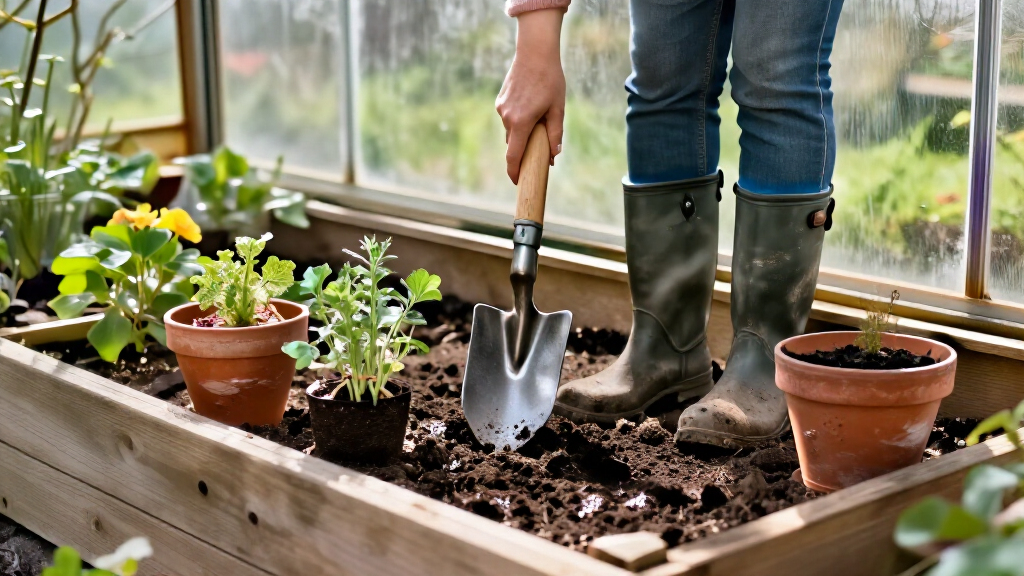
How We Picked
I compared the listed options by how clearly they serve a garden-planning need: flowering display, foliage interest, plant form, scale, or regional inspiration. I gave the strongest placement to plants with a recognizable landscape role and useful distinctions from the rest of the lineup, rather than treating every listing as an interchangeable novelty. That puts Double Play Doozie Spirea first as a broadly useful flowering shrub, with the evergreen character of Purple Daydream Loropetalum and the repeat-bloom appeal of Autumn Bonfire Encore Azalea providing different alternatives.
I also weighed the practical limits buyers should resolve before ordering: container size is not mature size, climate suitability varies, and bulbs, shrubs, and trees carry different establishment and care demands. The regional guides are included for their planning value, but they rank below named plants for shoppers seeking a specific live specimen. Since the supplied listings do not establish detailed growing conditions or verified performance, I avoid treating any plant as suitable for every region or promising particular results; buyers should check local hardiness and seller growing information.
Factors to Consider When Choosing Best New Garden Plants
Choosing among these plants is less about finding one universal winner and more about matching a plant’s role to your site and how you want the garden to change over time. I would settle the following questions before ordering.
Match the Plant to Your Climate and Site
A plant’s name and sales listing do not replace checking its hardiness range against your local winters and summer conditions. Sun exposure, drainage, wind, and reflected heat from walls can also affect how well a plant settles in. Regional guides for Illinois, Tennessee, and New England can help generate locally relevant ideas, but they are not guarantees for every microclimate within those regions. A common mistake is to select by flower color first and check site fit afterward. Compare the seller’s growing guidance with local extension or nursery advice before placing an order. If your site is marginal, favor a plant with a confirmed fit over a novelty that asks you to provide special protection.
Plan for Mature Size, Not Shipping Pot Size
A one-gallon or two-gallon container describes the plant as offered, not the space it will occupy later. Shrubs such as spirea, nandina, loropetalum, and Rose of Sharon can have very different mature shapes and pruning needs, so check dimensions before deciding how close to a path or building to plant. A Jane Magnolia also represents a longer-term tree commitment, unlike a compact bulb planting. Crowding plants to make a new bed look finished can lead to repeated pruning or removal. Map the mature width as well as height, and leave room for airflow and access. If space is limited, a compact-form plant may be a better fit than choosing a larger shrub and trying to hold it small.
Choose the Kind of Interest You Want
Flowering shrubs, evergreen foliage, bulbs, and perennials contribute to a garden in different ways. Loropetalum is the foliage-led choice in this lineup, while the azalea, spirea, Rose of Sharon, and Japanese anemone focus more on flowers. Oxalis bulbs offer a smaller-scale planting option and can suit containers as well as garden beds, depending on local conditions. Avoid building a garden around a single short flowering window if year-round structure matters to you. Pair plants with different seasons or forms, and check bloom timing for your region rather than assuming it will match a national description. Decide whether you want a focal point, a repeating border plant, or a seasonal accent before comparing varieties.
Compare Establishment and Ongoing Care
New plants need attention as they establish, but their longer-term upkeep can vary by plant type and site. Bulbs, shrubs, a tree, and a container-grown perennial do not all have the same planting depth, watering routine, or pruning schedule. Ask whether the plant needs regular shaping, deadheading, winter protection, or particular soil conditions before buying. The largest container is not automatically the easiest choice; it may simply require more planting space and a different approach to establishment. Beginners can reduce uncertainty by choosing a plant whose care instructions fit the time they can give it. Avoid relying on broad labels such as “low maintenance” without checking the specific growing guidance.
Use Regional Guides as Planning Tools, Not Plant Substitutes
The Illinois, Tennessee, and New England entries are guides, not named live plants, so they answer a different shopping question from the other eleven listings. They may help narrow a regional palette or prompt ideas for a climate-specific bed, but they do not provide the same direct comparison of container, form, and variety. If you already know the plant role you need, compare the named options and confirm their suitability locally. If you are starting from a blank plan, a regional guide may be a better first step than ordering a plant based on appearance alone. Check what each guide actually contains before treating it as a substitute for a live-plant listing. This distinction matters when comparing a resource with a physical plant purchase.
Spend More Only When the Difference Solves a Real Need
Plant size, variety, and the seller’s shipping and replacement terms can affect the value of an order, but a larger pot does not guarantee a better garden fit. Paying for a more developed specimen may make sense when you want a stronger immediate presence and have room for it. Smaller plants or bulbs can be a sensible route for filling a large area gradually, provided you are comfortable waiting for growth. Before ordering, compare the named variety, container size, expected mature dimensions, and delivery condition policy. Be cautious about choosing a premium option for a feature you do not need, such as a larger specimen for a bed where gradual establishment is acceptable. Spend on the trait that matters to your plan, not on the listing’s most prominent specification.
Frequently Asked Questions
Which plant in this roundup is the best starting point for a mixed shrub border?
Double Play Doozie Spirea is my strongest starting point if you want a named flowering shrub with a clear landscape role. It sits ahead of the bulbs and smaller-scale options because it is intended as a shrub, while the loropetalum offers a better contrast if evergreen foliage is your priority. Before buying, confirm mature dimensions and local climate fit so the border does not become crowded. A mixed border usually benefits from different plant forms and flowering periods rather than several shrubs chosen for the same feature. Use the spirea as one element in a broader plan, not as a complete planting scheme.
Should I choose Blue Chiffon or Dark Lavender Chiffon Rose of Sharon?
Both listings are Rose of Sharon shrubs, so the most visible distinction provided here is flower color: Blue Chiffon versus Dark Lavender Chiffon. Choose based on how the color will work with nearby plants and the effect you want in the bed, rather than assuming one has a different care profile. The listings do not provide enough verified detail to claim a meaningful difference in hardiness, mature size, or maintenance. Check the seller’s plant specifications and local suitability for both before choosing. If those details match, color preference can reasonably make the decision.
Are the Illinois, Tennessee, and New England entries live plants?
No; those three entries are titled as garden-plant guides, not individual live-plant listings. They are better suited to readers seeking regional ideas than to someone ready to choose a specific shrub, bulb, or tree. Check each listing’s contents and format before ordering, since the title alone does not establish what is included. For a physical planting, compare the named plant listings and verify their growing requirements for your location. The guides can still help shape a plant list, but they should not be ranked like a one-gallon specimen.
Is a one-gallon plant a better choice than a two-gallon shrub?
Not automatically: container size is only one part of the purchase, and the right choice depends on available space, desired impact, and planting plans. The roundup includes both one-gallon shrubs and two-gallon shrubs, but it does not establish that the larger container will grow better in every garden. A bigger specimen may provide more immediate presence, while a smaller one may be easier to place or more suitable for gradual planting. Compare the plant’s mature dimensions and care instructions, not just the container label. Also review shipping and delivery details, since the condition on arrival affects the first stage of establishment.
Which option makes the most sense for a small garden or container?
Purple Oxalis triangularis bulbs are the most clearly small-scale option in this selection because the listing describes them for indoor or outdoor planting. That makes them worth investigating for containers, though local conditions and the seller’s instructions still matter. The compact loropetalum listing may also be relevant for a smaller landscape space, but confirm its mature dimensions before planting. Avoid assuming that a young shrub will remain small just because it arrives in a one-gallon pot. For a balcony or tight patio, favor verified mature-size information and container-care guidance over appearance alone.
Conclusion
For a general flowering-shrub pick, I rank Double Play Doozie Spirea as best overall because it has a clear landscape role and stands apart from the foliage-led and bulb options. The roundup does not provide enough price information to name a defensible best-value or best-premium purchase; I would judge value by verified plant size, seller terms, and fit for your site. Best for beginners is the option whose climate and care requirements you can confirm locally, rather than a plant selected on looks alone. Choose Purple Daydream Loropetalum for evergreen foliage, Autumn Bonfire Encore Azalea if repeat-season flowering is your priority, and the Oxalis bulbs for a smaller-scale planting. For regional planning, start with the Illinois, Tennessee, or New England guide that matches your location, then verify any specific plant before ordering.
Fall Picks
fall essentials
As an affiliate, we earn on qualifying purchases.