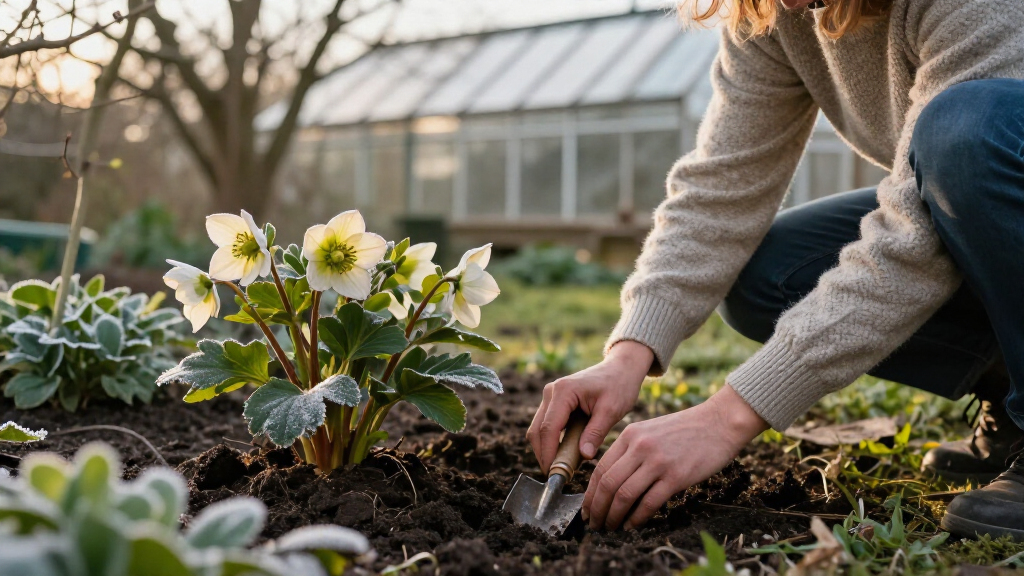

The best winter flowers for gardens depend on whether you want quick color, early bulbs, or plants that return across seasons. I’d put live Lenten rose plants first for dependable, established winter interest, while snowdrops stand out for early bulb color and pansies for flexible beds and containers. Seeds can cover more ground, but they take patience and suitable growing conditions; live plants and bulbs cost you less growing time but offer less choice over placement and timing. Climate, shade, and how much work you want to take on matter as much as flower color. Read on for the full comparison and help matching each option to your garden.

Get garden gear delivered free with Prime
- Fast, free delivery on millions of items
- Prime Video, Amazon Music and more included
- Member-only deals all year
Complete the kit


Key Takeaways
- Established plants beat seed packets for quicker garden impact: the 3-pack of Lenten roses arrives as potted plants, while hellebore and camellia seeds need time and careful growing conditions.
- Snowdrops and winter aconite fill different early-season roles: snowdrop bulbs offer a larger bag for naturalizing, while aconite bulbs suit gardeners seeking a small, early-blooming accent.
- Pansies offer the widest choice of format: buyers can choose live plants, mixed seeds, or a winter-flowering seed mix depending on whether they value speed, variety, or growing from seed.
- Large seed counts do not guarantee an easy display: the 5,000-count snapdragon and Sweet William packets can cover broad areas, but they call for more planning and follow-through than a small live-plant pack.
- Winter interest is not one-size-fits-all: shade-oriented cineraria, evergreen wintergreen, and flowering bulbs serve different garden conditions, so matching the plant to the site matters more than choosing a large packet.
| 200+ Giant Perennial Mixed Pansy Seeds for Outdoor Garden |  | Best for Fragrant Winter Color | Seed quantity: 200+ seeds | Flower size: Up to 4 inches | Flower colors: Mixed | VIEW LATEST PRICE | See Our Full Breakdown |
| Outsidepride Snowflake Snapdragon Seeds, 5,000 Count |  | Best for Tall Cut Flowers | Seed count: 5,000 | Plant type: Annual | Flower color: White | VIEW LATEST PRICE | See Our Full Breakdown |
| Kings Seeds Winter-Flowering Mixed Pansy Seeds, 100 Count |  | Best for Planned Winter Color | Seed count: 100 | Plant type: Pansy | Flower colors: Mixed | VIEW LATEST PRICE | See Our Full Breakdown |
| 1000 Pieces Cineraria Flower Seeds, Winter to Spring Blooming, 10-20 Days Germination, Indoor Pots and Shade Gardens |  | Best for Cool, Shady Spots | Package quantity: 1,000 seeds | Germination time: 10–20 days | Blooming season: Winter to spring | VIEW LATEST PRICE | See Our Full Breakdown |
| Gaultheria procumbens (Wintergreen) Evergreen Plant, #1 Container |  | Best for Evergreen Winter Structure | Plant type: Evergreen ground cover | Mature size: 3–6 inches high × 6–12 inches wide | Container size: #1 container | VIEW LATEST PRICE | See Our Full Breakdown |
| Winter Aconite Flower Bulbs, Eranthis cilicica, 10 Bulbs |  | Best for Naturalizing at the Front of Shady Borders | Quantity: 10 bulbs | Plant type: Hardy perennial flower | Height: 4–6 inches | VIEW LATEST PRICE | See Our Full Breakdown |
| Outsidepride Sweet William Dianthus Seeds – 5000 Pcs, Perennial Wildflower for Pollinator Gardens and Landscaping |  | Best for Pollinator Gardens Beyond Winter | Seed quantity: 5,000 pieces | Plant type: Perennial Dianthus | Blooming period: Late spring to early summer; listing also specifies summer to fall | VIEW LATEST PRICE | See Our Full Breakdown |
| 100 Mixed Helleborus Flower Seeds |  | Best for Patient Seed Growers with Shady Beds | Quantity: 100 seeds | Plant type: Perennial | Bloom season: Winter and early spring | VIEW LATEST PRICE | See Our Full Breakdown |
| Cool Season Flower Seeds for Planting – Survival Garden Seeds |  | Best Variety Mix for Cool-Season Succession | Number of varieties: 10 | Seed quantity: 10 pieces listed | Planting season: Spring to fall | VIEW LATEST PRICE | See Our Full Breakdown |
| Mixed Lenten Rose (Hellebore) Plants, 3-Pack, 2.5-Inch Pots |  | Best Ready-Grown Choice for Shady Winter Color | Plant: Lenten rose (Helleborus) | Quantity: 3 plants | Pot size: 2.5 inches | VIEW LATEST PRICE | See Our Full Breakdown |
| Pansy – Grower’s Choice Assorted Colors (4 Pack), Live Winter Flowering Annual in 1 Pt Pot |  | Best Ready-to-Plant Winter Color | Plant type: Live annual pansy | Quantity: 4 plants | Expected height: 9 inches | VIEW LATEST PRICE | See Our Full Breakdown |
| CarpetC199 Pansy Seed Mix for Gardens and Containers |  | Best for Cold-Hardy Seed Starting | Seed count: 199 | Plant type: Annual | Bloom season: Spring, summer, and fall | VIEW LATEST PRICE | See Our Full Breakdown |
| Mixrug 20+ Mixed Camellia Seeds for Planting |  | Best for Evergreen Winter Structure | Seed quantity: 20+ | Plant type: Evergreen flowering shrub | USDA hardiness zones: 7–10 | VIEW LATEST PRICE | See Our Full Breakdown |
| Garden State Bulb White Single Snowdrop (Galanthus) Bulbs, 7+ cm, Bag of 50 |  | Best for Naturalizing a Cold-Climate Garden | Quantity: 50 bulbs | Bulb size: 7+ cm circumference | Color: White | VIEW LATEST PRICE | See Our Full Breakdown |
| winter flowers for garden | Plant type |
|---|---|
| 200+ Giant Perennial Mixed Pan | — |
| Outsidepride Snowflake Snapdra | Annual |
| Kings Seeds Winter-Flowering M | Pansy |
| 1000 Pieces Cineraria Flower S | — |
| Gaultheria procumbens | Evergreen ground cover |
| Winter Aconite Flower Bulbs | Hardy perennial flower |
| Outsidepride Sweet William Dia | Perennial Dianthus |
| 100 Mixed Helleborus Flower Se | Perennial |
| Cool Season Flower Seeds for P | — |
| Mixed Lenten Rose | — |
| Pansy | Live annual pansy |
| CarpetC199 Pansy Seed Mix for | Annual |
| Mixrug 20+ Mixed Camellia Seed | Evergreen flowering shrub |
| Garden State Bulb White Single | — |
More Details on Our Top Picks
200+ Giant Perennial Mixed Pansy Seeds for Outdoor Garden
For a winter garden that needs bold color rather than subtle ground cover, these pansies have the strongest visual impact in this group. Their flowers can reach 4 inches, and the mix is described as sweetly scented, giving them an advantage over the compact, berry-focused Gaultheria procumbens. They are intended to flower through fall, winter, and spring in USDA zones 6–9, making them a better fit for mild-winter gardens than the broadly hardy Snowflake snapdragons, which flower from spring through fall rather than winter. The tradeoff is climate sensitivity: colder regions may need to protect the plants, and a mixed seed packet cannot guarantee specific flower shades. Choose these for seasonal color in beds or containers, not for dependable winter performance in every climate.
Pros:- Large blooms, up to 4 inches across, stand out in beds and containers.
- Cool-season flowering can extend color from fall through spring.
- Sweet fragrance adds another sensory feature to outdoor plantings.
- Cold tolerance is suited to USDA zones 6–9.
Cons:- Winter performance may require protection in colder regions.
- The listed zone range does not suit every climate.
- Mixed seed colors can vary from the shades a gardener expects.
Best for: Gardeners in USDA zones 6–9 who want large, fragrant blooms in winter beds or containers and are happy with mixed flower colors.
Not ideal for: Gardeners in colder regions seeking unprotected winter blooms, or anyone who needs a specific flower color.
- Seed quantity:200+ seeds
- Flower size:Up to 4 inches
- Flower colors:Mixed
- Growing season:Fall, winter, and spring
- Fragrance:Sweetly scented
- Cold tolerance:USDA zones 6–9
Our verdict“Pick these pansies for large, fragrant winter color in a suitable mild climate; choose Gaultheria procumbens instead for evergreen foliage and persistent berries.”
Outsidepride Snowflake Snapdragon Seeds, 5,000 Count
These white snapdragons make the most sense for gardeners who value tall stems and pollinator visits more than flowers at the heart of winter. Plants can reach 3 feet tall, offering height and cut-flower material that the low-growing Kings Seeds Winter-Flowering Mixed Pansies do not provide. The stated bloom window, however, is mid-spring through fall, so this is a supporting choice for a winter-flower garden rather than a true winter bloomer. Its 5,000-seed packet suits large beds or repeated sowings, but that scale calls for room: spacing is listed at 12–18 inches. Full sun is required for flowering, and seeds need moist soil while germinating. Compared with the shade-tolerant Cineraria listing, these are better for sunny, upright displays, but they will not fill a shaded winter corner.
Pros:- Plants grow up to 3 feet, adding height and useful cut stems.
- White blooms attract bees and hummingbirds.
- The 5,000-seed quantity suits extensive beds or multiple sowings.
- Listed for USDA zones 3–9.
Cons:- The bloom period runs from spring through fall, not winter.
- Full sun is needed for flowering.
- Seeds need consistently moist soil until germination.
Best for: Gardeners with sunny beds who want tall white stems for cutting, pollinator interest, and a large seed supply for broad plantings.
Not ideal for: Buyers seeking blooms during winter itself, or gardeners with shaded plots and limited planting space.
- Seed count:5,000
- Plant type:Annual
- Flower color:White
- Expected height:Up to 3 feet
- Bloom period:Mid-spring through fall
- Sunlight:Full sun
- USDA hardiness zones:3–9
- Spacing:12–18 inches
- Germination time:10–21 days
Our verdict“Choose these for sunny, tall cut-flower displays that lead into winter, not as your main source of midwinter blooms.”
Kings Seeds Winter-Flowering Mixed Pansy Seeds, 100 Count
The clearest selling point here is a specific sowing plan: sow in July for winter and spring flowers. That makes these mixed pansies a practical option for gardeners who are willing to prepare ahead, unlike the ready-to-plant Gaultheria procumbens, which offers foliage and berries without a seed-starting schedule. At approximately 15–20 cm tall, they suit low borders and smaller beds, though they will not provide the dramatic scale of the 4-inch blooms listed for the Giant Perennial Mixed Pansies. The packet includes growing instructions, a welcome aid for timing sowing, but the stated July window leaves less flexibility if a gardener misses it. Full sun and sandy soil are listed, so this is not the strongest match for shaded sites or gardeners wanting a broad planting-condition range.
Pros:- Listed to bloom in winter and spring.
- Compact 15–20 cm height suits borders and smaller garden spaces.
- Mixed colors bring variety to a seasonal display.
- Growing instructions are included with the packet.
Cons:- The specified July sowing period limits timing flexibility.
- Full sun is listed, making it a poor fit for shaded gardens.
- A 100-seed packet offers less planting scale than the 200+ Giant Perennial Mixed Pansy Seeds.
Best for: Gardeners who can sow in July and want compact, mixed-color pansies for planned winter and spring displays.
Not ideal for: Gardeners who miss the specified sowing window, need shade-tolerant flowers, or want a mature plant rather than seeds.
- Seed count:100
- Plant type:Pansy
- Flower colors:Mixed
- Blooming season:Winter and spring
- Sowing period:July
- Expected height:Approximately 15–20 cm
- Sunlight exposure:Full sun
- Soil type:Sandy soil
- Hardiness zone:Zone 3
Our verdict“Choose these if you can sow in July and want compact winter color; pick the giant pansies for larger flowers and a bigger seed quantity.”
1000 Pieces Cineraria Flower Seeds, Winter to Spring Blooming, 10-20 Days Germination, Indoor Pots and Shade Gardens
Among these seed options, this Cineraria listing is the one aimed at cool, partially shaded conditions, making it a contrast to the full-sun Snowflake snapdragons and Kings Seeds pansies. Its winter-to-spring bloom window and stated suitability for indoor pots give it flexibility for gardeners without a sunny outdoor bed. The packet contains 1,000 seeds, and germination is listed at 10–20 days, though a large seed count does not by itself guarantee a successful display. One specification needs particular caution: the stated expected height of 30 feet is not a realistic planning figure for typical garden or pot use, so I would not choose it on the basis of that claim. The cool, shaded preference also narrows where it is likely to suit; sunny, hot sites are a poor match.
Pros:- Listed to bloom from winter to spring.
- Cool temperatures and partial shade suit less sunny garden areas.
- Suitable for indoor pots as well as outdoor planting.
- Germination is listed at 10–20 days.
Cons:- The stated 30-foot expected height is an unreliable basis for garden planning.
- Cool, partially shaded conditions limit site flexibility.
- A large seed count may be more than a small garden or pot grower needs.
Best for: Gardeners with cool, partially shaded beds or indoor pots who want a winter-to-spring flowering seed option.
Not ideal for: Gardeners planning a sunny, warm planting or anyone who needs dependable, clearly stated mature dimensions before planting.
- Package quantity:1,000 seeds
- Germination time:10–20 days
- Blooming season:Winter to spring
- Planting conditions:Cool temperatures, partial shade
- Expected plant height:Listed as 30 feet
- Soil type:Well-draining, adaptable
- Moisture needs:Medium moisture; drought tolerant
- Indoor/outdoor use:Indoor pots and outdoor planting
Our verdict“Choose this Cineraria listing for a cool, shady winter display if you can accommodate uncertainty around its stated mature height.”
Gaultheria procumbens (Wintergreen) Evergreen Plant, #1 Container
Unlike the pansies and seed-grown flowers in this lineup, Gaultheria procumbens offers year-round foliage and persistent red berries, so its winter interest does not depend on flowering at the right moment. The fully rooted #1-container plant is ready to plant, making it a more direct route to garden coverage than starting the Kings Seeds pansies from seed. At just 3–6 inches tall and 6–12 inches wide, it works as a low ground cover rather than a statement flower; its white flowers are only one part of the appeal. Shade tolerance also sets it apart from the full-sun snapdragons. The tradeoff is scale: covering a broad area may take multiple plants, and planting on arrival depends on suitable weather. Choose it for shaded structure and berries, not a mass of colorful winter blooms.
Pros:- Evergreen foliage and persistent red berries provide winter interest beyond the flowering season.
- Fully rooted in a #1 container and ready to plant when conditions allow.
- Tolerates full shade to partial sun.
- Compact growth works as a low ground cover.
Cons:- Small mature dimensions may require multiple plants for broad coverage.
- White flowers are less visually showy than the large pansy blooms.
- Planting on arrival depends on suitable weather.
Best for: Gardeners who want a rooted, low evergreen ground cover with winter berries for a shaded or partly sunny site.
Not ideal for: Gardeners seeking large, colorful winter flowers, fast coverage over a broad area, or a plant that can be planted regardless of weather.
- Plant type:Evergreen ground cover
- Mature size:3–6 inches high × 6–12 inches wide
- Container size:#1 container
- USDA hardiness zones:3–8
- Sunlight exposure:Full shade to partial sun
- Soil type:Loam
- Soil moisture:Moderate watering
- Flowers:White
- Fruit:Persistent red berries, listed as edible
Our verdict“Choose Wintergreen for dependable foliage and berries in a shaded garden; select pansies instead when colorful winter blooms are the priority.”
Winter Aconite Flower Bulbs, Eranthis cilicica, 10 Bulbs
Winter aconite earns its place for early yellow color in a compact planting, reaching just 4–6 inches tall. Unlike the Mixed Lenten Rose plants, which provide evergreen foliage and taller blooms, this pick is mainly about a low carpet of flowers that can gradually form clusters over time. Its hardy perennial habit and modest maintenance suit borders, woodland-style beds, and containers where a small-scale display fits better than a tall focal point.
The tradeoff is patience and light placement. The listing describes a preference for partial shade but gives full sun as the sunlight specification, so I would check the chosen spot rather than assume either condition will suit every garden. Ten bulbs also make a modest starting group, and naturalizing is gradual rather than fast. Choose it for understated early color, not an immediate, expansive sweep of blooms.
Pros:- Bright yellow blooms bring early-season color
- Low 4–6-inch height suits border edges and containers
- Hardy perennial bulbs can return year after year
- Low-maintenance planting can gradually form clusters
Cons:- Listed full-sun exposure conflicts with the description’s partial-shade guidance
- Ten bulbs create a limited initial display
- Naturalizing takes time rather than quickly filling an area
Best for: Gardeners who want short, hardy yellow flowers to establish gradually along a partly shaded border or in a compact container planting
Not ideal for: Buyers seeking an instant mass display or a plant with unambiguous, all-day sun requirements
- Quantity:10 bulbs
- Plant type:Hardy perennial flower
- Height:4–6 inches
- Blooming period:Winter and spring
- Sunlight exposure:Full sun listed; description also recommends partial shade
- Moisture needs:Moderate watering
- Color:Yellow-green
Our verdict“Choose these bulbs for a patient, low-growing yellow display, but skip them if you need fast coverage or a clearly specified light preference.”
Outsidepride Sweet William Dianthus Seeds – 5000 Pcs, Perennial Wildflower for Pollinator Gardens and Landscaping
Sweet William is the warm-season supporting act in a winter-flower garden, not a source of winter blooms: its stated flowering window is late spring to early summer, while the listing also gives summer to fall. That makes it a useful companion to winter-focused choices such as the Mixed Lenten Rose plants, extending the garden’s color and pollinator appeal after cold-season flowers fade. A 5,000-piece seed supply and hardiness across Zones 3–9 suit gardeners planning a broad wildflower or landscaping area rather than a small, immediate display.
Its limitations are timing and siting. Full sun is listed, and plants may need support where wind catches their roughly two-foot stems. The drought-tolerant description suggests less routine watering once established, but it does not solve the lack of winter bloom. I would choose this for seasonal succession and pollinator planting, not as a substitute for hellebores or other flowers that open in winter.
Pros:- Large 5,000-piece seed quantity suits broad planting projects
- Hardiness range covers USDA Zones 3–9
- Flowers attract bees and butterflies
- Drought-tolerant description suits lower-water landscape plans
Cons:- Blooms in late spring to summer or fall, not winter
- Full-sun requirement limits suitable planting locations
- Upright growth may need support in windy areas
Best for: Gardeners in Zones 3–9 who want to sow a large sunny pollinator or wildflower area and add flowers after the winter season
Not ideal for: Anyone choosing plants mainly for winter flowers, or gardeners without a sunny planting site
- Seed quantity:5,000 pieces
- Plant type:Perennial Dianthus
- Blooming period:Late spring to early summer; listing also specifies summer to fall
- Sunlight exposure:Full sun
- USDA hardiness zones:3–9
- Expected height:2 feet
- Plant spacing:8–12 inches
Our verdict“Pick Sweet William to extend a sunny pollinator garden after winter, not to provide flowers during the coldest months.”
100 Mixed Helleborus Flower Seeds
These hellebore seeds target winter and early-spring blooms in the shade, a strong seasonal and site match for gardens where full-sun picks like Outsidepride Sweet William are less suitable. A hundred seeds offer room to try more than one planting, and the perennial habit can reward successful establishment with flowers in future seasons. Compared with the ready-grown Mixed Lenten Rose plants, however, this is a slower, more hands-on route: the plants are not supplied at an established stage.
Cold stratification is the main commitment. Seeds need around 6–8 weeks near 40°F, and germination may take several weeks to months, so this is not a quick fix for a bare winter border. Rich, well-drained soil and consistent moisture are part of the stated growing guidance. I would choose these for the lower upfront commitment of raising plants from seed and the satisfaction of propagation, while buyers wanting a faster garden display should favor the potted hellebores.
Pros:- Winter and early-spring bloom timing fits a cold-season garden
- Partial-to-full-shade requirements suit shaded beds
- Perennial plants can return in later years
- One hundred seeds allow multiple sowing attempts
Cons:- Requires cold stratification for 6–8 weeks
- Germination can take several weeks to months
- Consistent moisture and well-drained, rich soil require attention
Best for: Patient gardeners with shaded outdoor beds who are comfortable cold-stratifying seeds and waiting for germination
Not ideal for: Gardeners who need established winter flowers soon or prefer not to manage stratification and lengthy germination
- Quantity:100 seeds
- Plant type:Perennial
- Bloom season:Winter and early spring
- Light requirements:Partial to full shade
- Soil:Rich, well-drained
- Cold stratification:Around 40°F for 6–8 weeks
- Germination time:Several weeks to months
Our verdict“Choose these hellebore seeds if you have shade and patience; buy the potted Mixed Lenten Rose plants instead for a quicker start.”
Cool Season Flower Seeds for Planting – Survival Garden Seeds
This ten-variety mix is the broadest seasonal palette here, combining flowers such as pansy, calendula, alyssum, and snapdragon with other cool-season selections. Its spring-to-fall planting and bloom window can extend color across more of the year than the Winter Aconite bulbs, which focus on a small early-season display. Heirloom, non-GMO, untreated seeds also suit gardeners who want a mixed planting for beds, borders, or containers rather than a single flower type.
It is not a dedicated winter-flowering set. The listed bloom period spans spring to fall, and full sun is specified, so shaded winter beds are better served by the hellebore options. The package lists ten pieces despite containing ten varieties, leaving the amount available per variety unclear from the supplied data. Moderate watering may also take regular attention in dry spells. I would choose it for variety and cool-season succession, not guaranteed winter color.
Pros:- Mix includes ten varieties, including pansy, calendula, and snapdragon
- Spring-to-fall planting and bloom window supports seasonal succession
- Heirloom, non-GMO, and untreated seed features
- Suitable for gardens, borders, and containers
Cons:- Bloom window does not promise winter flowers
- Full-sun listing limits use in shaded winter beds
- Ten-piece quantity is listed without a per-variety breakdown
- Moderate watering can require attention in dry conditions
Best for: Gardeners with sunny beds or containers who want a varied mix for spring-through-fall planting and pollinator interest
Not ideal for: Buyers who need reliable winter blooms, garden in full shade, or want a clearly stated large seed quantity for each variety
- Number of varieties:10
- Seed quantity:10 pieces listed
- Planting season:Spring to fall
- Expected blooming period:Spring to fall
- Sunlight exposure:Full sun
- USDA hardiness zones:3–9
- Expected plant height:18 inches
- Seed features:Heirloom, non-GMO, untreated
Our verdict“Choose this mix for varied cool-season color across spring to fall, but select hellebores or winter aconite when winter bloom is the priority.”
Mixed Lenten Rose (Hellebore) Plants, 3-Pack, 2.5-Inch Pots
These three potted hellebores are the most direct route to winter flowers among the products in this group. They arrive as plants rather than seeds, which makes them a more immediate garden choice than the 100 Mixed Helleborus Flower Seeds, with no cold-stratification step or uncertain germination period. Their evergreen foliage also gives shady beds structure when flowers are not in bloom, and the 18–24-inch mature height creates more presence than the 4–6-inch Winter Aconite bulbs.
The cost of that convenience is limited control. Flower colors are mixed and cannot be selected, and 2.5-inch pots mean these are still young plants rather than large, instant specimens. The listing recommends Zones 4–9 and full to partial shade, narrowing their climate and site fit compared with the wider-zone Sweet William seeds. Extreme shipping temperatures may damage plants, so I would favor this set when shade, winter timing, and established plants matter more than custom colors or immediate mature size.
Pros:- Plants can bloom in winter or early spring
- Evergreen foliage remains attractive year-round
- Full-to-partial-shade tolerance suits shaded gardens
- Three plants provide a ready-grown start compared with seed propagation
Cons:- Mixed flower colors cannot be selected
- Small 2.5-inch pots mean plants need time to reach mature size
- Extreme shipping temperatures may damage plants
Best for: Gardeners in Zones 4–9 who want ready-grown, evergreen flowering plants for a shaded winter or early-spring border
Not ideal for: Buyers who need a specific flower color, live outside Zones 4–9, or expect large mature plants on arrival
- Plant:Lenten rose (Helleborus)
- Quantity:3 plants
- Pot size:2.5 inches
- Hardiness zones:4–9
- Light:Full shade to partial shade
- Mature height:18–24 inches
- Foliage:Evergreen
Our verdict“Choose this set for ready-grown winter color and evergreen foliage in a shaded Zone 4–9 garden, provided mixed colors suit your plan.”
Pansy – Grower’s Choice Assorted Colors (4 Pack), Live Winter Flowering Annual in 1 Pt Pot
Four live plants make this the quickest route to colorful containers or small garden spaces: unlike the CarpetC199 Pansy Seed Mix, these arrive as established pansies rather than a seed-growing project. Their compact size, assorted colors, and roughly 9-inch expected height suit patios and borders where immediate impact matters more than raising many plants from seed. They are described as winter flowering, but the listing specifies outdoor use in USDA Zone 6+, so gardeners in colder regions should not assume reliable winter blooms without local protection. They also need sun, moderate watering, and well-drained soil; the convenience of live plants comes with ongoing care and a shorter annual life cycle. Choose these for a small, visible display, not for broad, low-cost coverage.
Pros:- Four live plants offer a faster display than sowing pansy seeds.
- Assorted colors add variety to containers and small garden areas.
- Compact growth suits patios and limited planting space.
- Edible blooms offer an additional use beyond ornamental planting.
Cons:- Listed for outdoor use in USDA Zone 6+, limiting its fit for colder winter gardens.
- Needs full to partial sun and regular attention to moisture.
- Four plants are better suited to small displays than extensive borders.
Best for: Gardeners in USDA Zone 6 or warmer who want established, colorful pansies for a patio pot or a small border without starting seeds.
Not ideal for: Gardeners in colder zones seeking dependable exposed winter flowers, or anyone wanting enough plants to cover a large bed.
- Plant type:Live annual pansy
- Quantity:4 plants
- Expected height:9 inches
- Color:Assorted
- USDA hardiness zone:6+
- Sunlight:Full to partial sun
- Soil:Well-draining
- Moisture:Moderate watering
Our verdict“Choose this pack for quick, compact pansy color in a mild-zone container, but pick the CarpetC199 seed mix for a larger sowing project or broader cold-hardiness claims.”
CarpetC199 Pansy Seed Mix for Gardens and Containers
For gardeners willing to grow from seed, this mix offers a broader cold-climate case than the live Grower’s Choice Assorted Colors Pansies: it is listed for USDA Zone 3 and includes 199 seeds for borders or containers. The large, face-marked violet blooms bring the familiar pansy look, while its stated cold hardiness makes it a more relevant choice for gardens that see light frosts. That does not mean flowers are guaranteed through severe winter weather, and this is still an annual whose bloom timing depends on growing conditions. Plan on moderate watering and deadheading spent flowers to encourage continued bloom. Compared with ready-to-plant pansies, the tradeoff is clear: more potential plants and a wider zone listing, but extra time and care before the display fills in.
Pros:- A 199-seed count gives gardeners room to plant multiple containers or border sections.
- Listed for USDA Zone 3, making it a stronger cold-climate seed option than the live pansy pack.
- Large blooms with distinctive faces provide classic pansy color.
- Deadheading can encourage a longer flowering display.
Cons:- Seeds require time and care before flowers appear.
- Regular watering is needed to maintain growth.
- Deadheading spent flowers adds recurring garden work.
Best for: Seed-starting gardeners in cooler regions who want to raise a larger number of pansies for containers or borders.
Not ideal for: Buyers who need established flowers immediately or prefer a low-maintenance display without deadheading.
- Seed count:199
- Plant type:Annual
- Bloom season:Spring, summer, and fall
- USDA hardiness zone:3
- Sunlight:Full sun to partial shade
- Soil type:Loam
- Moisture:Moderate watering
- Growing locations:Indoor and outdoor
- Color:Violet
Our verdict“Pick this mix if you want to raise many pansies in a cooler zone and can manage seed starting and deadheading.”
Mixrug 20+ Mixed Camellia Seeds for Planting
These seeds take a different route to winter color from the roundup’s pansies and snowdrops: they are intended to grow into evergreen flowering shrubs, with winter-to-spring blooms and year-round foliage. That lasting structure is the main reason to choose camellias over the short-lived display of the Grower’s Choice Assorted Colors Pansies. The packet contains 20 or more seeds, but it does not provide the instant effect of buying established plants, and mature size varies widely at 4–12 feet. The listed USDA zones 7–10 also make these a poor fit for colder gardens, despite their winter flowering appeal. Expect a longer growing project with regular watering and a permanent planting footprint; choose this option for a suitable mild-zone garden, not a quick seasonal pot.
Pros:- Evergreen foliage keeps the planting visually present outside the bloom season.
- Winter-to-spring flowering adds seasonal interest beyond annual pansies.
- Mixed seeds offer the possibility of varied flower colors and forms.
- Can suit borders or containers when mature size and growing conditions are managed.
Cons:- The listed zone range of 7–10 excludes many colder winter gardens.
- Seed growing takes longer than planting established flowers or bulbs.
- Mature height varies from 4 to 12 feet, making final space needs uncertain.
Best for: Gardeners in USDA Zones 7–10 who want to raise evergreen flowering shrubs for lasting garden structure and winter-to-spring blooms.
Not ideal for: Gardeners in colder zones, or anyone seeking compact, immediate winter flowers without a long-term shrub commitment.
- Seed quantity:20+
- Plant type:Evergreen flowering shrub
- USDA hardiness zones:7–10
- Expected bloom season:Winter
- Sunlight exposure:Full sun
- Soil type:Sandy soil
- Moisture:Regular watering
- Mature height:4–12 feet, depending on variety
- Color:Mixed
Our verdict“Choose these seeds for a long-term evergreen shrub project in a mild climate, not for the quick, compact seasonal color offered by pansies.”
Garden State Bulb White Single Snowdrop (Galanthus) Bulbs, 7+ cm, Bag of 50
With 50 bulbs and a listed range of USDA Zones 3–9, these snowdrops suit gardeners who want a spreading spring display rather than a few container flowers. They grow to about 6 inches and fit pathways, woodland areas, and beds, where their early white blooms and pollinator appeal can provide a low-growing counterpoint to the taller, more permanent Mixrug Camellia Seeds. Snowdrops are not a shortcut to flowers this winter: the bulbs need to be planted in fall, and the stated blooming period is spring. That timing makes them a useful choice for the cold-season-to-spring garden, but a mismatch for anyone specifically seeking flowers in midwinter. They also need well-drained soil, so poorly drained planting spots can undermine the display.
Pros:- Fifty bulbs can create a fuller display than a small live-plant pack.
- Listed for USDA Zones 3–9, covering a wide range of cold-climate gardens.
- Six-inch height suits paths, woodland areas, and low borders.
- Flowers attract pollinators and are described as deer and rabbit resistant.
Cons:- Fall planting is required, so these are not an immediate seasonal display.
- The stated bloom period is spring rather than winter.
- Bulbs need well-drained soil to establish successfully.
Best for: Gardeners in USDA Zones 3–9 who can plant in fall and want a generous low-growing spring display for beds, paths, or woodland edges.
Not ideal for: Gardeners seeking flowers already blooming during winter, or those without a well-drained spot for fall-planted bulbs.
- Quantity:50 bulbs
- Bulb size:7+ cm circumference
- Color:White
- Planting period:Fall
- Blooming period:Spring
- Expected plant height:6 inches
- USDA hardiness zones:3–9
- Sunlight:Full sun or partial shade
- Soil type:Loam or clay; well-drained
Our verdict“Choose these snowdrops for a fall-planted, cold-hardy spring carpet, but skip them if your priority is flowers in the heart of winter.”

How We Picked
I compared these 14 options by how directly they meet the promise of winter garden interest, then weighed the form each buyer receives: seed, bulb, or established plant. I gave more weight to options with a clear winter-flowering role and a practical route to planting than to products whose success depends on a long growing period or specific conditions. I also considered garden use, including containers, shaded areas, naturalized beds, and larger plantings.
The ranking reflects the tradeoffs a gardener faces, not packet size alone. Live Lenten roses and pansies rank highly for buyers seeking a more direct path to visible flowers, while snowdrops stand out for bulb-based early color. Seed selections remain useful for gardeners willing to start earlier and manage germination, but they rank lower when the product information leaves more of the timing and growing outcome to the buyer. I also accounted for maintenance, versatility, and whether a product offers a distinct role compared with other picks.
Factors to Consider When Choosing Best Winter Flowers For Gardens
Winter-flowering plants vary in when they bloom, how quickly they establish, and what kind of garden space they suit. I’d start with your site and planting timeline, then choose the product format that fits your appetite for growing work.
Match the plant to your winter climate
“Winter flower” does not mean the same thing in every region: mild winters can support visible blooms for longer, while hard freezes may pause flowering or damage tender growth. Check the plant’s stated climate guidance and compare it with your local winter lows before choosing. A seed listing may describe a cool-season flower, but that does not guarantee it will bloom outdoors through severe cold. In colder areas, plant timing and protection can matter more than the number of seeds in a packet. If your winters fluctuate, choose a mix of options with different bloom windows rather than expecting one plant to provide color all season.
Choose seeds, bulbs, or live plants by timeline
Seeds are the most flexible way to start many plants, but they generally ask for more lead time, germination care, and patience before the garden looks filled in. Bulbs offer a defined planting unit and can naturalize in suitable sites, though their blooms arrive on a seasonal schedule rather than on demand. Live plants cost you less time in the early growing stages and suit gardeners who want a more immediate planting plan. A common mistake is buying seed late in the season and expecting flowers during the same winter. Work backward from your desired bloom period and follow the product’s sowing or planting instructions.
Read shade and light needs before choosing color
Winter sun can be limited by short days, tree cover, and buildings, so light exposure deserves attention before flower color. Some plants suit partial shade better than others, while many flowering options need a brighter site to perform well. Observe the intended bed through the day rather than relying on how sunny it looks in summer. Containers can help you place plants where they receive better light, but pots also expose roots to colder conditions than garden soil. When a site is shaded, favor products with guidance that fits that setting instead of trying to compensate with extra seed.
Plan for soil, drainage, and containers
Wet winter soil can be a bigger problem than cold for bulbs and many flowering plants, since poor drainage may lead to rot or weak establishment. Check whether the planting area holds water after rain and improve drainage or use a raised bed when needed. Containers give you control over placement, but they dry and freeze faster than ground beds, so they need closer attention. Seed packets also vary in how much space and bed preparation they demand; a high-count packet can be impractical for a small patio. Choose a quantity and format that match the area you can actually plant and maintain.
Think beyond the bloom period
Winter color is only one part of a planting’s value: evergreen foliage, repeat flowering, and suitability for pollinator or naturalized gardens can shape the longer-term payoff. Decide whether you want a seasonal display or a planting that contributes interest after flowers fade. Perennial choices may take longer to settle in, while annuals can deliver a more flexible one-season arrangement. Avoid treating a seed label’s perennial description as a promise of immediate return; establishment and local conditions affect persistence. For a layered bed, combine plants with different forms and bloom timing rather than relying on a single mass of one flower.
Set a realistic maintenance level
Seed-starting can involve sowing schedules, moisture checks, and thinning, while bulbs and potted plants shift the work toward planting depth, placement, and aftercare. Large seed counts are useful when you have room to sow and maintain a broad area, but they are not automatically better value for a small garden. Beginners may prefer fewer decisions and a clear planting format, especially when learning how their site handles winter. Experienced gardeners may welcome seeds for variety and coverage. Pick the option whose care routine fits your available time, not just the one with the most ambitious garden potential.
Frequently Asked Questions
Should I buy winter flower seeds or established plants if I want flowers this season?
If flowers this winter are the priority, established plants are generally the more direct route because they skip the early seed-starting stages. Seeds can be a better fit when you have time to sow on schedule and want to raise many plants or explore more varieties. Check the product’s planting calendar and bloom timing before buying, since sowing too late can push flowering into a later season. Even live plants need suitable weather and a compatible garden site. Choose seeds for planning flexibility, and live plants when reducing the time between purchase and planting matters most.
Can I plant winter flowers in containers instead of garden beds?
Yes, several kinds of winter flowers can be grown in containers, but the pot needs drainage and enough room for roots. Containers can make it easier to move plants toward available light or shelter them during harsh weather. They also lose heat and moisture faster than garden soil, so plants may need more monitoring during cold snaps. Before choosing a seed packet, check whether its quantity and intended growing area make sense for a pot. For a small patio, a few live plants or a modest seed mix may be easier to manage than a bulk packet.
Which option makes the most sense for a shaded winter garden?
Start by checking how much light the area receives in winter, when tree cover and short days can reduce sun further. The cineraria listing specifically points to shade gardens, making it a relevant option to investigate for that kind of site. Other flowers may prefer brighter conditions, so do not assume that any winter-flowering label means a plant will bloom well in deep shade. If the spot is especially dark, consider containers that can be moved to brighter areas. Follow the growing directions for the specific product and match them to the actual light at the planting site.
Are bulbs a better choice than seeds for early winter or late-winter color?
Bulbs can be a strong choice when you want a distinct early-season display and can plant them at the right time in suitable soil. Snowdrops and winter aconite are the bulb options in this roundup, while seed selections offer a broader range of flower types and planting approaches. Bulbs are not an instant fix: they need proper planting depth, drainage, and the right seasonal conditions before flowering. Seeds can take longer to establish, but they give you more control over how much area to sow. Choose bulbs for a defined seasonal accent and seeds when range or broad coverage matters more.
Is a large seed count a good reason to choose a winter flower packet?
A large count is useful only if you have enough room, time, and suitable conditions to raise the plants. Bulk snapdragon and Sweet William packets may suit broad beds or landscape planting, but a gardener with a few containers could end up with more seed than needed. Seed quantity also says little about how quickly flowers will appear or whether the variety matches your winter climate. Compare planting area, germination guidance, and bloom timing before focusing on count. For smaller spaces or a simpler start, a live plant pack or a smaller seed selection may be easier to use well.
Conclusion
For the broadest balance of winter color and a manageable start, I’d choose the 3-pack of mixed Lenten roses as the best overall option, while recognizing that site and climate still shape results. The best value for gardeners planning a larger sowing is a high-count seed option such as the snapdragon or Sweet William, provided you have room and are ready to grow from seed. For a best premium, established-plant experience, the potted Lenten roses are also the clearest fit in this lineup; for beginners who want a familiar, flexible flower, choose live pansies rather than starting with a bulk seed packet. For specific needs, I’d pick snowdrop bulbs for an early bulb display, cineraria for a shade-oriented planting, and wintergreen when evergreen foliage matters alongside seasonal interest. Match the choice to your light, climate, and timeline, and the right winter flower becomes much easier to identify.
Halloween Picks
halloween
As an affiliate, we earn on qualifying purchases.