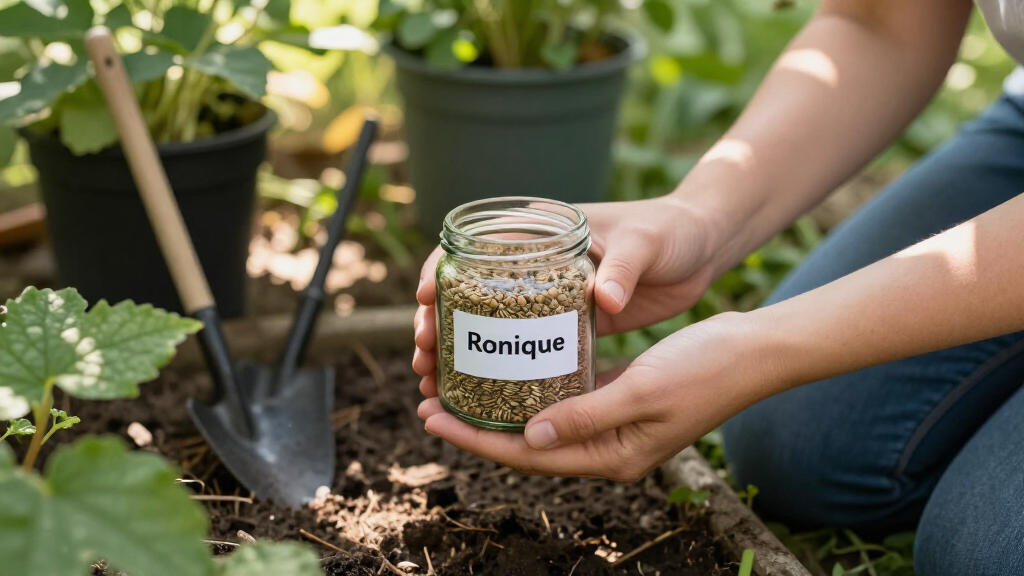

Choosing the best native plant seeds involves balancing factors like regional suitability, pollinator support, drought resistance, and ease of planting. The California Native Wildflower Mix stands out as the overall top pick for its adaptability and broad pollinator appeal. For those seeking high coverage with minimal effort, the Earthwise Western Wonders Mix offers excellent value. However, tradeoffs include differences in seed variety, cost, and planting requirements. Continue reading for a detailed breakdown of these options and what makes each one unique.

Get garden gear delivered free with Prime
- Fast, free delivery on millions of items
- Prime Video, Amazon Music and more included
- Member-only deals all year
Complete the kit


Key Takeaways
- The top-ranked options excel in regional adaptability and pollinator support, making them ideal for native planting projects.
- Drought-tolerant mixes are prevalent, but they often come with higher costs or limited plant variety compared to broader mixes.
- Bulk seed options provide high coverage at a lower price point but may require more effort to establish successfully.
- Specialized seeds like milkweed and purple prairie clover are best suited for specific ecological goals, such as butterfly gardens.
- Seed quantity and packaging size vary widely; buyers should consider their planting scale and storage needs before purchasing.


More Details on Our Top Picks
California Native Wildflower Mix Seeds – 30,000 Count, Drought-Adapted, Cool Season, Pollinator Habitat
This seed mix stands out for its high seed count and suitability for creating expansive native California wildflower landscapes. It offers a robust selection of native plants that support local pollinators, making it ideal for gardeners looking to establish a naturalized meadow. Unlike smaller seed packets, this mix provides enough seeds to cover large areas, but it requires fall planting to produce impressive spring blooms. Its non-GMO, untreated, and germination-tested status ensures quality, though planting within 15 months maximizes success. Compared to smaller mixes like the Earthwise Western Wonders, this option is better suited for larger projects but demands more initial planning and effort.
Pros:- High seed count for extensive coverage
- Native California plants supporting local pollinators
- Germination-tested and non-GMO for quality
- Easy to broadcast with included instructions
Cons:- Requires fall planting for best results
- Seeds are best used within 15 months of purchase
Best for: Gardeners planning extensive native plantings or restoration projects in California.
Not ideal for: Homeowners with small gardens or those seeking quick, immediate blooms without fall planting.
- Count:30,000 seeds
- Type:Wildflower mix
- Region:California Floristic Province
- Season:Cool season
- Drought-Adapted:Yes
- GMO-Free:Yes
- Untreated:Yes
- Germination Tested:Yes
Our verdict“This mix is best for large-scale native planting projects where quantity and native support are priorities.”
Earthwise Western Wonders Native Wildflower Seed Mix – 1 oz, 150 sq ft
This seed mix makes a compelling choice for dry, sunny gardens in Zones 5 and 6, supporting pollinators with minimal effort. Compared with the California Native Wildflower Mix, it is more suited to arid environments and requires less initial care once established. Its organic, chemical-free seed blend ensures a natural approach, but the need for initial watering during germination can be a drawback for those seeking a no-fuss solution. It’s ideal for gardeners who want native plants that thrive with little intervention, though it’s limited to specific climate zones, making it less suitable outside Zones 5 and 6.
Pros:- Supports pollinators and wildlife with nectar-rich flowers
- Drought tolerant and low maintenance
- Organic, non-GMO seed blend
- Suitable for Zones 5-6
Cons:- Requires initial watering during germination
- Best suited to well-drained, dry soils
Best for: Homeowners in dry, sunny regions with low water availability seeking native, low-maintenance plants.
Not ideal for: Gardeners in wetter climates or those expecting rapid germination without supplemental watering.
- Weight:1 oz
- Coverage:150 sq ft
- Zones:5-6
- Planting Season:Spring or late fall
- Seeding Rate:1 oz per 150 sq ft
Our verdict“Ideal for drought-prone gardens in Zones 5 and 6 looking for sustainable native plants with minimal fuss.”
Wildflower Seeds Bulk Mix – 10,000+ Perennial & Annual Seeds for Native Wildflowers
This large packet offers over 10,000 seeds from 25 wildflower varieties, making it perfect for creating colorful, pollinator-attracting meadows. Compared to the smaller California Native Wildflower Mix, it provides a broader diversity suitable for planting in Texas, California, or Florida. The mix’s diversity encourages a lively ecosystem, but success depends heavily on soil preparation and consistent watering—factors that can be a barrier for less experienced gardeners. Its ease of scattering makes it suitable for larger areas, though it might require patience and proper conditions for full bloom.
Pros:- Diverse wildflower varieties attract a wide array of pollinators
- Easy scatter planting with minimal maintenance
- Large seed quantity for extensive coverage
- Suitable for multiple native regions
Cons:- Requires good soil preparation for best results
- Growth success depends on weather and watering
Best for: Wildlife gardeners aiming to establish a vibrant native meadow with diverse species.
Not ideal for: Gardeners looking for a quick, low-effort planting or those with poor soil conditions.
- Seed Count:10,000+ seeds
- Packet Weight:30 grams (1 oz)
- Coverage Area:Approximately 100 sq ft
- Native Regions:Texas, California, Florida
Our verdict“This mix is best for those willing to invest in soil prep for a colorful, native meadow rich in pollinators.”
American Wildflower Seeds for Planting – 24 Variety Pack of Native Plants
This selection includes 24 native plant varieties like asters, coneflowers, milkweeds, and grasses, making it a versatile choice for ecological gardens. It offers a broader variety than the Native Wildflower Seeds Bulk Mix, making it suitable for gardeners seeking a more curated native garden that supports pollinators and birds. Its drought-tolerance and pest resistance simplify maintenance, but it requires suitable soil conditions and patience for full maturity. The lack of specific price info makes it harder to assess value, yet the diversity makes it appealing for ecological restoration and sustainable gardens.
Pros:- Supports pollinators, birds, and beneficial insects
- Drought-tolerant and pest-resistant
- Includes a wide variety of native species
- Non-GMO and untreated seeds
Cons:- Requires proper soil conditions and patience
- No specific price or germination rate provided
Best for: Gardeners wanting a curated, diverse native plant mix for ecological and pollinator gardens.
Not ideal for: Those seeking a quick, uniform bloom or with very poor soil conditions without amendments.
- Number of Varieties:24
- Includes:Asters, coneflowers, milkweeds, grasses
- Seed Type:Heirloom, non-GMO
- Origin:USA
Our verdict“This pack is suited for ecological gardeners who value diversity and native plant support for wildlife.”
Northeast Natives Mix – 16,000 Seeds for Planting – 2026 Season – 1 Ounce Pouch
This regional blend of 16,000 seeds is tailored for northeast climates, promising vigorous growth, cold tolerance, and blooms from spring through fall. Compared with the California-focused Wildflower Mix, it emphasizes local biodiversity and resilience. It’s best suited for gardeners with experience planting native species in colder regions, but lack of a specified germination rate might cause some uncertainty. The seed quantity is ample for large plots, though proper planting and care are essential to realize its potential. It’s less ideal for regions outside the northeast without adjustments.
Pros:- Large quantity of seeds for extensive native plantings
- Region-specific mix for local biodiversity
- Cold-tolerant and suitable for long-lasting blooms
- Freshly packaged for the 2026 season
Cons:- Requires proper planting and care
- No germination rate info provided
- May not perform well outside the northeast region
Best for: Native plant enthusiasts in northeastern climates aiming for a region-specific, resilient wildflower meadow.
Not ideal for: Gardening in warm or southern climates or those desiring quick results without region-specific seeds.
- Seeds Count:16,000
- Season:2026
- Pouch Size:1 ounce
- Native Blend:Yes
Our verdict“This mix appeals to native plant gardeners in the northeast seeking a regionally adapted, enduring wildflower display.”
Purple Prairie Clover Seeds for Planting – 1 Pack | Dalea purpurea, Drought-Tolerant North American Native Wildflower
This native wildflower stands out for its vibrant deep purple blooms and ecological benefits. Compared with the Spotted Joe Pye Weed, it offers a more compact height and is especially suited for xeriscaping due to its drought tolerance. However, it demands full sun and can self-seed aggressively, which might be a concern for gardeners seeking controlled growth. Its ability to fix nitrogen and attract pollinators makes it ideal for native plant enthusiasts aiming to restore prairie ecosystems or create butterfly gardens.
Pros:- Supports native pollinators like bees and butterflies
- Drought-tolerant and suitable for xeriscaping
- Easy to grow with clear planting instructions
Cons:- Requires full sun for optimal growth
- May self-seed aggressively in some gardens
Best for: Gardeners focused on drought-tolerant landscapes, prairie restoration, or butterfly habitats who want low-maintenance, native wildflowers
Not ideal for: Gardeners with shaded areas or those seeking plants with restrained growth, as this species requires full sun and may self-seed widely
- Plant Type:Wildflower Seeds
- Quantity:1 Pack
- Planting Zones:3-8
- Bloom Time:June to August
- Height:1-3 feet
- Features:Drought-tolerant, native, pollinator-friendly, deer resistant
Our verdict“This pick makes the most sense for native plant enthusiasts wanting a resilient, pollinator-friendly wildflower for sunny, low-water gardens.”
HOME GROWN Common Milkweed Flower Seeds for Planting – 150 Seeds (0.8g), Pink Blooms, Non-GMO, Monarch Butterfly Host Plant
This seed pack excels in supporting monarch butterfly populations, offering fragrant pink blooms that attract a variety of pollinators. Unlike the Spotted Joe Pye Weed, which also attracts pollinators, milkweed is essential as a host plant for monarch larvae, making it ideal for conservation-minded gardeners. The seeds can be directly sown or cold-stratified, but establishing healthy plants may take time and care, especially for beginners. Its perennial nature ensures long-term benefits for pollinator habitats.
Pros:- Supports monarch butterfly life cycle as a host plant
- Fragrant pink blooms attract pollinators
- Drought-tolerant and adaptable to various soils
- Perennial growth ensures return each year
Cons:- Requires specific germination conditions for optimal growth
- Seeds may take time to establish and bloom
- May remain through fall with seed pods for landscape interest
Best for: Wildflower gardeners committed to monarch conservation or those creating pollinator pathways needing perennial, native host plants
Not ideal for: Gardening newcomers or those seeking quick-blooming plants, as milkweed requires patience and specific germination conditions
- Quantity:150 seeds
- Plant Height:3–5 ft
- Bloom Color:Pink
- Germination Temperature:60–70°F
- Zones:3–9
- Growth Habit:Perennial
Our verdict“Ideal for those dedicated to butterfly conservation and willing to invest in patience for long-term pollinator benefits.”
Spotted Joe Pye Weed Wildflower Seeds (1 Pack) | Eutrochium maculatum – Pink Blooms for Butterflies & Bees
This heirloom wildflower produces vibrant pink blooms from July to September, attracting butterflies and bees in a variety of wet or sunny locations. Compared to the Purple Prairie Clover, it offers a taller, more dramatic presence, suitable for rain gardens or pond edges. Its height of 4-8 feet and aggressive self-seeding can be a plus or a drawback, depending on your garden space. It’s best suited for gardeners who want a showy, pollinator-attracting perennial with added landscape interest.
Pros:- Supports native pollinators like bees and butterflies
- Vibrant pink blooms from summer to early fall
- Suitable for wet and sunny locations
- Non-GMO, untreated, and heirloom seeds
Cons:- Requires full sun to partial shade
- Grows quite tall, may need staking or support
- May self-seed aggressively in ideal conditions
Best for: Gardeners with full sun to partial shade who want a tall, butterfly-friendly perennial for wet or sunny areas
Not ideal for: Small or shaded gardens, due to its height and vigorous self-seeding tendencies
- Plant Type:Perennial
- Bloom Color:Pink
- Height:4-8 feet
- Blooming Season:July to September
- USDA Zones:3-8
- Uses:Rain gardens, pond edges, wet meadows, butterfly gardens
Our verdict“Perfect for gardeners seeking a tall, pollinator-friendly perennial with striking summer blooms in sunny or wet spots.”
Native Milkweed Variety Pack – 5 Essential Species for Monarch Butterfly Gardens – Non-GMO Wildflower Seeds
This collection offers five native milkweed species, making it one of the most versatile choices for supporting monarchs across different habitats. It surpasses single-species options like the Common Milkweed by providing a variety of blooms and growing conditions, ideal for larger projects or more resilient landscapes. However, planting and caring for multiple species requires more attention, and germination success can vary among the different types, making it less suited for quick projects. It’s best for experienced native plant gardeners seeking biodiversity.
Pros:- Supports Monarch butterfly life cycle with multiple host plants
- Includes species with staggered blooming from summer to fall
- Non-GMO seeds suitable for various landscapes
- Encourages biodiversity with multiple milkweed varieties
Cons:- Requires planting and care for successful growth
- Limited to North American climates
- Seed germination success may vary among species
Best for: Habitat restoration projects or gardeners wanting a diverse, multi-season pollinator support system with multiple milkweed species
Not ideal for: Beginners or those seeking quick results, as managing multiple species can be complex and germination success varies
- Species Included:Common, Showy, Pink Swamp, Narrowleaf, Orange Butterfly
- Seeds per Species:40–60
- GMO Status:Non-GMO
- Packaging:Resealable foil-lined pouch
Our verdict“A smart choice for experienced native plant gardeners aiming to boost pollinator diversity with multiple milkweed species.”
Indiangrass Seeds for Planting, Sorghastrum nutans – 1 Pack
This heirloom grass offers striking 6-foot golden bronze plumes that add height and fall color to prairie or wildlife gardens. Compared with the other native grasses like the Native Milkweed Mix, Indiangrass provides excellent erosion control and creates a habitat for pollinators and birds. Its slow establishment and tendency to self-seed could be drawbacks for gardeners seeking quick results or those worried about invasiveness. Still, it excels for long-term prairie restoration and naturalistic landscapes.
Pros:- Supports native pollinators and wildlife
- Drought-tolerant with low water needs
- Creates striking fall color and habitat
Cons:- Requires full sun for best growth
- May take time to establish
- Self-seeds readily, which could be invasive in some areas
Best for: Wildlife garden enthusiasts and prairie restoration projects needing a tall, striking native grass with erosion control benefits
Not ideal for: Gardeners wanting quick coverage or those with small gardens, since it takes time to establish and can self-seed extensively
- Type:Native prairie grass seeds
- Planting zones:4-9
- Height:6 feet
- Color:Golden bronze plumes, blue-green foliage
- Uses:Erosion control, prairie restoration, pollinator habitat
Our verdict“Best suited for naturalistic, large-scale prairie or wildlife gardens where long-term habitat value outweighs quick results.”
Smooth Blue Aster Seeds for Planting, Symphyotrichum laeve, 1 Pack
This heirloom, non-GMO wildflower seed pack stands out for its vibrant blue-violet blooms that appear from September to November, making it ideal for extending blooming seasons in pollinator gardens. Compared with the Texas Bluebonnet seeds, which focus on early spring display, the Blue Aster offers late-season color and nectar, supporting pollinators when few other flowers are available. A key advantage is its drought tolerance and adaptability to zones 3-8, though it blooms only in fall, so it may not satisfy those seeking year-round blooms. Establishment can take time, and full sun is essential, but once established, it provides vital late-season nectar for bees, butterflies, and hummingbirds.
Pros:- Supports pollinators during late fall when blooms are scarce
- Low water needs and drought-tolerant nature
- Native North American species with vibrant color
Cons:- Blooms only from September to November, limiting visual interest at other times
- Requires full sun for optimal flowering
- May take several seasons to establish and bloom fully
Best for: Gardeners aiming to support pollinators late in the season in cooler climates
Not ideal for: Beginners seeking quick blooms or gardeners in shade-heavy gardens
- Plant Type:Perennial Wildflower
- Height:2-4 feet
- Bloom Color:Blue-Violet
- Bloom Period:September to November
- USDA Zones:3-8
- Water Needs:Low
Our verdict“This pick is best for experienced gardeners looking to extend pollinator support into late fall with drought-tolerant native wildflowers.”
Texas Bluebonnet Wildflower Seeds – 1/2 Ounce Packet
This ½-ounce packet contains over 500 high-germination, non-GMO Texas Bluebonnet seeds, making it ideal for covering around 25 square feet with vibrant blue blooms. It outperforms many smaller seed packets by offering detailed planting instructions and premium packaging to maximize freshness. Compared to more specialized perennial options like Liatris, Bluebonnets are annuals that return reliably but may need replanting each year in colder zones. This makes them perfect for quick, large-scale wildflower gardens or prairie restorations, provided the planting conditions are met. Their ease of planting and attractive flowers attract beneficial insects, though their coverage is limited, and they require proper soil and moisture conditions for best success.
Pros:- High germination rate for reliable growth
- Includes detailed, easy-to-follow planting instructions
- Attracts beneficial insects and returns annually in suitable climates
Cons:- Limited to about 25 square feet coverage per packet
- Requires proper soil and moisture conditions for best results
Best for: Homeowners planting large, colorful patches in well-drained soils in temperate climates
Not ideal for: Small-space gardeners or those in extreme northern zones expecting perennial blooms
- Weight:0.5 ounces
- Seeds Included:500+
- Coverage Area:25 sq ft
- Germination Rate:High
- Seed Type:Non-GMO, open-pollinated
- Origin:USA
Our verdict“This seed packet makes the most sense for gardeners seeking quick, large-scale blue displays with reliable germination in suitable zones.”
100 Wild Petunia Native Wildflower Seeds – Gold Vault Seed Packet
This Gold Vault seed packet offers a durable, resealable foil container with 100 wild petunia seeds, designed for both immediate planting and long-term seed vault storage. Its long storage life—three times longer than paper or plastic—benefits collectors and conservation-minded gardeners. Compared to other wildflower seeds, such as the Texas Bluebonnets, this seed set emphasizes longevity and preservation, making it ideal for emergency seed banks or future planting. While it includes detailed instructions, the absence of specific germination success rates means users should ensure proper storage and handling. It’s best suited for those prioritizing seed longevity and future planting rather than immediate large-scale planting.
Pros:- Long-term, durable storage in resealable foil packaging
- Includes detailed planting instructions and online resources
- Suitable for immediate planting or seed vaults
Cons:- No specific germination success rate provided
- Limited information on seed viability after long-term storage
Best for: Seed collectors and long-term native wildflower enthusiasts
Not ideal for: Gardeners seeking instant, guaranteed germination for immediate large planting
- Seed Type:Wild Petunia
- Quantity:100 seeds
- Packaging:Gold Vault Mylar foil
- Storage Life:3X longer than paper or plastic
Our verdict“This seed packet is ideal for those wanting to preserve native wildflower seeds for future planting or emergency storage plans.”
Bee Balm Seeds for Planting – Wild Bergamot (Monarda Fistulosa) – Perennial Native Wildflower & Medicinal Herb
This package of Bee Balm seeds offers a hardy native perennial that blooms with fragrant lavender flowers, drawing in bees, butterflies, and hummingbirds. Compared with Liatris, which offers late-summer color, Bee Balm provides early to mid-summer nectar, making it a versatile addition to pollinator gardens. It’s easy to grow with minimal maintenance, making it suitable for gardeners seeking both beauty and medicinal herbs. However, it requires full sun and can spread naturally, so space management is necessary. While drought tolerant once established, it needs watering initially to ensure successful growth. Its dual role as a pollinator magnet and medicinal herb makes it a popular choice for biodiversity-focused gardens.
Pros:- Attracts pollinators like bees, butterflies, and hummingbirds
- Easy to grow indoors or outdoors with minimal care
- Native perennial with medicinal and culinary uses
Cons:- Requires full sun for best growth
- May spread naturally, needing space management
- Needs watering initially for best establishment
Best for: Gardeners interested in medicinal herbs and attracting pollinators in full sun
Not ideal for: Small gardens with limited space or gardeners expecting low-spread plants
- Plant Type:Perennial Native Wildflower
- Botanical Name:Monarda Fistulosa
- Quantity:1 Pack
- Uses:Pollinator Garden, Medicinal Herb, Culinary Herb
- Origin:USA
- GMO:Non-GMO
Our verdict“This pick suits gardeners wanting a versatile, bee-friendly perennial with medicinal benefits for their pollinator garden.”
Dense Blazing Star Seeds for Planting – Gayfeather Wildflower (1 Pack) | Liatris Spicata Prairie Feather – North American Native Perennial Flower for Pollinators
This heirloom, non-GMO Liatris spicata seed packet produces tall, striking purple flowers from July to September, supporting a range of native pollinators including bees, monarchs, and hummingbirds. It excels in prairie-style, xeriscape, or tall perennial gardens, adding vertical interest late in the season. Compared to Blue Aster, which blooms in fall, Liatris blooms in mid to late summer, providing nectar when many other plants have finished. Its high germination rate and drought tolerance are advantages, though its height (3-4 feet) might be unsuitable for small or low-maintenance gardens. Additionally, some gardeners may need to stratify seeds for optimal germination, adding an extra step.
Pros:- Supports native pollinators like bees, monarchs, and hummingbirds
- Vibrant purple blooms add vertical interest in late summer
- Drought-tolerant and suitable for xeriscaping
Cons:- Requires full sun for best growth
- Seeds may need stratification for optimal germination
- Growth height may be too tall for small gardens
Best for: Gardeners designing tall, late-summer native gardens or prairie restorations
Not ideal for: Small gardens or those seeking quick, easy-to-establish ground covers
- Type:Wildflower Seeds
- Plant Name:Liatris spicata
- Height:3-4 feet
- Bloom Time:July to September
- Pollinator Support:Bees, monarchs, hummingbirds
- Water Needs:Minimal once established
Our verdict“This seed is ideal for those seeking a tall, late-summer perennial that attracts diverse pollinators in naturalistic gardens.”
How We Picked
These products were evaluated based on several key criteria: germination success, regional relevance, pollinator benefits, drought tolerance, seed variety, and value for money. I prioritized mixes that are adaptable across different climates while supporting native ecosystems. Ease of planting and packaging size also influenced rankings, ensuring options suitable for both beginners and experienced gardeners. The aim was to identify options that balance quality, diversity, and affordability, providing a comprehensive selection for various planting goals.Factors to Consider When Choosing Best Native Plant Seeds
When choosing native plant seeds, it’s essential to consider factors that align with your local climate, ecological goals, and gardening experience. Proper selection can lead to more successful growth and greater ecological benefits. Beyond individual seed quality, understanding regional compatibility, seed mix diversity, and planting requirements can prevent common mistakes like mismatched species or poor germination. This guide highlights key considerations to help you make informed decisions and maximize your native planting efforts.Regional Compatibility
Choosing seeds suited to your local climate and soil conditions is vital. Native seeds thrive when matched to their natural environment, reducing maintenance and increasing success rates. Research your USDA hardiness zone and native flora to avoid planting species that may struggle or become invasive. Selecting regionally appropriate seeds ensures your garden supports local ecosystems without unintended consequences.
Plant Diversity and Ecological Goals
Decide what ecological functions you want your garden to serve—whether supporting pollinators, attracting specific wildlife, or restoring habitat. Diverse seed mixes typically offer better resilience and a longer bloom period, benefiting a wider range of pollinators. Be cautious of overly uniform mixes, which may lack ecological value or adaptability. Tailoring your seed selection to your goals can enhance both aesthetic appeal and environmental impact.
Drought Tolerance and Maintenance
Many native seeds are drought-tolerant, which reduces water needs and maintenance. However, these mixes often come with higher price tags or fewer species. If water conservation is a priority, focus on drought-resistant options, but be aware that some may require specific soil conditions or longer establishment periods. Balancing drought resilience with seed diversity and cost is key to a sustainable native planting plan.
Seed Quality and Packaging
High-quality seeds with good germination rates are essential for successful planting. Check for reputable suppliers that provide viable, non-GMO seeds and clear planting instructions. Packaging size varies; larger quantities are cost-effective for bigger projects but may be wasteful for small gardens. Consider your planting scale and storage capacity to choose the right quantity and ensure best results.
Cost and Value
While premium seed mixes often guarantee higher quality and better ecological benefits, they come at a higher price. Bulk options can provide more coverage for less money but may require more effort and patience during establishment. Balance your budget with your planting goals, remembering that investing in quality seeds often leads to more successful and sustainable native gardens over time.
Frequently Asked Questions
How do I choose native seeds suited to my specific region?
Start by researching your USDA hardiness zone and native plant species list for your area. Local extension offices and native plant societies often provide guides to region-specific seeds. Selecting seeds that naturally occur in your area ensures better adaptation, lower maintenance, and supports local ecosystems. When in doubt, buy from local or regional suppliers who specialize in native seeds for your climate.
Can I mix different native seed species in one planting?
Yes, mixing native species can enhance biodiversity, support various pollinators, and improve resilience against pests or disease. Ensure that the species you combine have compatible growth habits and planting requirements. A well-designed seed mix should consider bloom times and habitat functions, creating a thriving, layered ecosystem in your garden. Avoid over-mixing to prevent competition and ensure each species can establish successfully.
How much seed do I need for a typical garden size?
The amount varies depending on seed type and planting density. For small gardens, a quarter or half-ounce of seed may suffice, while larger landscapes require several ounces or pounds. Always check the seed packet for recommended sowing rates, and consider your planting goals—whether you’re creating a meadow or a border. When in doubt, buy a little extra to account for uneven distribution or germination variability.
What is the best time of year to plant native seeds?
The best planting window depends on your climate but generally aligns with early spring or fall when soil temperatures are cooler, and moisture is more reliable. Fall planting allows seeds to stratify naturally over winter, promoting better germination in spring. Avoid mid-summer planting in hot, dry regions, unless you choose drought-tolerant mixes and provide adequate watering during establishment.
Are native seeds suitable for container gardening?
Many native seeds can thrive in containers, especially if the plants are suited to smaller spaces or specific soil conditions. Choose container sizes that accommodate mature plant roots and use native soil mixes or amendments for best results. Container planting offers control over soil conditions and can protect seedlings from pests or harsh weather, making it a good option for urban or limited-space gardens.
Conclusion
For most gardeners seeking a reliable, all-around native seed mix, the California Native Wildflower Mix offers excellent regional adaptability and pollinator support. Budget-conscious buyers will appreciate the value of bulk mixes like the Wildflower Seeds Bulk Mix, though they require more effort to establish. Beginners should opt for pre-mixed options with clear planting instructions, such as the American Wildflower Seeds Pack. Those focused on ecological restoration or specific goals, like supporting monarch butterflies, will find specialized options like milkweed and purple prairie clover ideal. Ultimately, selecting the right seeds depends on your climate, ecological intentions, and planting experience.Fall yard work Picks
leaf blowers
As an affiliate, we earn on qualifying purchases.