
The best perennial flower seeds overall are Organo Republic’s 16-Variety Perennial Wildflower Seed Mix, a versatile blend for gardeners who want several kinds of blooms in one sowing. For a large, varied planting, HOME GROWN’s 24-variety mix stands out for its listed seed count, while Sow Right Seeds’ five-variety collection offers a more focused starting point. The main tradeoff is breadth versus control: mixes add variety, but single-species seeds make it easier to plan color, spacing, and bloom character. Seed counts and variety numbers also do not tell you whether every plant suits your climate or site. Read on for the full breakdown and guidance on matching a packet to your garden.

Get garden gear delivered free with Prime
- Fast, free delivery on millions of items
- Prime Video, Amazon Music and more included
- Member-only deals all year
Complete the kit


Key Takeaways
- Broad mixes lead this roundup: Organo Republic’s 16-variety blend is the strongest all-purpose pick, while HOME GROWN lists 24 varieties and more than 90,000 seeds for gardeners prioritizing a large mixed planting.
- More seeds do not automatically mean a better fit: the high-count HOME GROWN, Groundio, and NatureZ Edge options call for attention to sowing space and species mix, not just packet quantity.
- Single-species packets offer more design control: coneflower, sweet William, hollyhock, lupine, black-eyed Susan, and New England aster let buyers plan around a chosen flower rather than a mixed display.
- Small collections suit measured planting plans: Family Sown and the Sow Right Seeds collection list five- or multi-variety formats that can be easier to portion than bulk mixes.
- Variety claims need a climate check: the comparison includes many named species and blends, but buyers should confirm regional suitability and perennial behavior before sowing.
| Organo Republic 16-Variety Perennial Wildflower Seed Mix, 4 oz | 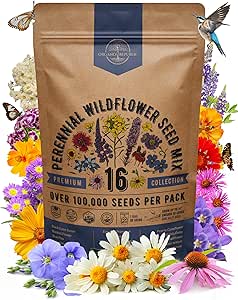 | Best Overall for Variety | Seed varieties: 16 | Seed count: 100,000 | Weight: 4 ounces | VIEW LATEST PRICE | See Our Full Breakdown |
| 100 Pink Coneflower Seeds – Non-GMO Heirloom Echinacea for Pollinator-Friendly Perennial Gardens |  | Best for a Focused Pollinator Planting | Seed count: 100 | Plant type: Echinacea (coneflower) | Color: Pink | VIEW LATEST PRICE | See Our Full Breakdown |
| Family Sown Perennial Wildflower Seed Mix, 5 g Envelope, Over 2,500 Seeds |  | Best for Defined Small-Area Coverage | Seed type: Perennial wildflower mix | Package size: 5 g envelope | Seed quantity: Over 2,500 | VIEW LATEST PRICE | See Our Full Breakdown |
| Mixrug 5000+ Sweet William Seeds (Dianthus) – Non-GMO Heirloom Perennial Flower Seeds for Outdoor Garden |  | Best for Fragrant Borders and Cut Flowers | Seed quantity: 5,000+ | Plant type: Sweet William (Dianthus); biennial or perennial | Sunlight: Full sun | VIEW LATEST PRICE | See Our Full Breakdown |
| Mixed-Color Hollyhock Seeds, 3,000+ Seeds |  | Best for Mixed-Color Summer Displays | Seed count: 3,000+ | Plant type: Hollyhock; listed as perennial | Colors: Mixed, including red, yellow, pink, and white | VIEW LATEST PRICE | See Our Full Breakdown |
| Seed Needs Flower Seeds Hummingbird and Butterfly Mix 1 Ounce Bulk Pack |  | Best for Hummingbird and Butterfly Gardens | Seed quantity: 15,000 seeds | Package size: 1 ounce | Flower types mentioned: Snapdragons, cosmos, butterfly milkweed, and scarlet salvia | VIEW LATEST PRICE | See Our Full Breakdown |
| ZEshops 100 Lupine Flower Seeds – Colorful Perennial Blooms for Borders and Pollinator Gardens, Non-GMO, Easy to Grow |  | Best for Cold-Hardy Lupine Spikes | Seed count: 100 | Plant: Lupine | USDA hardiness zones: 4–8 | VIEW LATEST PRICE | See Our Full Breakdown |
| NatureZ Edge Black-Eyed Susan Seeds, 5,000 Count |  | Best Single-Flower Bulk Pick | Plant: Black-Eyed Susan (Rudbeckia) | Seed count: 5,000 | Seed type: Non-GMO, heirloom, open-pollinated | VIEW LATEST PRICE | See Our Full Breakdown |
| Gardeners Basics Perennial Flower Seeds, 5 Varieties |  | Best for Building a Mixed Perennial Bed | Varieties: Russell strain lupine, blue columbine, purple coneflower, Black-Eyed Susan, Alaska Shasta daisy | Lupine packet: 1 g | Blue columbine packet: 300 mg | VIEW LATEST PRICE | See Our Full Breakdown |
| HOME GROWN 24-Variety Wildflower Seed Mix, 90,000+ Seeds, 3 oz |  | Best for Large, Varied Wildflower Plantings | Seed varieties: 24 | Seed quantity: 90,000+ | Package weight: 3 oz | VIEW LATEST PRICE | See Our Full Breakdown |
| 600 New England Aster Heirloom Flower Seeds (Aster novae-angliae), Purple |  | Best Overall for Fall-Blooming Perennials | Seed count: 600 | Plant type: Flower | Color: Purple | VIEW LATEST PRICE | See Our Full Breakdown |
| Eden Brothers All Perennial Wildflower Seed Mix, 1/4 lb |  | Best Value for Large-Scale Wildflower Plantings | Brand: Eden Brothers | Seed varieties: 19 | Seed weight: 1/4 lb | VIEW LATEST PRICE | See Our Full Breakdown |
| Groundio 10,000+ Perennial Wildflower Seeds (1 oz, 23 Varieties) |  | Best for Rapid Germination and Ecosystem-Friendly Gardens | Brand: Groundio | Weight: 1 oz | Varieties: 23 | VIEW LATEST PRICE | See Our Full Breakdown |
| Sow Right Seeds Perennial Flower Seed Collection (5 Varieties) |  | Best for Easy, Reliable Perennial Gardening | Brand: Sow Right Seeds | Varieties: Purple Coneflower, Russell Lupine, Black-eyed Susan, Shasta Daisy, Blue Columbine | Type: Perennial, Non-GMO, Heirloom | VIEW LATEST PRICE | See Our Full Breakdown |
| PLANTMEW 16-Variety Perennial Wildflower Seed Mix, 4 oz |  | Best for Large-Scale, Pollinator-Friendly Wildflower Meadows | Seed count: 200,000+ | Varieties: 16 | Package size: 4 oz | VIEW LATEST PRICE | See Our Full Breakdown |
More Details on Our Top Picks
Organo Republic 16-Variety Perennial Wildflower Seed Mix, 4 oz
I’d pick this mix for gardeners who want a broad perennial planting rather than a single-feature flower bed. Its 16 heirloom, non-GMO varieties include coneflower, asters, yarrow, and coreopsis, offering more species diversity than the single-color 100 Pink Coneflower Seeds. The listed spring-to-fall bloom period and potential to attract bees, butterflies, and birds make it a flexible choice for a naturalized outdoor patch. A 4-ounce resealable pack also suits repeat sowing better than a small, count-based packet. The tradeoff is that the listing does not give a coverage area or specify how much each species contributes, so the final mix may not look evenly balanced. It is outdoor-only and calls for moderate to regular watering, making it less appealing for dry, hands-off sites.
Pros:- Includes 16 heirloom, non-GMO, non-hybrid flower varieties
- Listed to bloom from spring to fall
- Variety may support bees, butterflies, and birds
- Resealable packaging helps store unused seed
Cons:- No coverage estimate or quantity breakdown by variety is provided
- Requires moderate to regular watering
- Designed for outdoor planting only
Best for: Gardeners creating a varied outdoor pollinator bed who want several perennial flower types in one packet.
Not ideal for: Growers who need a precise species-by-species planting plan, a stated coverage area, or flowers for a low-water site.
- Seed varieties:16
- Seed count:100,000
- Weight:4 ounces
- Planting location:Outdoor
- Expected bloom period:Spring to fall
- Sunlight exposure:Partial sun
- Expected plant height:15 inches
- Moisture needs:Moderate to regular watering
Our verdict“Choose this mix for broad perennial variety and a long stated bloom window, but skip it if you need a controlled species mix or low-water planting.”
100 Pink Coneflower Seeds – Non-GMO Heirloom Echinacea for Pollinator-Friendly Perennial Gardens
This packet is the focused alternative to the multi-species Organo Republic mix: it gives gardeners 100 pink coneflower seeds instead of a blend whose individual flower quantities are unspecified. That makes it easier to plan a coordinated block of one recognizable perennial, with upright growth adding height and clear structure to a bed. The non-GMO heirloom seed positioning and pollinator-friendly purpose will appeal to growers who want to build around Echinacea rather than scatter many flower types. The tradeoff is narrower color and species variety, plus stricter placement needs: it calls for full sun and well-drained soil, unlike the Organo Republic mix’s partial-sun listing. Natural variation in shade, height, and bloom timing also means the result may not be uniform, and regular moisture is part of the care plan.
Pros:- Count-based packet contains 100 seeds for straightforward planting plans
- Non-GMO heirloom Echinacea supports a focused perennial planting
- Pink blooms and upright growth can add color and vertical structure
- Intended for pollinator-friendly outdoor gardens
Cons:- Single flower type offers less variety than a wildflower mix
- Needs full sun and well-drained soil, limiting suitable sites
- Flower shade, height, and timing can vary
Best for: Gardeners with a sunny, well-drained bed who want to establish a defined pink coneflower planting for pollinators.
Not ideal for: Growers seeking a mixed-color meadow, partial-shade flowers, or predictable uniformity in bloom shade and timing.
- Seed count:100
- Plant type:Echinacea (coneflower)
- Color:Pink
- Growth habit:Upright herbaceous perennial
- Sunlight exposure:Full sun
- Soil type:Well-drained garden soil
- Moisture needs:Regular watering; keep soil evenly moist
- Planting location:Outdoor
Our verdict“Choose this packet when you want a planned pink coneflower stand in a sunny bed, not a diverse or shade-tolerant wildflower patch.”
Family Sown Perennial Wildflower Seed Mix, 5 g Envelope, Over 2,500 Seeds
For a modest bed or border, I like that this mix gives a practical planting scale: over 2,500 seeds for about 20 square feet. That stated coverage makes planning easier than with the Organo Republic mix, which lists a much larger seed count but no area estimate. The perennial wildflower blend is intended for naturalized spaces and pollinators, so it suits gardeners who want a returning patch rather than one isolated flower variety. There is a significant information tradeoff, though: the species are not named, leaving buyers unable to select for a particular color, height, or bloom sequence. Germination can vary, and the seller’s 30-day refund offer does not remove the uncertainty about what will grow. This is a straightforward area-based choice, not a detailed botanical selection.
Pros:- Over 2,500 seeds are listed for approximately 20 square feet
- Perennial mix is intended to return in later years
- Designed for beds, borders, and naturalized areas
- Seller offers a 30-day refund if seeds do not grow
Cons:- Flower species in the mix are not listed
- Germination results may vary
- Limited package size is less suited to large-scale sowing
Best for: Gardeners sowing a small border or naturalized patch who value a stated coverage estimate over choosing individual species.
Not ideal for: Buyers who need named varieties, specific flower colors, or reliable control over the planting’s height and bloom timing.
- Seed type:Perennial wildflower mix
- Package size:5 g envelope
- Seed quantity:Over 2,500
- Coverage:Approximately 20 square feet
- Intended planting areas:Flower beds, borders, and naturalized areas
- Pollinator appeal:Designed to attract pollinators
- Refund offer:30 days if seeds do not grow
Our verdict“Pick this mix for a small planting with clearly stated coverage, but choose a named-species option if flower selection matters to you.”
Mixrug 5000+ Sweet William Seeds (Dianthus) – Non-GMO Heirloom Perennial Flower Seeds for Outdoor Garden
Unlike Family Sown’s unidentified blend, Mixrug names its flower: Sweet William (Dianthus), a better fit for gardeners who want a recognizable border plant and fragrant clusters for cutting. The pack’s 5,000-plus seeds can support a larger sowing, while the listed 12-to-24-inch height gives it a more specific role than a general wildflower mix. Its colors span white, pink, purple, red, and violet, and it may draw butterflies and hummingbirds. The key catch is timing: although described as biennial or perennial, it typically blooms the year after planting, so it will not deliver quick first-season color. It also needs full sun and regular watering. Hardiness information conflicts between zones 3–9 and 4–10, which makes the regional fit less clear than the basic plant details.
Pros:- More than 5,000 seeds suit extensive border planting
- Named Sweet William variety produces fragrant clusters in several colors
- Non-GMO heirloom seed
- Suitable for beds, borders, and cut-flower arrangements
Cons:- Blooms typically appear the year after planting
- Hardiness zones conflict between the description and product details
- Requires full sun and regular watering
Best for: Gardeners planning a sunny border or cut-flower area who can wait until the following year for fragrant Sweet William blooms.
Not ideal for: Anyone needing dependable first-year flowers, partial-shade planting, or clear hardiness guidance for a zone near the listed limits.
- Seed quantity:5,000+
- Plant type:Sweet William (Dianthus); biennial or perennial
- Sunlight:Full sun
- Plant height:12–24 inches
- Flower colors:White, pink, purple, red, and violet
- Germination time:Approximately 10 days
- Ideal temperature:60–70°F (15–21°C)
- Hardiness zones:Conflicting listings: zones 3–9 and 4–10
Our verdict“Choose Mixrug for a large, fragrant Sweet William border if delayed flowering and conflicting zone guidance are acceptable.”
Mixed-Color Hollyhock Seeds, 3,000+ Seeds
This is the lineup’s choice for gardeners who want mixed-color hollyhocks rather than the lower-growing, fragrant clusters of Mixrug Sweet William. The pack contains more than 3,000 open-pollinated seeds in colors including red, yellow, pink, and white, with summer-to-early-fall flowering listed. Its full-sun-to-partial-shade range also gives it more placement flexibility than the full-sun-only coneflower packet. But buyers should pause over the supplied plant-height data: one field says 12 inches, while the description says plants can reach 8 feet. That discrepancy makes it difficult to plan placement, screening, or spacing with confidence. The seeds also need consistent moisture without waterlogging. This suits gardeners comfortable with variable results, but not anyone who depends on precise height or a tightly controlled design.
Pros:- More than 3,000 open-pollinated seeds support broad planting
- Mixed colors include red, yellow, pink, and white
- Listed for full sun to partial shade
- Summer-to-early-fall bloom period may attract bees and butterflies
Cons:- Plant height is inconsistent: 12 inches in specifications versus up to 8 feet in the description
- Requires consistent moisture while avoiding waterlogged soil
- Mixed-color seed does not provide a single-color planting plan
Best for: Gardeners who want a large mixed-color hollyhock planting and have room to accommodate potentially tall plants.
Not ideal for: Small-space growers or formal-bed planners who need reliable height and spacing information before planting.
- Seed count:3,000+
- Plant type:Hollyhock; listed as perennial
- Colors:Mixed, including red, yellow, pink, and white
- Bloom season:Summer to early fall
- Sunlight exposure:Full sun to partial shade
- Hardiness zones:3–9
- Plant height:Conflicting listings: 12 inches in specifications; up to 8 feet in description
- Planting depth:1/4 inch
- Moisture needs:Keep moist but not waterlogged
Our verdict“Choose these hollyhocks for a roomy mixed-color summer display, but skip them if the conflicting height information makes placement too uncertain.”
Seed Needs Flower Seeds Hummingbird and Butterfly Mix 1 Ounce Bulk Pack
This mix is the clearest choice here for gardeners who want to draw several kinds of pollinators, with flowers selected to attract butterflies, hummingbirds, and bees. Its 15,000 seeds offer plenty to scatter across a sunny area, while snapdragons, cosmos, butterfly milkweed, and scarlet salvia bring variety to summer-through-fall color. Compared with the NatureZ Edge Black-Eyed Susan, which focuses on one flower type, Seed Needs offers a broader display and a wider range of pollinator appeal. The tradeoff is that this is not a strictly perennial mix: it includes annuals and tender perennials, so reliable year-after-year coverage is less predictable than with the Gardeners Basics five-variety perennial collection. It also calls for daily watering during germination, which can be a chore for large sowing areas.
Pros:- Large 15,000-seed quantity suits broad sowing.
- Mix includes flowers aimed at attracting butterflies, hummingbirds, and bees.
- Offers varied color and flower types rather than a single-species planting.
- Moisture-resistant pouches and scatter-sowing directions make handling straightforward.
Cons:- Includes annuals and tender perennials, so it is less dependable as a lasting perennial planting.
- Daily watering during germination demands regular attention.
- Full-sun conditions limit where the mix is likely to perform well.
Best for: Gardeners with a full-sun patch who want a varied pollinator display and can water seedbeds daily while they establish.
Not ideal for: Buyers seeking only hardy, reliably returning perennials or gardeners who cannot keep newly sown soil watered each day.
- Seed quantity:15,000 seeds
- Package size:1 ounce
- Flower types mentioned:Snapdragons, cosmos, butterfly milkweed, and scarlet salvia
- Bloom period:Summer to fall
- Sunlight:Full sun
- Planting period:Spring
- USDA hardiness zones:1–10
- Expected height:36 inches
- Moisture needs:Water daily
Our verdict“Choose Seed Needs for a generous, varied pollinator patch if broad seasonal color matters more than a reliably perennial mix.”
ZEshops 100 Lupine Flower Seeds – Colorful Perennial Blooms for Borders and Pollinator Gardens, Non-GMO, Easy to Grow
ZEshops keeps the planting focused: 100 multicolored lupine seeds are suited to gardeners who want tall flower spikes rather than a mixed meadow effect. Lupines are described as cold-hardy perennials for USDA zones 4–8, giving this pick a clearer perennial identity than the Seed Needs mix, which includes annuals and tender perennials. Its tall form can add structure to a border while the blooms draw bees and butterflies. The narrow species focus is also the main limitation. Unlike the Gardeners Basics Perennial Flower Seeds, which spreads its five packets across different flower types, this pack cannot provide the same range of shapes or bloom habits. Its stated soil preference is loam, and regular watering is needed, so it may not suit dry or out-of-zone sites.
Pros:- Perennial lupines are specified for USDA zones 4–8.
- Multicolor flowers create a distinct vertical display.
- Blooms attract bees and butterflies.
- Heirloom and non-GMO seed features are listed.
Cons:- Limited to one flower type, unlike the Gardeners Basics five-variety collection.
- Zone range of 4–8 excludes many climates.
- Loam soil and regular watering may not suit dry or low-maintenance sites.
Best for: Gardeners in USDA zones 4–8 who want colorful, tall lupine spikes for a sunny border or pollinator planting.
Not ideal for: Gardeners outside zones 4–8, or anyone seeking a multi-species mix with more varied flower forms and site preferences.
- Seed count:100
- Plant:Lupine
- USDA hardiness zones:4–8
- Sunlight:Full sun
- Planting period:Spring to fall
- Soil type:Loam
- Watering needs:Regular
- Seed features:Heirloom, non-GMO
- Flower color:Multicolor
Our verdict“Pick ZEshops if your climate fits zones 4–8 and you want lupine spikes rather than a broad flower mix.”
NatureZ Edge Black-Eyed Susan Seeds, 5,000 Count
For gardeners who would rather plant one recognizable perennial than sort through a mix, NatureZ Edge offers 5,000 Black-Eyed Susan seeds for beds, borders, and containers. The listed zones, 3–9, cover a wider range than ZEshops’ lupines, though the product data does not give a specific germination test result to support its high-germination description. Its summer-to-fall bloom period and pollinator appeal make it a straightforward choice for a focused planting. Compared with the HOME GROWN 24-Variety Wildflower Seed Mix, this pack trades floral variety for a more consistent look and one plant type to manage. The 24-inch expected height is also less suited to a tall, layered display. Sandy soil and moderate watering are listed, so site fit still matters.
Pros:- 5,000 seeds support a substantial single-flower planting.
- Listed for USDA zones 3–9.
- Can be planted indoors or outdoors.
- Summer-to-fall blooms attract bees and butterflies.
Cons:- One flower type gives less visual variety than the HOME GROWN 24-variety mix.
- The listing provides no specific germination test results.
- Sandy soil and moderate watering may require attention to site conditions.
Best for: Gardeners who want a large supply of one familiar flower for sunny beds, borders, or containers in zones 3–9.
Not ideal for: Buyers who want a mixed-color meadow, documented germination results, or flowers taller than the listed 24 inches.
- Plant:Black-Eyed Susan (Rudbeckia)
- Seed count:5,000
- Seed type:Non-GMO, heirloom, open-pollinated
- Sun exposure:Full sun
- Bloom period:Summer to fall
- Planting period:Spring to fall
- USDA hardiness zones:3–9
- Expected height:24 inches
- Watering:Moderate
Our verdict“Choose NatureZ Edge for a large, consistent Black-Eyed Susan planting rather than a varied wildflower display.”
Gardeners Basics Perennial Flower Seeds, 5 Varieties
This collection is the most deliberate option for gardeners who want to plan a perennial bed with several distinct flower types. Its five labeled packets cover lupine, blue columbine, purple coneflower, Black-Eyed Susan, and Shasta daisy, giving more control over placement than a bulk wildflower blend. That makes it a better fit for a designed border than the HOME GROWN 24-Variety Wildflower Seed Mix, which emphasizes a large mixed sowing. The flip side is extra planning: each variety can have different sowing and care needs, so the packets are not as simple as scattering one blend. The listed zone range of 3–11 is broad, but local conditions still affect blooming and winter survival. Regular watering is specified.
Pros:- Five individually labeled varieties make garden planning more flexible.
- Includes several familiar perennial flowers suited to mixed beds and borders.
- Heirloom and non-GMO seed features are listed.
- Broad stated hardiness range of zones 3–11.
Cons:- Different varieties have different planting and care requirements.
- Blooming and winter survival depend on local climate and site conditions.
- Packet weights are specified, but individual seed counts are not.
Best for: Gardeners who want to arrange several named perennial flowers in a border or pollinator bed and are willing to follow separate packet instructions.
Not ideal for: Buyers seeking one simple scatter-and-water mix or those unwilling to manage different sowing needs across five varieties.
- Varieties:Russell strain lupine, blue columbine, purple coneflower, Black-Eyed Susan, Alaska Shasta daisy
- Lupine packet:1 g
- Blue columbine packet:300 mg
- Purple coneflower packet:800 mg
- Black-Eyed Susan packet:500 mg
- Alaska Shasta daisy packet:500 mg
- USDA hardiness zones:3–11
- Sunlight:Full sun
- Moisture needs:Regular watering
Our verdict“Choose Gardeners Basics if you want a planned five-flower perennial bed and can manage variety-specific sowing instructions.”
HOME GROWN 24-Variety Wildflower Seed Mix, 90,000+ Seeds, 3 oz
HOME GROWN is the strongest fit in this group for covering a larger outdoor area with a broad spread of flowers: it combines 24 varieties and more than 90,000 seeds in a three-ounce mix. The growing guide and stated beginner-friendly setup make it more approachable than Gardeners Basics’ five separately managed packets, while its listed spring-to-fall bloom window aims for an extended display. It also includes perennial examples such as purple coneflower and Black-Eyed Susan, but the mix is not presented as an all-perennial blend, so repeat-year results may vary by species and climate. Compared with the NatureZ Edge Black-Eyed Susan seeds, it offers more variety but less control over a uniform planting. Full sun and moderate watering are required, and no specific germination rate is given.
Pros:- More than 90,000 seeds across 24 varieties support broad, diverse sowing.
- Includes a growing guide for planting help.
- Designed to attract bees, butterflies, and birds.
- Listed bloom period runs from spring through fall.
Cons:- Not described as an all-perennial mix, so repeat-year performance may vary.
- Full sun and moderate watering limit suitability for some garden sites.
- No specific germination rate is provided.
Best for: Beginners or experienced gardeners sowing a broad, sunny outdoor area who want many flower varieties and a guide to follow.
Not ideal for: Gardeners who need a guaranteed all-perennial mix, want precise control over species placement, or lack a full-sun site.
- Seed varieties:24
- Seed quantity:90,000+
- Package weight:3 oz
- Planting location:Outdoor
- Sunlight:Full sun
- Expected bloom period:Spring to fall
- Expected height:2 feet
- USDA hardiness zones:3–10
- Moisture needs:Moderate watering
Our verdict“Pick HOME GROWN for a large, guided wildflower planting when variety matters more than a strictly perennial composition.”
600 New England Aster Heirloom Flower Seeds (Aster novae-angliae), Purple
This heirloom New England aster stands out for its striking purple blooms that attract bees and butterflies in fall, making it a favorite for pollinator gardens. Compared with the other seed mixes, it offers a specific, reliable bloom period and a classic, garden-worthy appearance. Its requirement of 8 weeks of cold stratification is a notable tradeoff, as it extends the planting timeline but ensures strong, healthy plants. Suitable for gardeners seeking a dedicated fall perennial with a manageable height of around 48 inches, it’s ideal for beds, borders, and containers. The inclusion of a step-by-step growing guide simplifies the process for beginners, though regular watering and patience are necessary. This pick is perfect for those prioritizing a well-defined, seasonal display with ecological benefits.
Pros:- Attracts bees and butterflies effectively
- BLOOMS in fall, providing color late in the season
- Versatile for containers, beds, and wildflower borders
- Includes a detailed growing guide
Cons:- Requires 8 weeks of cold stratification, delaying planting
- Needs regular watering for optimal growth
Best for: Gardeners who want a reliable, fall-blooming perennial that attracts pollinators and fits into flower borders or wildflower areas.
Not ideal for: Those seeking instant results or low-maintenance options, since it requires cold stratification and consistent watering.
- Seed count:600
- Plant type:Flower
- Color:Purple
- Bloom period:Fall to winter
- Sun exposure:Full sun
- Planting period:Fall to spring
- USDA hardiness zones:2–8
- Expected plant height:48 inches
- Material features:GMO-free, heirloom
Our verdict“This seed set is best suited for gardeners committed to a seasonal, ecological display with fall-blooming favorites.”
Eden Brothers All Perennial Wildflower Seed Mix, 1/4 lb
This mix provides an economical way to cover large areas, with 19 diverse perennial varieties that bloom from summer through fall. Compared to the more specialized single-species options like the New England Aster, it offers a broader, more natural look suitable for wildflower meadows or large garden spaces. Its coverage of up to 1,000 square feet makes it perfect for low-maintenance, eco-friendly landscapes, although the broad seed mix means less control over specific plants’ performance. The zones 3–10 adaptability and full sun requirement make it versatile, but the need for moderate watering and patience for full establishment can be drawbacks for busy gardeners. This mix suits those aiming for a natural meadow effect with minimal fuss and maximum coverage.
Pros:- Covers up to 1,000 square feet economically
- Includes 19 perennial varieties for diversity
- Attracts bees, butterflies, and hummingbirds
- Suitable for a wide range of zones (3–10)
Cons:- Requires full sun and moderate watering
- Less control over specific plant growth and bloom timing
Best for: Homeowners and landscapers wanting to create a large, low-maintenance wildflower meadow or pollinator-friendly landscape on a budget.
Not ideal for: Gardeners seeking precise, colorful, or early-season blooms, as the mix’s diversity results in a more natural, less uniform display.
- Brand:Eden Brothers
- Seed varieties:19
- Seed weight:1/4 lb
- Coverage:Up to 1,000 sq ft
- USDA hardiness zones:3–10
- Sunlight exposure:Full sun
- Expected bloom period:Summer and fall
- Expected plant height:25 inches
- Material features:Non-GMO
Our verdict“This seed mix is ideal for those aiming to establish a large, naturalistic pollinator garden with minimal ongoing effort.”
Groundio 10,000+ Perennial Wildflower Seeds (1 oz, 23 Varieties)
This mix offers an impressive quantity of over 10,000 seeds from 23 perennial varieties, designed to quickly establish a diverse pollinator habitat. Unlike the more curated collections, Groundio emphasizes rapid germination—results in 5-10 days—making it appealing for gardeners eager to see quick growth, similar to the fast results from the Sow Right Seeds collection but with more variety. The high germination rate and heirloom, non-GMO status prioritize ecological health, although the broad range of heights (12-59 inches) and the focus on full sun may limit placement flexibility. Additionally, the plant height of only 5 centimeters listed appears inconsistent, which could affect planning. This option fits those seeking a dense, pollinator-attracting wildflower patch with quick, reliable sprouting.
Pros:- Contains over 10,000 seeds from 23 varieties
- High germination rate, sprouting in 5-10 days
- Attracts pollinators like butterflies and hummingbirds
- Resealable, moisture-proof packaging
Cons:- Listed plant height of only 5 cm may be misleading for planning
- Requires full sun exposure, limiting shaded garden use
Best for: Eco-conscious gardeners wanting a high-volume, quick-to-establish perennial mix for large outdoor spaces.
Not ideal for: Gardeners seeking precise height or uniformity, or those with shaded areas, since the mix favors full sun and variable plant sizes.
- Brand:Groundio
- Weight:1 oz
- Varieties:23
- Seed count:10,000+
- USDA Hardiness Zone:1-10
- Sunlight Exposure:Full Sun
- Germination Time:5-10 days
- Flowering Time:35-75 days
- Plant Height:12-59 inches
- Purity:99% Pure Live Seed
Our verdict“This seed mix is perfect for gardeners seeking rapid establishment of a diverse perennial pollinator garden on a large scale.”
Sow Right Seeds Perennial Flower Seed Collection (5 Varieties)
This curated collection offers five popular perennial varieties—Purple Coneflower, Russell Lupine, Black-eyed Susan, Shasta Daisy, and Blue Columbine—making it a solid choice for gardeners new to perennials. Compared with larger mixes, this set provides a focused, manageable planting experience with high germination rates and proven, non-GMO heirloom seeds. Its emphasis on pollinator attraction and returning blooms from spring to fall makes it versatile, though the full sun requirement and regular watering needs could limit placement options. The detailed instructions and customer support enhance its appeal for beginners or those seeking straightforward success. However, the small quantity—just one packet—may not cover large areas, making it better suited for small gardens or container plantings.
Pros:- Includes five popular, easy-to-grow perennial varieties
- High germination rates and heirloom, non-GMO seeds
- Returns year after year, saving time and money
- Includes detailed planting instructions
Cons:- Requires full sun and regular watering, limiting placement options
- Limited seed quantity for large areas
Best for: Beginners or gardeners seeking a straightforward, reliable perennial collection for flower beds or containers.
Not ideal for: Experienced landscapers aiming for large-scale wildflower meadows, as the limited seed quantities may be insufficient.
- Brand:Sow Right Seeds
- Varieties:Purple Coneflower, Russell Lupine, Black-eyed Susan, Shasta Daisy, Blue Columbine
- Type:Perennial, Non-GMO, Heirloom
- Sunlight:Full Sun
- Moisture:Regular Watering
- Blooming Period:Spring to Fall
- Item Weight:17.87 g
- Unit Count:1 Count
Our verdict“This collection is well-suited for beginner gardeners seeking reliable, perennial flowers with minimal fuss.”
PLANTMEW 16-Variety Perennial Wildflower Seed Mix, 4 oz
This extensive 4 oz mix boasts over 200,000 seeds from 16 perennial varieties, including favorites like purple coneflower and black-eyed Susan. Compared with smaller or more curated collections, it provides a broad, naturalistic planting suitable for large beds or meadow conversions. The high seed count and lab-tested germination promise a high success rate, while the inclusion of detailed planting instructions and an online guide makes it accessible for novice and experienced gardeners alike. The broad height range (up to 59 inches) offers vertical interest, though the listed plant height of only 5 centimeters appears inconsistent, which could influence planning. This mix excels for those aiming to create extensive, ecosystem-supporting wildflower landscapes with minimal ongoing effort.
Pros:- Contains over 200,000 seeds from 16 varieties
- Designed for large outdoor areas and ecological gardens
- Includes planting instructions and online growing guide
- Lab-tested for germination and viability
Cons:- The plant height of only 5 cm may be misleading for planning
- Requires full sun and good soil drainage
Best for: Landscapers and large garden enthusiasts wanting to establish a vibrant, pollinator-friendly meadow or expansive flower border.
Not ideal for: Urban gardeners with limited space or those seeking highly uniform or early blooms, as the mix favors natural growth and year-round interest.
- Seed count:200,000+
- Varieties:16
- Package size:4 oz
- Planting location:Outdoor
- Sunlight exposure:Full sun
- Expected bloom period:Year-round
- Material features:Heirloom
- Brand:PLANTMEW
Our verdict“This seed mix is ideal for large-scale wildflower planting projects aimed at supporting pollinators and natural ecosystems.”
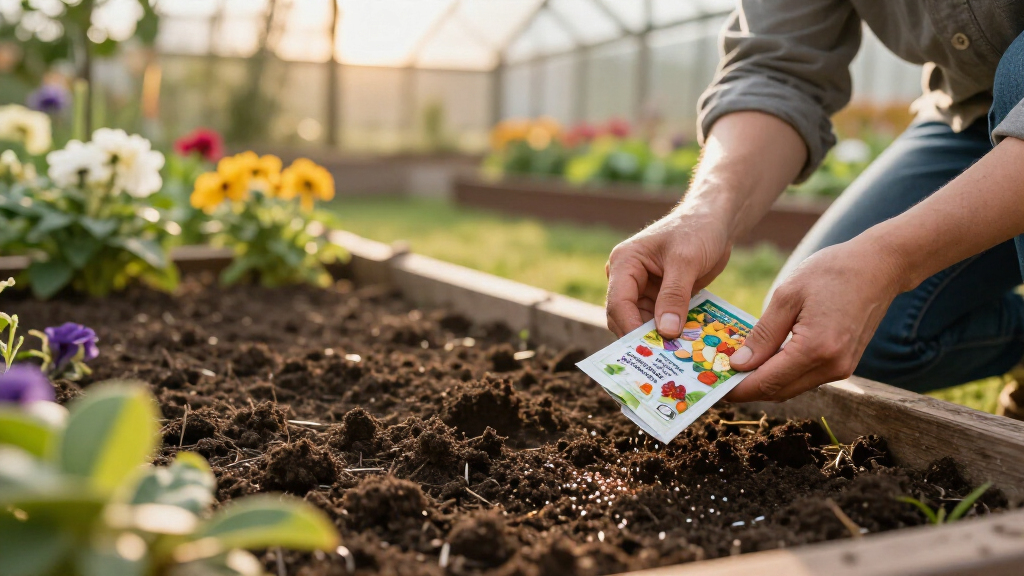
How We Picked
I compared the 15 listings by how clearly they serve different perennial-garden goals: a varied wildflower patch, a deliberate border, pollinator planting, or a smaller trial area. I weighed the listed species or variety count, seed quantity, single-species versus mixed format, and how readily a buyer could plan around the product. A high count or broad mix can suit open ground, but it does not outrank a focused packet when a gardener needs control over plant placement.
The ranking favors versatility and a clear use case, then separates options by scale and planting control. Organo Republic leads as a broadly useful mix; large-count blends follow for gardeners with room to sow; and single-species packets rank as targeted choices rather than universal substitutes. Product listings do not establish performance in every region, so I treat climate fit, perennial habit in the buyer’s area, and growing instructions as checks to make before purchase—not as guaranteed outcomes.
Factors to Consider When Choosing Best Perennial Flower Seeds
Choosing perennial flower seeds is less about maximizing packet size and more about matching plants to the site and the look you want. I use these factors to narrow the choices before comparing individual products.
Match the Mix to Your Climate and Site
A flower sold as perennial may not return reliably in every climate, so check the plant’s hardiness range against your location before buying. Sun exposure, soil drainage, and moisture matter too; a seed blend cannot compensate for a bed that does not suit its species. Mixed packets can contain plants with different needs, which makes site matching harder than it is with one named flower. Look for a species list rather than relying on a broad label such as wildflower mix. If the listing leaves the mix unspecified, treat that uncertainty as a reason to seek more information, not as proof that the blend fits your garden.
Choose Between a Blend and a Single Species
A blend is useful when you want varied flowers without choosing every plant individually, but it gives you less control over where each species appears. Single-species packets make it easier to build a deliberate color scheme, repeat a plant along a border, or learn how one flower behaves in your garden. The common mistake is expecting a mixed packet to create a balanced design automatically; different plants can grow at different rates and heights. If you want a naturalized patch, that variation may be part of the appeal. For a formal bed or a specific color plan, favor named species or a collection with clearly listed contents.
Read Seed Counts in the Context of Your Planting Area
Large counts can be useful for covering open ground, but they can be awkward in a small bed if you have no plan for thinning or distributing seed. Counts also do not reveal how many seeds will germinate or how much space mature plants need. Before choosing a bulk packet, estimate the sowing area and check the instructions for spacing and seeding rate. Smaller envelopes or collections may be easier to portion across containers, borders, or test patches. Avoid scattering every seed simply because the packet contains many; overcrowding can make care and plant identification harder.
Plan for Bloom Timing and Garden Structure
A perennial garden is built over time, and a packet’s variety count alone does not show when its flowers will bloom or how tall the plants will become. Check each listed species for mature height, spread, and flowering period if you need color at particular times or want to keep shorter plants visible. Mixing heights can add depth, but tall plants placed at the front may block smaller ones. Single-species choices offer more predictable placement, while broad mixes require a looser layout. For a bed that needs a defined shape, plan around mature dimensions rather than the seedling stage.
Check Instructions and Seed Information Before Sowing
Some seeds need particular sowing conditions, and instructions can differ even among flowers described as easy to grow. Check whether the seller provides planting depth, timing, light needs, and any preparation steps, then compare those directions with your local planting calendar. Do not assume every seed in a mixed packet should be sown the same way. Clear species identification helps you look up requirements when packet directions are brief. If growing information is sparse, start with a small test area instead of committing the whole bed.
Decide How Much Variety You Can Manage
A large mixture can add visual diversity, but it may also make seedlings harder to identify and weeding less straightforward. A smaller collection or single-species packet can be a better learning tool if you are new to perennial planting or want to track what returns. Consider the time you can give to watering, thinning, and identifying young plants, not just the effect you hope to create. Buying a broad mix makes most sense when you have space for a relaxed planting and are comfortable with an informal result. When control matters more than variety, select fewer, clearly named flowers.
Frequently Asked Questions
Should I choose a high-count seed mix or a smaller packet?
Start with the size of the area you intend to sow, not the largest number printed on a listing. High-count options such as HOME GROWN and Groundio may suit broader plantings, while a smaller envelope or collection can be easier to portion for a bed or trial patch. Seed count does not show germination rate or the space mature plants need. Check the sowing rate and species list before deciding. If you are unsure how the mix will perform in your site, testing a small section limits wasted seed and effort.
Are perennial wildflower seed mixes a good choice for a neat border?
They can work in a border, but a mixed seed packet usually gives you less control over height, placement, and bloom timing than named single-species seeds. A natural-looking edge can benefit from that variation, while a formal layout may look uneven if plants emerge in different proportions. Review the species list and mature plant dimensions before sowing near paths or neighboring plants. You can also use a mix in a larger back section and place selected flowers along the front. Choose based on the appearance you want, not variety count alone.
How can I tell whether a perennial seed packet suits my region?
Look up the listed species’ hardiness and growing needs for your location rather than relying only on the word “perennial” in the product name. A plant may return in one climate and behave like an annual in another. Check local guidance for sun, drainage, moisture, and sowing season as well. This is especially useful for broad mixes, since their species may not all share the same regional fit. If the listing does not name its contents, ask the seller for the species list before planting a large area.
Is a single-species packet better for a first perennial garden?
A single-species packet can make a first planting easier to plan because you can research one plant’s needs, height, and spacing. That focus can also help you recognize seedlings and see whether the site suits the flower. A multi-variety collection offers more diversity, but it may require more work to identify and place different plants. Beginners who want a naturalized look may still prefer a mix if the contents and instructions are clear. The better choice depends on whether you value a simpler growing plan or a varied result.
Can I sow a mixed perennial seed packet and expect flowers the same year?
Do not assume that every plant in a perennial mix will flower during its first growing season. Timing varies by species, sowing date, and growing conditions, and some perennials need time to establish before blooming. Check the packet or seller information for expected flowering timelines and local sowing guidance. If immediate seasonal color is a priority, consider pairing the perennial planting with flowers known to bloom in the first season rather than relying on a mixed perennial packet alone. A patient planting plan is more realistic than judging the mix by early flowers.
Conclusion
For the best overall fit, choose Organo Republic’s 16-Variety Perennial Wildflower Seed Mix if you want a broadly useful blend. For value through planting scale, consider HOME GROWN’s 24-variety mix when you have ample ground and want a high listed seed count; compare the contents and sowing directions first. The lineup does not establish a premium pick on seed quality or performance, so I would not pay extra based on variety count alone. Beginners who prefer a more contained plan can start with Sow Right Seeds’ five-variety collection, while gardeners wanting a specific flower can choose a single-species packet such as coneflower, black-eyed Susan, or New England aster. For a broad pollinator-oriented planting, compare the named contents of the wildflower and hummingbird-and-butterfly mixes, then select the one that best matches your region and available space.
Fall yard work Picks
leaf blowers
As an affiliate, we earn on qualifying purchases.