Choosing fruit trees for a garden starts with more than the fruit you want: climate, pollination, and the time required to raise a tree from seed can make or break the plan. My strongest pick for warm-region gardeners is 30 Heirloom Meyer Lemon Seeds, while the 35+ Common Pear Tree Seeds suit gardeners ready to plan for a compatible pollinator. For cooler areas, Mixrug Organic Peach Tree Seeds offer a peach option listed for USDA Zones 5–7, though their long cold-stratification period and stated germination range call for patience.

Get garden gear delivered free with Prime
- Fast, free delivery on millions of items
- Prime Video, Amazon Music and more included
- Member-only deals all year
These are seed products, not established trees, so none offers an instant harvest or a guaranteed fruiting timeline. I rank them by how clearly their growing details support a garden plan, how well their stated zones and needs fit different buyers, and how much extra work each asks of the gardener. The central tradeoff is straightforward: the lemon needs warmth and a lengthy preparation step, the pear needs a pollination partner, and the peach needs months of chilling. Matching those demands to your site matters more than choosing by fruit preference alone.
Complete the kit


Key Takeaways
- Best overall for warm gardens: Meyer lemon seeds are listed for USDA Zones 8–11 and also offer a bonsai-growing option, but they need warmth and two months of cold stratification before sowing.
- Best for planned orchard-style planting: Pear seeds suit a full-sun, well-drained site, but the listing calls for a compatible pollinator such as LeConte or Orient for optimal fruit production.
- Best for cooler listed zones: Peach seeds are the only option here specified for USDA Zones 5–7; expect 90–120 days of cold stratification and a stated germination rate of 50–70%.
- All three products require patience: These are seeds rather than nursery-grown trees, so buyers must handle germination and wait for seedlings to mature before expecting fruit.
- Garden conditions set the shortlist: Choose by your hardiness zone, available sun, soil drainage, and willingness to manage pollination or seed preparation—not by seed count alone.
| 30 Heirloom Meyer Lemon Seeds |  | Best Overall for Warm-Region Gardens | Quantity: 30 seeds | Plant type: Fruit | Growing zones: USDA Hardiness Zones 8–11 | VIEW LATEST PRICE | See Our Full Breakdown |
| 35+ Common Pear Tree Seeds for Outdoor Planting |  | Best for Gardeners Planning Around Pollination | Seed count: 35+ | Plant type: Common pear tree | Use: Outdoor | VIEW LATEST PRICE | See Our Full Breakdown |
| Mixrug Organic Peach Tree Seeds, 5 Count |  | Best for Cooler Listed Zones | Seed count: 5 | Hardiness zones: USDA Zones 5–7 | Sunlight: Full sun | VIEW LATEST PRICE | See Our Full Breakdown |
| fruit trees for garden | Sunlight | Plant type | Use | Seed count |
|---|---|---|---|---|
| 30 Heirloom Meyer Lemon Seeds | Full sun | Fruit | Outdoor; may also be cultivated as bonsai | — |
| 35+ Common Pear Tree Seeds for | Full sun | Common pear tree | Outdoor | 35+ |
| Mixrug Organic Peach Tree Seed | Full sun | — | — | 5 |
More Details on Our Top Picks
30 Heirloom Meyer Lemon Seeds
This is my best overall pick for gardeners in the listed warm growing range, especially those who want the option of keeping a citrus plant as a garden feature or training it as bonsai. The product specifies USDA Zones 8–11 and full sun, which gives buyers a clearer starting point than a seed listing with no zone guidance. It also lays out a specific preparation routine: soak for 24 hours, cold stratify for two months, and sow ¼ inch deep in moist soil at 75°F. That makes the work visible before purchase, even though it is not a quick route to a fruit-bearing tree.
Compared with the pear seeds, the Meyer lemon does not list a pollination partner as a requirement, so its garden plan is less dependent on coordinating another tree. Compared with the peach, it has a shorter stated cold-stratification period, but it still calls for warmth and humidity and is not the best fit for a cold-climate outdoor planting. The bonsai use adds flexibility that the pear and peach listings do not claim, although buyers should treat that as an alternate growing project rather than a promise of easy indoor fruit production.
The main compromise is the seed-starting commitment. Two months of cold stratification comes before sowing, followed by the need to provide warm, moist conditions. The listing gives a 2–3-week germination expectation after sowing, not a timeline to mature fruit. I would choose this over the other two when the garden’s climate fits and the appeal of citrus or bonsai outweighs the wait. Gardeners outside Zones 8–11 who want an outdoor tree should look first at the peach’s listed Zones 5–7, while anyone seeking an established tree should skip all three seed packs.
Pros:- Listed for outdoor growing in USDA Zones 8–11.
- Can also be cultivated as bonsai, giving the project an ornamental use.
- Includes a detailed sequence for seed preparation, sowing depth, and temperature.
- Lists a 2–3-week germination period after sowing.
Cons:- Requires a two-month cold-stratification period before sowing.
- Needs warmth and humidity during germination, which may require extra setup.
- The listing gives no timeline for maturity or fruit production.
Best for: Gardeners in USDA Zones 8–11 who want to raise a Meyer lemon from seed and value the option of growing the plant as bonsai.
Not ideal for: Buyers in climates outside the listed range who want a straightforward outdoor planting, or anyone unwilling to manage warm, moist conditions and two months of stratification.
- Quantity:30 seeds
- Plant type:Fruit
- Growing zones:USDA Hardiness Zones 8–11
- Sunlight:Full sun
- Use:Outdoor; may also be cultivated as bonsai
- Seed type:Heirloom
- Preparation:Soak 24 hours; cold stratify for two months
- Sowing and germination:Sow ¼ inch deep; 2–3 weeks after sowing
Our verdict“I rank these Meyer lemon seeds first for warm-region gardeners who want clear preparation guidance and a bonsai option, provided they accept a slow seed-to-tree project.”
35+ Common Pear Tree Seeds for Outdoor Planting
The pear seeds make the most sense for a gardener building a deliberate outdoor planting plan, not someone seeking a fruit tree that can simply be placed in the garden alone. The listing calls for full sun and well-drained, fertile soil, and advises keeping the soil consistently moist and pruning in late winter. Those details give buyers a practical care outline, while the seed count of 35+ leaves room to start more than one seedling. It is the most orchard-minded choice in this group, but the key planning detail is easy to overlook: optimal fruit production requires a compatible pollinator, with LeConte and Orient given as examples.
That pollination requirement is the biggest difference from the Meyer lemon listing, which does not specify a partner, and it makes the pear less convenient for a small garden with room for only one tree. Compared with the peach, the pear listing does not specify a hardiness-zone range or a measured germination percentage in the supplied details. I would not infer those missing numbers from the “high germination rate” feature. Instead, I would treat the pear as a candidate for buyers who can verify local suitability and have space for a compatible tree or know that a suitable pollinator is already nearby.
The seeds are described as GMO-free and intended for outdoor planting, but these qualities do not remove the main uncertainty of starting from seed. Buyers should expect to raise seedlings and confirm what growing conditions suit them locally. The instructions also emphasize steady moisture and fertile, well-drained soil, so a neglected or waterlogged site is a poor match. I place pear second because it has useful garden-care direction and a clear role, yet its dependence on pollination makes the plan more involved than the lemon’s for a single-tree buyer. Choose it when you can accommodate that extra planning; skip it if your garden is too small to support a pollination strategy.
Pros:- Designed for outdoor planting in full sun.
- Provides soil, moisture, pruning, and pollination guidance.
- Includes 35+ seeds, allowing more than one germination attempt.
- Described as GMO-free.
Cons:- A compatible pollinator is needed for optimal fruit production.
- The supplied details do not state a USDA hardiness-zone range.
- The listing calls germination rate high but gives no percentage.
Best for: Gardeners with a sunny outdoor site, fertile well-drained soil, and room to plan for a compatible pear pollinator.
Not ideal for: Small-space gardeners who can plant only one tree and cannot confirm a compatible pollinator, or buyers who need a stated zone range before choosing.
- Seed count:35+
- Plant type:Common pear tree
- Use:Outdoor
- Sunlight:Full sun
- Soil:Well-drained, loamy, fertile soil
- Material feature:GMO-free
- Pollination:Compatible pollinator recommended, such as LeConte or Orient
- Care notes:Keep soil consistently moist; prune in late winter
Our verdict“I recommend these pear seeds for gardeners who can make room for a pollination plan, but not for anyone expecting a self-contained, one-tree solution.”
Mixrug Organic Peach Tree Seeds, 5 Count
For a gardener in USDA Zones 5–7 who wants to raise peaches from seed, this is the clearest climate-specific option in the lineup. The listing describes full sun, well-drained soil, regular watering, and a spring planting period, plus a 1-inch sowing depth. It also identifies the seeds as organic, non-GMO, and heirloom, and notes that peach blooms attract pollinators. Those details create a coherent garden use case, but the package contains only five seeds, so it offers fewer starts than either the Meyer lemon or pear options.
The cost of that zone guidance is a longer and less certain start. Seeds should be soaked for 24 hours and cold stratified for 90–120 days before sowing, compared with the Meyer lemon’s two-month stratification. The stated germination rate is 50–70%, which is helpful to know but still means buyers should not plan as though every seed will sprout. I rank peach third because it requires the longest stated chill period and has fewer seeds, not because its zone range is less useful. For a gardener outside the lemon’s Zones 8–11, it may be the better climate match of these three.
Compared with the pear, the peach listing gives a specific hardiness range and does not identify a pollinator requirement, though the supplied details do not establish whether a particular seed-grown tree will fruit reliably or what companion varieties might be needed locally. I would choose it for someone who has patience, a suitable sunny site, and an interest in growing peaches from seed rather than buying a mature tree. Skip it if you want a quick garden result, need a large number of seeds for repeated attempts, or do not want to reserve space for a tree whose mature traits are not specified in the product information.
Pros:- Listed for USDA Hardiness Zones 5–7.
- Described as organic, non-GMO, and heirloom.
- Includes planting, soaking, stratification, and sowing-depth guidance.
- Peach blooms are noted as attractive to pollinators.
Cons:- Requires 90–120 days of cold stratification after soaking.
- The stated germination rate is 50–70%, so some seeds may not sprout.
- Five seeds provide fewer starting opportunities than the other packs.
Best for: Patient gardeners in USDA Zones 5–7 who want a peach-growing project and can provide a sunny, well-drained site.
Not ideal for: Gardeners who want faster seed preparation, a larger seed quantity, or a clearly stated germination expectation above the listed 50–70% range.
- Seed count:5
- Hardiness zones:USDA Zones 5–7
- Sunlight:Full sun
- Soil:Well-drained; sandy soil listed
- Watering:Regular
- Germination rate:50–70%
- Seed preparation:Soak 24 hours; cold stratify for 90–120 days
- Sowing and planting:Sow 1 inch deep; spring planting period
Our verdict“I would pick these peach seeds for a patient gardener in Zones 5–7 who values explicit climate guidance more than a short preparation period or a large seed count.”
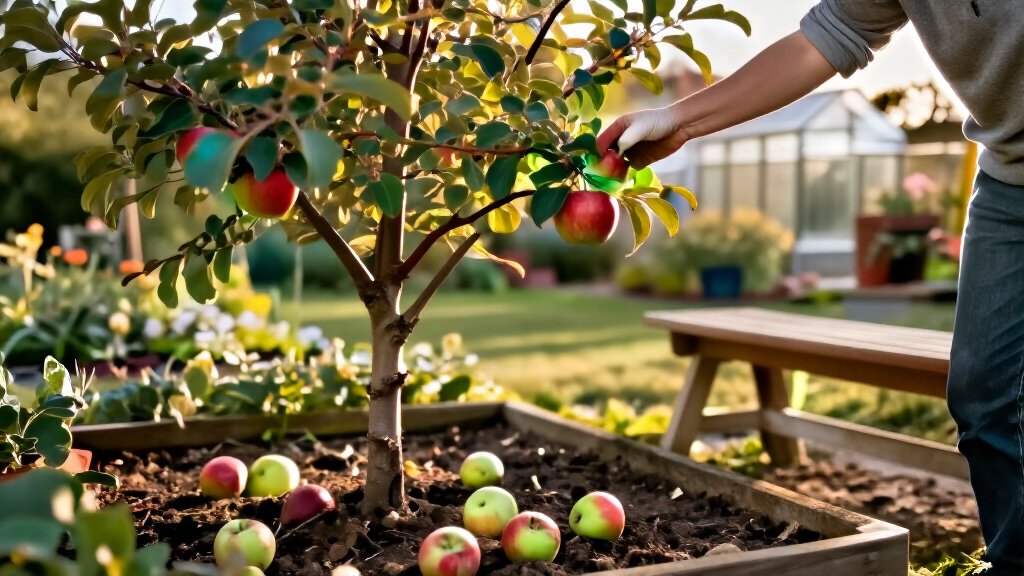
How We Picked
I compared these three listings as ways to start fruit trees in a garden, not as mature trees ready to plant. That distinction matters: seed count and growing instructions can help a gardener plan, but they do not establish how quickly a seedling will bear fruit or how it will perform at a particular site. I gave more weight to the practical fit of the stated growing conditions and the clarity of the work involved than to broad claims that cannot be independently verified from the supplied product details.
My ranking favors products that give a clear audience and a workable garden use case. The Meyer lemon comes first because its listed Zones 8–11 and optional bonsai use give it a distinct role, with a detailed preparation sequence to plan around. The pear comes next for gardeners with room and a pollination plan; its full-sun and soil guidance is useful, but the need for a compatible partner makes it less self-contained. The peach ranks third, not because peaches are less appealing, but because its 90–120-day stratification and stated 50–70% germination range demand the most patience and leave more uncertainty at the starting stage.
I also treated limitations as ranking factors. A seed’s listed germination rate is not a promise that every seed will sprout, and a stated hardiness zone does not replace checking local conditions or a variety’s mature needs. The pear listing’s “high germination rate” is not accompanied by a percentage in the supplied details, so I do not compare it quantitatively with the peach’s stated range. Buyers should read each choice as a starting point for a garden plan, then verify local pollination, climate, and care requirements before committing space.
| fruit trees for garden | Plant type | Use | Soil |
|---|---|---|---|
| 30 Heirloom Meyer Lemon Seeds | Fruit | Outdoor; may also be cultivated as bonsai | — |
| 35+ Common Pear Tree Seeds for | Common pear tree | Outdoor | Well-drained, loamy, fertile soil |
| Mixrug Organic Peach Tree Seed | — | — | Well-drained; sandy soil listed |
Factors to Consider When Choosing Best Fruit Trees For Gardens
With these three options, I would start by checking whether a seed-grown tree fits your garden plan. Each listing sells seeds, not a rooted or mature tree, so you take on germination, early care, and the wait for a tree to develop. The product details give useful starting instructions, but they do not promise a fruiting age, final tree size, or the precise fruit characteristics of seedlings. Use the following questions to compare the practical demands before choosing.
Match the listed climate to your garden
The Meyer lemon is listed for USDA Zones 8–11, while the Mixrug peach is listed for Zones 5–7. Those are the clearest climate signals in this group and make the two options natural starting points for different regions. The pear listing supplies no zone range in the details provided, so I would check local extension guidance or other reliable growing references before committing a garden bed to it. A zone label is a useful filter, not a full growing plan: site exposure, winter conditions, drainage, and local variation still affect whether a tree is a good fit.
Do not choose a product just because its fruit sounds appealing. A lemon seedling suited to a warm outdoor climate is not automatically a sensible outdoor choice for a colder garden, and a peach listing for Zones 5–7 does not tell you how every seedling will perform in a specific microclimate. If your garden sits outside a product’s stated range—or the listing provides no range—verify suitability before planting. That check can save the space and care that a seedling will need over time.
Plan for seed preparation and germination
Preparation time separates these choices. Meyer lemon seeds call for a 24-hour soak and two months of cold stratification; peach seeds need the same soak followed by 90–120 days of cold stratification. The pear details do not provide a comparable seed-preparation schedule, so I would avoid assuming it is easier to germinate. The lemon listing gives a 2–3-week germination expectation after sowing, while the peach listing states a 50–70% germination rate. These figures describe different things: one is a time estimate after sowing, and the other is a stated rate.
Preparation instructions are not a guarantee. Seed condition and the ability to maintain the requested moisture and temperature can affect results, and the supplied details do not establish what proportion of the pear seeds will sprout. If you want several chances to raise a seedling, the pear pack has 35+ seeds and the lemon pack has 30, while the peach pack contains five. A larger count can offer more attempts, but it does not by itself establish higher success or better fruit.
Check sun, soil, and ongoing care
All three products point toward sunny growing conditions, so a shaded corner is not the natural fit for these picks. The pear listing is most explicit about fertile, well-drained loamy soil and consistent moisture, with late-winter pruning guidance. The peach calls for well-drained soil, regular watering, and full sun. The lemon instructions focus more on seed-starting warmth, humidity, and moist sowing soil. These differences matter because a gardener with heavy, poorly draining soil may need to improve the site or choose another location before planting.
Think beyond sprouting: garden trees need a suitable permanent position and ongoing care after the seedling stage. Product descriptions here do not give mature dimensions, pruning shapes, or a full annual care calendar for each tree. I would use their instructions as an initial checklist, then look up local guidance for the species and growing conditions as the plant develops. If you have limited garden room, bonsai is a stated alternate use for the Meyer lemon; the pear and peach listings are presented as outdoor tree projects.
Account for pollination and fruiting uncertainty
The pear listing directly says a compatible pollinator, such as LeConte or Orient, is needed for optimal fruit production. That makes pollination planning a deciding factor if your garden can hold only one tree. Check whether a suitable pear is already growing nearby and whether local conditions support the suggested pairing. The Meyer lemon and peach descriptions do not provide comparable pollination requirements, so I would not read that silence as a broad promise about fruit set. Ask a local growing resource if reliable fruit production is the main goal.
Seed-grown trees also introduce uncertainty about how long fruiting will take and what traits the resulting tree will show. The product details do not state a harvest timeline or guarantee that seedlings will reproduce the exact qualities a buyer expects. If dependable, earlier fruit is more important than the experience of growing from seed, compare these packs with established nursery trees suited to your zone. If the project itself is part of the appeal, choose the seed product whose preparation demands and site needs you can support.
Choose by garden scale and patience
A small garden makes the pear’s pollination requirement harder to manage, whereas the Meyer lemon’s bonsai option gives it an ornamental direction beyond outdoor fruit growing. The peach has the smallest seed count, which can limit the number of germination attempts, though it supplies a defined zone range. For a larger garden or a gardener planning multiple seedlings, the pear and lemon quantities leave more room to start several seeds. Seed count is only one part of fit: space for the mature plant, climate suitability, and time to care for seedlings matter more.
My short version is to select the lemon for a warm-climate citrus or bonsai project, the pear for a sunny garden with a credible pollination plan, and the peach for a patient grower in its stated cooler zones. If you cannot provide the required preparation, sun, drainage, or pollination conditions, a different fruit tree—or an established plant—may serve your garden better than any of these seeds.
Frequently Asked Questions
Which of these fruit tree seeds suits a colder garden best?
Of these three listings, the Mixrug peach is the only one specifically listed for USDA Zones 5–7, making it the clearest starting point for a cooler-region garden. The Meyer lemon is listed for Zones 8–11, and the pear details supplied here do not state a hardiness range. Check your own zone and local growing advice before planting, since the listing alone cannot account for every site condition.
Which option has the shortest stated seed preparation?
The Meyer lemon has the shorter stated cold-stratification period at two months, compared with 90–120 days for the peach. It still requires a 24-hour soak and warm, moist germination conditions. The pear listing does not give a preparation timeline in the supplied details, so I cannot fairly label it the quickest to start.
Do I need more than one pear tree for fruit?
The pear listing says a compatible pollinator is needed for optimal fruit production and names LeConte or Orient as examples. Before choosing the seeds, check whether a suitable pear is already nearby or whether you have room to plant a compatible partner. The listing does not provide enough information to confirm which pairings suit every location, so local guidance can help.
Will these seeds produce fruit quickly?
None of the supplied product details gives a reliable timeline from germination to fruit, and none is an established tree. These products require buyers to start seedlings, maintain them as they grow, and wait for maturity. If a near-term harvest is the priority, I would compare them with appropriately sized nursery-grown trees and ask the seller or a local horticultural source about likely bearing times.
Which seed pack offers the most chances to start a tree?
The pear pack lists 35+ seeds, followed by 30 Meyer lemon seeds and five peach seeds. A larger quantity can give you more attempts if some seeds do not germinate, but it does not prove a higher success rate or guarantee that the seedlings will fruit. The peach listing gives a 50–70% germination rate; the pear lists a high germination rate without a numeric figure, so the claims are not directly comparable.
Conclusion
My recommendation depends on the garden rather than a single universal winner. Choose the Meyer lemon if your outdoor conditions fit USDA Zones 8–11 and you want a citrus seed-starting project with a bonsai option. Choose the pear if you have full sun, well-drained fertile soil, and space or nearby access to a compatible pollinator. Choose the peach if your garden is in the listed Zones 5–7 and you are willing to wait through 90–120 days of stratification and work with a five-seed pack.
For a buyer who wants an established tree or a predictable harvest schedule, I would not treat any of these seed packs as a shortcut: the listings do not state a fruiting timeline, and the growing process begins from scratch. Match the product to your hardiness zone, site, and patience level first. That is the clearest way to choose among these three garden fruit-tree projects.
Halloween Picks
halloween
As an affiliate, we earn on qualifying purchases.