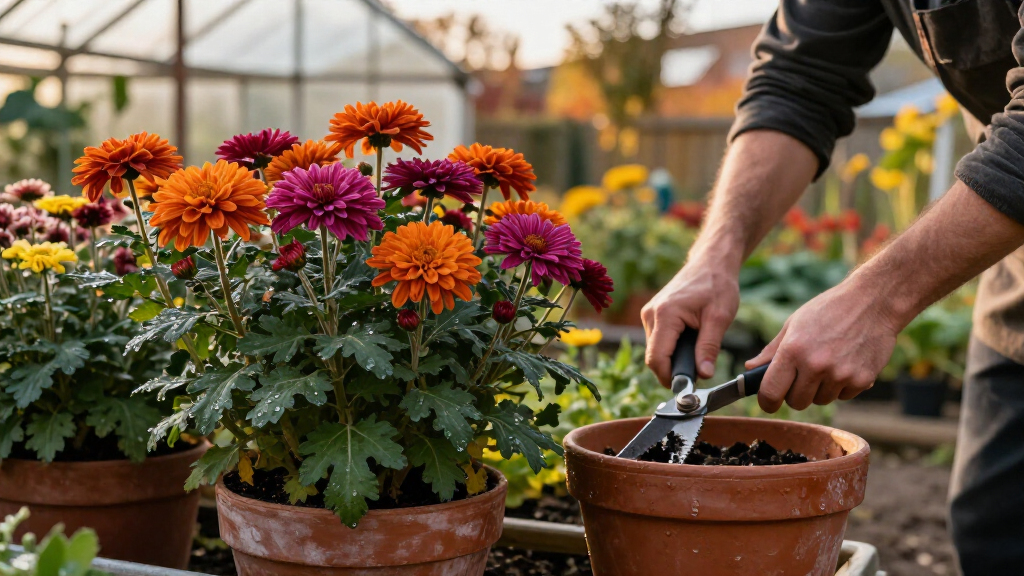
For dependable October color, my first choice is October Magic Ivory Camellia, whose fall-to-early-winter flowers extend the season while its evergreen foliage keeps the garden structured. New England Aster Seeds are the better pick for a sunny, pollinator-friendly planting with abundant purple-pink blooms, while October Magic Pink Perplexion Camellia suits gardeners who want a compact shrub with soft pink double flowers. These options differ in more than color: the aster is a seed-grown perennial that needs preparation and patience, whereas both camellias arrive as nursery plants but need the right climate and soil care. I rank them by how clearly their stated bloom season includes October, how useful they are beyond bloom time, and how well their growing requirements match a defined type of garden.

Get garden gear delivered free with Prime
- Fast, free delivery on millions of items
- Prime Video, Amazon Music and more included
- Member-only deals all year
Complete the kit


Key Takeaways
- Best for October-to-winter continuity: Ivory Camellia is specifically described as flowering from October into early winter, with glossy evergreen foliage after bloom.
- Best for a sunny pollinator garden: New England Aster offers purple-pink fall flowers and attracts bees, butterflies, and hummingbirds, but requires cold stratification.
- Best for compact pink shrub color: Pink Perplexion Camellia combines fall flowers and year-round foliage in a plant expected to reach about 4–5 feet.
- Climate fit separates the choices: The aster is listed for USDA zones 3–8, while both camellias are listed for zones 7–9.
- Ongoing care differs: Asters need watering through their first growing season; camellias call for moderate or regular moisture, and Ivory also needs suitable acidic, well-draining soil.
| October Magic Ivory Camellia Shrub, 1-Gallon, White Blooms, 4–5 ft Mature Size |  | Best Overall for October-to-Early-Winter Color | Plant type: Evergreen shrub | Bloom color: Ivory white | Blooming period: October through early winter | VIEW LATEST PRICE | See Our Full Breakdown |
| New England Aster Seeds, 500+ Non-GMO Heirloom Purple Perennial Flower Seeds |  | Best for Sunny Pollinator Gardens | Seed quantity: 500+ | Flower color: Purple-pink with golden centers | Plant type: Perennial wildflower | VIEW LATEST PRICE | See Our Full Breakdown |
| October Magic Pink Perplexion Camellia, 1 Gallon |  | Best for Compact Pink Evergreen Color | Plant type: Evergreen shrub | Container size: 1 gallon | Flower color and type: Pink, double | VIEW LATEST PRICE | See Our Full Breakdown |
| October-blooming flower | Plant type | Blooming period | USDA hardiness zone |
|---|---|---|---|
| October Magic Ivory Camellia S | Evergreen shrub | October through early winter | 7–9 |
| New England Aster Seeds | Perennial wildflower | Late summer to fall | — |
| October Magic Pink Perplexion | Evergreen shrub | Fall | 7–9 |
More Details on Our Top Picks
October Magic Ivory Camellia Shrub, 1-Gallon, White Blooms, 4–5 ft Mature Size
October Magic Ivory Camellia takes the top spot because its described bloom window is the most specific match for an October-focused search: flowers are said to appear from October into early winter. The ivory-white blooms contrast with glossy evergreen foliage, so this shrub contributes structure even when it is not flowering. At a mature size of about 4–5 feet tall and wide, it can fit a border or foundation planting without the scale of a large landscape shrub.
Compared with the Pink Perplexion Camellia, Ivory has a clearer seasonal promise and a stated preference for partial shade, although its listed range also allows full sun. The two share the same zone range and similar mature dimensions, so the deciding factors are bloom color, site conditions, and the October-to-winter timing stated for Ivory. Compared with the New England Aster, this is the more immediate shrub choice: it arrives in a nursery pot rather than as a packet of seeds, and it holds foliage year-round. It does not, however, bring the aster’s broad listed hardiness range or its explicit meadow and pollinator-garden role.
The key tradeoff is that this is not a universal low-effort answer. It is listed for USDA zones 7–9, and the product description calls for acidic, well-draining soil kept moist. Harsh winter winds may also call for protection. Gardeners with alkaline soil, a dry site, or winters outside the stated range should not choose it just for its bloom timing. For a suitable site, I rank it first because its flowering period most directly addresses October and its foliage supplies value after the blooms fade.
Pros:- Stated bloom period runs from October into early winter.
- Glossy evergreen foliage contributes year-round garden structure.
- Mature size of about 4–5 feet suits borders and foundation beds.
- Ivory-white flowers offer a quieter alternative to the pink options.
Cons:- Listed for USDA zones 7–9, limiting its cold-climate fit.
- Needs acidic, well-draining soil and consistently moist conditions.
- Harsh winter winds may require protective placement or shelter.
Best for: Gardeners in USDA zones 7–9 who want ivory fall flowers, evergreen structure, and a compact shrub for a border or foundation planting.
Not ideal for: Gardeners outside zones 7–9, those with dry or unsuitable soil, or anyone unwilling to manage regular moisture and protect the plant from harsh winter winds.
- Plant type:Evergreen shrub
- Bloom color:Ivory white
- Blooming period:October through early winter
- Mature size:About 4–5 ft tall and wide
- USDA hardiness zone:7–9
- Sunlight:Partial shade to full sun
- Soil:Acidic, well-draining soil
- Moisture needs:Medium; keep soil moist
Our verdict“Choose Ivory Camellia for the clearest October-to-winter bloom window, provided your climate and soil suit an evergreen camellia.”
New England Aster Seeds, 500+ Non-GMO Heirloom Purple Perennial Flower Seeds
New England Aster Seeds are my choice for gardeners who want fall color across a broad planting rather than a single compact shrub. The packet contains over 500 non-GMO heirloom seeds, and mature plants can reach up to five feet, with purple-pink blooms and golden centers. That combination makes the aster better suited than either camellia to a sunny border, cutting garden, meadow, or rain garden where taller stems and a naturalistic spread are welcome.
Its strongest comparison is with the camellias on climate range and garden character. The stated USDA range of 3–8 is broader and reaches colder zones than the camellias’ 7–9 listing. It also attracts bees, butterflies, and hummingbirds, giving it a more explicit pollinator role than either shrub. The tradeoff is that this is a seed project, not an established plant: cold stratification is required, germination is listed at 14–21 days under specified conditions, and seedlings need watering during their first growing season. Buyers seeking quick, predictable shrub structure should look instead to Pink Perplexion or Ivory.
The aster is listed as blooming from late summer into fall, not with a guaranteed October start or finish. That makes it a strong fall-season candidate, but a less precise October promise than Ivory Camellia, which is specifically described as blooming from October into early winter. Its height also calls for thoughtful placement and spacing of 18–24 inches, especially in a small bed. I place it second because it offers the broadest planting potential and a valuable pollinator function, yet asks more of the gardener before and after sowing and has less exact October timing.
Pros:- Over 500 seeds support a larger planting than one nursery shrub.
- Attracts bees, butterflies, and hummingbirds.
- Listed for USDA zones 3–8 and suited to full sun.
- Tall stems can be used for cut flowers and naturalistic displays.
Cons:- Cold stratification is required before sowing.
- First-season seedlings need regular watering while establishing.
- Late-summer-to-fall timing is less specific to October than Ivory Camellia.
Best for: Gardeners in suitable zones who can prepare seeds, have a sunny site, and want a tall fall perennial for pollinator plantings, meadows, cutting gardens, or broad borders.
Not ideal for: Buyers who want an established shrub, a low-growing plant for a small bed, or the most explicitly stated October bloom window without seed-starting work.
- Seed quantity:500+
- Flower color:Purple-pink with golden centers
- Plant type:Perennial wildflower
- Blooming period:Late summer to fall
- Sunlight exposure:Full sun
- USDA hardiness zones:3–8
- Plant height:Up to 5 ft
- Germination:Cold stratification required; 14–21 days at 65–70°F
- Spacing:18–24 inches
Our verdict“Pick New England Aster when a sunny, pollinator-friendly fall planting matters more than an instant shrub or a precise October bloom schedule.”
October Magic Pink Perplexion Camellia, 1 Gallon
October Magic Pink Perplexion Camellia is the right alternative when soft pink double flowers matter more than the most explicit October schedule. This semi-dwarf evergreen shrub is described as flowering in fall and growing about 4–5 feet tall and wide. Its rounded form can serve as a border plant, hedge component, or container specimen, while glossy foliage keeps the planting from disappearing when flowers are absent.
Against Ivory Camellia, Pink Perplexion offers a more pronounced color choice but a less specific bloom window: its listing says fall, while Ivory is stated to bloom from October through early winter. Both are compact evergreens in zones 7–9, so the pink form is not a workaround for a colder climate. Compared with the New England Aster, it asks for less seed-starting preparation and provides a more defined shrub shape, but it cannot match the aster’s listed range of zones 3–8, large seed quantity, or explicit attraction to pollinators as a central use.
The main buyer advantage is versatility in a small landscape. A 4–5-foot rounded shrub can anchor a border or sit in a container more readily than an aster that may reach five feet and needs 18–24 inches between plants. The costs of that tidy form are the camellia’s narrower climate fit and moderate watering needs. The product is described as suited to full sun through part shade, but placement and local conditions still matter; a plant’s stated exposure range does not guarantee identical flowering in every setting. I rank it third because its pink flowers and evergreen form are appealing, yet its fall timing is less specifically tied to October than Ivory’s and it shares the camellias’ zone limitation.
Pros:- Soft pink double flowers provide a distinct color choice.
- Evergreen glossy foliage maintains structure beyond the bloom season.
- Rounded 4–5-foot form suits borders, hedges, and containers.
- Listed for full sun to part shade.
Cons:- The bloom description says fall rather than specifying October through winter.
- USDA zones 7–9 exclude many colder garden regions.
- Moderate watering is required.
Best for: Gardeners in USDA zones 7–9 who want a compact evergreen shrub with soft pink double flowers for a border, hedge, or container.
Not ideal for: Those who need a clearly specified October-to-winter flowering period, garden in zones outside 7–9, or prefer seed-grown flowers for a broad pollinator meadow.
- Plant type:Evergreen shrub
- Container size:1 gallon
- Flower color and type:Pink, double
- Blooming period:Fall
- Typical size:About 4–5 ft tall and wide
- Sun exposure:Full sun to part shade
- USDA hardiness zone:7–9
- Water needs:Moderate
- Brand:Southern Living Plant
Our verdict“Choose Pink Perplexion for compact pink evergreen color, but select Ivory instead if a stated October-to-early-winter bloom window is your priority.”
How We Picked
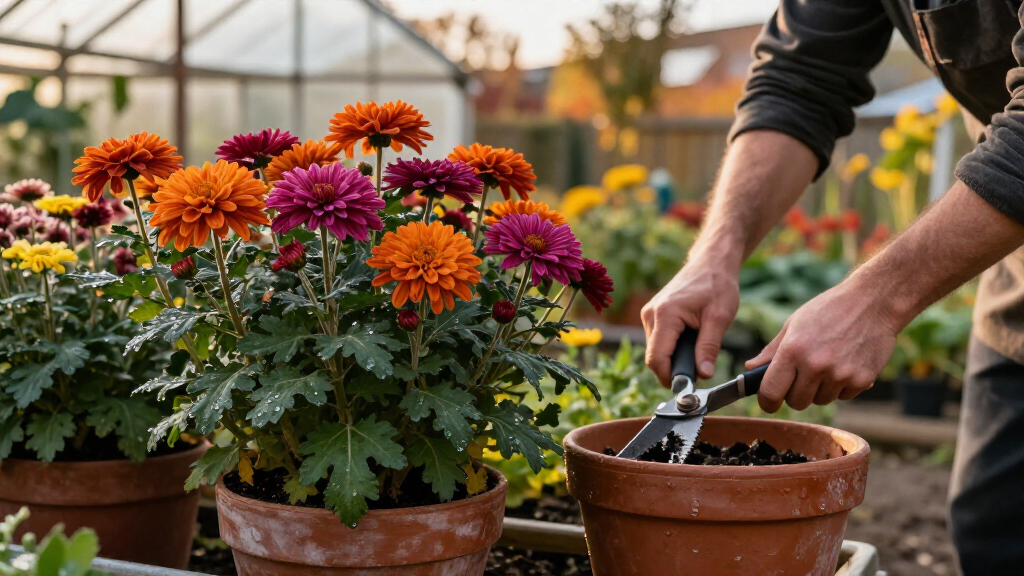
I ranked these three options around the specific promise of October-blooming flowers, rather than treating them as interchangeable garden plants. The clearest fit is the Ivory Camellia, described as blooming from October into early winter. The aster and Pink Perplexion Camellia are described as blooming in fall or from late summer into fall, so their October performance depends more on local conditions and timing. That distinction matters for anyone shopping specifically to fill an autumn gap.
I also compared garden role and year-round value. The aster is the only seed-grown perennial and the only option explicitly positioned for meadows, rain gardens, and pollinator plantings. The camellias are evergreen shrubs with compact rounded growth, making them better candidates for borders, foundation beds, hedges, or containers. Between the two, the ivory-flowered form earns the leading place for its stated October-to-early-winter bloom window; the pink form remains an appealing alternative for gardeners prioritizing soft pink flowers.
Finally, I weighed practical growing requirements: hardiness zone, light, moisture, soil, and establishment effort. The aster has the broadest listed zone range, but seed preparation and first-season watering add work. Both camellias are restricted to zones 7–9; Ivory also specifies acidic, well-draining soil and protection from harsh winter winds. These are product details, not a guarantee of performance in every garden. Bloom timing and success can shift with climate, exposure, and care, so I favor the option whose stated traits align most closely with a buyer’s site and intended use.
| October-blooming flower | Plant type | Blooming period |
|---|---|---|
| October Magic Ivory Camellia S | Evergreen shrub | October through early winter |
| New England Aster Seeds | Perennial wildflower | Late summer to fall |
| October Magic Pink Perplexion | Evergreen shrub | Fall |
Factors to Consider When Choosing Best October-blooming Flowers
I would choose between these plants by starting with the garden site, then deciding whether I want a seed-grown planting or a shrub with year-round foliage. The best-looking flower is not a useful October choice if its hardiness range, light needs, or soil preferences do not fit the bed.
Check how specifically October is named
Bloom descriptions do not all promise the same thing. Ivory Camellia has the clearest stated timing, October through early winter, so it is the strongest match when a buyer wants flowers in that particular month. Pink Perplexion is described as a fall bloomer, while New England Aster flowers from late summer into fall. Those broader windows can still include October, but they do not identify the month as directly. Local weather and growing conditions can shift flowering, so treat the listings as a season guide rather than a precise calendar guarantee.
If a garden already has summer flowers and needs a distinct late-season focal point, Ivory’s stated window is a useful advantage. If the aim is an extended wash of fall color through a sunny border or meadow, the aster may fit better, even though it needs seed preparation. Pink Perplexion occupies the middle ground: it offers a compact shrub and soft pink flowers, but its bloom timing is less exact than Ivory’s.
Match the plant to your USDA zone
Zone fit is the clearest dividing line in this group. The New England Aster is listed for zones 3–8, while both camellias are listed for zones 7–9. Gardeners in colder regions should not assume the camellia will perform outdoors just because it is an October-blooming choice; the stated range does not include those climates. In zones 7–8, all three may fall within their listed ranges, although their other needs still differ. Zone 9 is within the stated range for both camellias but outside the aster’s listed range.
Use the zone range as an initial screen, then check local exposure and winter conditions. The Ivory listing specifically warns that harsh winter winds may need protection. A sheltered position can matter for a plant that keeps evergreen leaves through the colder part of the year. If your site falls outside a product’s stated range, I would favor a suitable alternative rather than relying on extra care to overcome a climate mismatch.
Decide between seeds and a nursery shrub
Aster seeds suit gardeners willing to plan ahead and prepare the seed before sowing. Cold stratification is required, and the supplied germination information gives a 14–21-day window at 65–70°F after the required preparation. Seedlings also need watering through their first growing season. In return, one packet contains over 500 seeds, allowing a broad planting in a meadow, border, or cutting garden rather than the single focal point offered by a one-gallon shrub.
The camellias are the more direct route to an evergreen shrub shape, though a nursery plant still needs time and appropriate care to establish in its site. Their expected 4–5-foot spread calls for room in a border or a suitable container. I would choose seeds when scale, pollinator value, and the process of raising perennial flowers are part of the goal; I would choose a camellia when a defined evergreen form is more useful than a large number of individual flowers.
Match height, shape, and location
The aster can reach up to five feet and is spaced 18–24 inches apart, making it better suited to the back or middle of a sunny bed than to a narrow edging. Its tall stems also make it a practical choice for cutting and naturalistic planting. Both camellias are described as about 4–5 feet tall and wide with rounded, compact growth. They can serve as an anchor in a border, hedge, foundation planting, or—in Pink Perplexion’s description—a container.
Think about width as well as height. A shrub may fit into a small garden if it has room to mature, but its evergreen presence remains through the year. Asters can be distributed across a larger area and bring a looser, seasonal look. For a clipped or structured landscape, the camellias are the more natural fit; for a meadow-like patch or a cut-flower garden, the aster has the clearer role.
Compare light, soil, and moisture needs
New England Aster needs full sun, while Pink Perplexion is listed for full sun to part shade and Ivory for partial shade to full sun. These ranges offer some placement flexibility for the camellias, but the product descriptions do not replace attention to the conditions in a particular garden. Ivory has the most specific soil requirement: acidic, well-draining ground kept moist. Its care needs make it a poorer match for a dry bed or soil that does not suit acid-loving plants.
Both camellias call for moderate or regular moisture, and the aster needs watering during its first growing season. None of these descriptions supports treating the plant as maintenance-free from the moment it is planted. Before choosing, check whether you can supply the stated moisture while avoiding poorly drained soil for Ivory. If you want to reduce soil-specific demands and can give the plant sun, the aster may be a better fit, though its establishment stage involves seed preparation and attentive watering.
Choose the color and garden function you want
Color is not the only difference, but it can settle a close choice. The aster brings purple-pink petals and golden centers, with a stated draw for bees, butterflies, and hummingbirds. Pink Perplexion offers soft pink double flowers in a compact evergreen form. Ivory provides white flowers against glossy foliage and is the only option described as blooming into early winter. For a pollinator-focused sunny area, the aster has the clearest functional identity; for a structured shrub with a color accent, choose between the two camellias.
Also consider what remains after flowering. The camellias retain glossy evergreen leaves, while the aster’s central value is its fall flower display and perennial planting role. My practical shortcut is simple: choose Ivory for the most explicit October window, aster for a broad sunny pollinator planting and a wider listed zone range, or Pink Perplexion for a compact pink evergreen shrub where a general fall bloom period is sufficient.
Frequently Asked Questions
Which of these flowers has the clearest October bloom period?
October Magic Ivory Camellia has the clearest stated timing: its blooms are described as appearing from October through early winter. Pink Perplexion is listed as a fall bloomer, and New England Aster as blooming from late summer to fall. Those descriptions may include October, but they do not identify that month as directly. Actual timing can vary with local conditions, so use the listed period as guidance rather than a fixed flowering date.
Which option is better for a colder climate?
New England Aster has the broadest listed range, USDA zones 3–8, compared with zones 7–9 for both camellias. That makes it the more suitable starting point for many colder-climate gardeners, provided the site also meets its full-sun needs. The zone range is not a guarantee for every location, and local winter exposure and growing conditions still matter. Gardeners outside a product’s stated range should look for a plant matched to their climate.
Are the aster seeds a better choice than a camellia for a beginner?
That depends on what kind of gardening work feels manageable. The aster offers over 500 seeds and a broad planting opportunity, but it requires cold stratification before sowing and water during its first growing season. The camellias avoid that seed preparation and offer a defined shrub form, but they are limited to zones 7–9 and have moisture requirements. A beginner with the right camellia climate and soil may prefer a nursery shrub; someone who enjoys starting plants may find the aster more rewarding.
Can either camellia grow in a container?
Pink Perplexion is specifically described as suitable for containers as well as borders and hedges. Its expected size is about 4–5 feet tall and wide, so a container should provide room for the plant and its roots as it grows. The Ivory description emphasizes borders and foundation plantings rather than explicitly naming containers. In either case, the zone range, light, moisture, and soil needs still apply; a pot does not remove those requirements.
Which plant offers the most value after its flowers fade?
The two evergreen camellias retain glossy foliage year-round, so they contribute garden structure beyond their fall flowers. Ivory has the more clearly stated October-to-early-winter bloom period, while Pink Perplexion is the pink-flowered alternative with a general fall window. New England Aster offers a different kind of value: it is a perennial wildflower with a stated pollinator role and potential for a large planting, but it does not provide the same evergreen shrub structure.
Conclusion
My choice depends on the job the plant needs to do. For the clearest October-to-early-winter display and year-round foliage, I would choose Ivory Camellia—if the garden is in zones 7–9 and can provide acidic, well-draining soil and steady moisture. For a sunny, pollinator-friendly planting with broader listed climate reach, I would choose New England Aster, accepting the cold-stratification step and first-season watering. For a gardener who wants a compact evergreen shrub with soft pink double flowers, Pink Perplexion is the better fit, though its bloom description is less precise about October. Check zone, light, soil, and available space before deciding: those conditions separate a promising fall-flower choice from one that is simply attractive on paper.
Halloween Picks
halloween
As an affiliate, we earn on qualifying purchases.